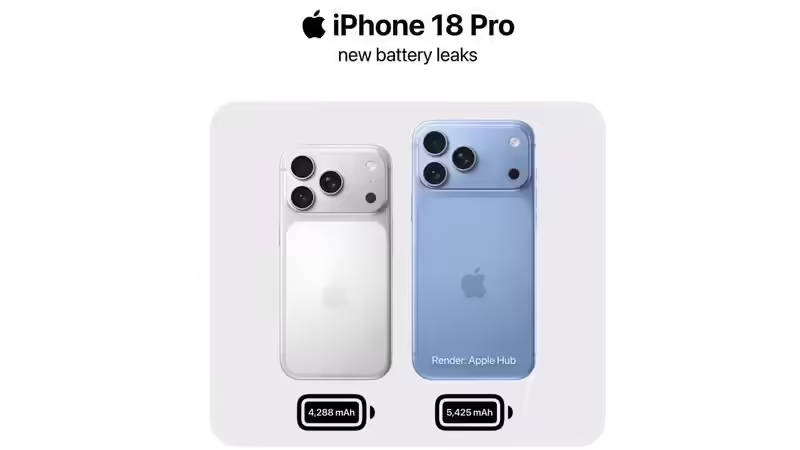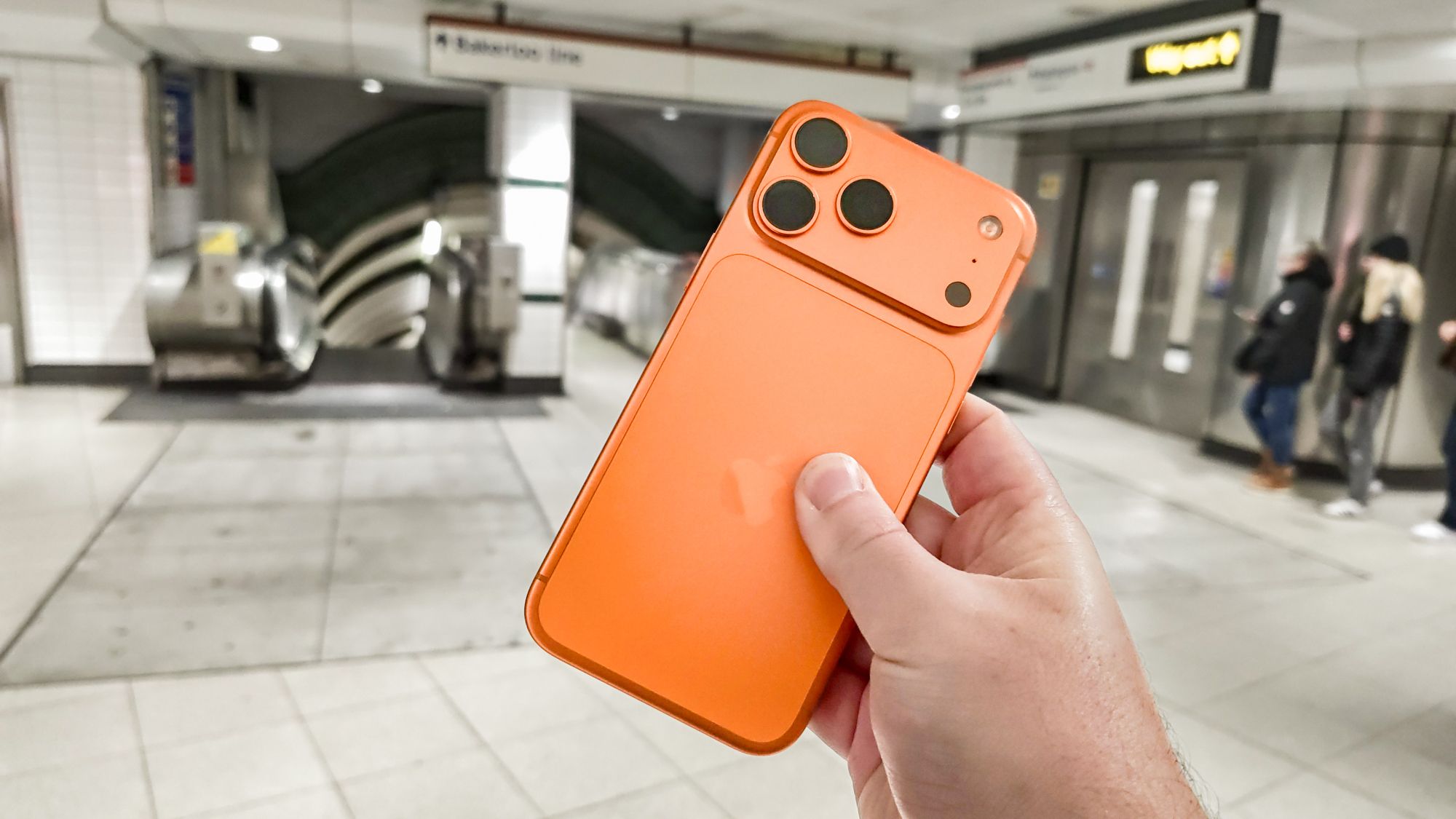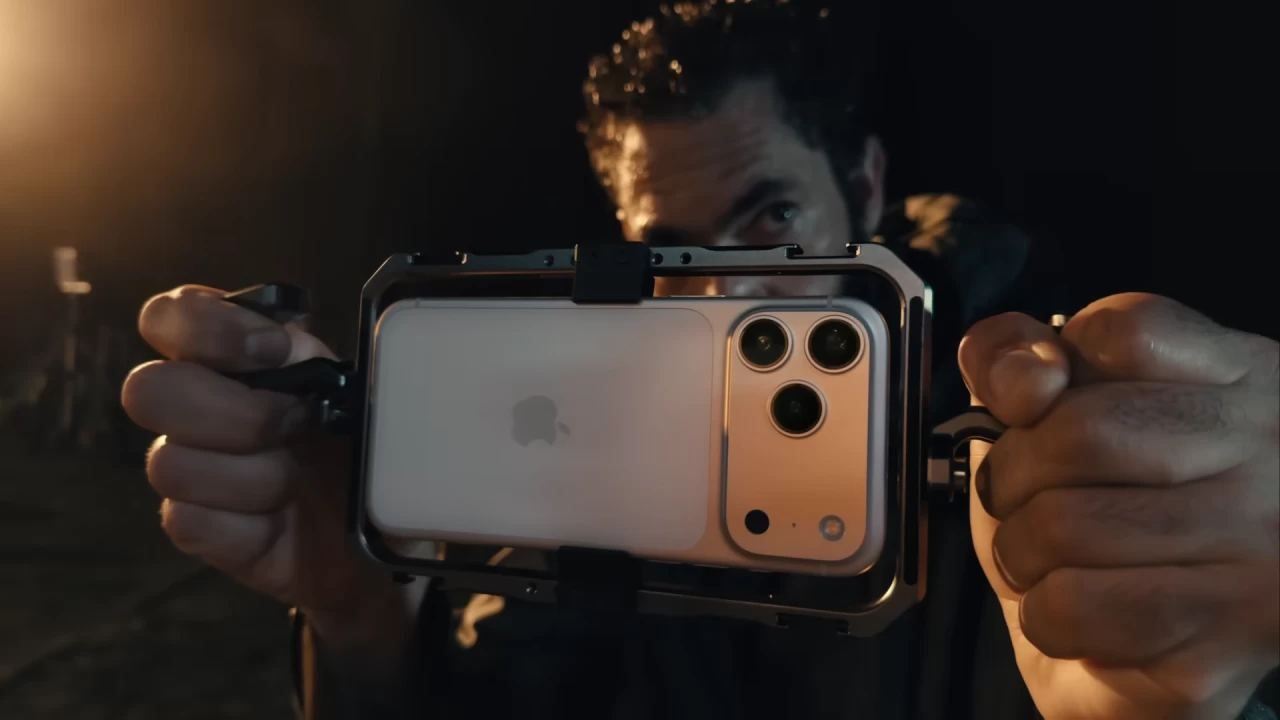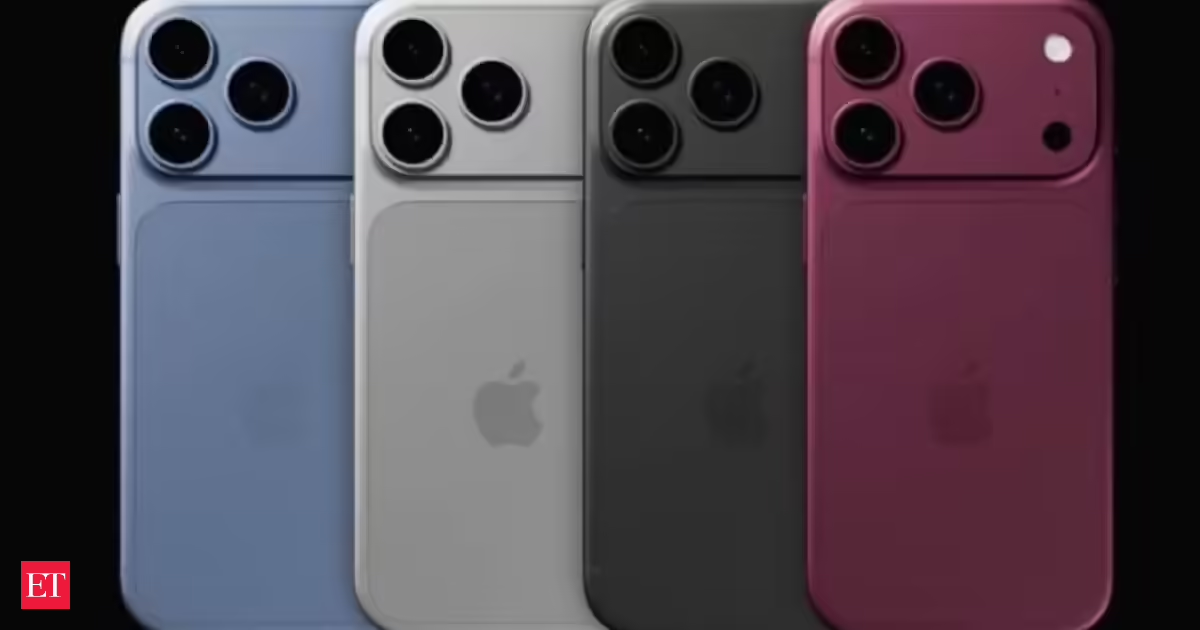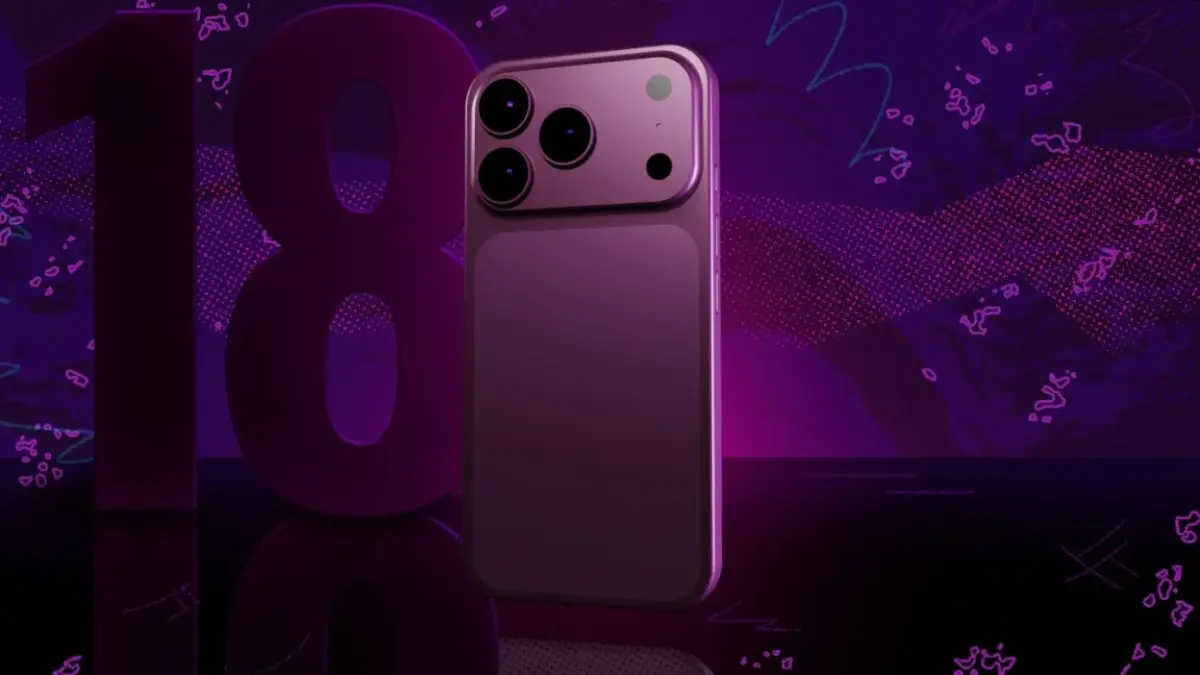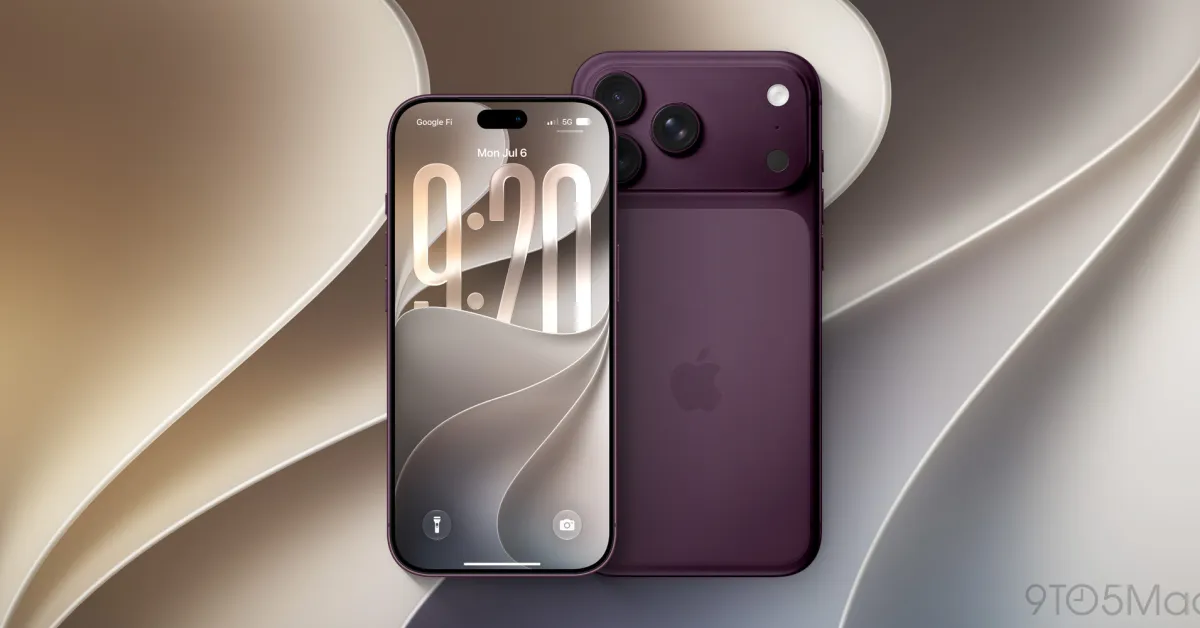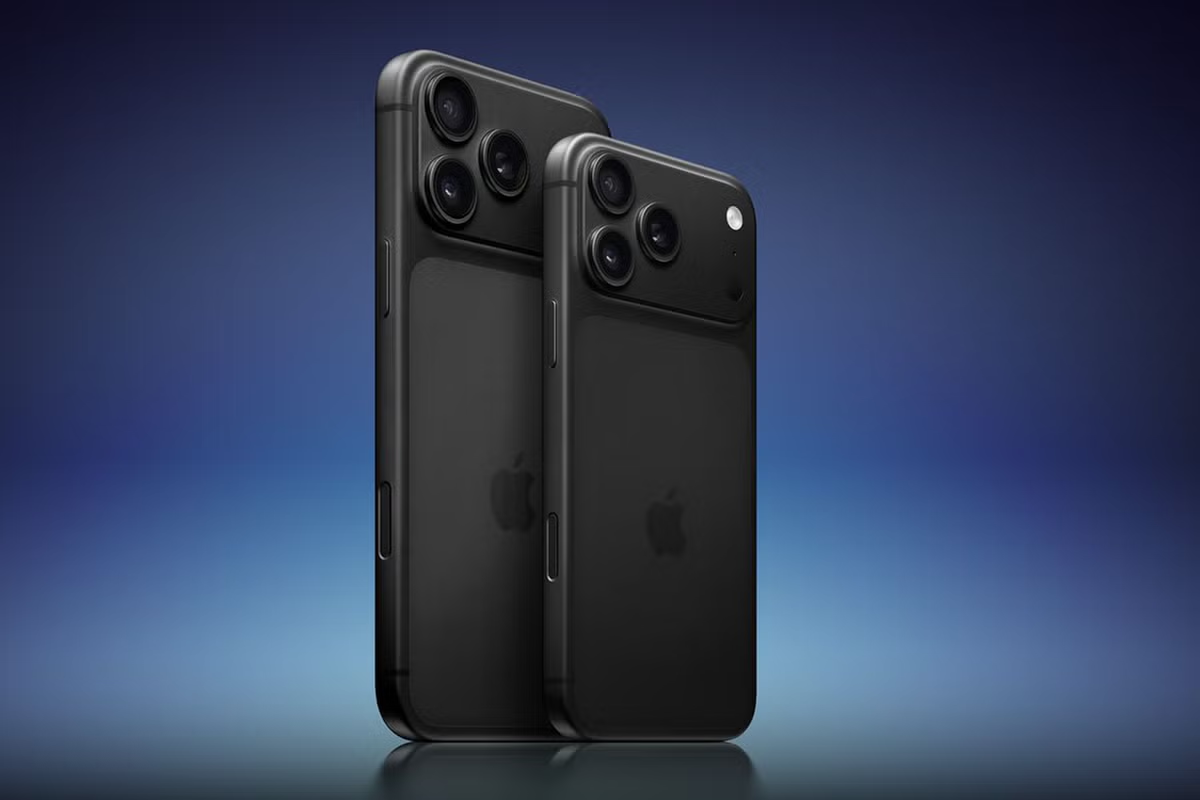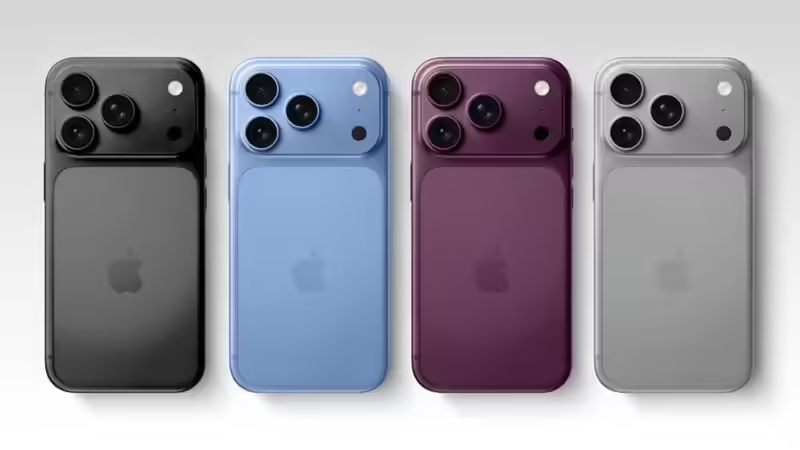
Photo credit: X/@Apple_Geek_ActuApple’s upcoming iPhone 18 series has been generating hype since the leaks started to surface on the internet, with leaks suggesting a noticeable upgrade in battery capacity, especially for the Pro Max model. According to industry reports, the next-generation lineup expected to include iPhone 18, iPhone 18 Plus, iPhone 18 Pro, and iPhone 18 Pro Max may feature improved internal design changes that allow for bigger batteries without significantly increasing device thickness.One key highlight is the chance of an eSIM-only version, which might actually free up some internal room for extra battery volume. Like the leak hints, the Pro Max model in particular could end up having the biggest battery Apple has ever put in an iPhone, and that would be pushed by both design optimization and those shifting connectivity standards, that keep evolving.Key takeawaysiPhone 18 Pro Max may feature the largest battery ever in an iPhoneeSIM-only design could free internal space for battery expansionEntire iPhone 18 lineup may see efficiency and design improvementsBattery gains are linked to evolving hardware miniaturization trendsLeak suggests Apple is focusing on endurance for AI-heavy usageWhy Apple may prioritize a larger battery in iPhone 18As smartphone use keeps getting more intense, power demands keep climbing too. Stuff like on-device artificial intelligence, high-refresh OLED screens, and heavier camera processing are all nibbling at battery life in ways that older iPhone generations didn’t really have to deal with. Plus people are spending more time gaming, streaming, and doing actual work on their phones, so endurance stops being “nice to have” and starts becoming a real competitive thing.From what leaks says, Apple seems to be answering both user expectations and pressure from Android flagships, which already brag about larger battery capacities. In particular, a bigger battery in the Pro Max could make Apple look more performance-ready, while also easing worries about daily charging routines and slower long-term battery wear.How eSIM-only models could create internal space for a larger batteryOne design idea that might help Apple fit all of that in without turning the iPhone into a brick is going more aggressively toward eSIM-only models. When you remove the physical SIM card tray, you effectively free up some internal real estate. And that matters because even a “small” rearrangement can give engineers more room to expand battery cells or redo how components stack together. In tighter phones, every millimeter counts, and the SIM tray assembly takes up both the obvious volume and some extra supporting bits.There are reports that in the iPhone 18 lineup, especially the Pro versions, Apple could use this newly available space to slot in a higher-capacity battery while still keeping the overall thickness pretty much under control. It’s pretty on-brand too, because this kind of “take something out, then use the freed space for core improvements” approach is a familiar Apple habit, rather than just making the device bigger so it can hold more energy.Why Apple is accelerating the shift toward eSIM architectureApple’s gradual move toward eSIM technology is not just a design choice but also a strategic ecosystem shift. eSIM enables tighter hardware integration, improved water resistance, and easier carrier switching without physical cards. Over time, this reduces dependency on traditional SIM infrastructure, allowing Apple more flexibility in internal engineering. The rumored iPhone 18 changes suggest that Apple is further aligning global models with eSIM-only standards, at least in select regions.This transition also supports future-ready connectivity trends, where devices may rely more on embedded digital profiles rather than removable hardware. As per industry speculation referenced by Moneycontrol, this evolution plays a direct role in enabling larger batteries by simplifying internal layouts and eliminating mechanical constraints associated with SIM trays.How internal design and efficiency upgrades support battery gainsBesides the changes tied to eSIMs Apple is also expected to tweak the inner design a bit, so the whole build can use space more clever. That might mean stacked battery tech, slightly slimmer logic boards, and a better way to handle heat. These steps help Apple reshuffle the internal room more efficiently, so they can push battery capacity up, without making the device noticeably thicker. And then there’s chip efficiency too, probably from the next Apple silicon generation which can lower total power use.When that happens, even a bigger battery tends to stretch out more hours in real life. Basically hardware shrinking with some software tuning is kind of the core of Apple’s approach. For the iPhone 18 lineup, these small upgrades together could end up meaning a real shift in day to day battery life, especially for people who are on their phones a lot and for Pro Max buyers who want true all day enduranceWhat it means for Indian buyersFor Indian customers, a bigger battery across the iPhone 18 line could be an obvious win, because the way people use phones here is pretty intense. Many users lean on mobile data a ton , keep video streaming running, and use payment apps throughout the day. That often happens while traveling, commuting, or working where charging points arent always easy to find. In that kind of routine, higher capacity is likely to feel more dependable. Still, the move toward eSIM only models may force some adjustments, since eSIM access in India can be uneven across prepaid, budget, and different carrier setups.If Apple ships eSIM-exclusive variants only, buyers may need to double check whether their telecom plan is fully compatible. Overall though, this upgrade could make iPhones more practical for heavy daily use, particularly in the premium tierFAQs1. When is the iPhone 18 series expected to launch? Apple should stick to its usual rhythm, so the iPhone 18 lineup is expected sometime in the second half of next year. The exact dates though are not officially confirmed yet.2. Which iPhone 18 model may get the biggest battery? Based on leaks, the iPhone 18 Pro Max is the one most likely to get the largest battery, largely because it can benefit more from interior reshuffling and space optimization.3. Why would eSIM increase battery size? By dropping the physical SIM tray, Apple can reclaim a bit of internal real estate, and then put that area toward a bigger battery, or a more streamlined internal layout.4. Will all iPhone 18 models support eSIM only? Nothing is confirmed, but some reports hint Apple might roll out eSIM-only options in a limited way. That could start with Pro models, or in certain regions first.5. Will battery life improve significantly in real usage? If the leaks hold up, the battery capacity gains plus power efficiency improvements from new chips could translate into a noticeable all day upgrade, especially for people who push their phones hardend of article
iPhone 18 lineup may come with larger batteries across variants, eSIM push could be key driver
Apple's upcoming iPhone 18 series, particularly the Pro Max, is poised for a significant battery boost. Leaks indicate internal redesigns and a potential shift to eSIM-only models will allow for larger batteries without increasing thickness. This focus on endurance aims to meet the demands of AI-heavy usage and power-hungry apps, promising extended usage for users. Indian buyers can expect improved reliability for daily tasks.
1,106 words~5 min read