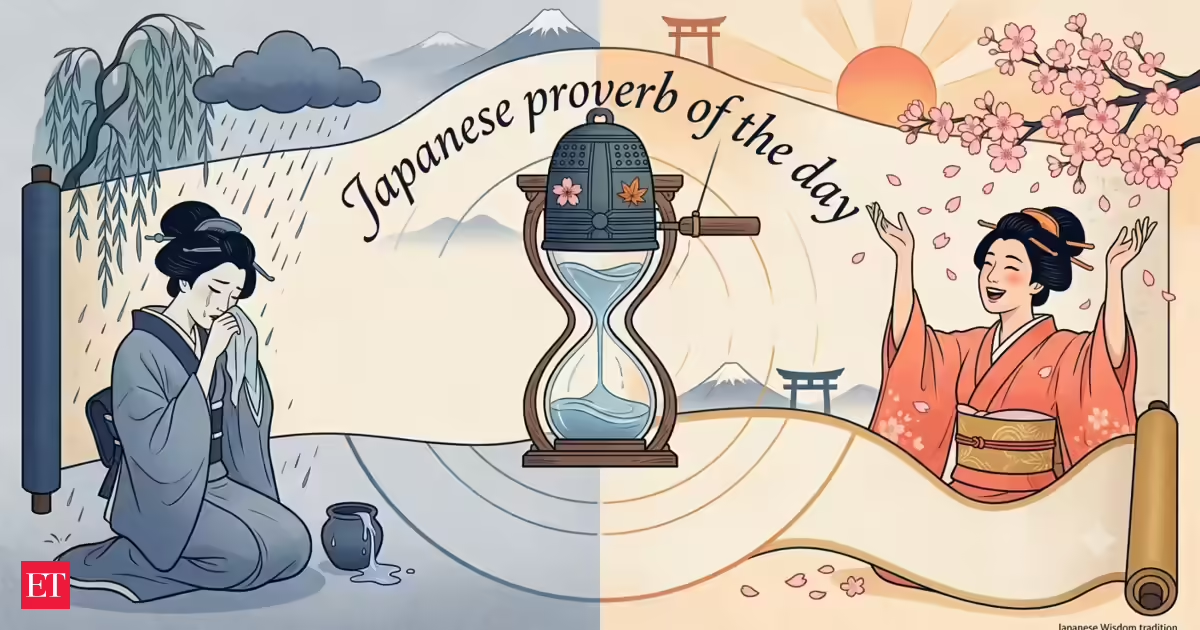
(AI image used for representational purposes)“Tomorrow's wind will blow tomorrow.”The weather has always taught people lessons that books sometimes cannot. No one can bargain with the wind or persuade it to arrive early. It changes when it chooses, carrying clear skies one day and storms the next. This simple Japanese proverb borrows that image to make a larger point about the way people worry. Tomorrow's wind belongs to tomorrow. There is little value in trying to fight it while standing in today.A saying shaped by the seasonsLike many Japanese proverbs, this one draws its wisdom from the natural world rather than from grand ideas or dramatic events. Japan's long history of farming, fishing and seafaring meant that the weather shaped everyday life. Wind determined when boats could leave harbour, influenced harvests and reminded people that many things existed beyond human control.The proverb does not encourage people to ignore the future. Instead, it recognises a simple reality: tomorrow will bring circumstances that nobody can predict perfectly. Planning is sensible. Living inside tomorrow before it arrives is something else entirely.The difference between planning and worryingThat distinction gives the saying its enduring appeal. Preparing for an examination by studying is planning. Spending the entire night imagining every possible question without opening a book is worrying. Saving money for unexpected expenses is preparation. Inventing disasters that have not happened and allowing them to dominate the present serves little purpose.The proverb recognises something that psychologists have explored in recent decades. People frequently overestimate how accurately they can predict future problems and underestimate how well they will cope when those problems actually arrive. Many of the situations that occupy our thoughts never happen in the way we imagined. Others appear without warning, making all the earlier worrying irrelevant.The modern habit of living one day aheadTechnology has given people more information about the future than any previous generation possessed. Weather forecasts stretch across the week. News alerts speculate about events before they unfold. Calendars are filled months in advance. Phones remind us of appointments, deadlines and meetings that have not yet begun.This constant awareness can create the feeling that tomorrow deserves as much attention as today. A person checks tomorrow's workload before finishing today's. Holiday plans become stressful weeks before the journey begins. Someone lies awake replaying conversations that have not taken place, imagining answers to questions nobody has asked. The proverb helps break that habit. The wind will arrive when it arrives. Today's energy is usually better spent dealing with today's work.Why the wind mattersThe choice of wind is especially thoughtful. Wind cannot be stored, controlled or hurried. It changes direction without asking permission, reminding people that uncertainty is part of life rather than an interruption to it. Sailors adjusted their sails instead of arguing with the breeze. Farmers prepared their fields while accepting that they could never command the weather.That image reflects a broader idea found in Japanese culture: living with change instead of expecting complete control over it. The proverb accepts uncertainty as an ordinary part of life rather than a problem waiting to be solved.A calmer way to face the futureThe reason this proverb has endured is because every generation worries about tomorrow in its own way. The details differ — a job interview, an examination, a medical appointment, a business decision or a difficult conversation — though the habit of carrying tomorrow into today remains remarkably familiar.The proverb offers a quieter response than many modern motivational slogans. It does not promise that tomorrow's wind will be gentle, nor does it suggest that every problem will solve itself. It simply reminds us that each day arrives with its own conditions. Some can be anticipated, many cannot. The most useful place to stand is still today, because that is where the work, the choices and the opportunities actually are.
Japanese proverb of the day: ‘Tomorrow's wind will blow tomorrow’ — why every problem doesn't belong to today
“Tomorrow's wind will blow tomorrow.”
635 words~3 min read