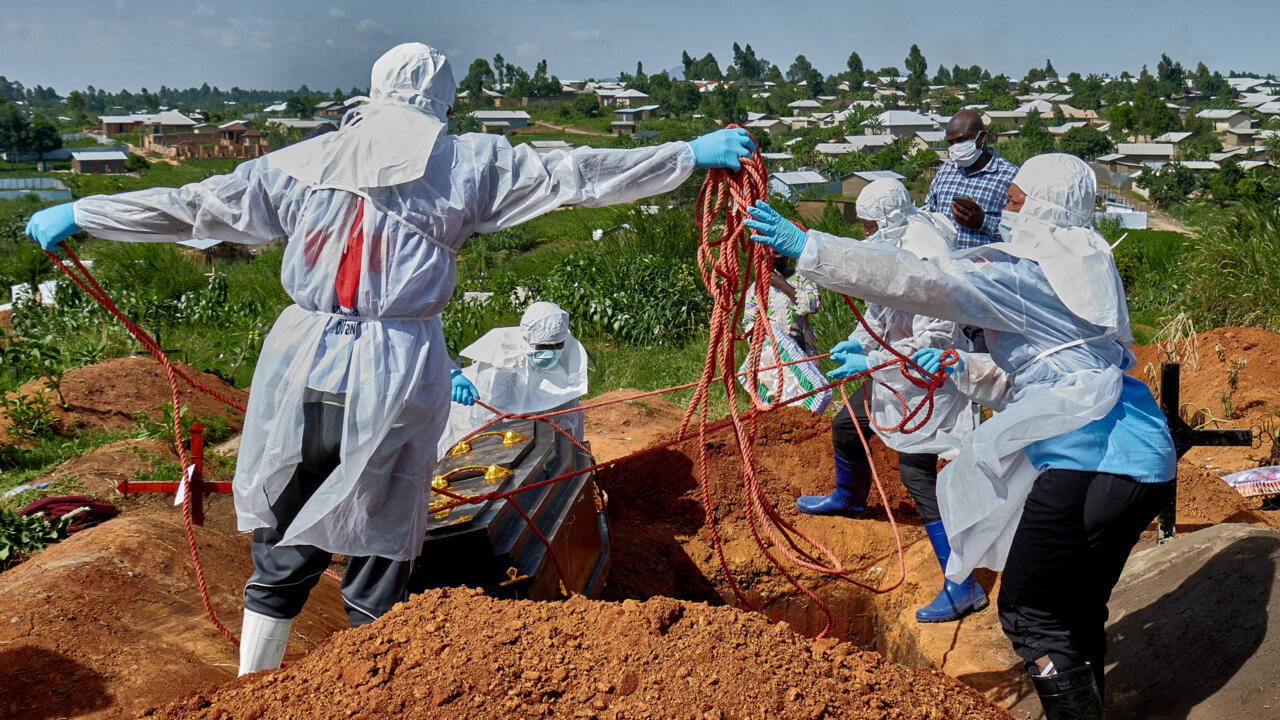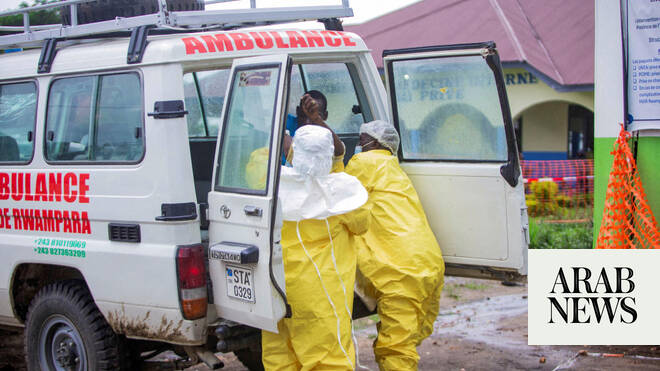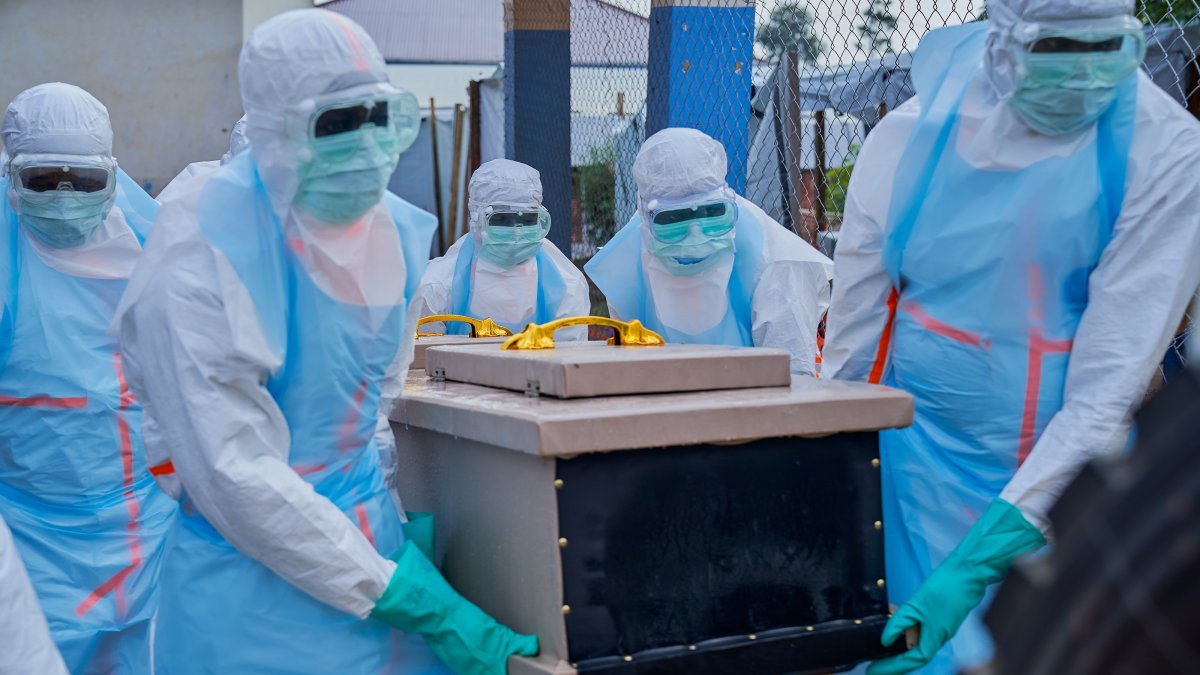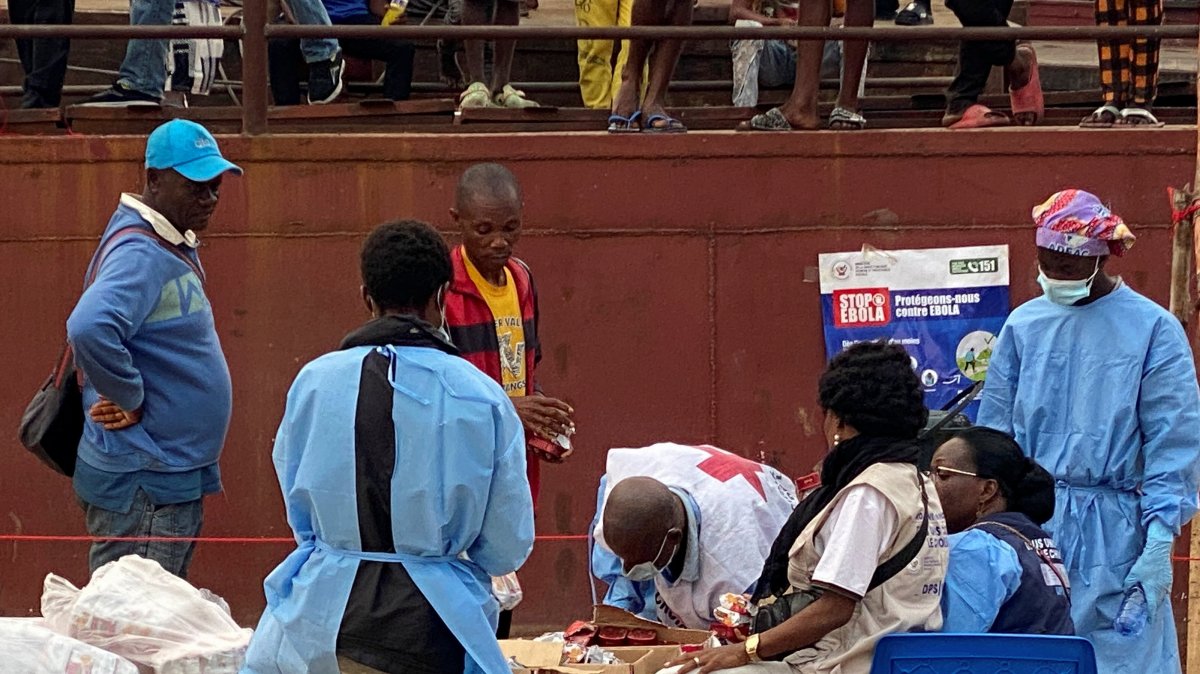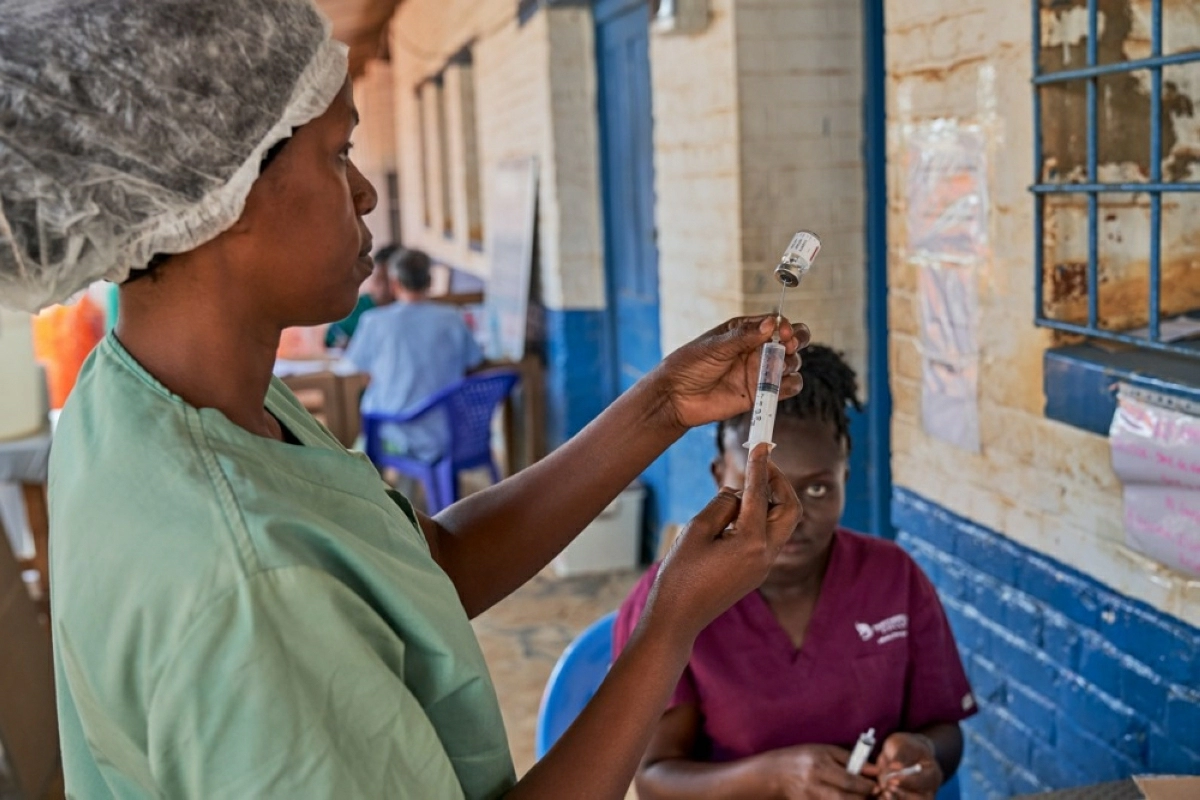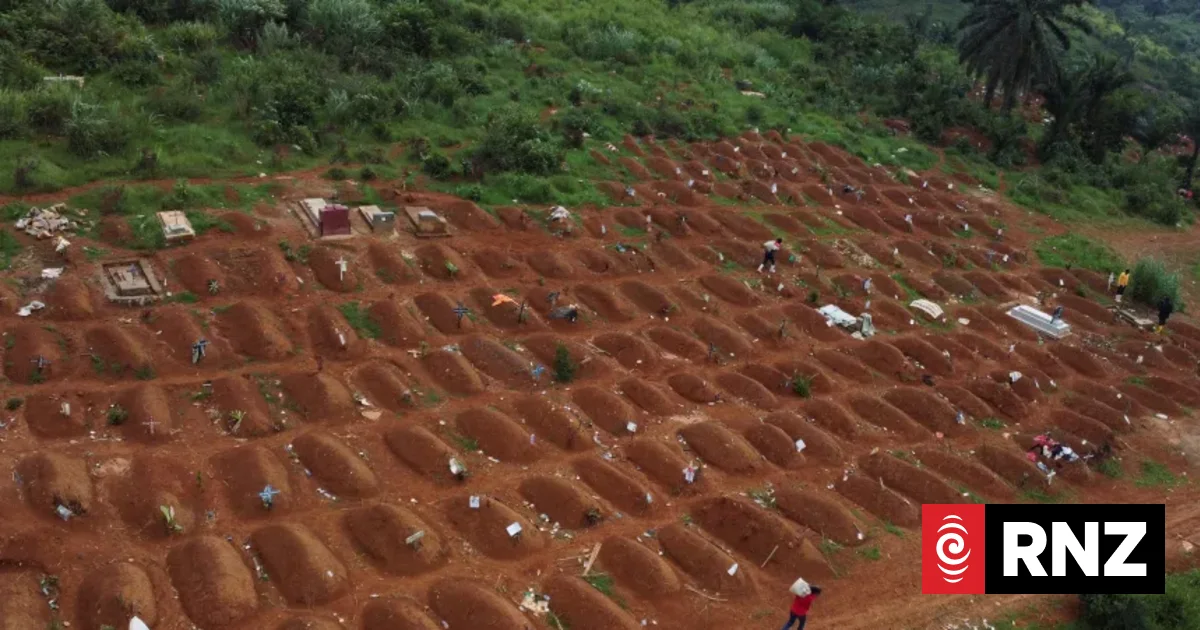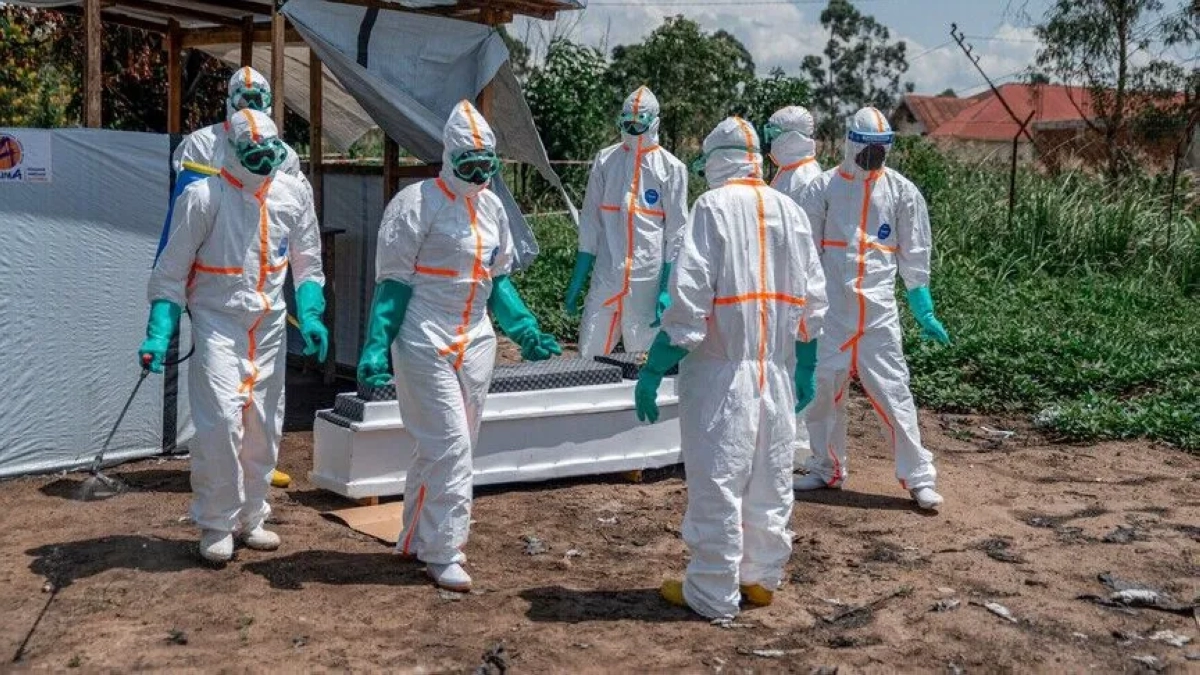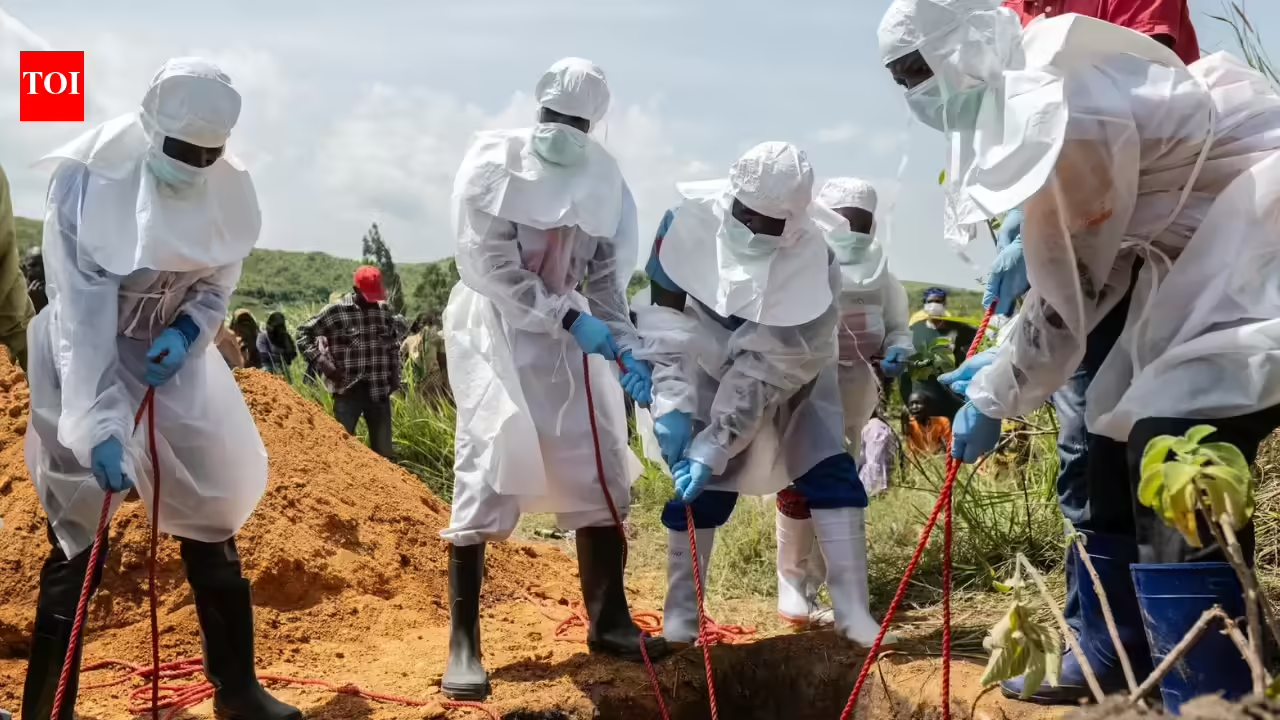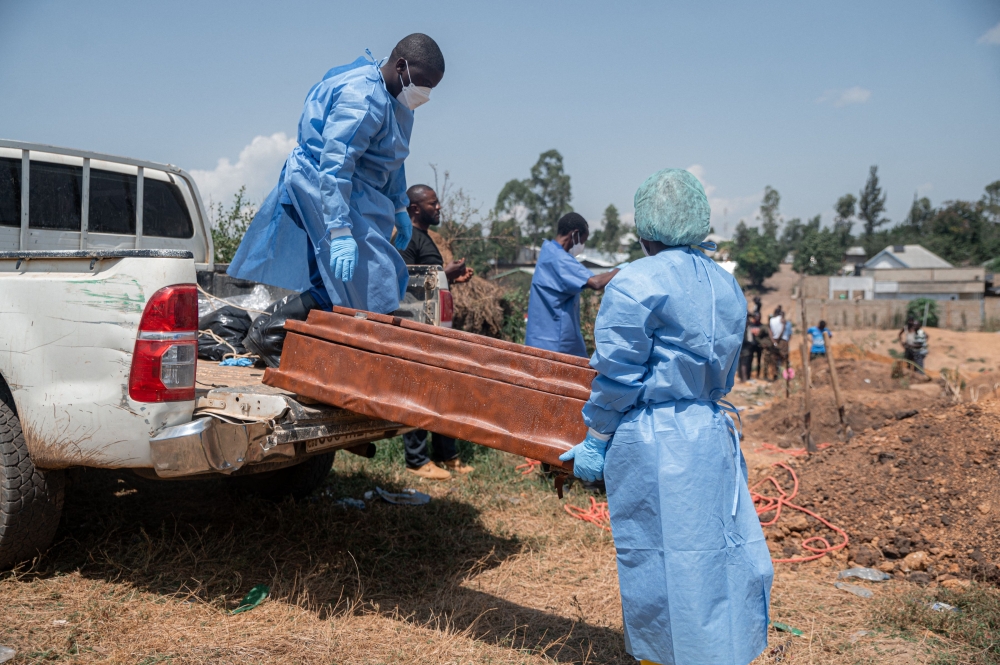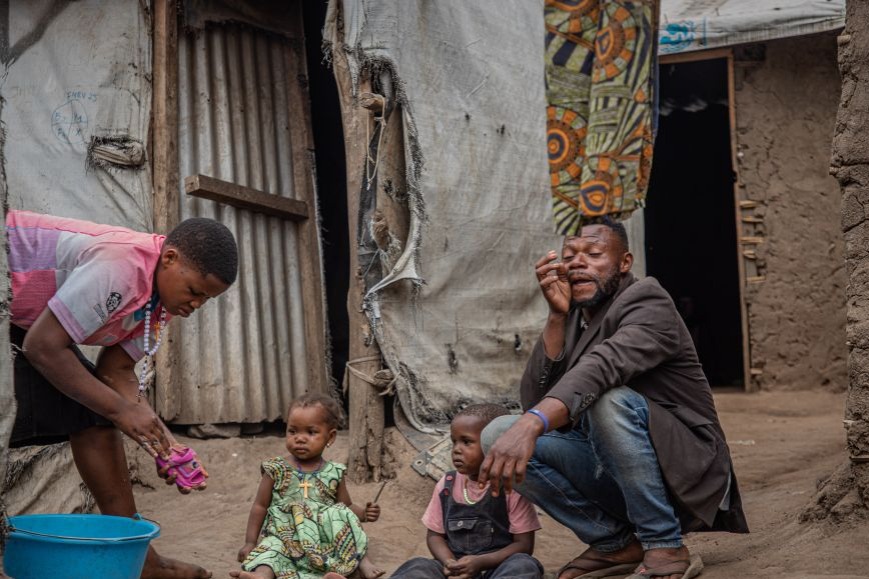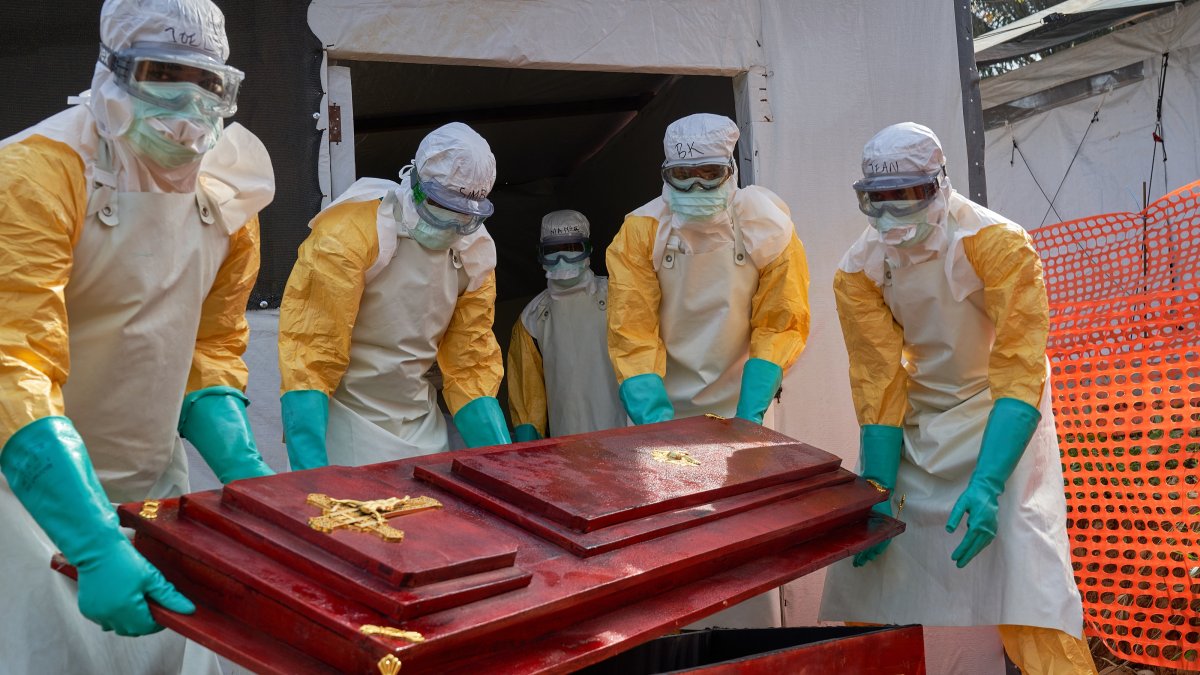
The Ebola outbreak in the Democratic Republic of Congo is accelerating, with the death toll surpassing 400 as the virus spreads into new areas, overwhelms fragile health systems and fuels growing fears of a wider regional health emergency.
Government data released Thursday showed 1,460 confirmed cases and 447 deaths nationwide after 54 new infections were recorded Wednesday in the eastern provinces of Ituri and North Kivu. Earlier health ministry figures had reported 1,406 confirmed infections and 438 deaths, highlighting the rapidly evolving nature of the outbreak.
Since authorities declared the outbreak on May 15, the Bundibugyo strain of Ebola has spread across dozens of health zones, with Ituri province remaining the epicenter. More than 83% of all recorded deaths have occurred there, although the virus has also reached neighboring North Kivu and South Kivu.
Health officials confirmed that Lolwa has become the latest affected health zone in Ituri, while the outbreak has also reached Kisangani, a city of about 1.5 million people located nearly 600 kilometers (370 miles) from the epidemic's epicenter.
The first confirmed case in Kisangani involved a 24-year-old pregnant woman whose body tested positive for Ebola after being secretly transported by motorcycle from the Nia-Nia health zone in Ituri. Health experts warned that moving infected bodies poses a particularly high risk because Ebola remains highly contagious after death, with traditional burial practices often contributing to transmission.