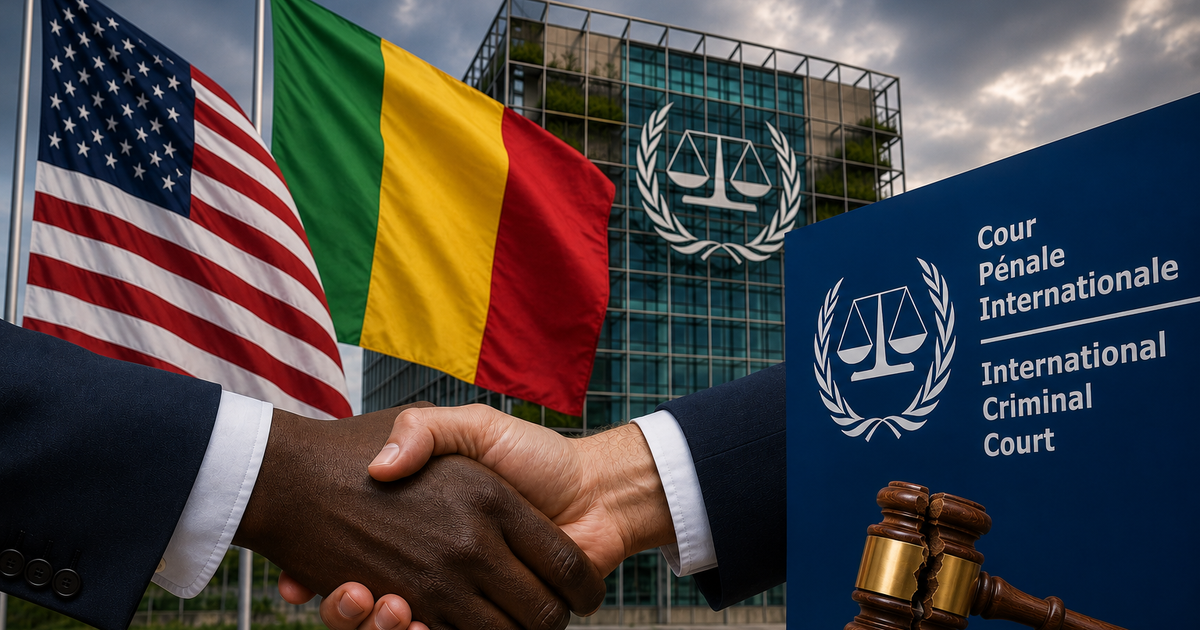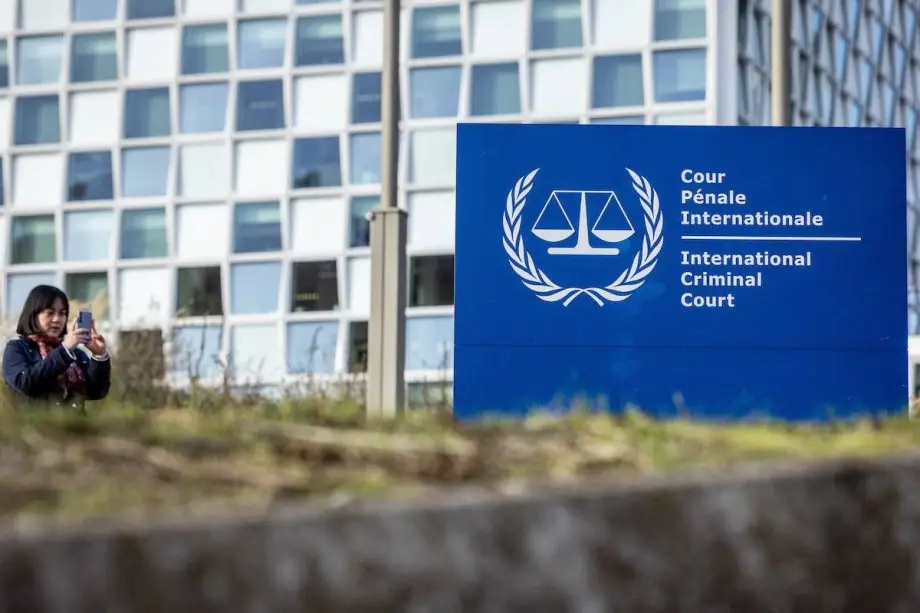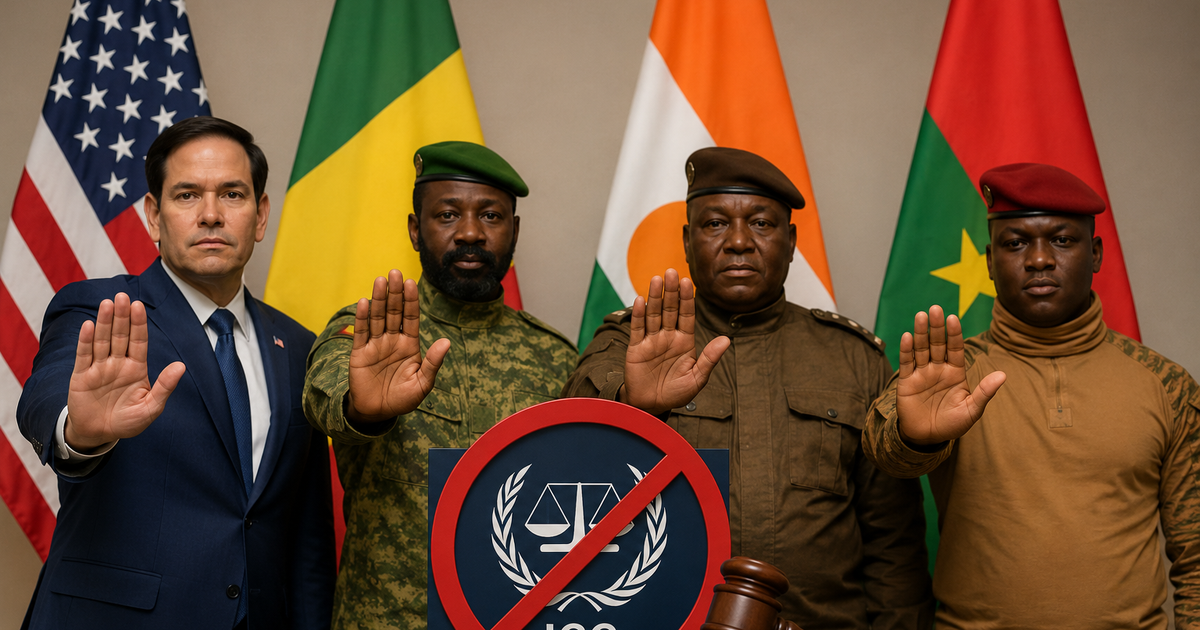
The International Criminal Court (ICC), the world's top war crimes court, is facing fresh scrutiny after two unlikely actors - the United States and West Africa's three-nation Alliance of Sahel States (AES) - moved within days of each other to reject its authority
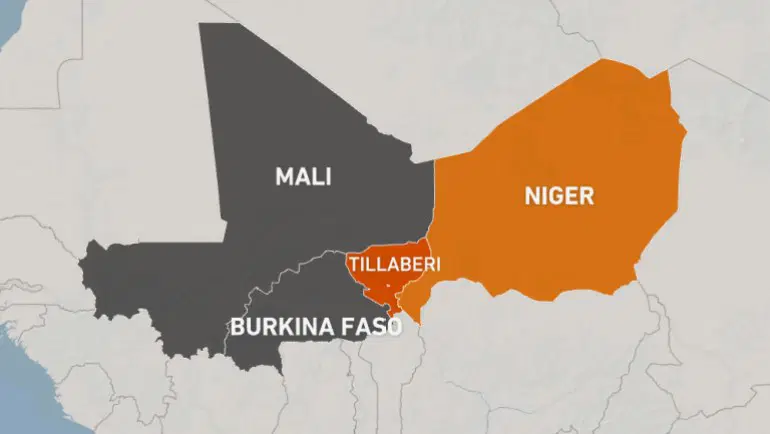
Within days of each other, the United States and West Africa's three-member Alliance of Sahel States (AES) have moved to reject the court's authority, reigniting debate over the reach and legitimacy of the world's permanent war crimes tribunal.
While Washington and the AES bloc - which comprises Burkina Faso, Mali and Niger - arrived at their positions through different legal and political paths, both are ultimately pushing back against the ICC's jurisdiction.
The development comes at a sensitive moment for the Hague-based court, which has increasingly found itself at the center of geopolitical disputes even as it continues to pursue its mandate of prosecuting genocide, crimes against humanity, war crimes and the crime of aggression.
Different legal arguments, same destination