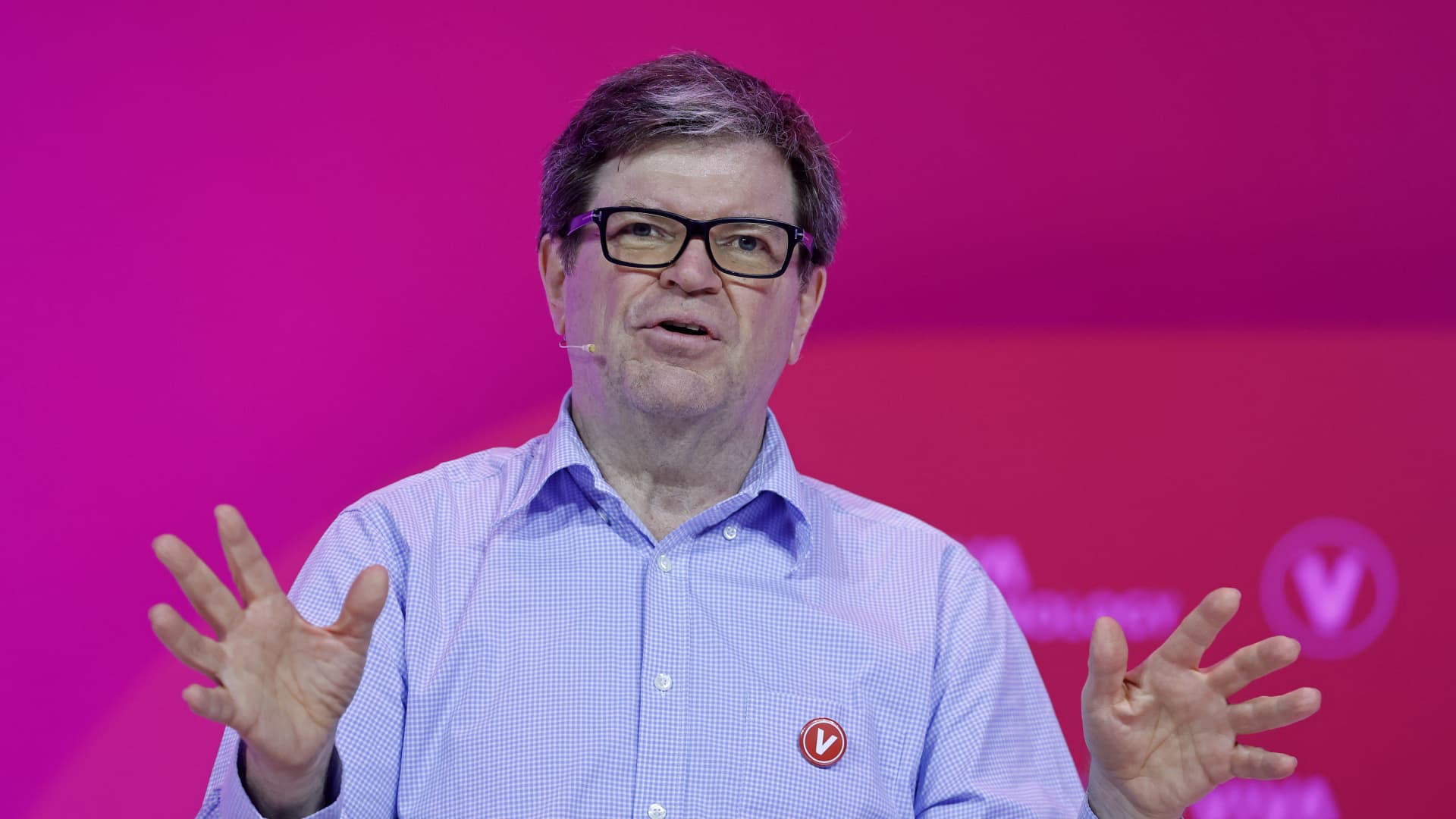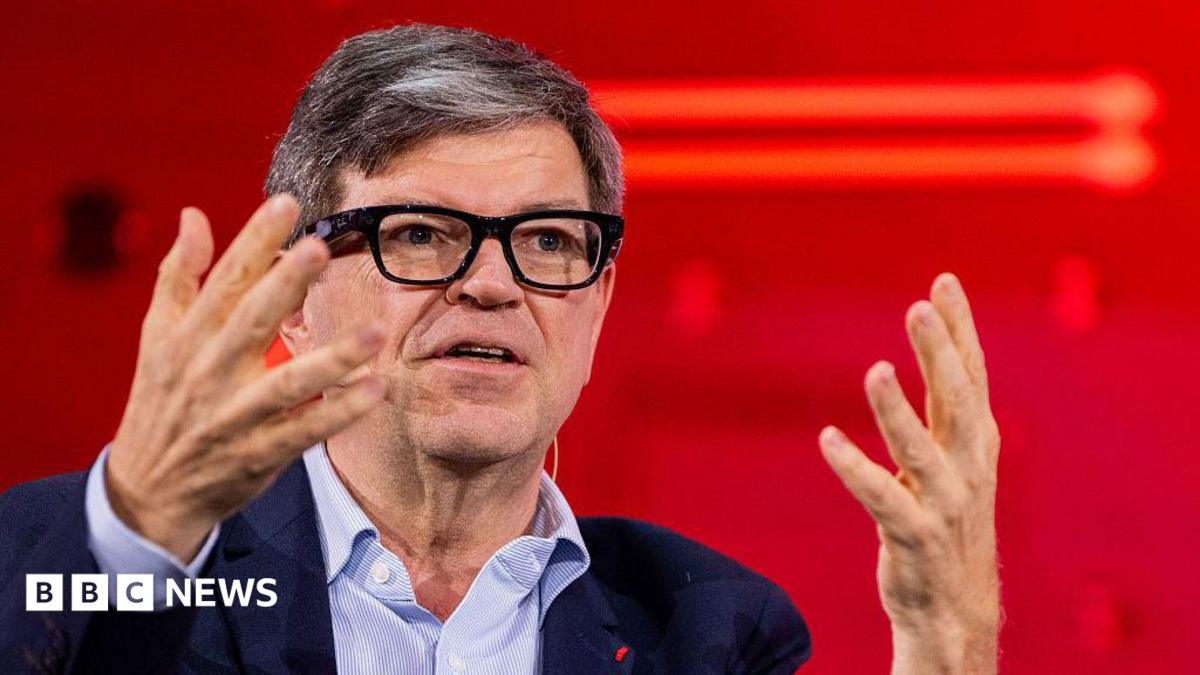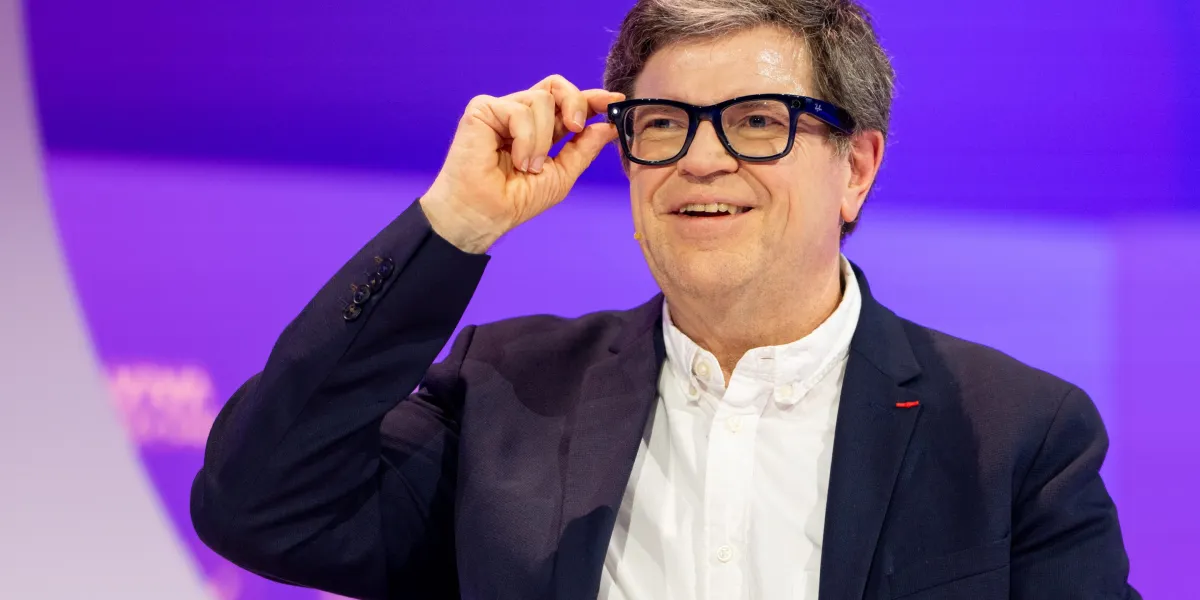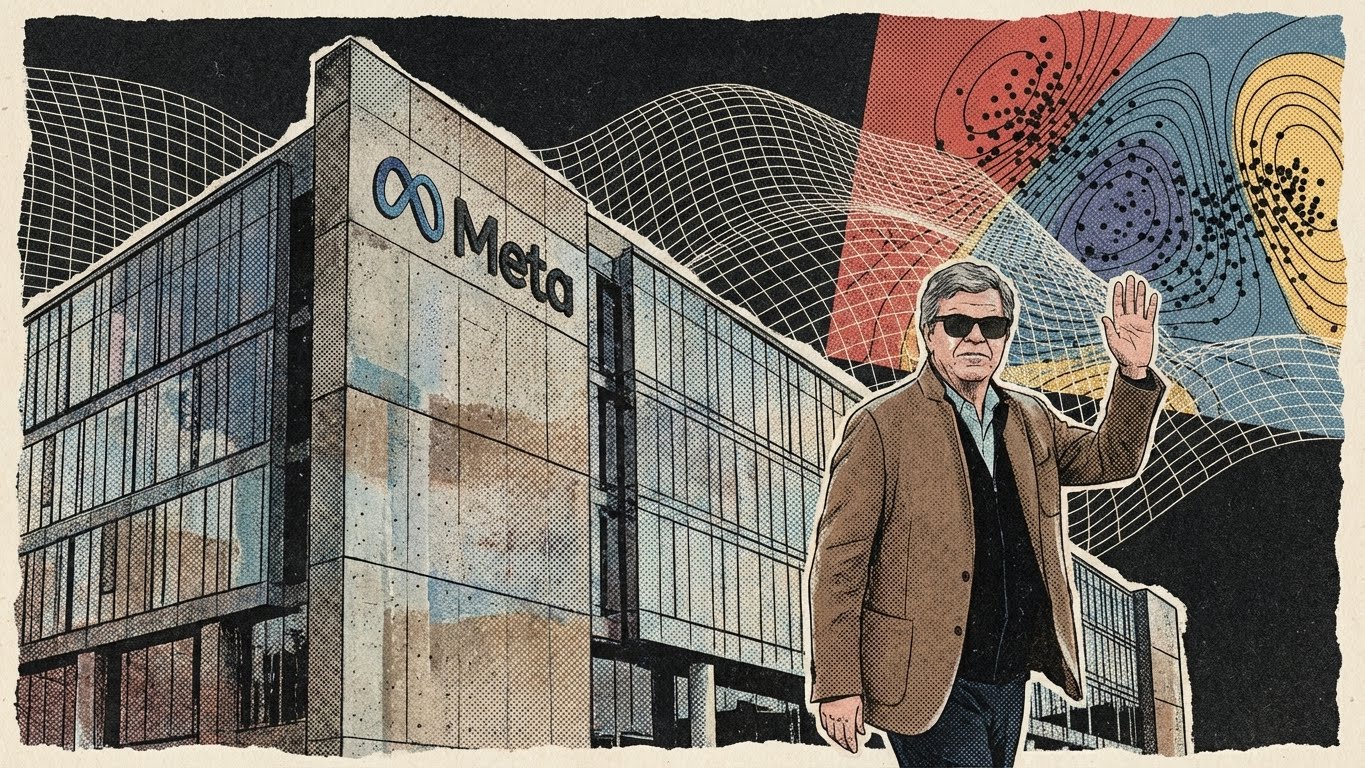
In November 2025, Yann LeCun walked into Mark Zuckerberg's office and told his boss he was leaving. After twelve years building Meta's AI research operation into one of the most respected in the world, the Turing Award winner had decided that the entire industry was heading in the wrong direction. Four months later, his new venture, Advanced Machine Intelligence Labs, announced the largest seed round in European startup history: $1.03 billion to build AI systems that do not merely predict the next word in a sentence, but understand how physical reality actually works.
The money is staggering. The ambition is larger. And the question it raises is one that should unsettle anyone paying attention: if we succeed in building machines that can model the physical world with superhuman fidelity, will we have any idea what those machines actually know?
Welcome to the age of world models, where the gap between what AI understands and what we understand about AI threatens to become the defining tension of the next decade.
A Turing Winner's Trillion-Dollar Heresy
LeCun has never been shy about his contrarian streak. Even whilst serving as Meta's chief AI scientist, he publicly and repeatedly argued that the industry's obsession with large language models was fundamentally misguided. “Scaling them up will not allow us to reach AGI,” he has said, a position that put him at odds with the prevailing orthodoxy at OpenAI, Google, and, increasingly, within his own employer. His departure, first confirmed in a December 2025 LinkedIn post, was not merely a career move. It was a declaration of intellectual war.