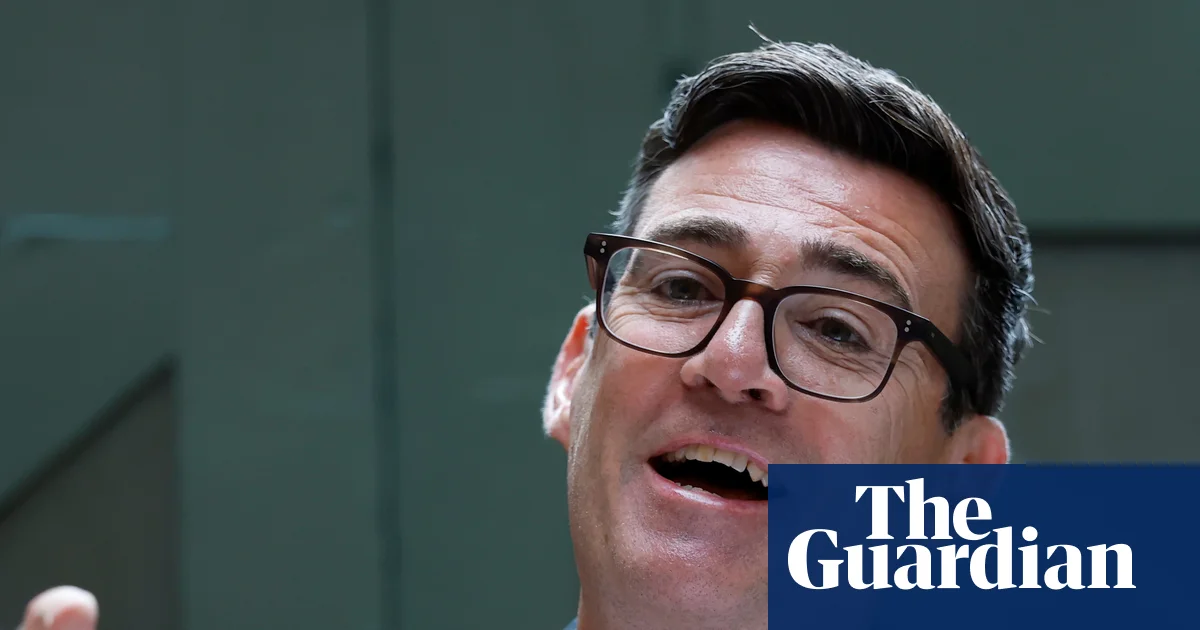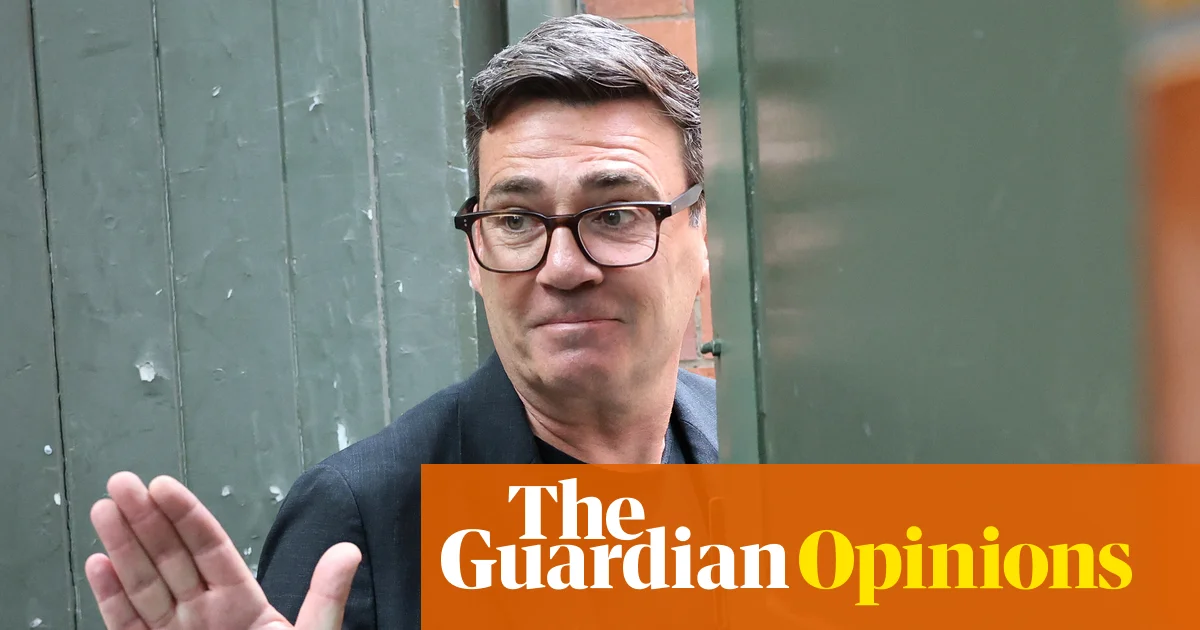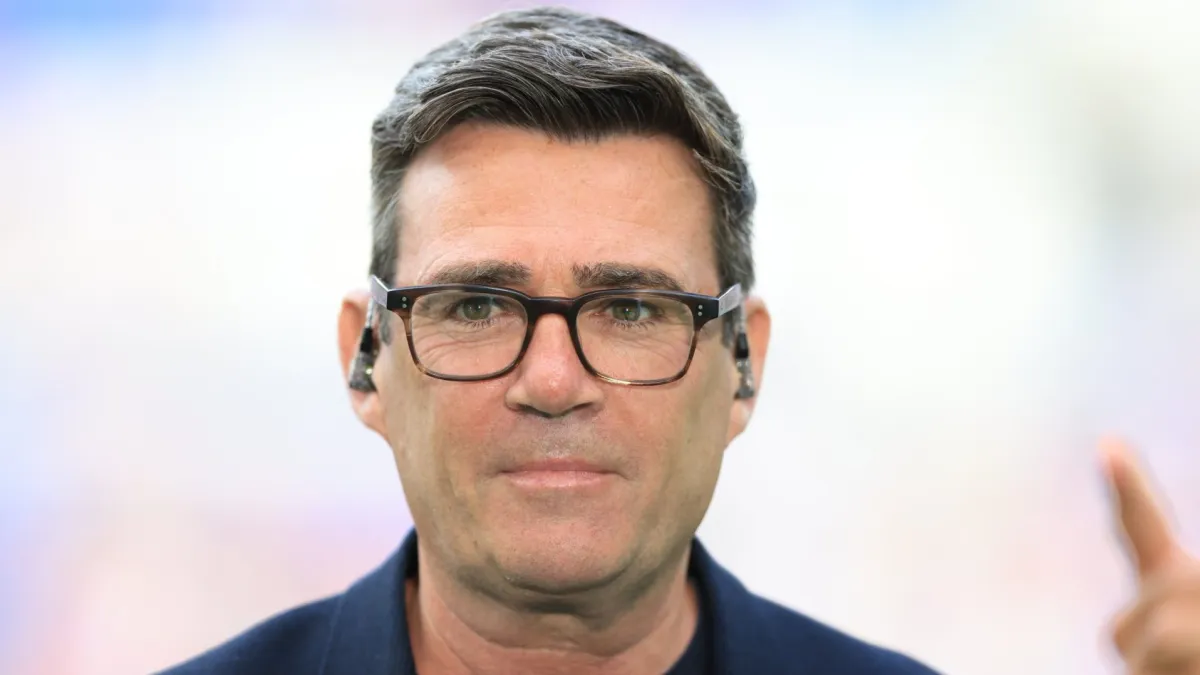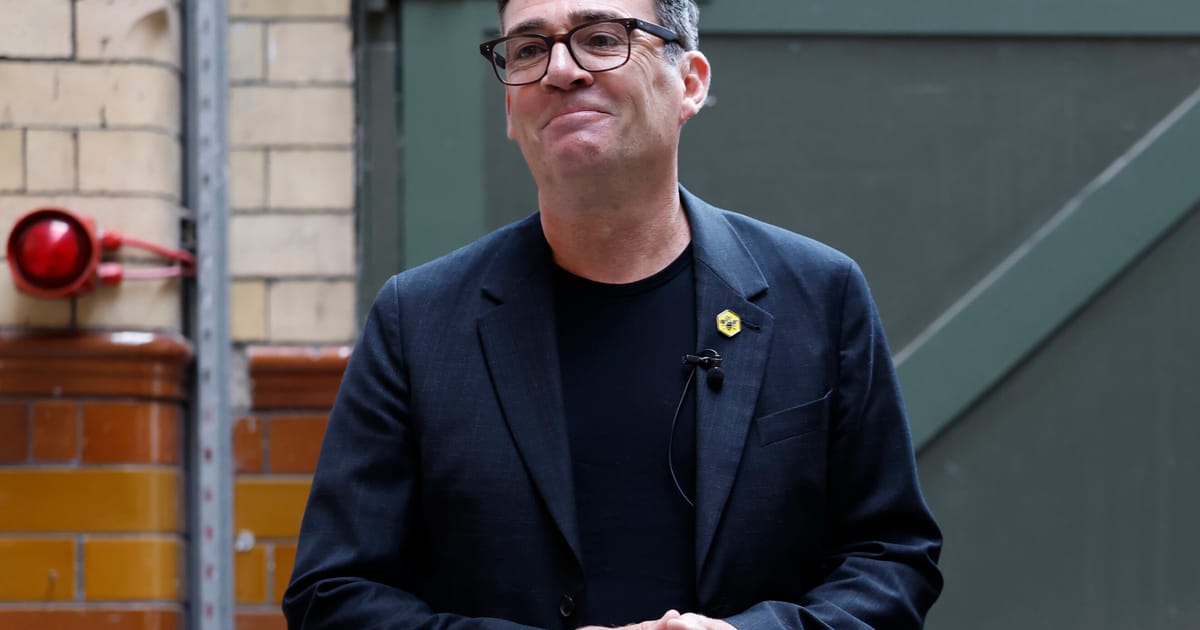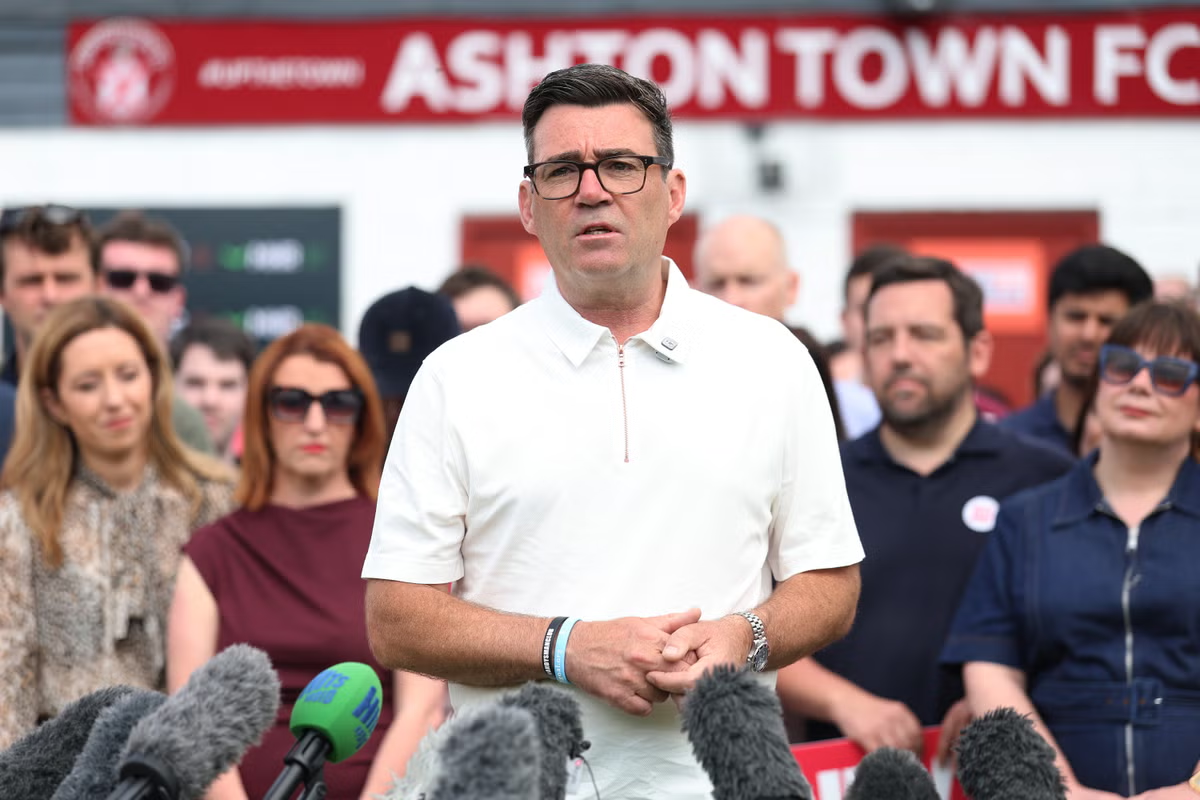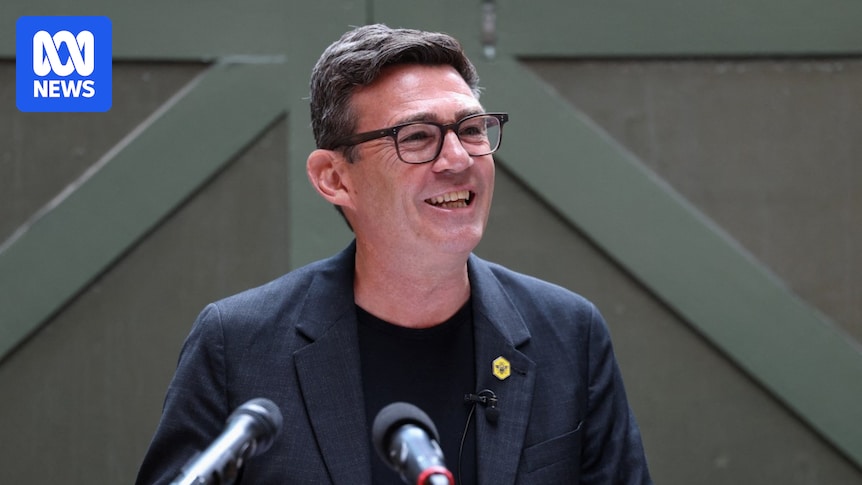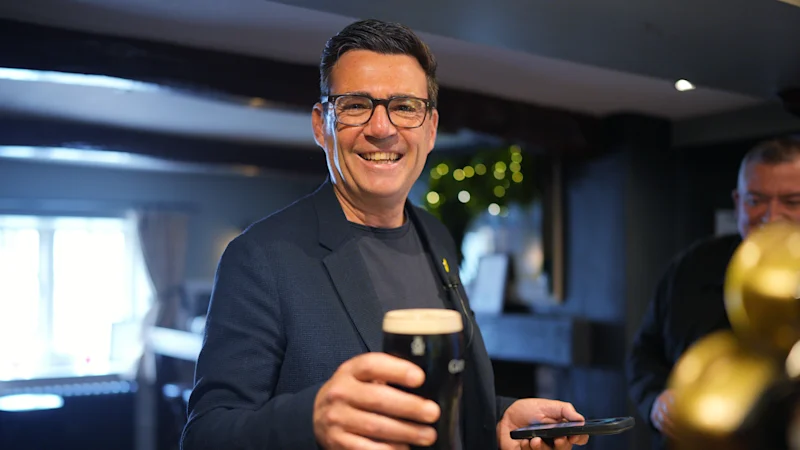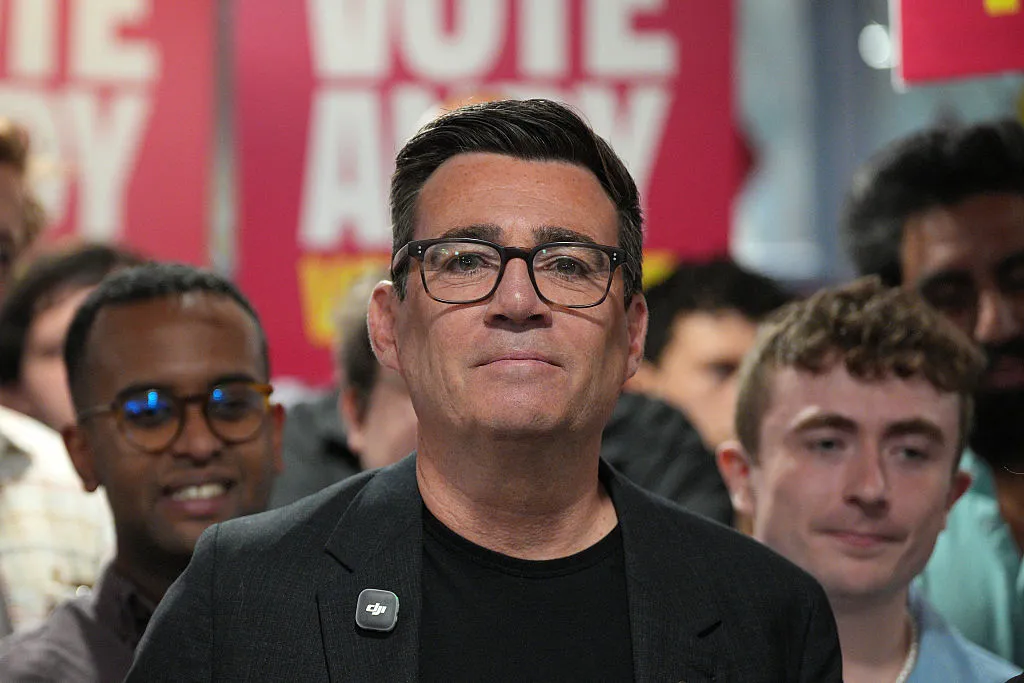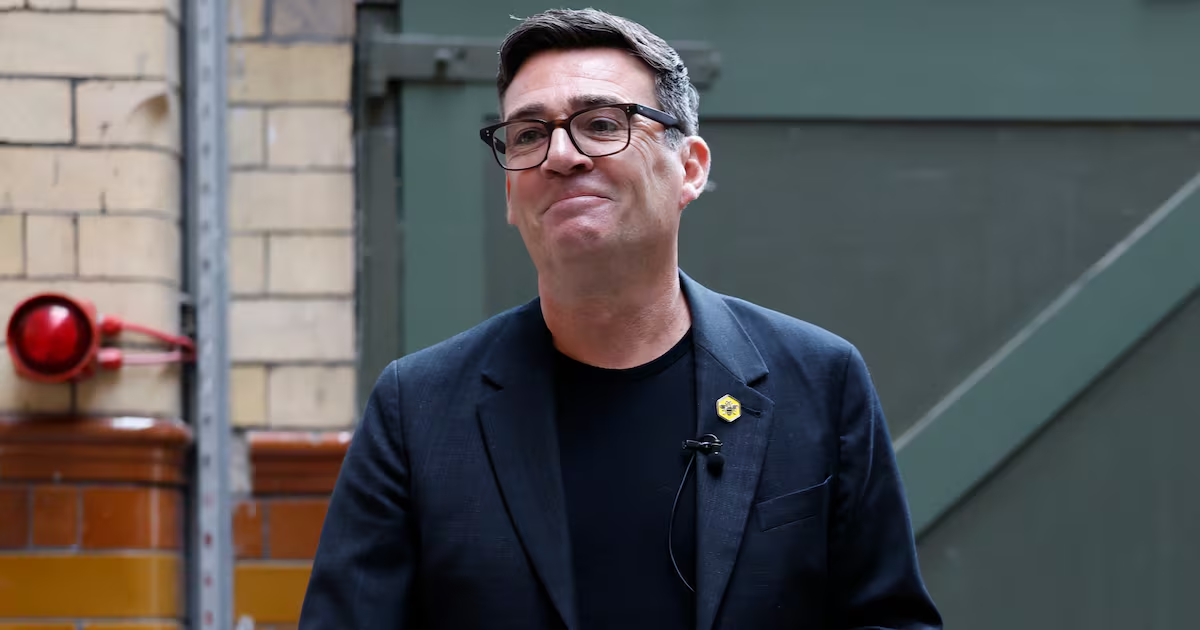
In his first Commons set-piece after announcing his resignation, Keir Starmer was mocked by Tory leader Kemi Badenoch, who said Labour MPs had ditched him “for a pair of eyelashes and a black T-shirt” – a jab at his presumed successor, Andy Burnham.It was a very British political zeitgeist moment, with Badenoch nodding to the politically-unique personal style of the prime minister-in-waiting, who is perhaps the most sartorially-distinct and style-analysed male politician ever in the UK.Yet it was Burnham’s quick riposte on social media that revealed most about his image management, which strives for the appearance of an insouciance so carefully-honed that it can only be strategic.In a five-second selfie video clip headlined “fact check”, he theatrically fluttered his ample eyelashes and panned to his T-shirt. “It’s dark blue actually,” said Burnham as a conspiratorial grin began to crease his face.The clip has 5.6 million views on the social media platform X alone. Badenoch, Britain’s queen of political sass, was ever-so-subtly roasted with her own joke by the man who, in a little over a fortnight, will become her nemesis and opposite number.Burnham’s slick social media output has been a highlight of his drive for Downing Street, ever since the Makerfield byelection that gave him his route to power was called in May. The Badenoch-roasting video was typical of his casual, viral-friendly output.The brains behind his social media strategy is Abby Tomlinson, a digital media specialist who achieved legendary status in the Labour fraternity in 2015, when she started the “Milifandom” campaign. Then a schoolgirl, Tomlinson began making viral videos to boost the image of the party’s then-leader, Ed Miliband, who was a target of the press.Miliband is now one of Burnham’s closest confidants, and a contender for chancellor of the exchequer. Tomlinson (28) later went to work directly for the Labour Party, and was its head of digital content for its landslide victory in the July 2024 general election.[ Are there lessons for Ireland from Andy Burnham’s Manchester?Opens in new window ]She followed Starmer to Downing Street, where she struggled to come up with “organic content” to soften his stodgy image. She left the outgoing prime minister’s team earlier this year, later popping up on Burnham’s team for the Makerfield byelection.The natural, irreverent, casual videos of the former Greater Manchester mayor, which Tomlinson orchestrates, are credited by Labour insiders with helping him to burrow his way into the social media feeds of left-leaning and younger Labour voters.Andy Burnham goes for run near his home in Warrington, United Kingdom in 2026. Photograph: Ioannis Alexopoulos/Anadolu via Getty Images Other videos have focused on his propensity for wearing “short shorts” when he goes jogging past the media camped outside his house. He has made viral videos referencing memes of him being sworn in as an MP to the tune of the same Z Cars music that is the soundtrack when his beloved Everton football team walks out on to on the pitch. He has also held a competition to irreverently judge picture memes of his “Number 10 North” proposal to set up a Downing Street operation in Manchester.Yet in almost every video made by Burnham, his very distinct personal image is to the fore. It is this, as much as his policy pronouncements or political speeches, that defines Burnham in the eyes of much of the British public.When Burnham was a young minister in the Labour governments of Tony Blair and Gordon Brown, he adhered to the traditional Westminster dress code for ambitious men – sharp suits, white shirts, sober ties.Andy Burnham in 2009, when the young minister adhered to the traditional Westminster dress code for ambitious men – sharp suits, white shirts, sober ties. Photograph: Chris Ratcliffe/Bloomberg via Getty Images As soon as he quit the London scene to run for Greater Manchester mayor in 2017, his style immediately changed to a more casual look to better reflect his persona as an English northerner.During the mayoral contest that year, a Twitter account, Andy Burnham’s Hair, was born, with odes to his distinctive dark quiff: “All hair, all the time.” Its followers include Labour MPs such as Dawn Butler.As soon as he quit the London scene to run for Greater Manchester mayor in 2017, his style immediately changed to a more casual look. Photograph: Oli Scarff/AFP/Getty Images Burnham is actually a Liverpudlian, but Manchester was the city of irreverent British rock, 90s “Madchester”, the Stone Roses, Oasis and the Happy Mondays. His stock style now is the black bomber jacket worn with a white T-shirt, or dark T-shirt under a dark blazer style of the centrist Dad types who might still venerate that musical period.Burnham has long crafted his image as “King of the North”. Drapers magazine, the industry bible of the UK fashion retail industry, last month crowned him as “King of the casuals,” such is his love for dad-friendly labels such as Paul Smith and Adidas.There comes his famously rich eyelashes: it is a running joke in Westminster that Burnham’s lengthy black flappers are a big part of his appeal to some women voters.As much as anything, however, his image is defined by the glasses he wears over them.The patchwork of towns and villages that comprise the Makerfield constituency, including Ashton, Hindley and Orrell, were plastered during the byelection campaign with cartoonish posters of Burnham and his characteristic black frames.On Wednesday night, Anneliese Midgley, the wily Knowsley MP who has helped to mastermind Burnham’s push for Downing Street, was cornered at a private drinks event near Westminster by an Italian who claimed that his glasses style needed to change.Midgley looked horrified. “Absolutely no way,” she said. “It’s a part of who he is now. It’s what he’s known for.”Is Britain ready for Downing Street Dad? We may find out on July 20th.[ Messiah Andy Burnham will have to find a Thatcherite steelOpens in new window ]
King of the casuals: What Andy Burnham’s dad-friendly labels say about his push for power
Britain’s prime minister-in-waiting is rewriting the rules of political authenticity, aided by a wardrobe of centrist-dad staples
976 words~4 min read