Geneva convenes an urgent session of the UN Human Rights Council on Friday, an emergency response to what officials describe as an imminent catastrophe in North Kordofan.
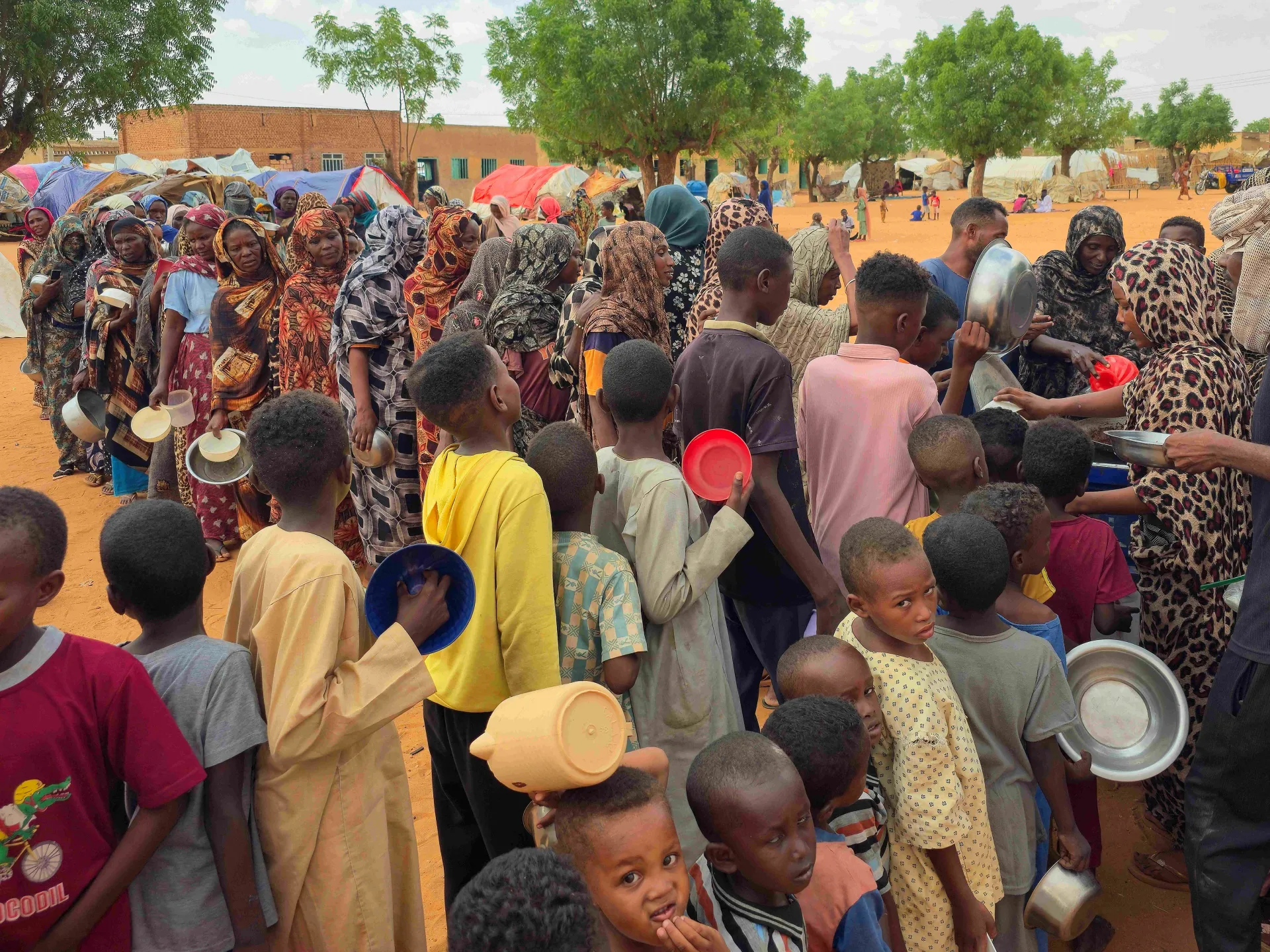
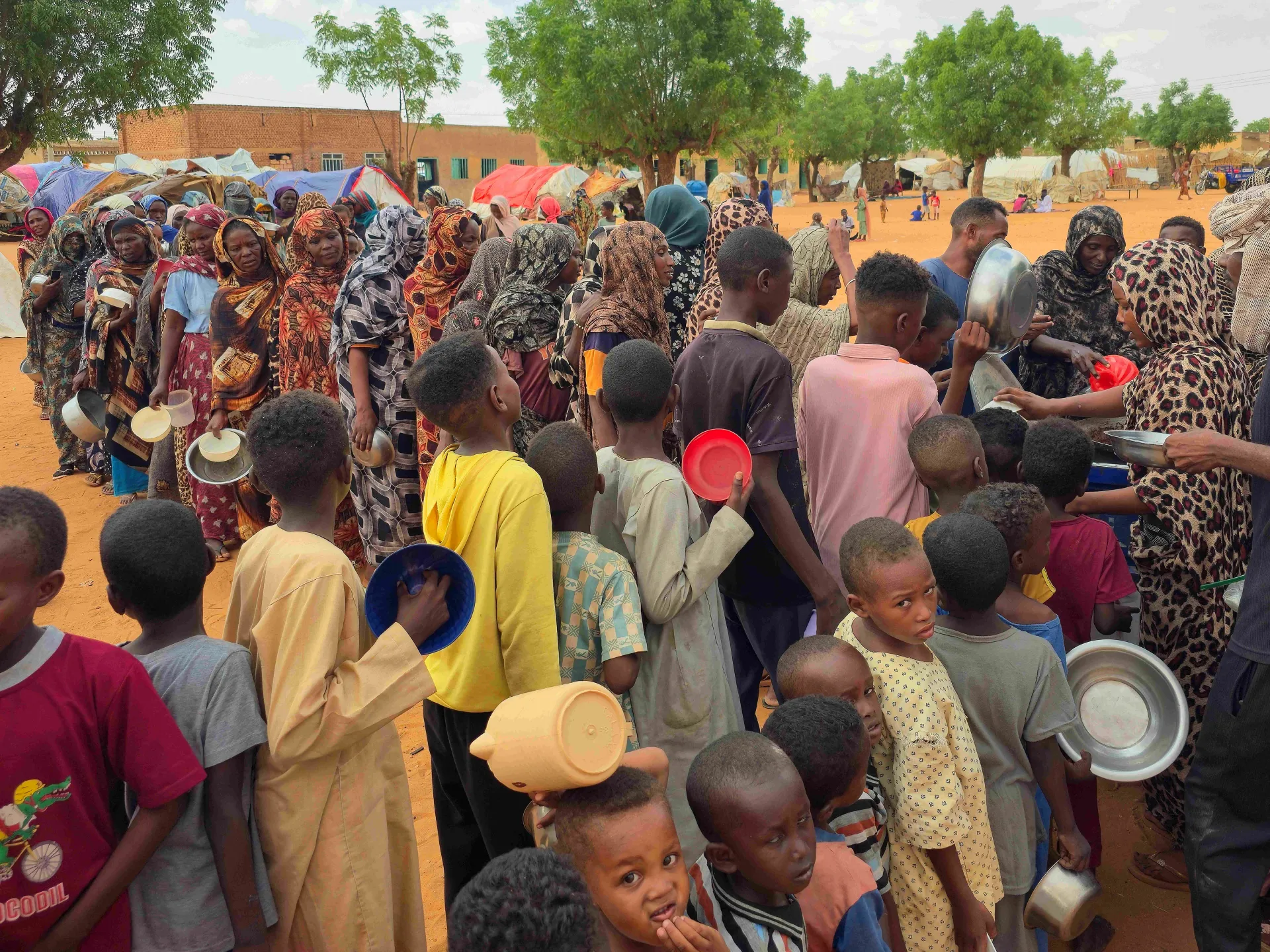
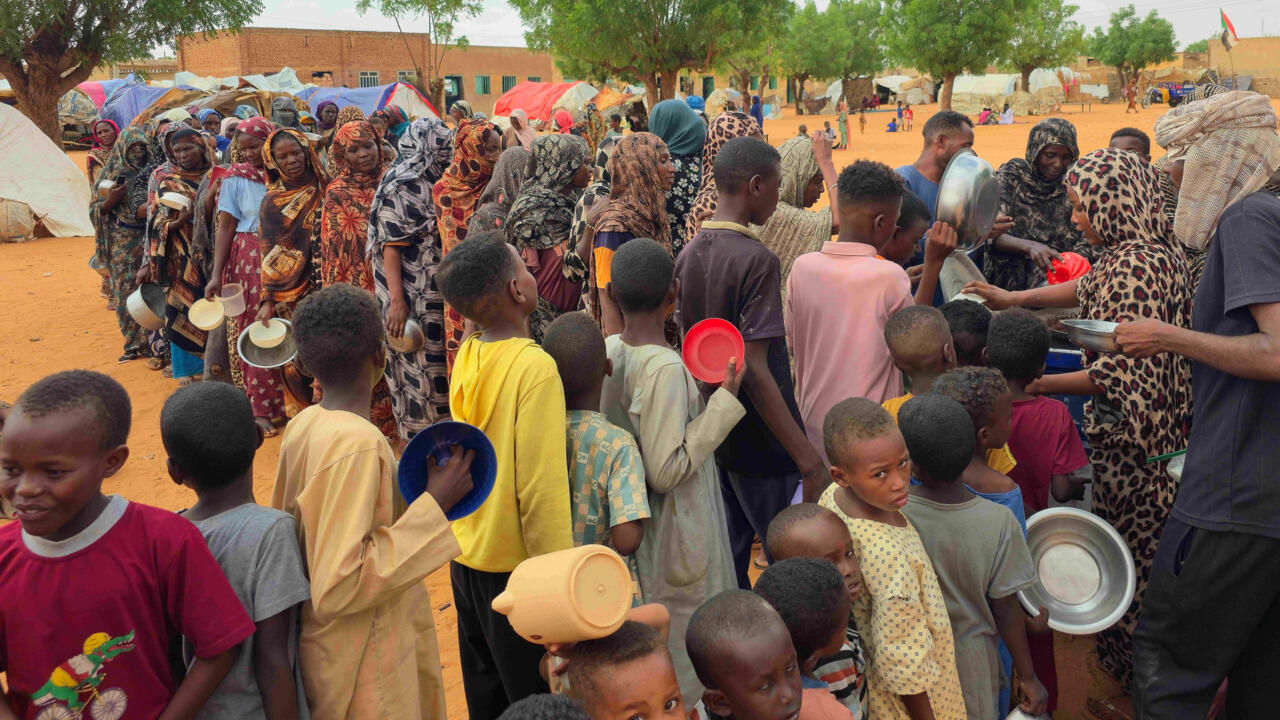
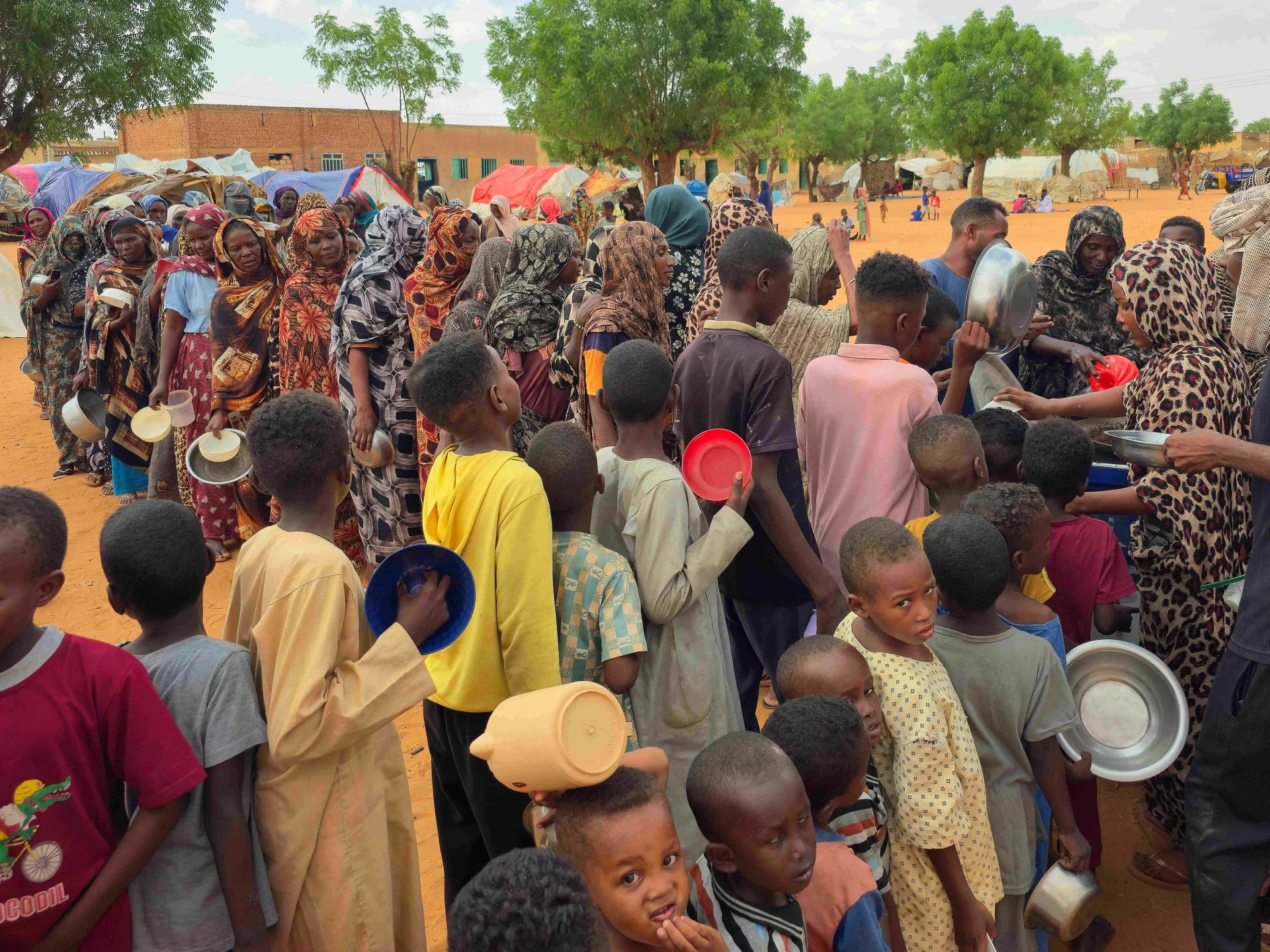
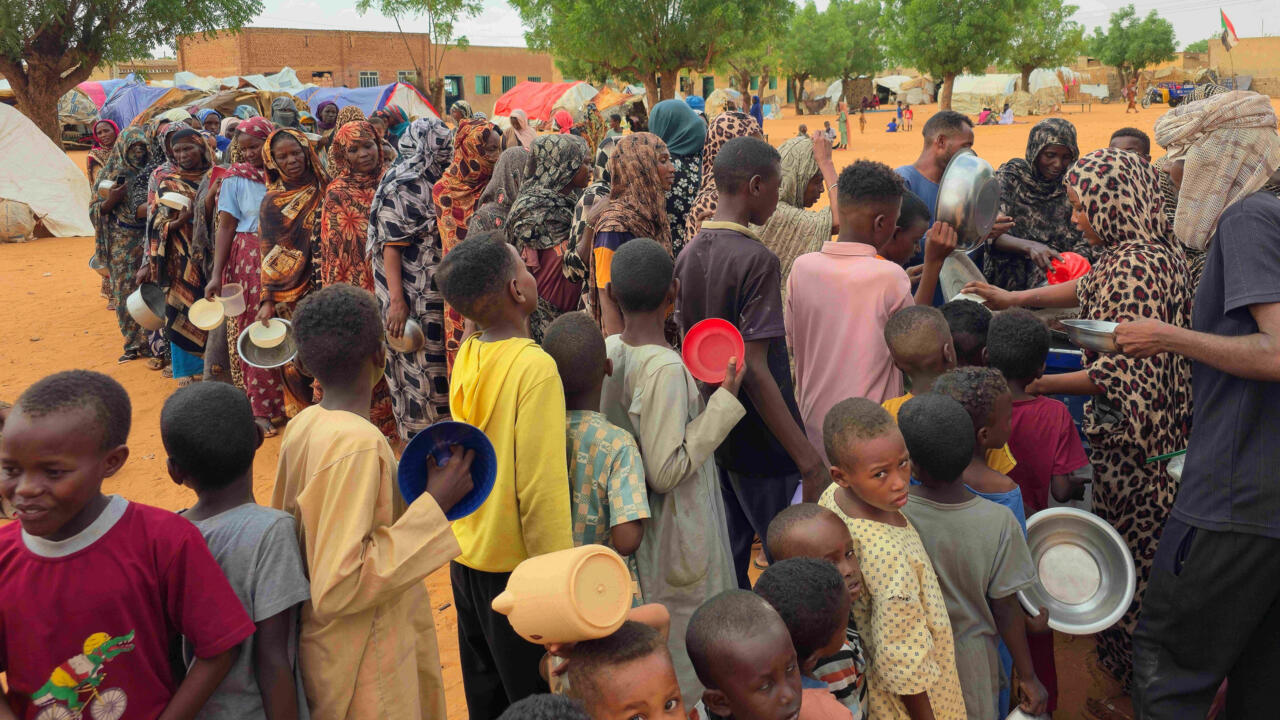
Geneva convenes an urgent session of the UN Human Rights Council on Friday, an emergency response to what officials describe as an imminent catastrophe in North Kordofan. The debate, requested by Germany, Ireland, the Netherlands, Norway and the United Kingdom, comes after warnings that roughly 500,000 civilians in and around el-Obeid face the risk of large-scale atrocities, with drone strikes destroying infrastructure and creating severe fuel and water shortages under siege-like conditions.
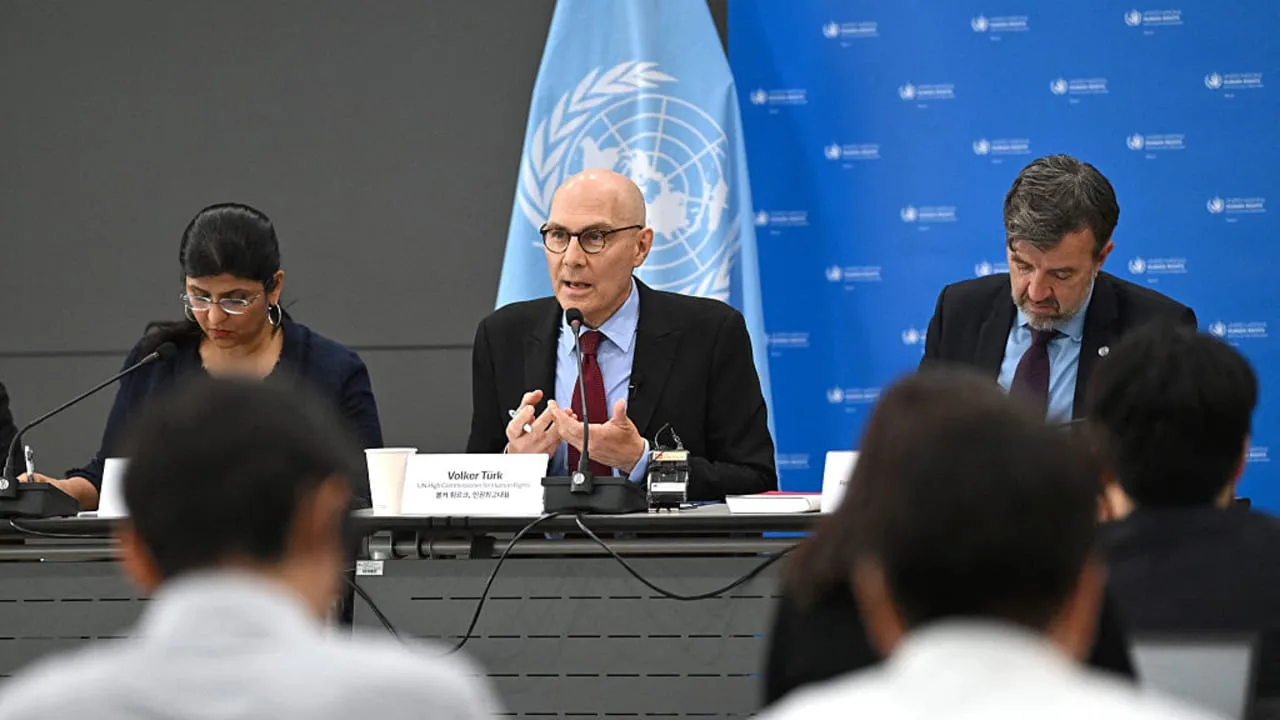
The urgency is not abstract diplomatic language. UN High Commissioner for Human Rights Volker Türk has been blunt about what he fears is coming. Following a significant troop buildup by the Rapid Support Forces around el-Obeid in June, accompanied by intensifying shelling, he warned that an offensive risked triggering fresh international crimes, invoking the memory of North Darfur in 2025 with the phrase "we have seen this playbook before."
That playbook is the fall of el-Fasher, and it offers the clearest comparison available for understanding why Kordofan has become the council's priority. When the RSF overran el-Fasher last year, the army's final stronghold in Darfur, UN investigators later concluded the resulting killings bore the hallmarks of genocide against the Zaghawa and Fur communities. El-Obeid, the North Kordofan capital that sits at the strategic crossroads linking Khartoum to Darfur, has already absorbed roughly seven percent of all recorded drone attacks nationwide, and the army broke a nearby siege at Dilling in January to ease pressure on the city. A draft resolution now before the council notes that el-Obeid has endured conditions resembling a siege for close to eighteen months, with more than twenty drone strikes recorded in the past two weeks alone, several hitting hospitals and water facilities.