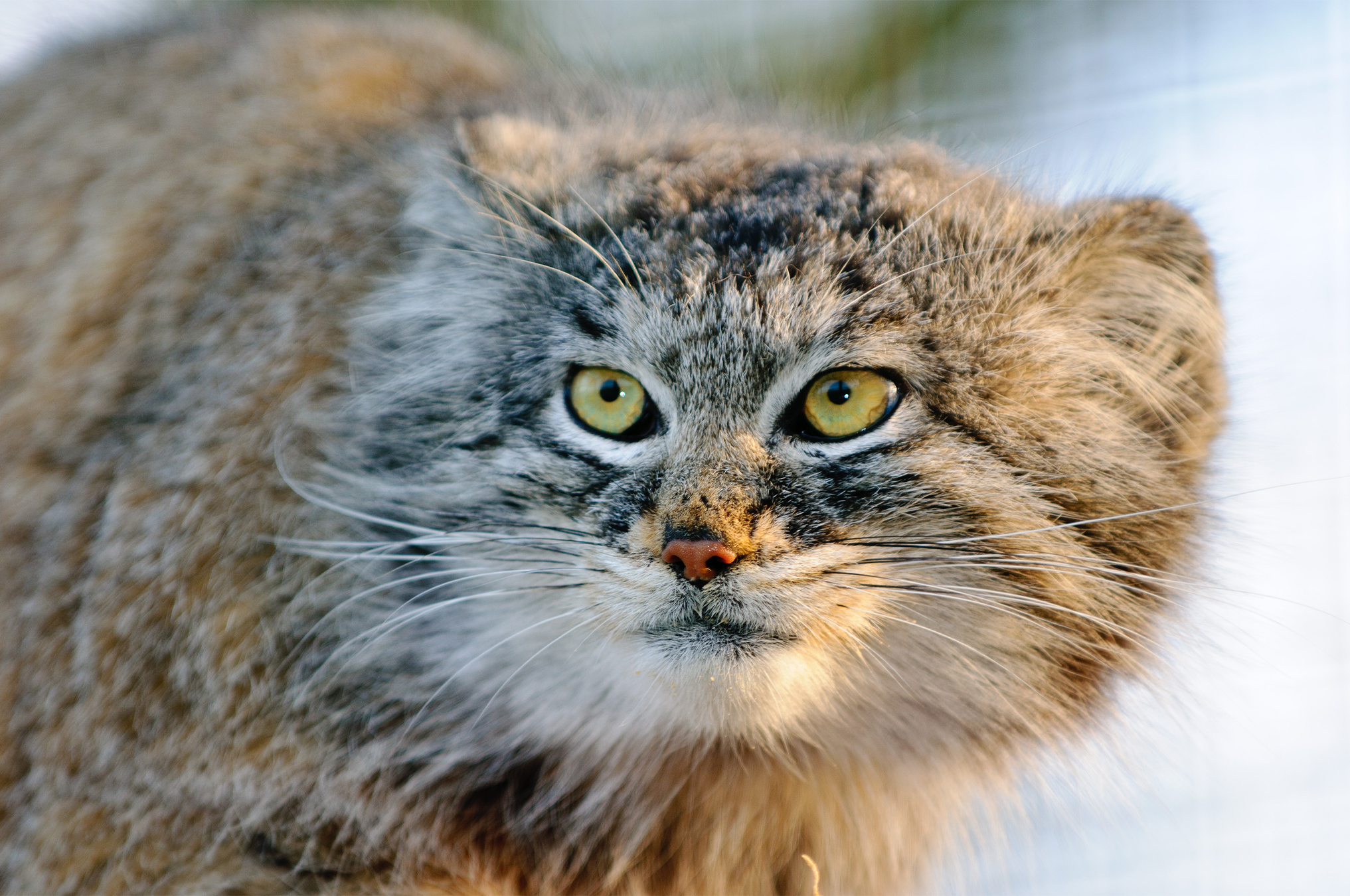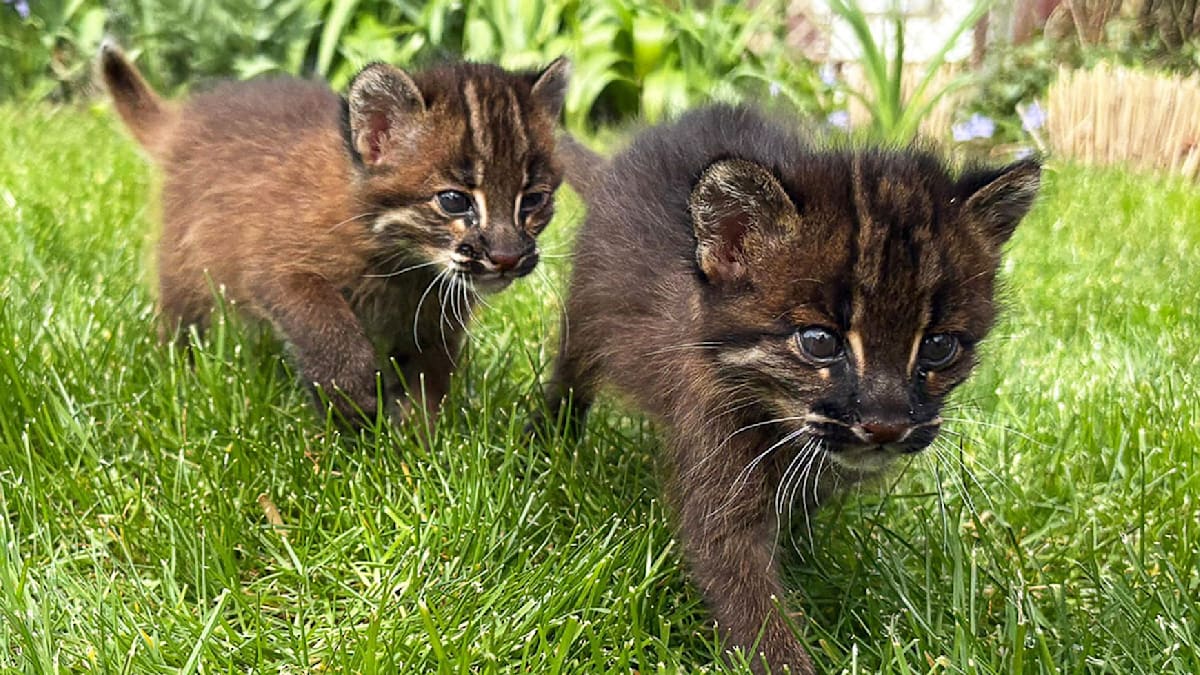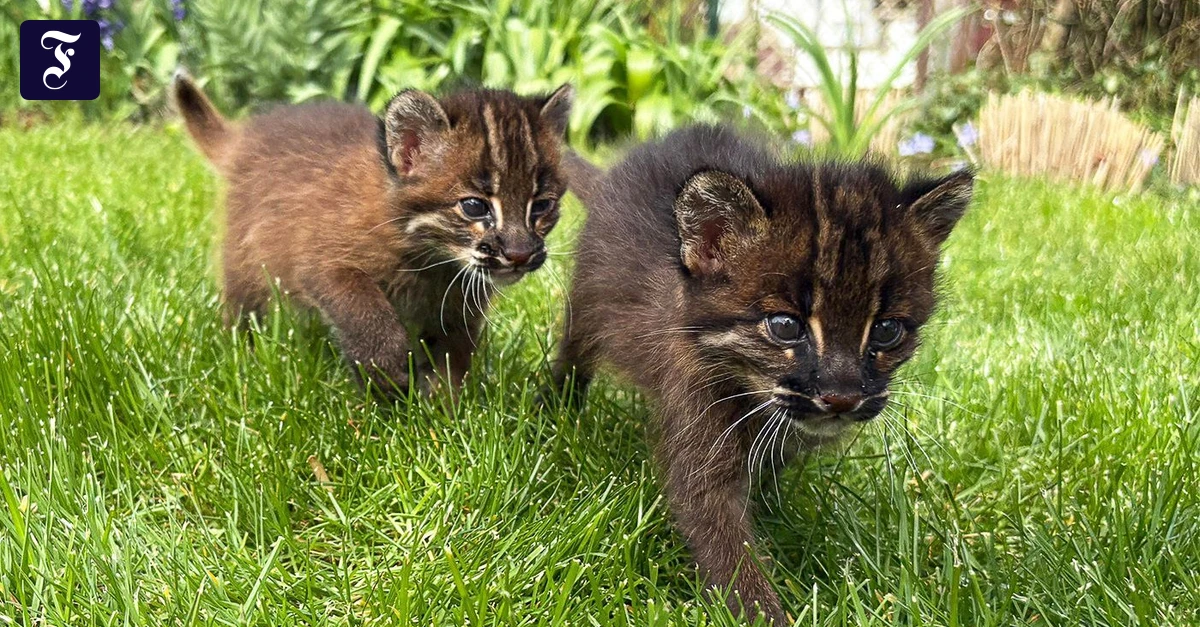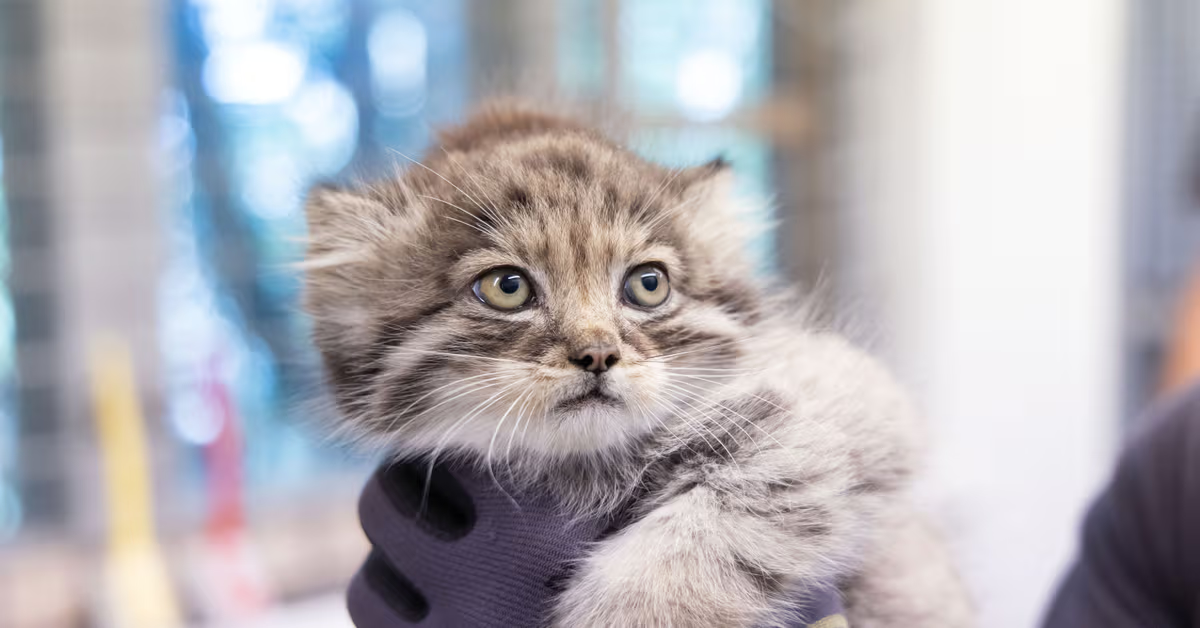
This is the largest litter born so far to Korkeasaari Zoo's "little-known and elusive" species of Central Asian grassland wildcat.The kittens were likely born in May, according to a statement by Korkeasaari Zoo. Image: Annika Sorjonen / Korkeasaaren eläintarhaYle News11:56Three Pallas's cats have been born at Helsinki's Korkeasaari Zoo, the facility announced in a press release.The new arrivals include two female kittens and one male, and they are the third — and largest so far — litter born to Korkeasaari's resident Pallas's cat couple.Pallas’s cats, also known as manuls, are small wildcats native to the grasslands of Central Asia. They are named after the German explorer Peter Simon Pallas, who first scientifically described the species in 1776.According to the zoo's statement, staff first suspected that new kittens had been born when they noticed in May that the female Pallas's cat, known as Mimi, was spending a lot of time in her nest box. They checked the den in June and found the three kittens.Mother Mimi brought the kittens outside for the first time on 26 June. Image: Annika Sorjonen / Korkeasaaren eläintarha"Animal parents are always left in peace to take care of their offspring. The female Pallas’s cat has also made it clear that no help was needed. Whenever a zookeeper entered the area, she immediately slipped into the nest box to protect her kittens," the statement explained.The kittens were given a brief health check but otherwise their care is left to the Pallas's cat parents.The kittens received deworming medication and identification microchips as part of the checkup. Image: Annika Sorjonen / Korkeasaaren eläintarhaTheir older siblings — one from the first litter and two from the second — now live in zoos in Paris, Prague and Sweden.Despite their presence across 16 Central Asian countries, the Pallas cat population is declining due to agricultural expansion, industrial development and dog attacks.Korkeasaari Zoo houses the species as part of an ex-situ conservation programme, which "aims to maintain a healthy zoo population to secure the future of the little-known and elusive Pallas’s cat," zookeeper Jonne Stenroth noted.The new arrivals will live at Korkeasaari under their mother's care until they are about 8-9 months old, after which they will move to zoos attached to the conservation programme.
Pallas's cat gives birth to 3 kittens at Helsinki zoo
This is the largest litter born so far to Korkeasaari Zoo's "little-known and elusive" species of Central Asian grassland wildcat.
372 words~2 min read