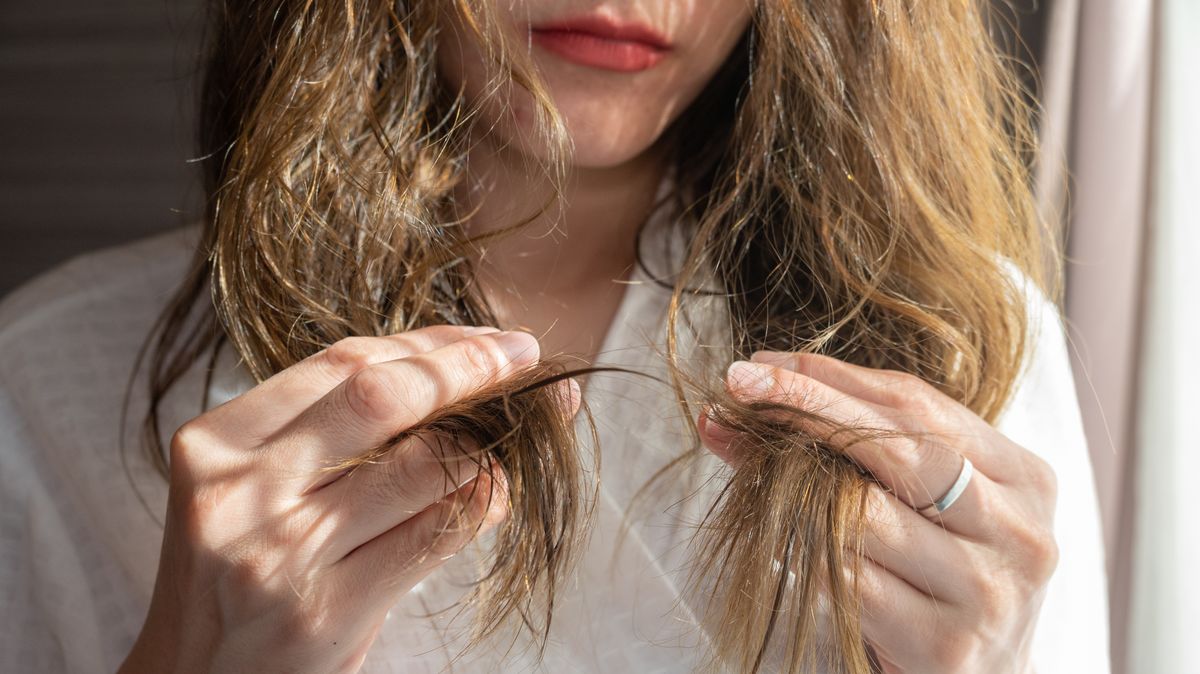
Daily Mail journalists select and curate the products that feature on our site. If you make a purchase via links on this page we will earn commission - learn moreThere’s nothing quite like stepping outside on a warm, humid day only to watch your perfectly styled hair expand before your eyes. While frizz is often blamed on damage, the reality is a little more nuanced. According to celebrity hairstylist Luke Hersheson, even the healthiest hair can become fluffy when moisture levels rise.‘Hair is like a sponge,’ he explains. ‘When there’s moisture in the air, it wants to absorb it. As it does, the hair swells, the cuticle lifts and suddenly all that smooth styling work you’ve done starts to unravel.’ Those with curly, wavy and textured hair are often most affected, as these hair types are naturally drier and more porous, but fine, straight hair isn’t immune either – it simply tends to frizz in the form of flyaways rather than volume.The good news? Frizz doesn’t automatically mean your hair is damaged. ‘Healthy hair can frizz too,’ says Hersheson. ‘Humidity, natural texture, new hair growth and even static can all create frizz.’ While damaged hair may be more susceptible because it’s more porous, he points out that ‘a little bit of movement is often what makes hair look modern and expensive rather than over-styled.’Ahead, Hersheson shares the simple habits and professional tricks he relies on to keep hair looking smooth, polished and humidity-proof.1. End every shower with a cool rinseIt might not be the most luxurious part of your shower routine, but finishing with cool water can make a noticeable difference. Hersheson explains that a cooler rinse helps flatten the hair cuticle before you even begin styling, creating a smoother foundation that’s less prone to frizz.‘It won’t transform your hair overnight, but it’s one of those small habits that adds up,’ he says. Those with thicker, coarser or colour-treated hair are likely to notice the biggest benefits.2. Swap your regular towel for microfibreOne of the biggest causes of frizz happens before you’ve even reached for your styling products. According to Hersheson, traditional towels create unnecessary friction that roughens the cuticle while hair is at its most delicate.‘A normal towel is surprisingly rough,’ he says. Instead, use a microfibre towel to gently absorb excess water, remembering to blot and squeeze rather than rub. ‘Hair is at its most vulnerable when it’s wet, so how you dry it makes a huge difference.’3. Apply styling cream while your hair is still dampTiming matters just as much as the products you use. One mistake Hersheson sees time and time again? Waiting too long after washing before applying styling products.‘People towel dry, wander off to make coffee or answer emails, and by then the hair has already started drying unevenly,’ he says.Instead, apply a lightweight styling cream, such as Hershesons Almost Everything Cream, while your hair is still damp. ‘Hair is most receptive to products when it’s still damp,’ he explains. ‘That’s when you want to apply Almost Everything Cream so it can lock in moisture, smooth the cuticle and create the best base for styling.’He also recommends working a small amount through the mid-lengths and ends before styling, then smoothing any leftover product over the hairline and surface to help minimise flyaways.4. Upgrade your hairdryerAir drying isn’t always the kinder option when it comes to fighting frizz. In fact, Hersheson says leaving hair damp for too long gives humidity more opportunity to wreak havoc.‘Most people don’t realise that drying your hair quickly is actually better than leaving it damp for ages,’ he says. ‘The longer hair stays wet, the more it swells and the more opportunity there is for frizz to develop.’His advice? Invest in a quality hairdryer with concentrated airflow and always use the nozzle attachment, directing the air down the hair shaft rather than blasting it from every angle. If you’re using hot tools afterwards, pairing a straightener with a smoothing cream can also help minimise frizz while boosting shine.5. Work with your natural textureRather than battling against your hair’s natural pattern, Hersheson believes embracing it is one of the easiest ways to outsmart humidity.‘Don’t try to fight your natural texture. Work with it,’ he says. ‘If you naturally have a bend or wave, embrace it rather than trying to force it poker straight.’He explains that styles which complement your hair’s natural movement are far less likely to be undone by humidity. For extra insurance, finish with a tiny amount of styling cream over the surface of the hair to create what he describes as ‘a soft, invisible shield against humidity.’6. Don’t forget your hairlineWhile most people focus on smoothing the lengths, Hersheson says the hairline is often the first place frizz appears.‘People spend ages perfecting the lengths but ignore the hairline, and that’s usually where humidity attacks first,’ he says.His backstage trick? Apply a pea-sized amount of styling cream to a clean toothbrush or mascara wand and lightly brush it over baby hairs around the face. ‘It’s a trick we use backstage all the time because it gives polish without making the hair look set.’7. Go easy on hair oilsIf your instinct is to pile on hair oil whenever frizz strikes, Hersheson suggests rethinking your approach.‘People often think more oil equals less frizz, but too much can actually weigh the hair down without smoothing the cuticle,’ he explains.Instead, he recommends opting for a lightweight cream that smooths the cuticle while still allowing hair to move naturally. ‘A lightweight cream is usually far more effective because it gives control, softness and movement all at the same time.’
The 7 secrets to frizz-free hair in summer humidity
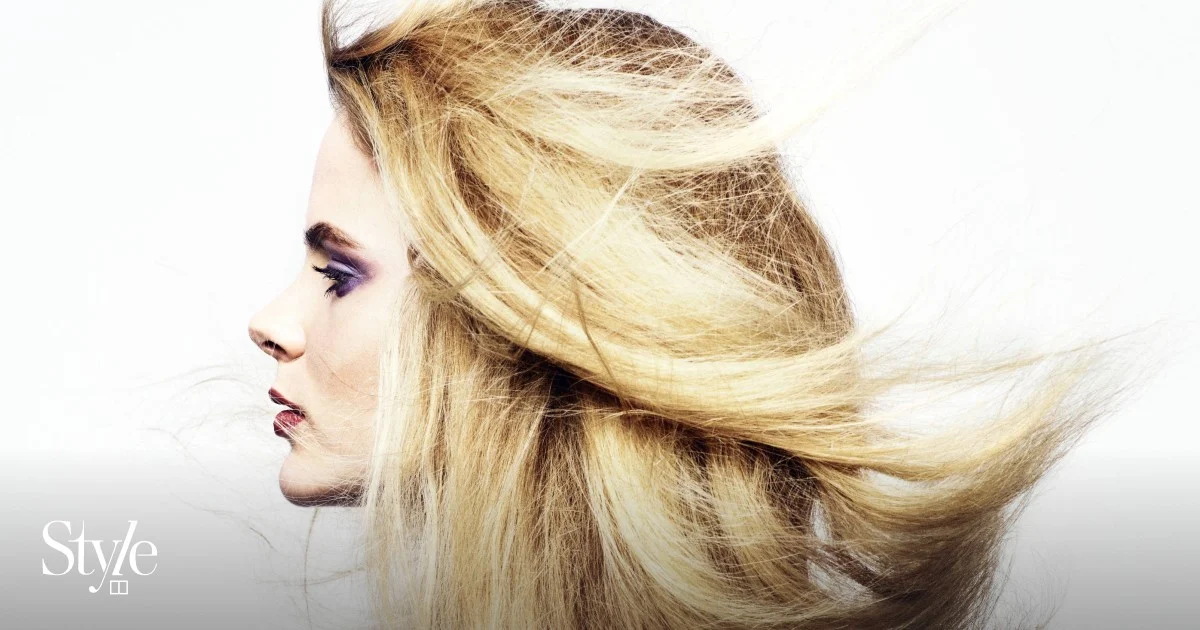
Celebrity hairstylist Luke Hersheson shares seven simple tips to prevent frizz, smooth flyaways and keep hair glossy in summer humidity.
935 words~4 min read