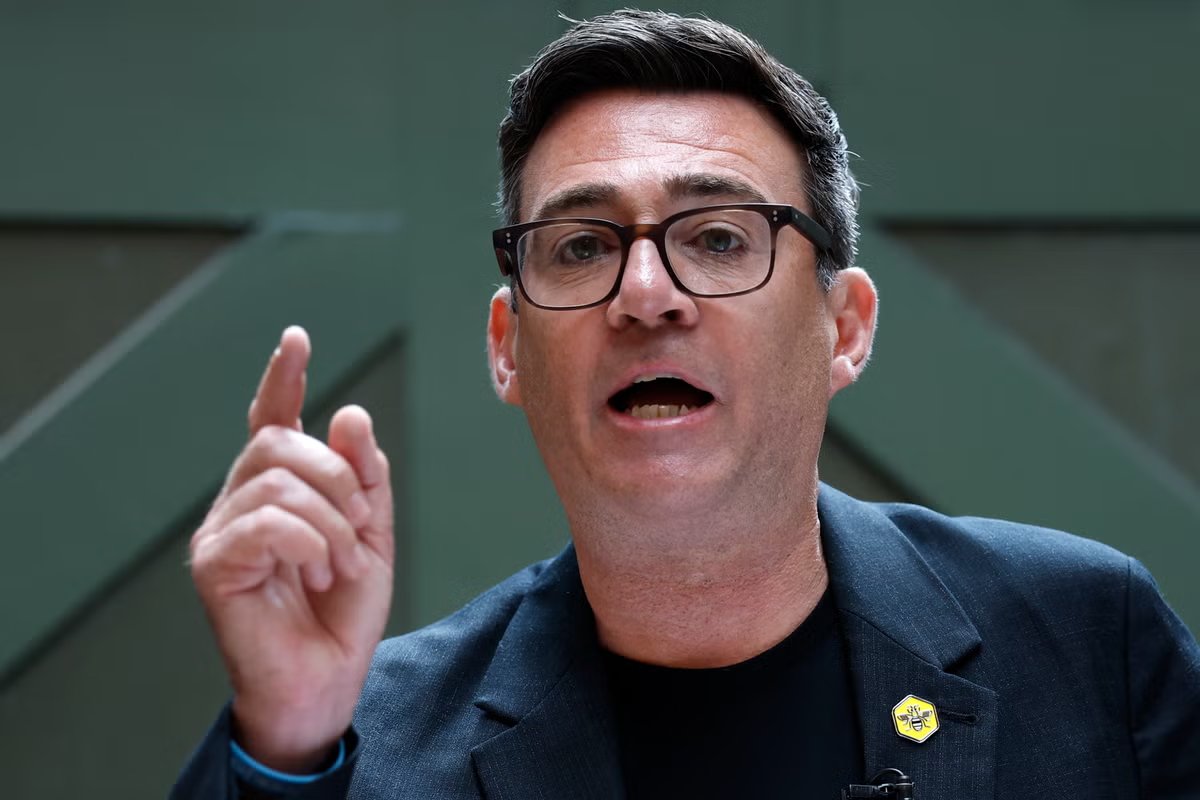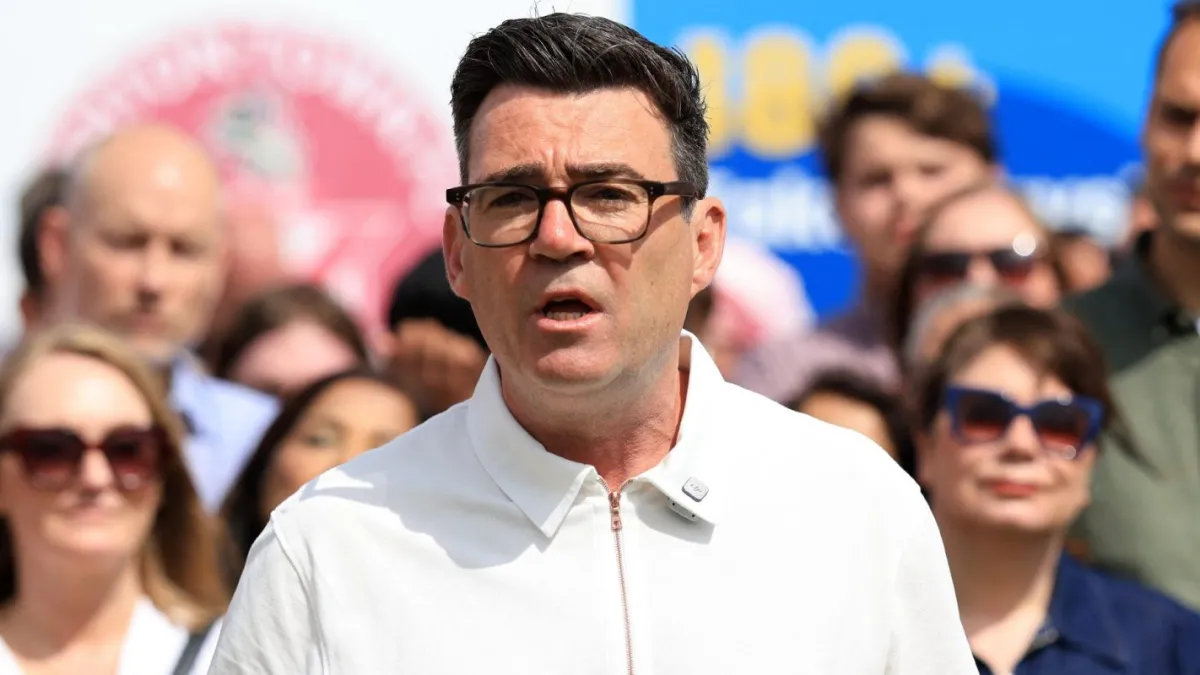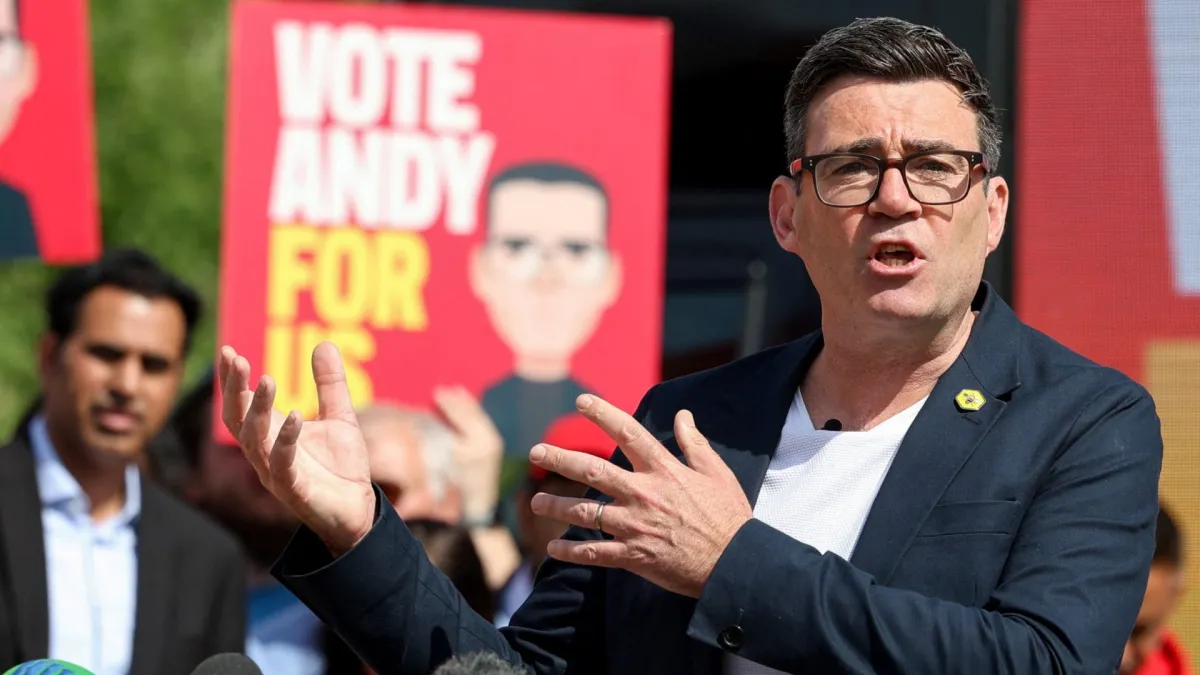
See more Daily Mail on Google - save us as a Preferred SourceBy GREG HEFFER, POLITICAL CORRESPONDENT Published: 11:08 BST, 3 July 2026 | Updated: 11:29 BST, 3 July 2026
Fears are mounting of a fresh Labour tax raid under Andy Burnham after the prime minister-in-waiting said there is 'room' for further levy changes.The former Greater Manchester mayor is almost certain to replace Keir Starmer in Downing Street on 20 July after returning to Parliament at the Makerfield by-election.Mr Burnham is widely expected to shift Labour to the Left and he sparked alarm about a tax-and-spend economic agenda during a radio interview on Thursday night.He said he would 'stick by' Labour's manifesto from the 2024 general election - which promised not to raise income tax, National Insurance or VAT – but insisted there is still 'some room' in the party's pledges for 'movement on tax'.It has raised concerns that Mr Burnham – who will need to immediately find at least £4.7billion to fill a hole in the defence budget left by Sir Keir – will introduce sweeping changes to council tax, inheritance tax and stamp duty, as well as to pensions.But Tory leader Kemi Badenoch warned the level of tax is 'already far too high' under Labour, adding: 'It's killing growth, killing jobs and making the cost of living crisis worse. The only "room for movement" Andy Burnham should have is to cut spending so he can cut taxes.'One tax rise that Mr Burnham has confirmed he is planning is a hike to business rates on the warehouses of online giants such as Amazon, which would fund a 20 per cent cut in business rates for pubs and axe business rates completely for some high street firms.But it is unclear if Mr Burnham – who is still yet to decide who will be his Chancellor – will push for other tax changes he has floated. Fears are mounting of a fresh Labour tax raid under Andy Burnham after the prime minister-in-waiting said there is 'room' for further levy changesAt the launch of his campaign to be Makerfield MP in May, Mr Burnham called for a radical shake-up of property taxes.He said he had 'long been persuaded of the argument for a land value tax' and was 'personally keen to see reform of council tax', which he described as 'highly regressive'.'I see a big case for land and property and business taxation to be changed,' added Mr Burnham, who has previously suggested a 'land value tax' could also replace stamp duty.Such a change could increase taxes on homeowners in parts of the country – such as London and the South-East – where land is more valuable, while reducing charges in areas of the country where it is cheaper.During his by-election campaign, Mr Burnham also said he 'wouldn’t flinch' from looking again at inheritance tax in order to 'fix' social care.He has long advocated replacing inheritance tax with a 'care levy' to fund a national care service.Mr Burnham's assertion that there is 'some room' in Labour's manifesto for 'movement on tax' has revived speculation he will seek to equalise capital gains tax with income tax bands.Capital gains tax, which is levied on the profit made when selling an asset, is currently taxed at a maximum rate of 24 per cent – below the 40 per cent higher rate of income tax.It has been reported that Mr Burnham is mulling a capital gains tax raid to fund plans to axe most green levies from energy bills and to pay for them from general taxation instead.Such a move could also be extended to water bills, public transport or social housing costs as the would-be prime minister looks to fulfil a pledge to 'make life more affordable for people'.Mr Burnham has pledged to keep the triple lock on state pensions in place as part of his commitment to Labour's manifesto.This is despite two of his economic advisers – Richard Hughes, the former chair of the Office for Budget Responsibility, and Jim O'Neill, a former Treasury minister – having previously spoken out against the triple lock, warning that it is unsustainable. Another of Mr Burnham's economic advisers – Andy Haldane, the former Bank of England chief economist – recently called for pension tax relief to only be offered to savers who are prepared to invest in Britain.