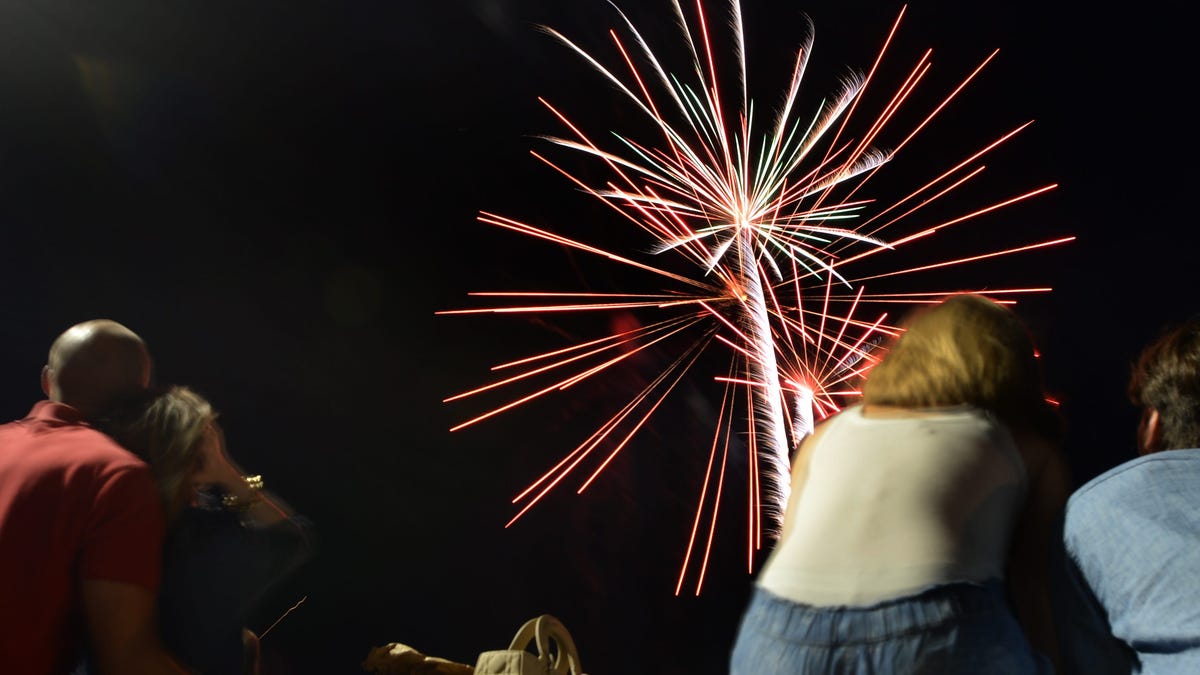
Barefoot on the wooded shore of Alabama’s Lake Martin, 9-year-old Edward tipped back his head, mouth agape with awe, as fireworks exploded overhead, their echoes reverberating through the towering pines around him.
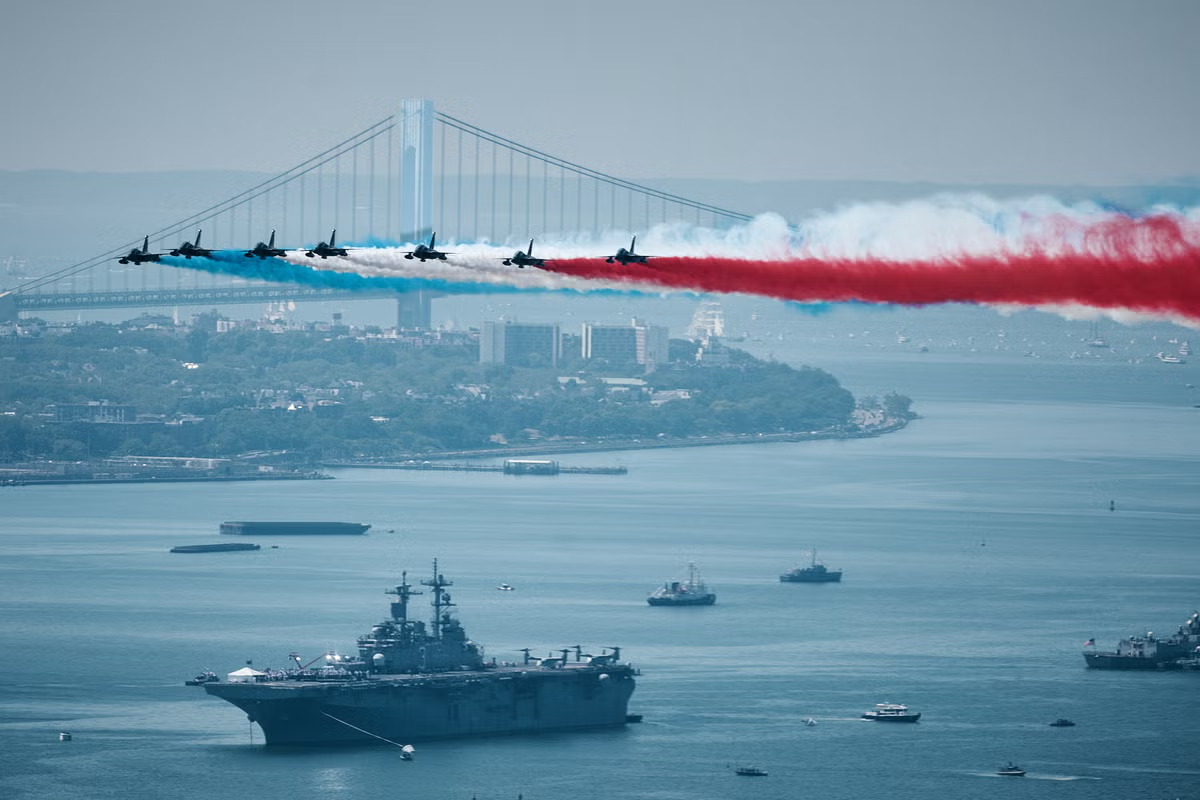
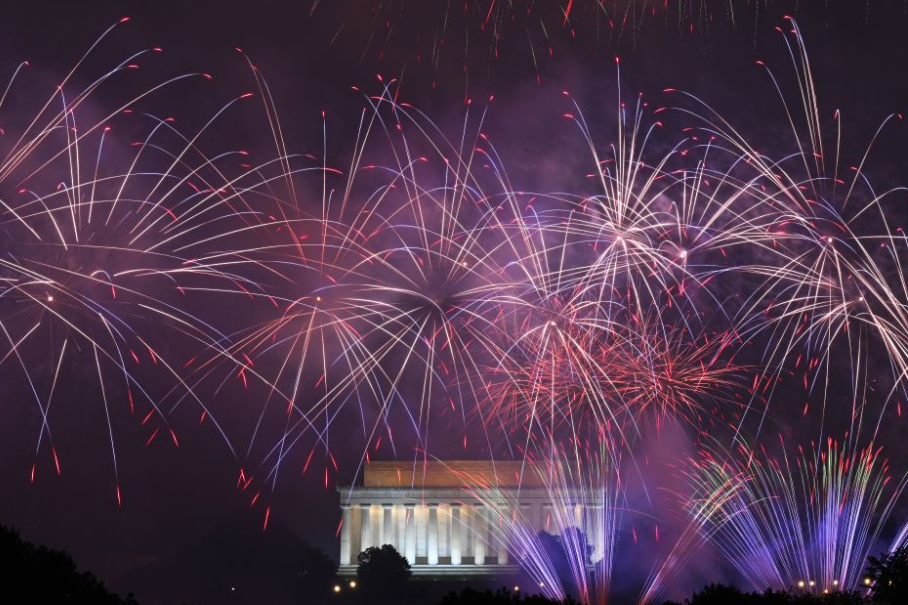
It was the United States’ bicentennial, a Fourth of July unlike any the young boy – or the rest of the country – had ever seen. The US was bruised by Watergate, the Vietnam War and stubborn economic turmoil that summer of 1976, yet the union marked its 200th birthday with a spectacle of pyrotechnics, parades and patriotic pageantry that seemed to insist America still believed in itself.
Edward remembers the reek of smoke that settled into his dark blonde hair, combed neatly over the top of his head, from the sparklers he waved at his squealing cousins while firecrackers reflected across the lake next to their grandparent’s cabin. Wrapped in red, white and blue, and with fine-grain sand wedged between his wriggling toes, Edward didn’t want the night to end.
Fifty years later, his military haircut glistens with silver from a lifetime serving in fatigues. But this Fourth of July, Edward plans to stay home.
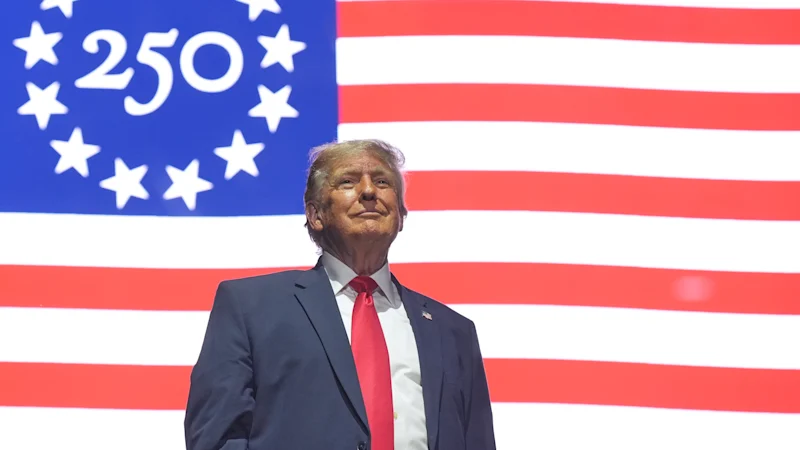
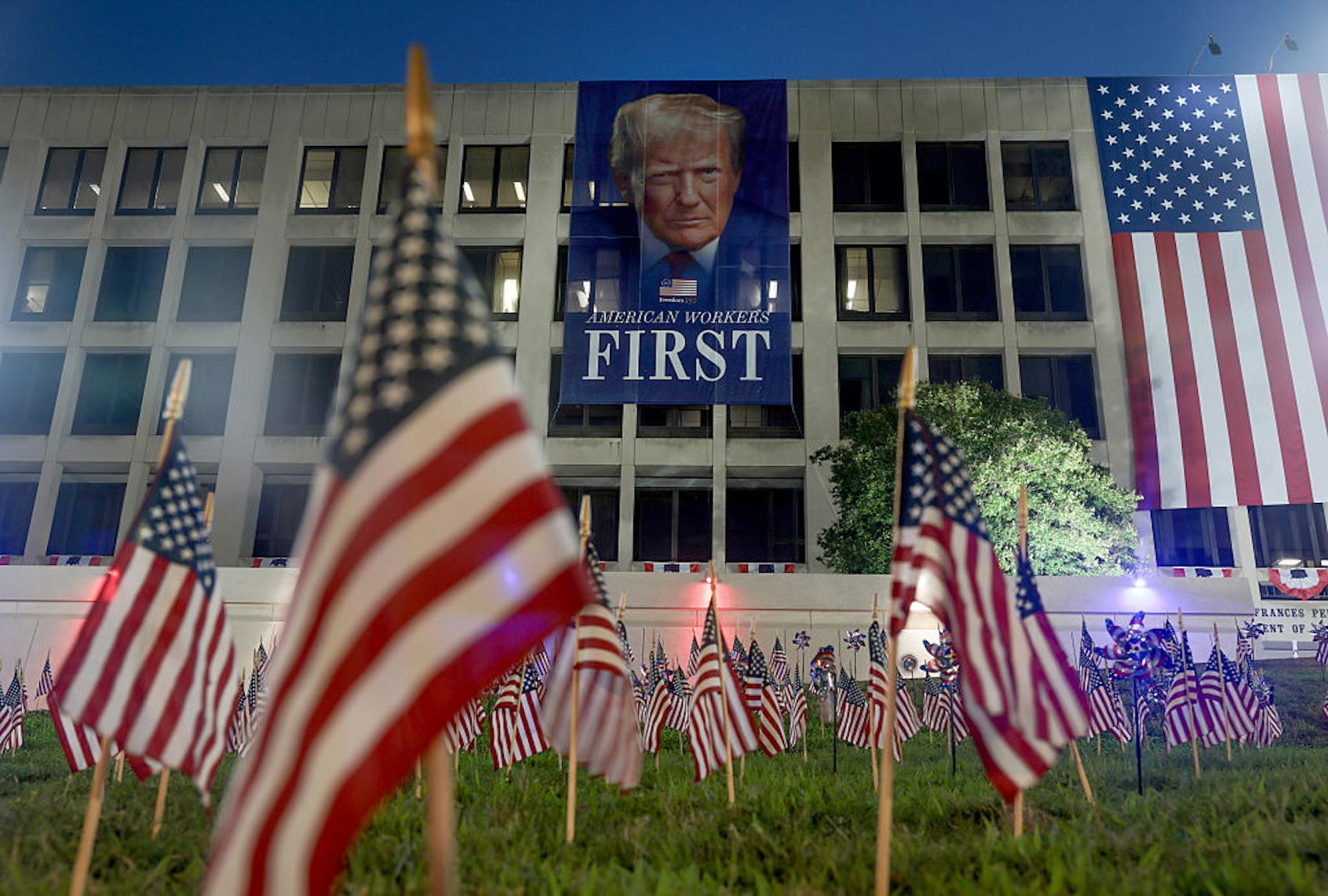
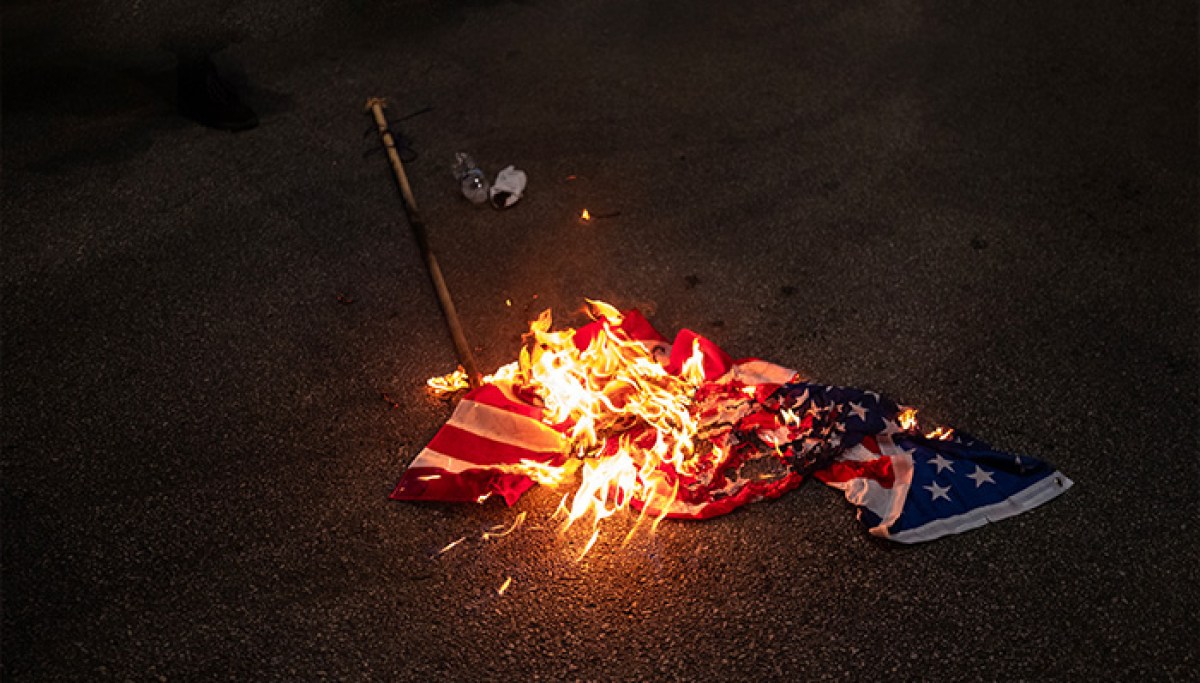
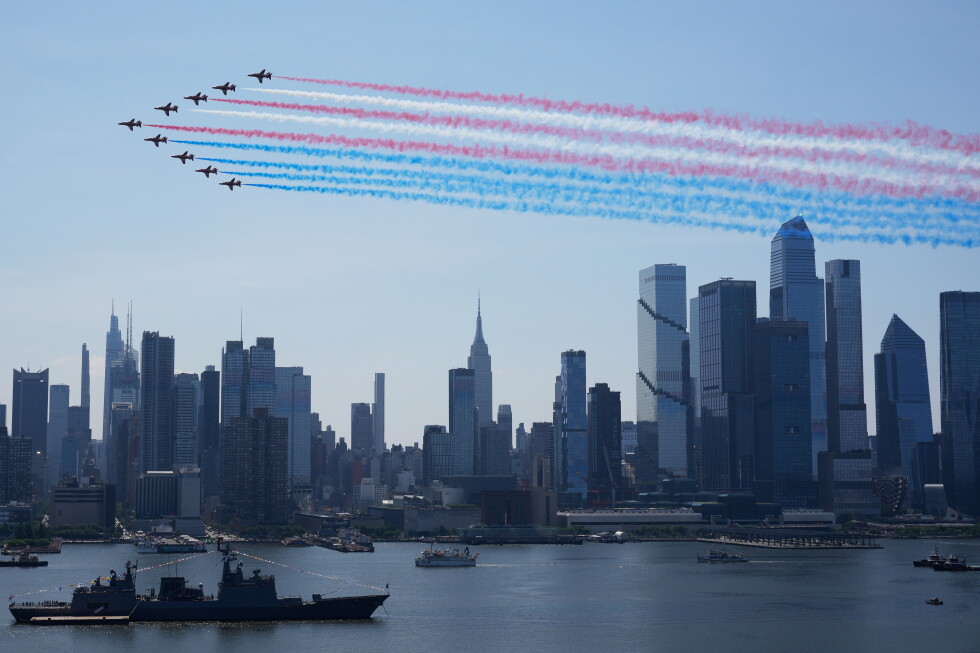
Across the country, a similar story is quietly unfolding beneath the fireworks and fanfare of America’s semiquincentennial.