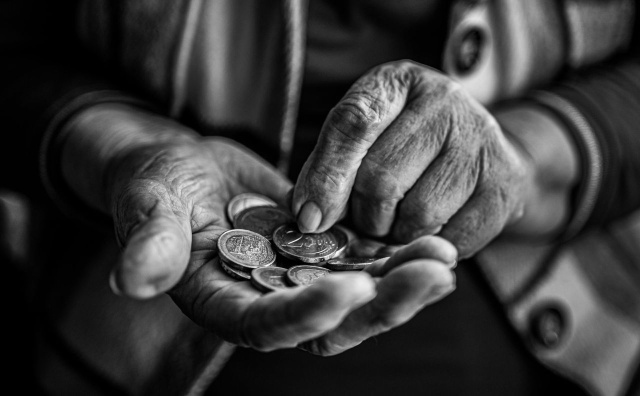
Pension income is lower than late-career earnings across European countries. In the EU, a person who earned €100 between the ages of 50 and 59 would receive €58 in pension income between the ages of 65 and 74 in 2023, according to Eurostat.
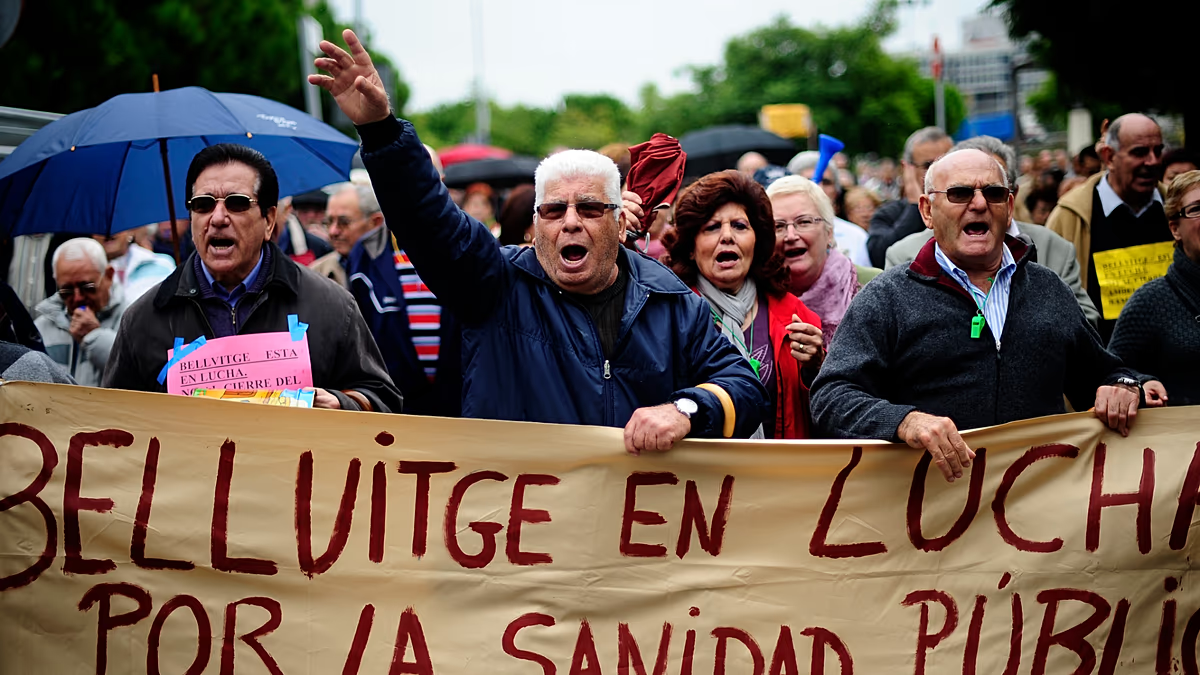
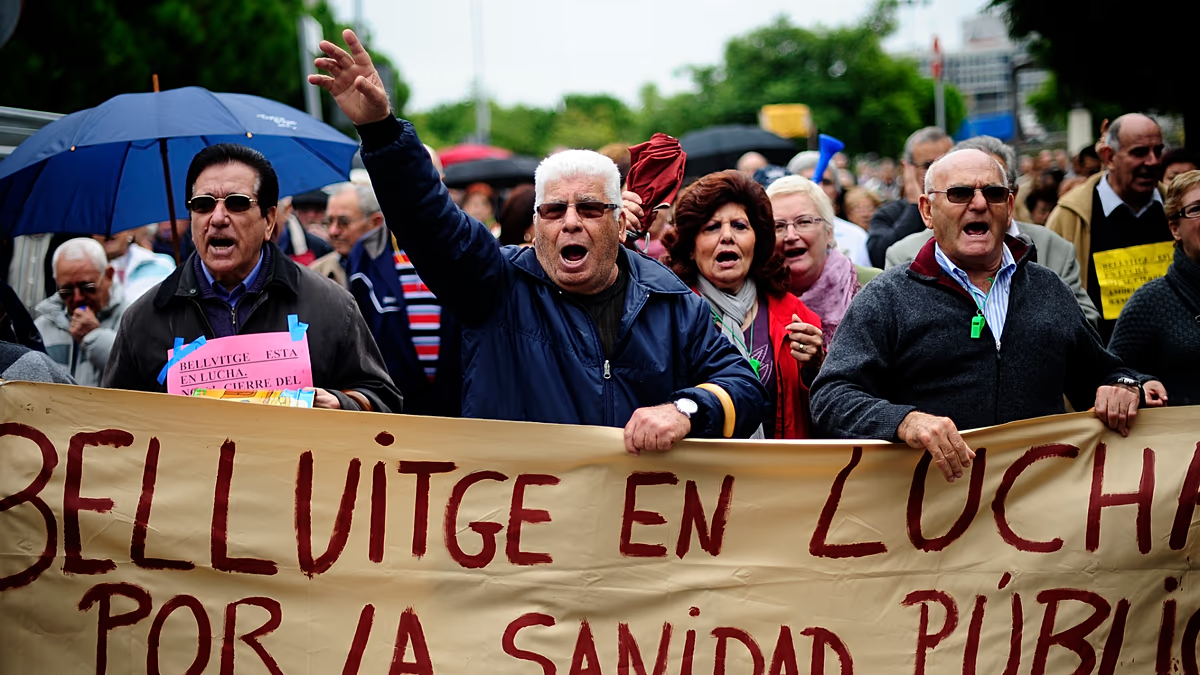
This makes it difficult for many older people to maintain their standard of living after retirement. Nearly one in six pensioners are at risk of poverty in the EU.
Several pensioners continue to work after retirement. Their reasons vary. The main reason is enjoying work and remaining productive (36.3%), but financial necessity (28.6%) is also a major driver.
So, in which countries do retired people continue to work after receiving an old-age pension? And in which European countries is financial necessity the biggest driver?
In 2023, the most recent data available as of 2026, 12.9% of people in the EU continued working during the six months following receipt of their first old-age pension.