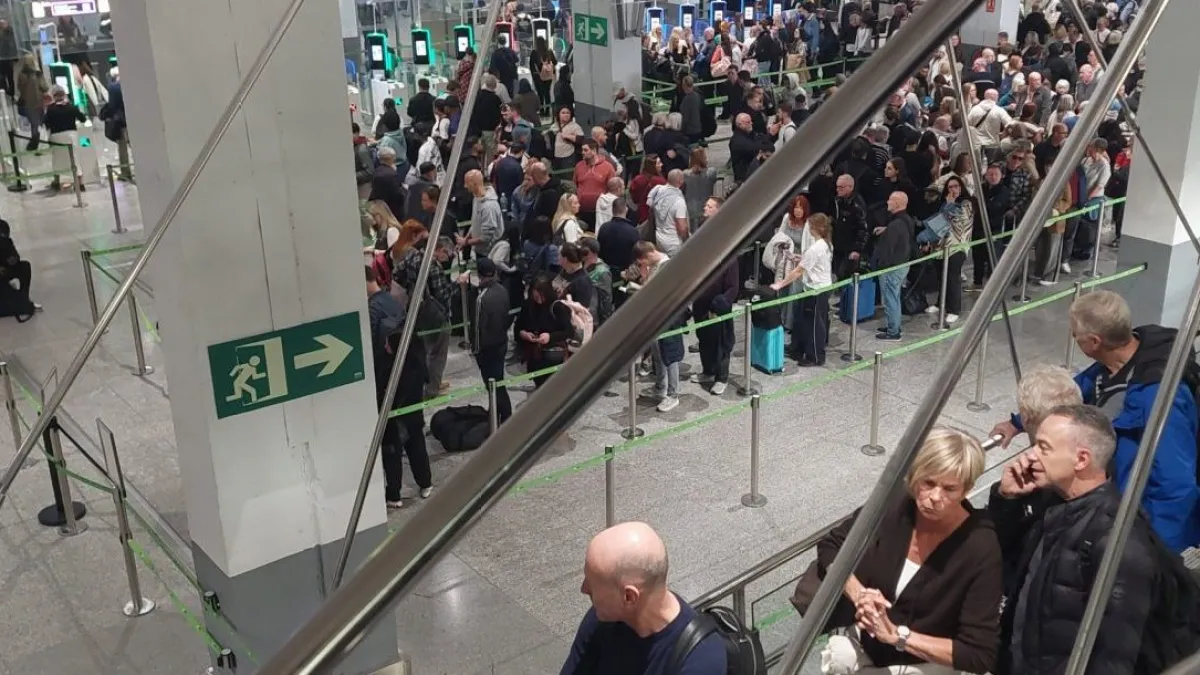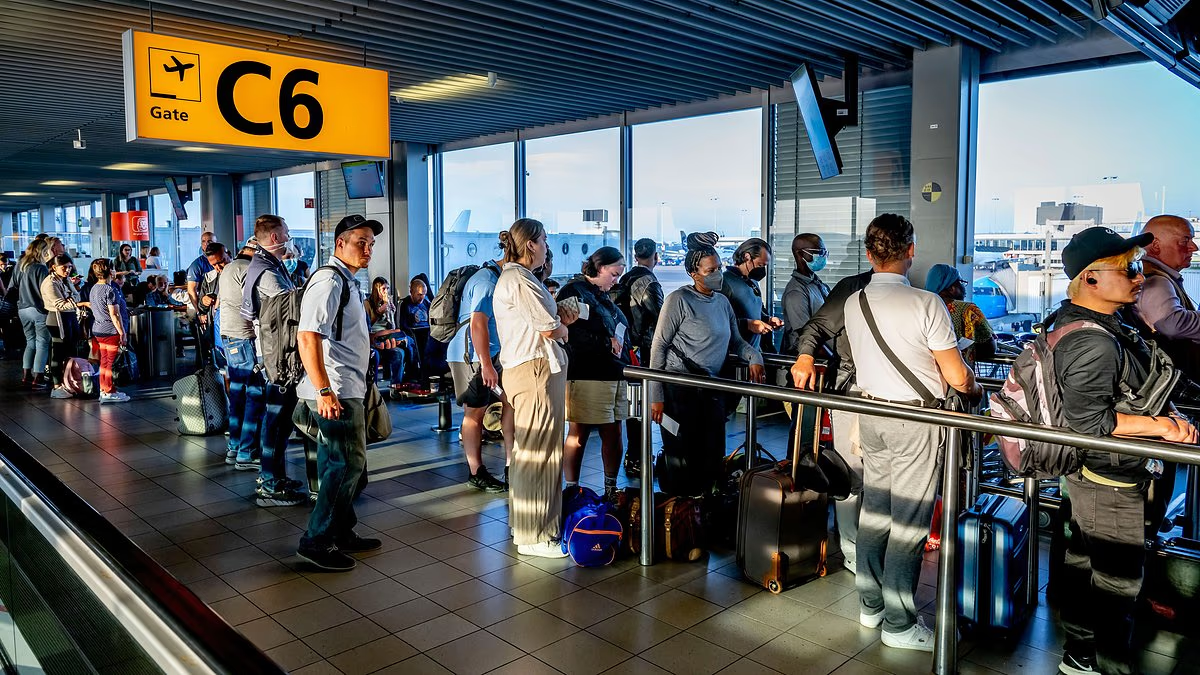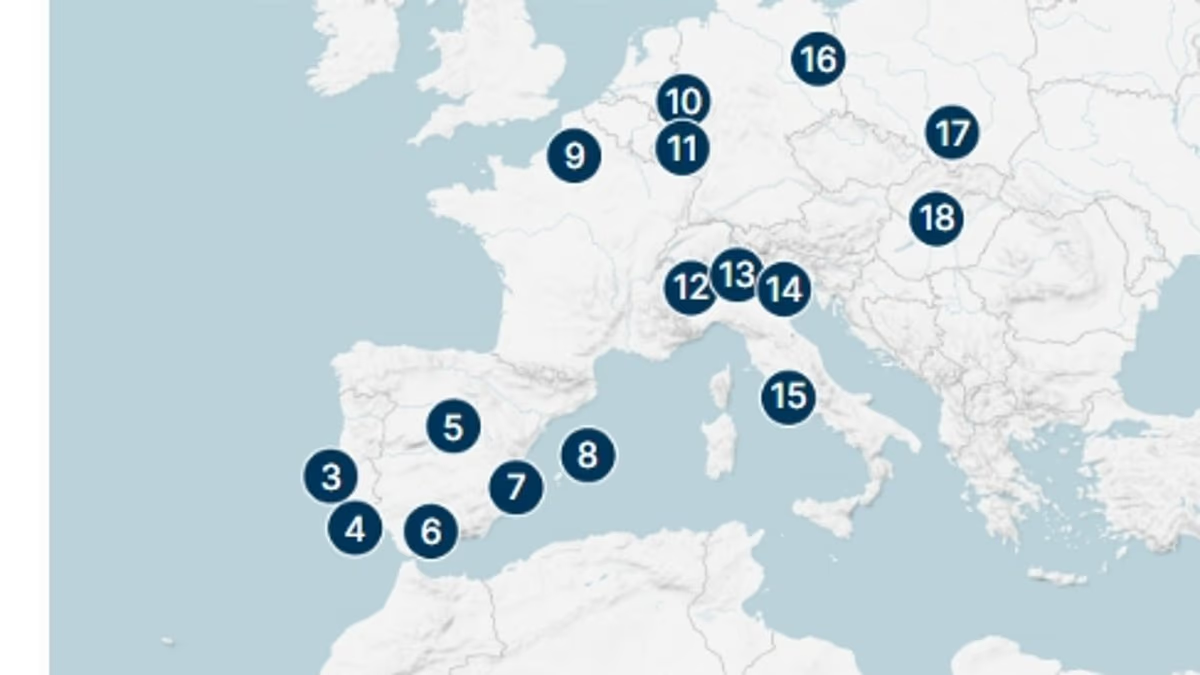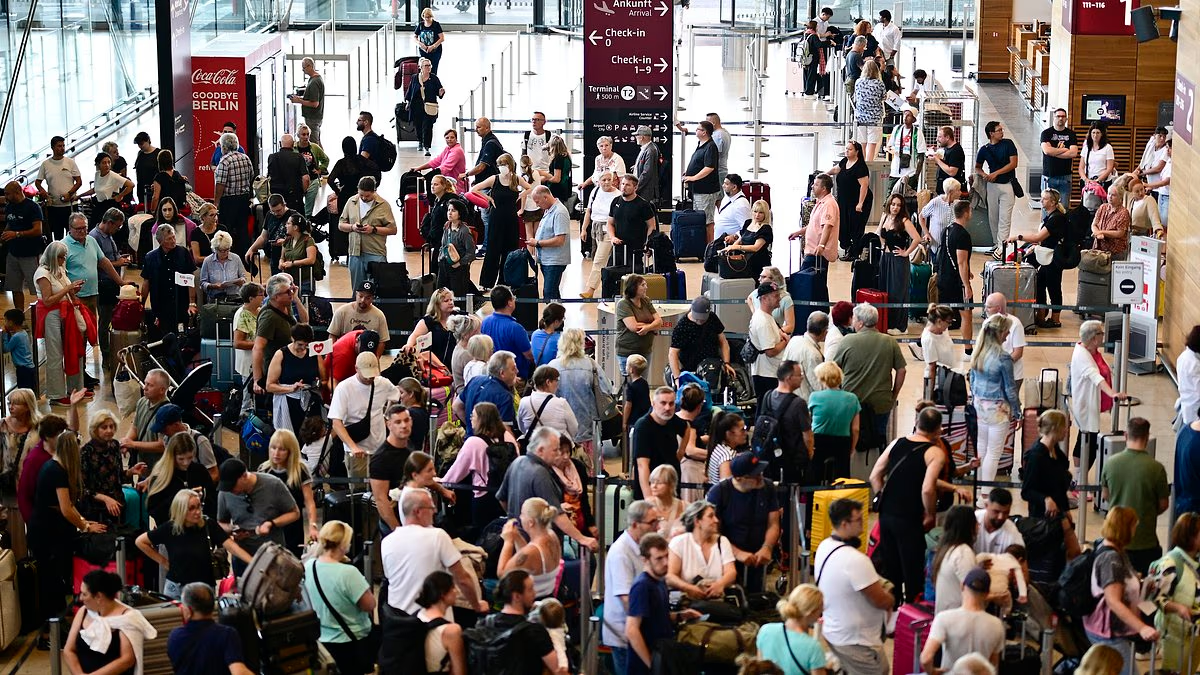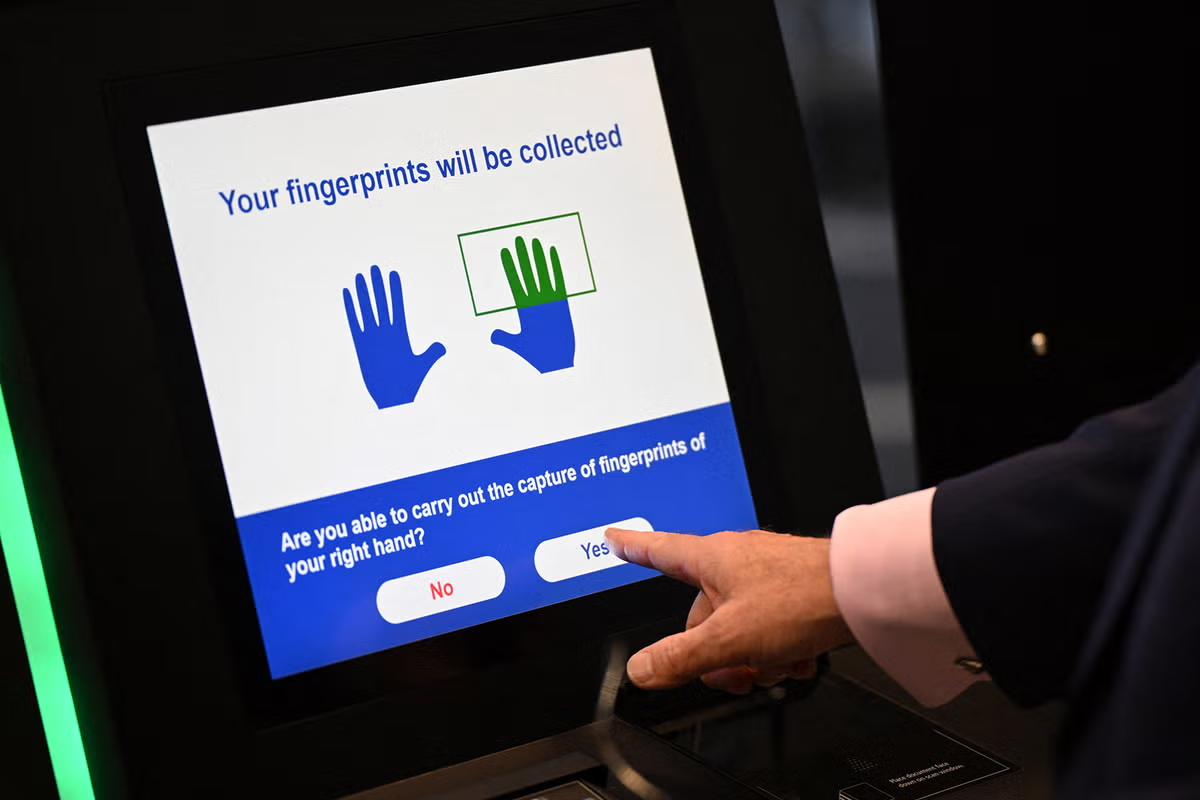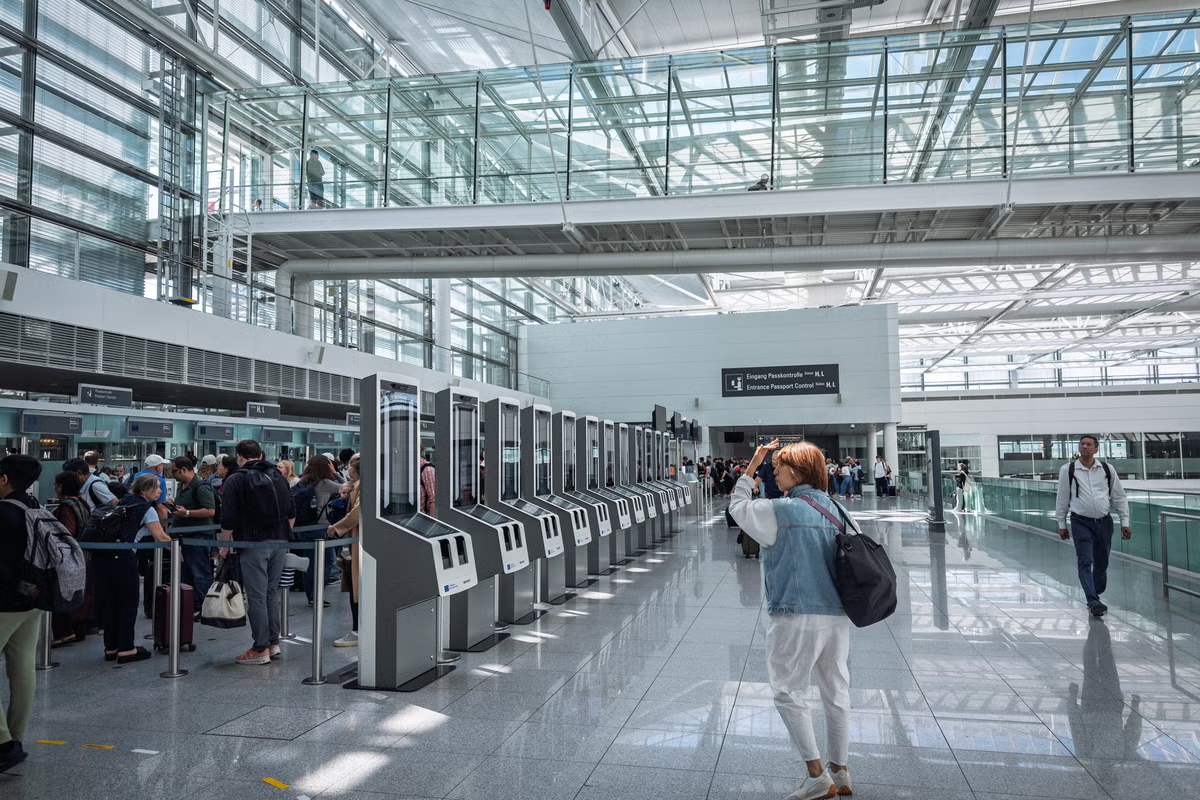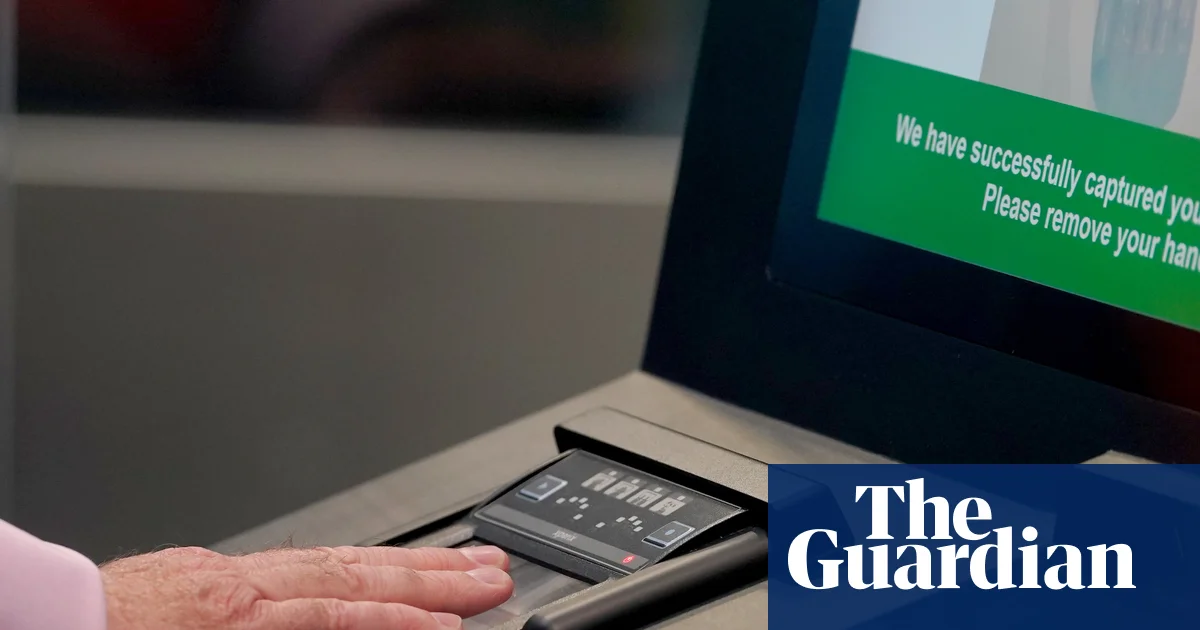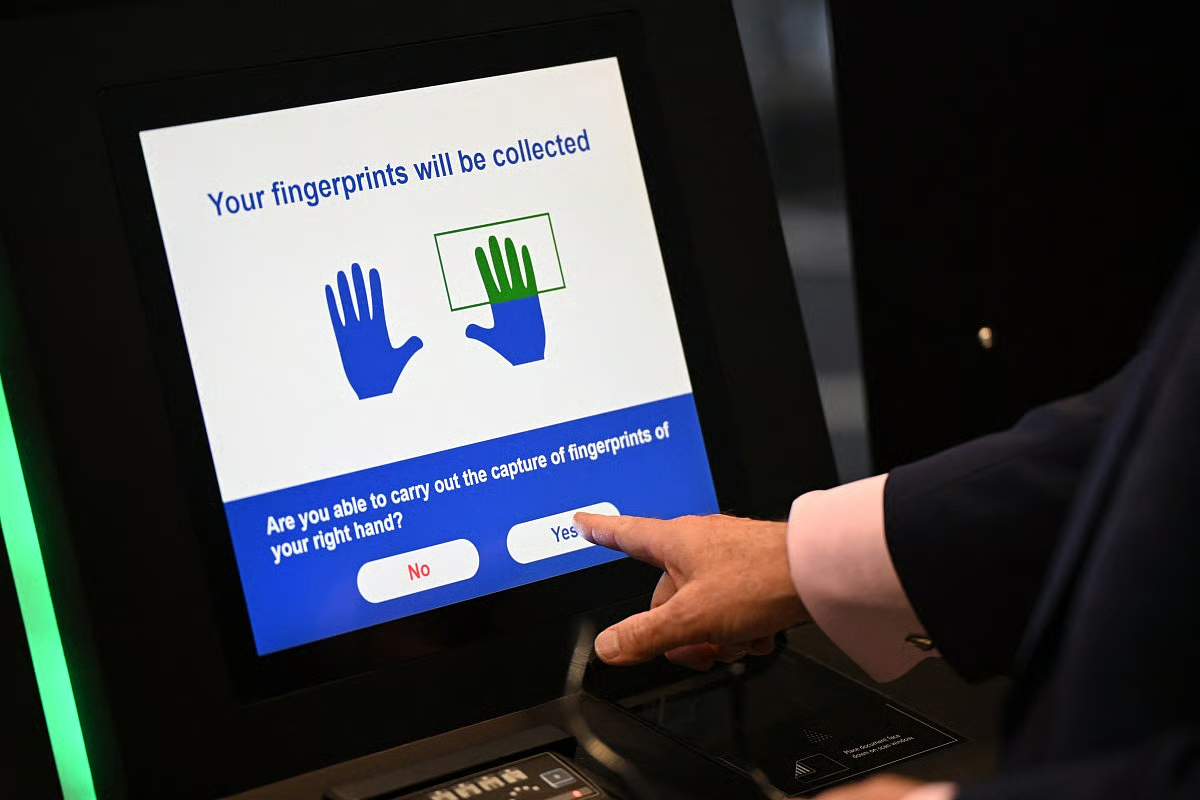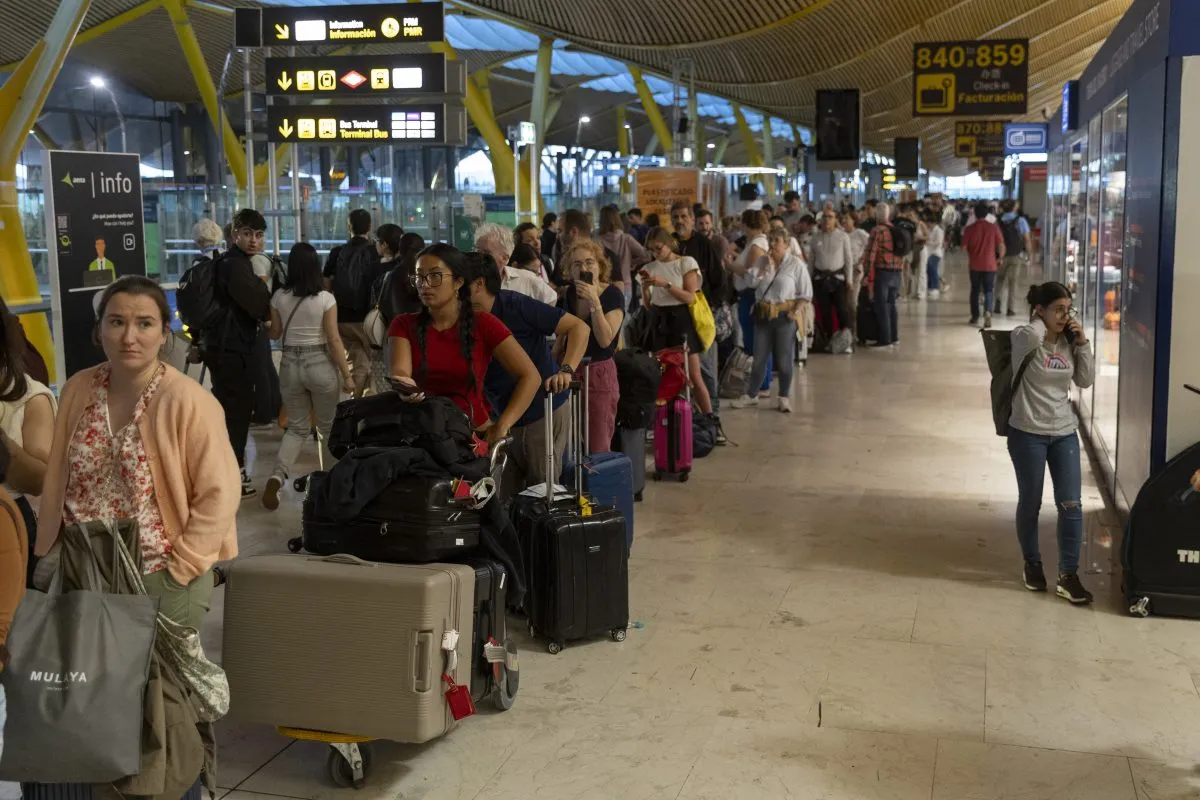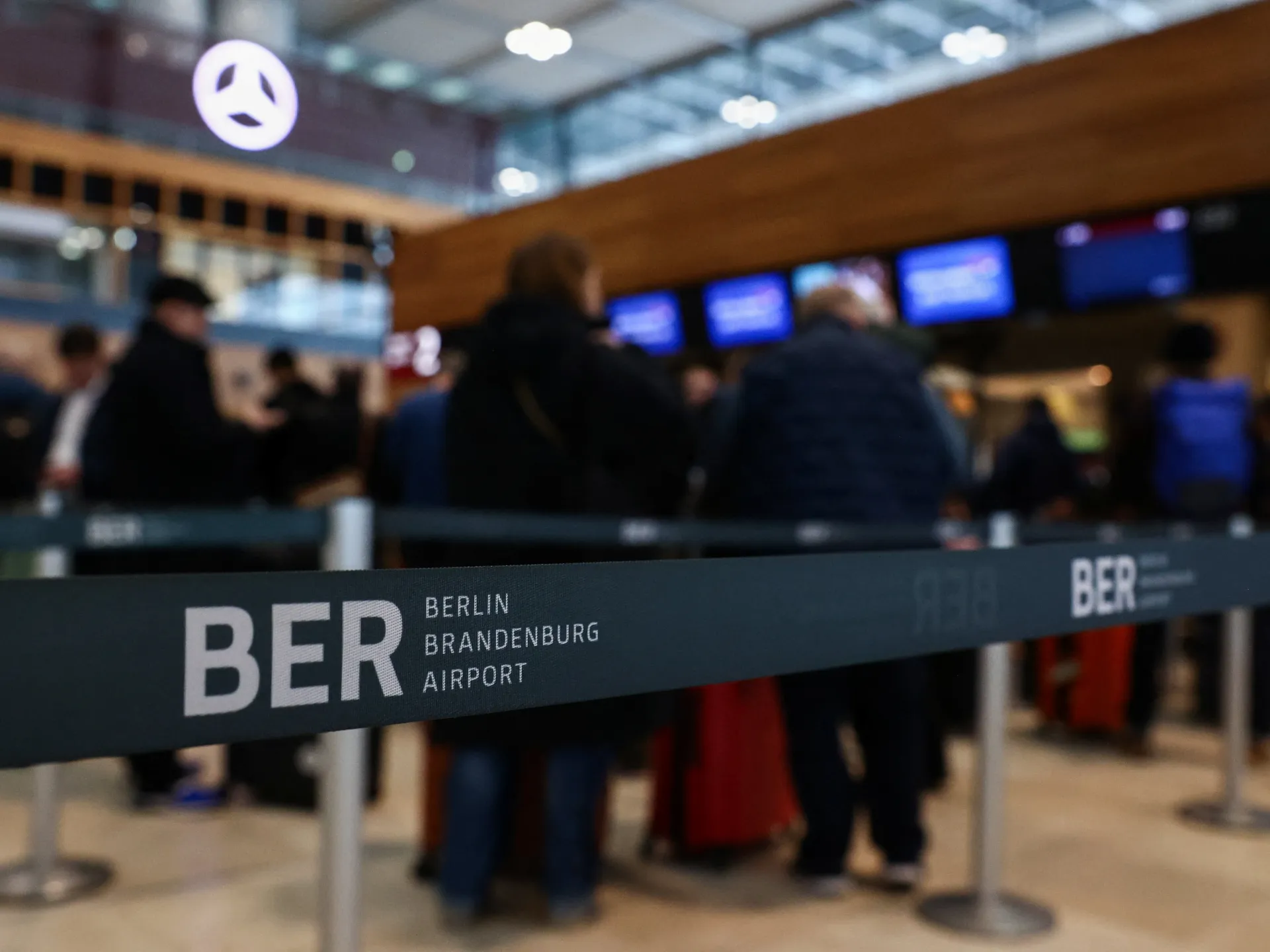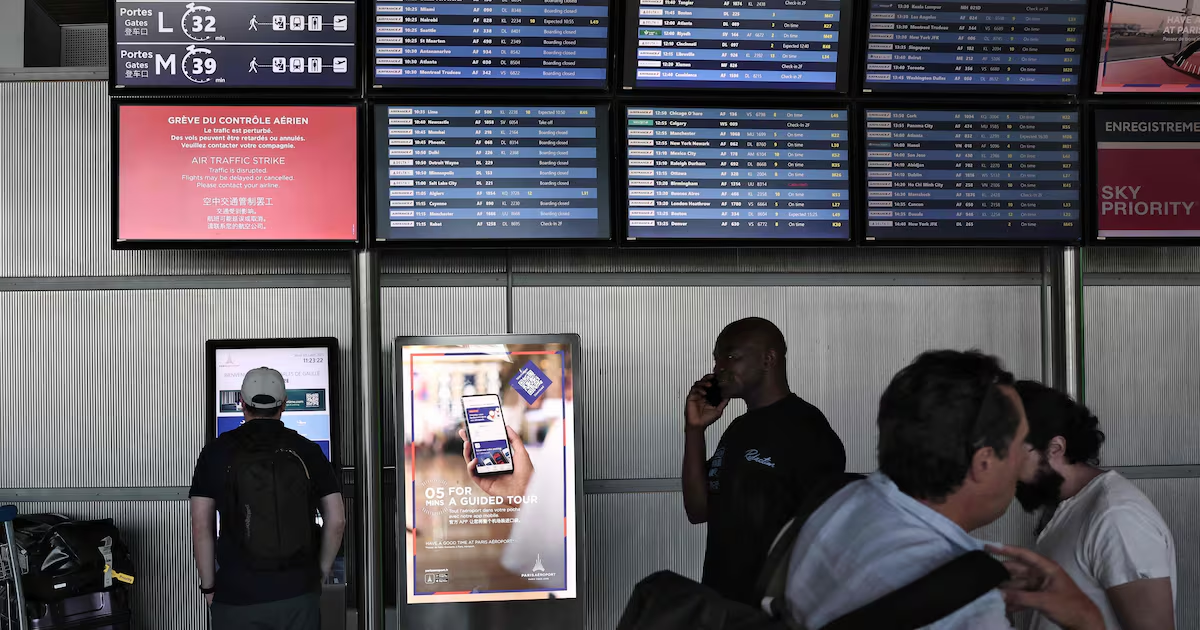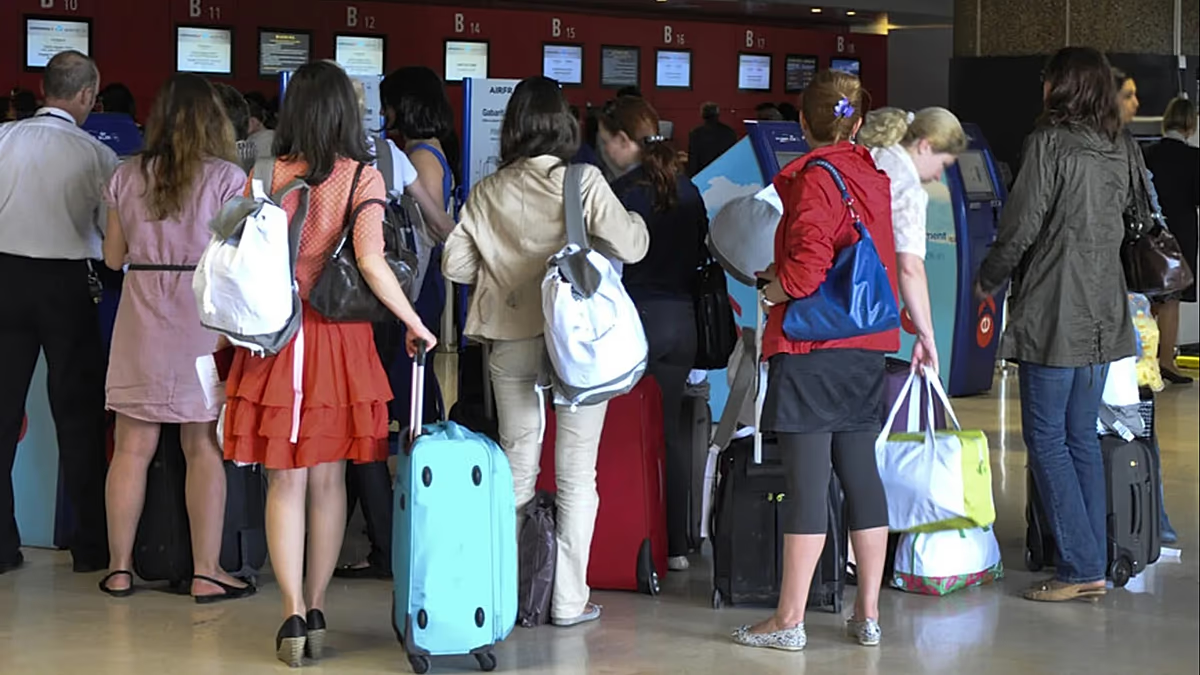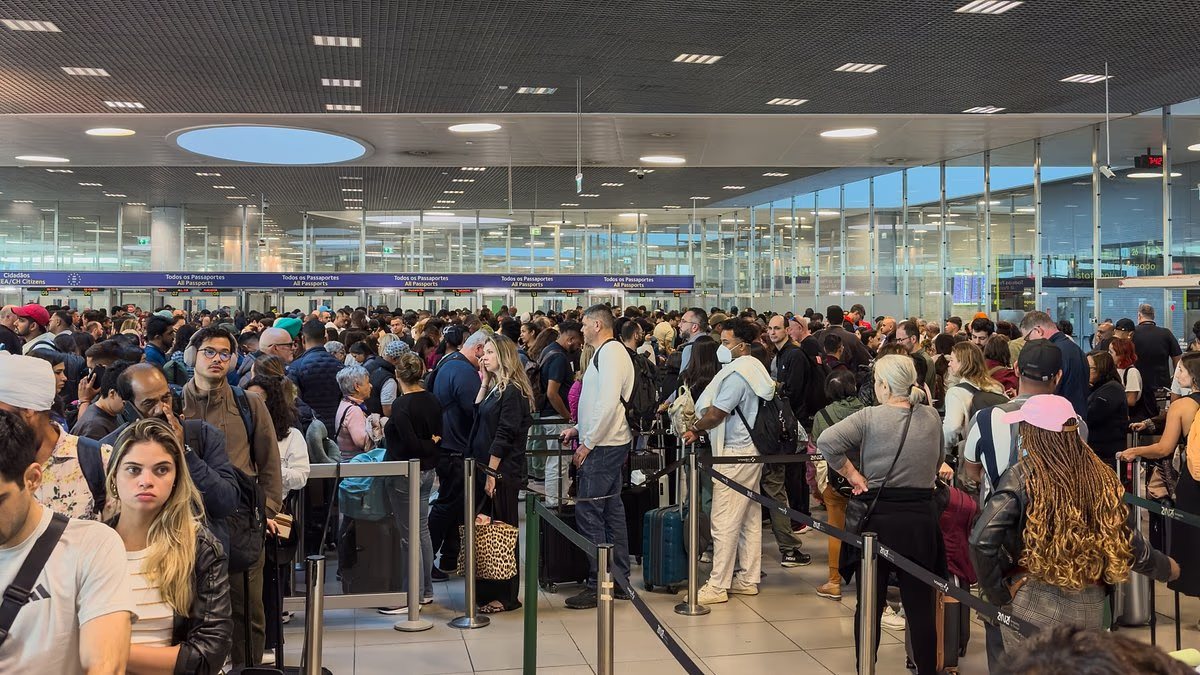
Ryanair has named the airports worst hit by the new entry and exit system in the European Union.The airline said the digital border checks are causing queues and disruption at airports across Italy, Spain and France that are popular with Britons.This will be the first summer since the rollout of the EU’s entry/exit system (EES), which requires tourists outside the bloc to fill in details, give fingerprints and have a photograph taken, all to be checked when they leave.According to Ryanair, which runs more than 3,000 flights a day, the Spanish airports encountering the most difficulties are Tenerife South, Palma, Alicante and Malaga.Passengers are also suffering in Bergamo in Italy, Krakow in Poland and Paris Beauvais in France.Warning of travel chaos in peak holiday season, the airline has called on the bloc to suspend the introduction of the system.Ryanair said the infrastructure at some airports was 'not ready' to manage the crowds of passengers expected in the coming months, with insufficient personnel and kiosks.There have also been instances of biometric details not being uploaded to the system, meaning some travellers have been asked to repeat the registration process every time they enter and exit. Ryanair has named the airports worst hit by the new entry and exit system in the European Union Passengers were forced to endure queues of three hours at Milan Linate in April, leaning easyJet passengers due to fly to Manchester stranded Ryanair’s Chief Operations Officer, Neal McMahon, said: 'As schools break up and Europe enters the busiest travel period of the year, it is clear that EES is still not ready for peak summer volumes. 'Passengers and families should not be used as guinea pigs for a half-baked passport control system that risks creating long queues, missed flights and unnecessary stress at airports this summer.'It is as simple as postponing EES until September, as other EU countries like Greece have already done. 'Ryanair calls on European governments once again to delay the implementation to protect passengers, families and airport operations during the school holiday rush, instead of forcing holidaymakers to endure needless passport control chaos.'Many holidaymakers have missed flights because of the new system. More than 100 easyJet passengers did not make their flight from Milan Linate to Manchester in April, due to delays at passport desks caused by the rollout of the EES. In June, a Ryanair flight from Toulouse to London took off missing 150 passengers. While Wizz Air advised tourists to arrive at the airport three hours before the flight back, Michael O'Leary, the boss of Ryanair, said it would not wait for those delayed in queues. The EU's new EES system requires registering biometric data on entry, but some airports don't have adequate infrastructureHe previously said: 'Ryanair takes every passenger that is in the boarding gate when the boarding goes out. Passengers miss their flight not because we’ve left them behind but because they are stuck in somebody’s passport queue.'The Port of Dover has requested greater flexibility in how the border system operates.In a letter to the business and trade select committee, Doug Bannister, chief executive of the port, said the summer holiday season had the potential to be a 'very challenging six weeks'.'Without greater flexibility in how EES is operated during periods of exceptional demand, we will face repeated episodes of severe congestion with queueing cars spilling out of the port on to the public highway for miles,' Bannister wrote. He added that the Easter period saw queues of four and a half hours, but the summer peak was likely to bring 30 per cent more passengers. The wider industry is campaigning for rapid changes to the EES. This week senior figures at three major aviation bodies wrote a joint letter to the president of the European Commission, Ursula von der Leyen, warning that the implementation of the EES was creating 'severe operational consequences disrupting passengers and putting border authorities, airports and airlines under unsustainable pressure'.
The European airports where Brits face queuing misery this summer
The airline said the digital border checks are causing queues and disruption at airports across Italy, Spain and France that are popular with Britons.
655 words~3 min read