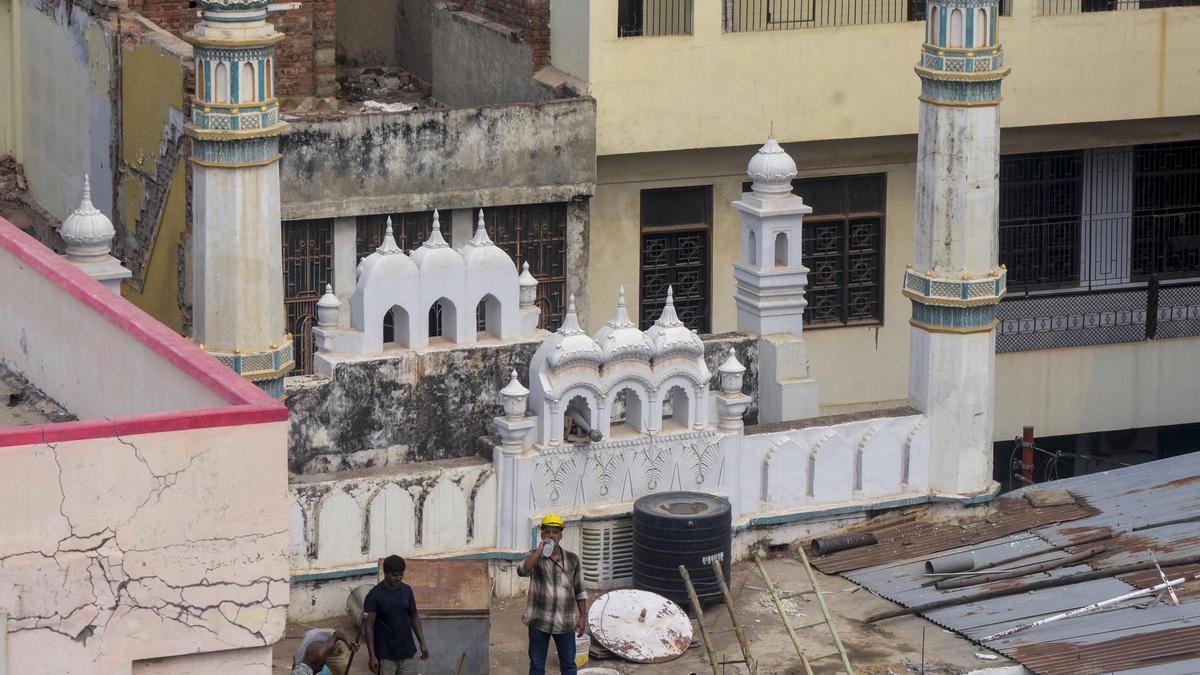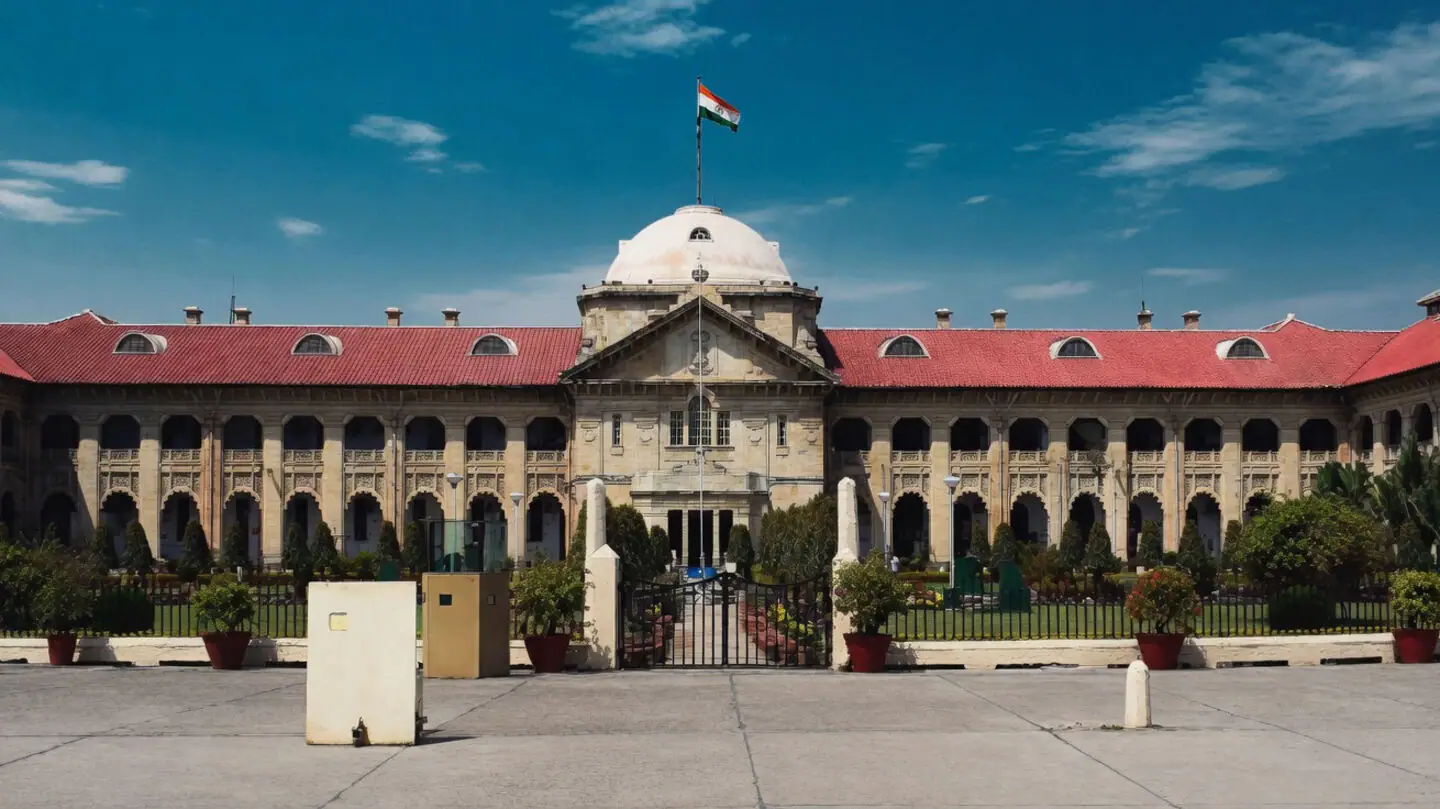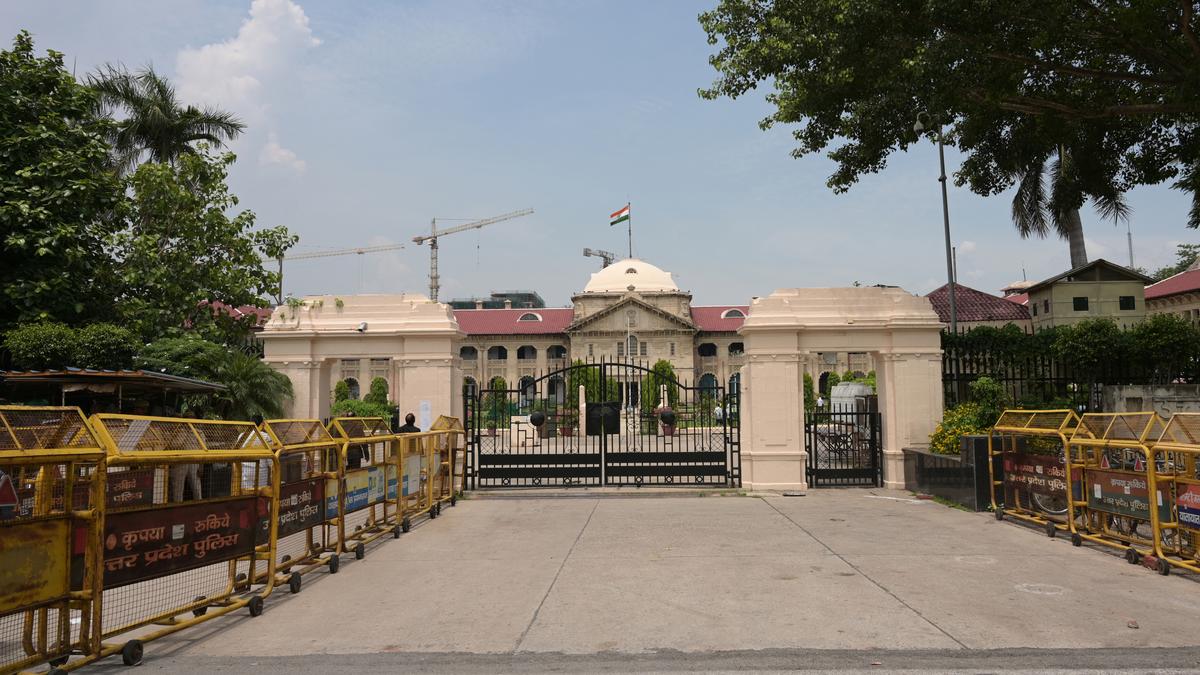
The Allahabad High Court on Thursday held that while the Places of Worship Act prohibits the conversion of the religious character of a place of worship from one faith to another, it does not prevent the state from acquiring such properties for a genuine public purpose, Live Law reported.A bench of Justices JJ Munir and Arun Kumar made the statement while dismissing a petition filed by six shopkeepers and tenants from Varanasi’s Dalmandi area, who sought to stop a road widening and beautification project linked to the Uttar Pradesh government’s Shri Kashi Vishwanath Dham Corridor.The petitioners sought protection against their eviction and asked the court to restrain the state from acquiring six mosques in the area, arguing that they had existed before August 15, 1947, and were therefore protected under the Places of Worship Act.The six mosques are Anjuman Intezamia Masjid, Masjid Rangile Shah, Masjid Ali Raza Khan, Masjid Karimullah Baig, Masjid Nisaran and Masjid Sangamarmar.The petitioners also contended that the project would deprive thousands of persons of their livelihoods, homes and places of worship.They further alleged that the acquisition was arbitrary and was designed to “target a particular community”, Live Law reported.Rejecting the plea, the court held that the 1991 Act was enacted to preserve the religious character of places of worship as they stood on August 15, 1947, by preventing their conversion from one religious denomination to another.However, it said that this did not limit the state’s authority to acquire land, including religious property, for “secular and public purpose[s]” such as road development or infrastructure projects, The Hindu reported.The bench added that this was subject “to the owner’s right to receive just and fair compensation”, Live Law reported.The court also found that the petitioners, as tenants rather than owners of the properties, had limited standing to challenge the acquisition.“We would think that the petitioners are more or less here, in order to protect their business and source of livelihood, rather than proprietary rights”, it noted, according to the legal news website.Further, the court rejected the petitioners’ contention that they could seek protection for the mosques as Muslims. It observed that the structures were registered waqf properties and that responsibility for protecting them primarily rested with the respective mutawallis and the Waqf Board.A mutawalli is the person incharge of administering and managing a waqf, which is property permanently dedicated under Islamic law for religious, charitable or pious purposes.Moreover, the court also described the allegation that the acquisition was designed to target a particular community as an “odd” pleading.Edited by Neerad Pandharipande.
Places of Worship Act does not bar acquisition of religious sites for public purpose: Allahabad HC
The petitioners had opposed the acquisition of six mosques as part of a road widening and beautification project linked to the Kashi Vishwanath Corridor.
422 words~2 min read