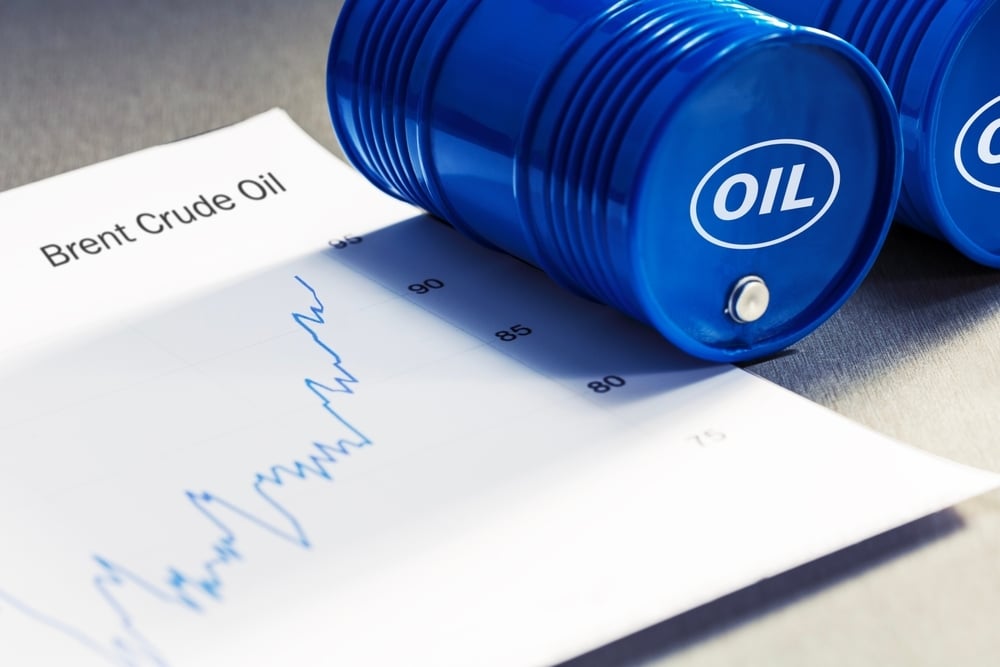
Brent was just above $72 a barrel on Friday, and last traded below $60 in January.
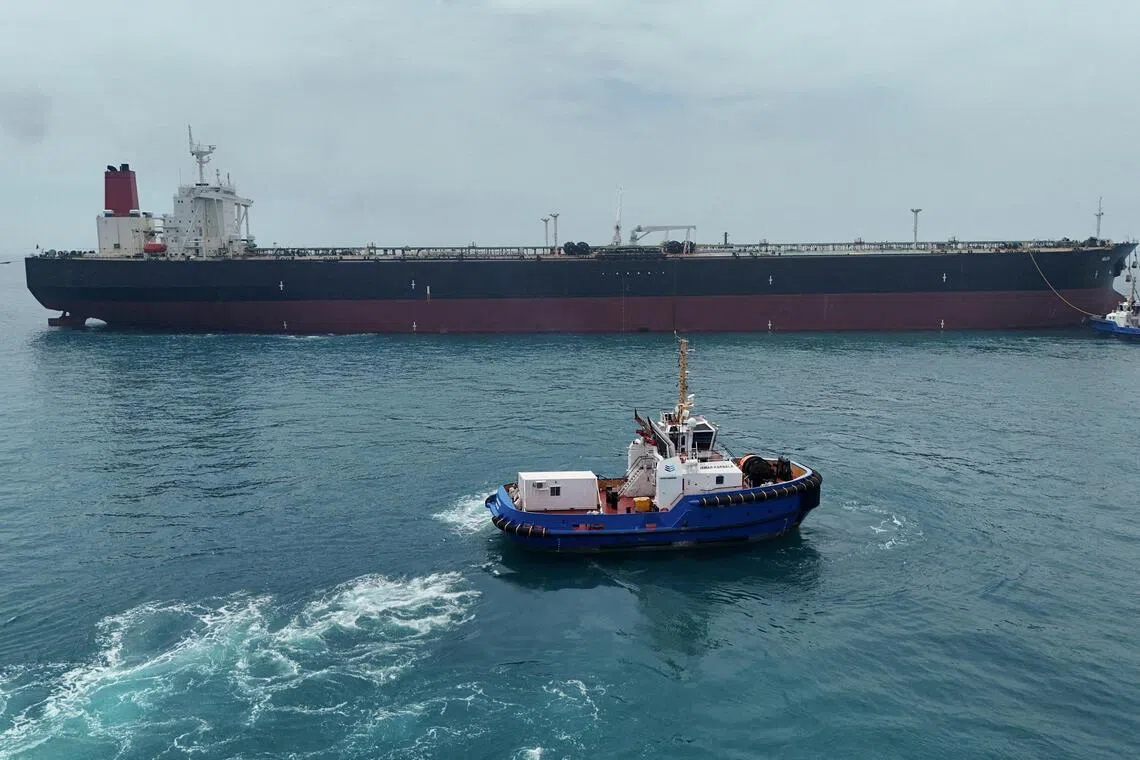
Brent oil could extend declines to $60 a barrel by year-end as disruptions in the Strait of Hormuz ease, according to Citigroup Inc, adding to a chorus of bearish outlooks for the global crude market.“Fundamentals are rapidly reasserting themselves,” Citigroup Inc analysts including Francesco Martoccia said in a note. “Shipping flows are normalizing, Chinese buyers remain absent, physical crude markets have weakened sharply, and inventories have drawn far less than expected.”Global energy markets are rapidly getting back to normal as the resumption of flows through Hormuz boosts near-term supplies, adding barrels for processors after they had secured alternatives. The result has been a swift collapse in prices, with Brent — the global benchmark — sinking by 30 per cent in the second quarter and unwinding all of the gains seen during the conflict.The initial period is “expected to be noisy as shipping routes normalise, insurance markets adjust, and residual logistical bottlenecks work their way through the system,” the analysts said. “The return of organised navigation patterns and rising traffic volumes suggests commercial operators increasingly view the risk environment as manageable rather than prohibitive.”Among other banks, Goldman Sachs Group Inc has said the global oil market is set to swing back into oversupply as the impact of the Iran war fades and traffic through Hormuz recovers. Morgan Stanley cut its oil forecasts twice in recent weeks, flagging risks of a glut.Brent was just above $72 a barrel on Friday, and last traded below $60 in January. “We continue to recommend selling any summer rallies and forecast Brent reaching $60 to $65 a barrel by the turn of the year,” the Citi analysts said.The Strait of Hormuz — which links Persian Gulf producers to global markets — was subject to a double blockade during the US-Iran war, which erupted in late February, throwing energy markets into disarray. Tehran and Washington have agreed to a memorandum of understanding, or MOU, to pause the hostilities, with the two sides seeking a permanent agreement.“We expect the MOU to hold and turn into a deal over the coming months as incentives to de-escalate outweigh the alternative for the US, Iran, and much of the ME region,” Citi said, referring to the Middle East by its initials.More stories like this are available on bloomberg.comPublished on July 3, 2026