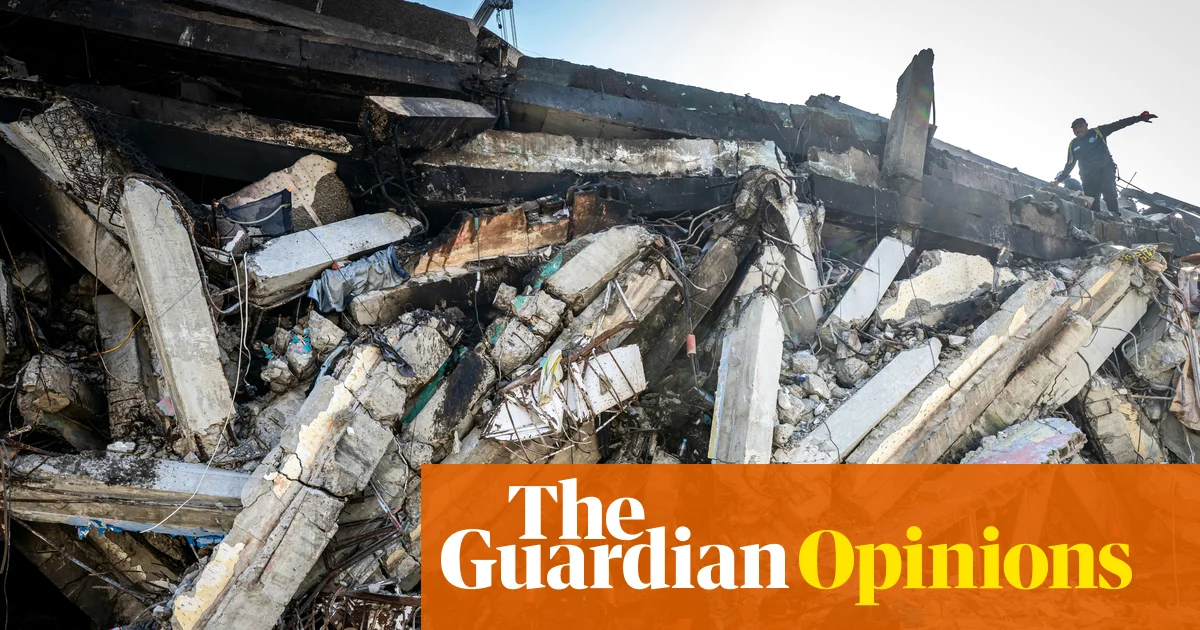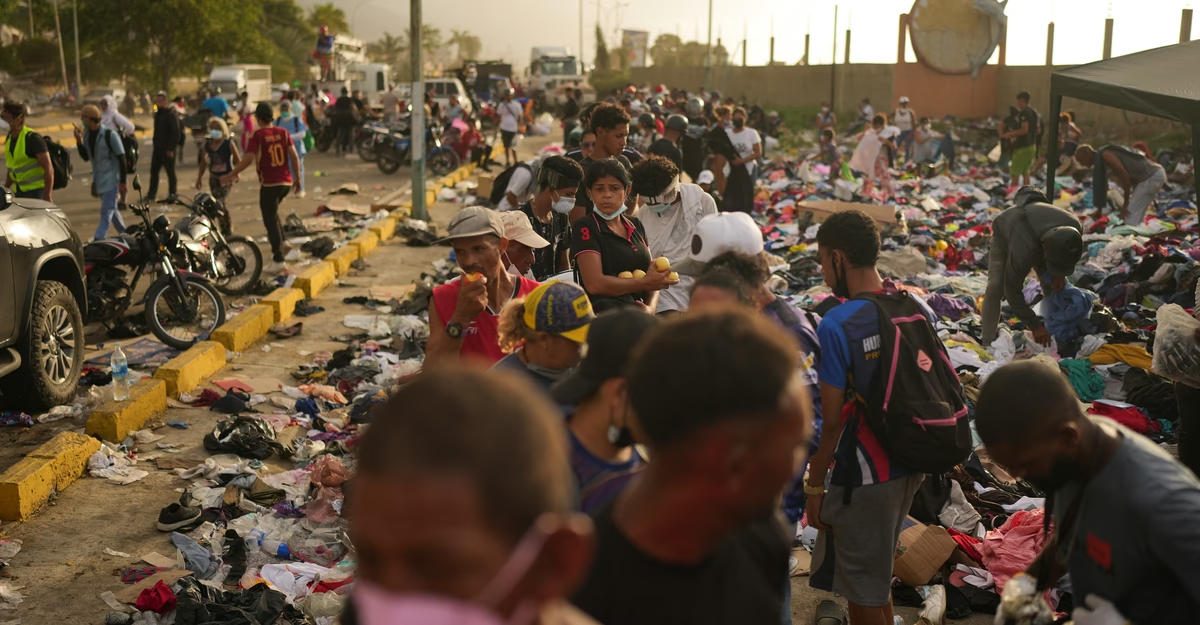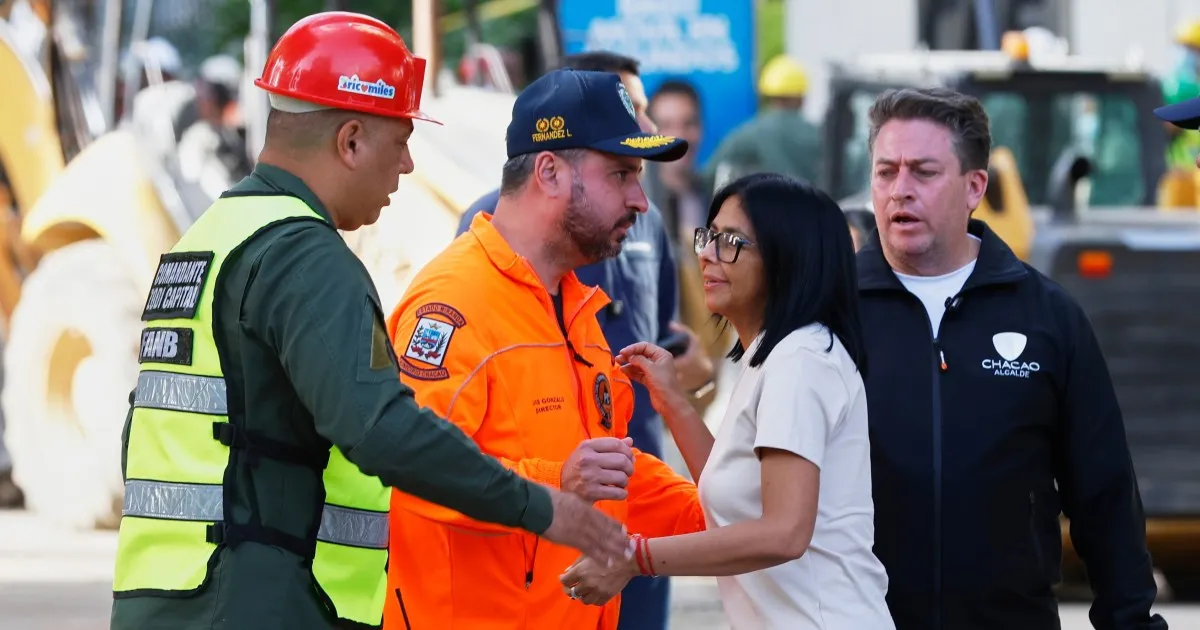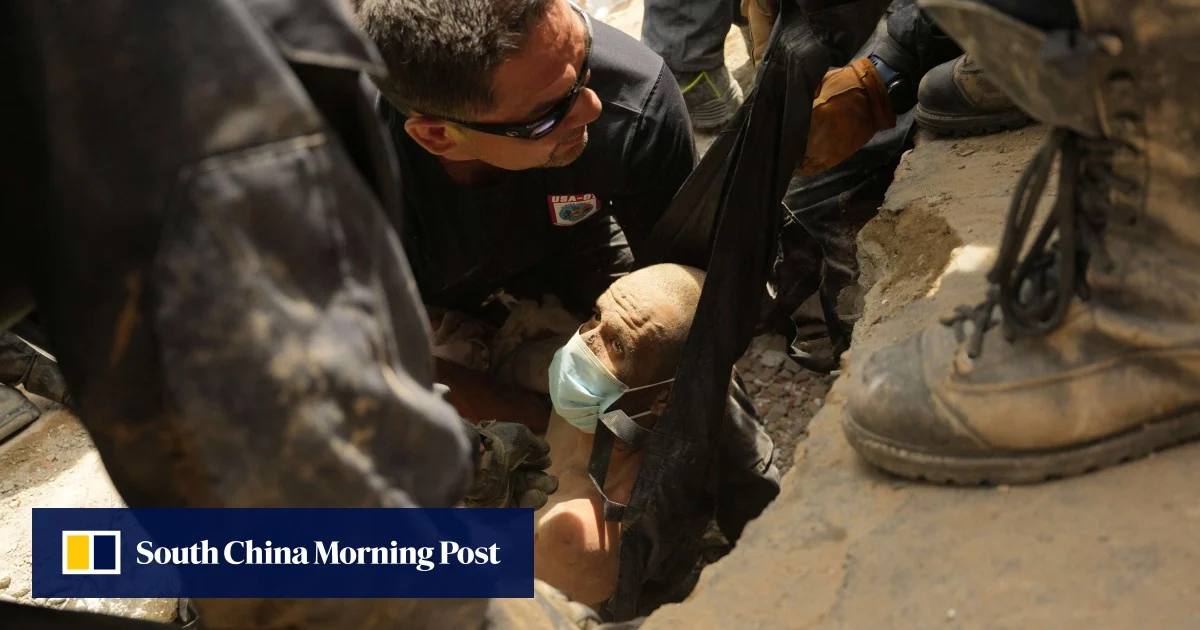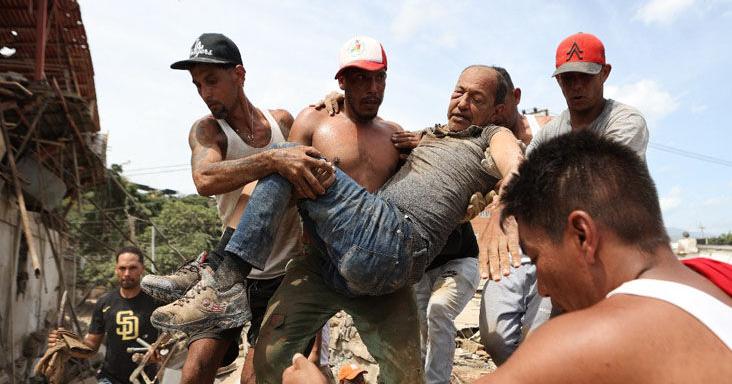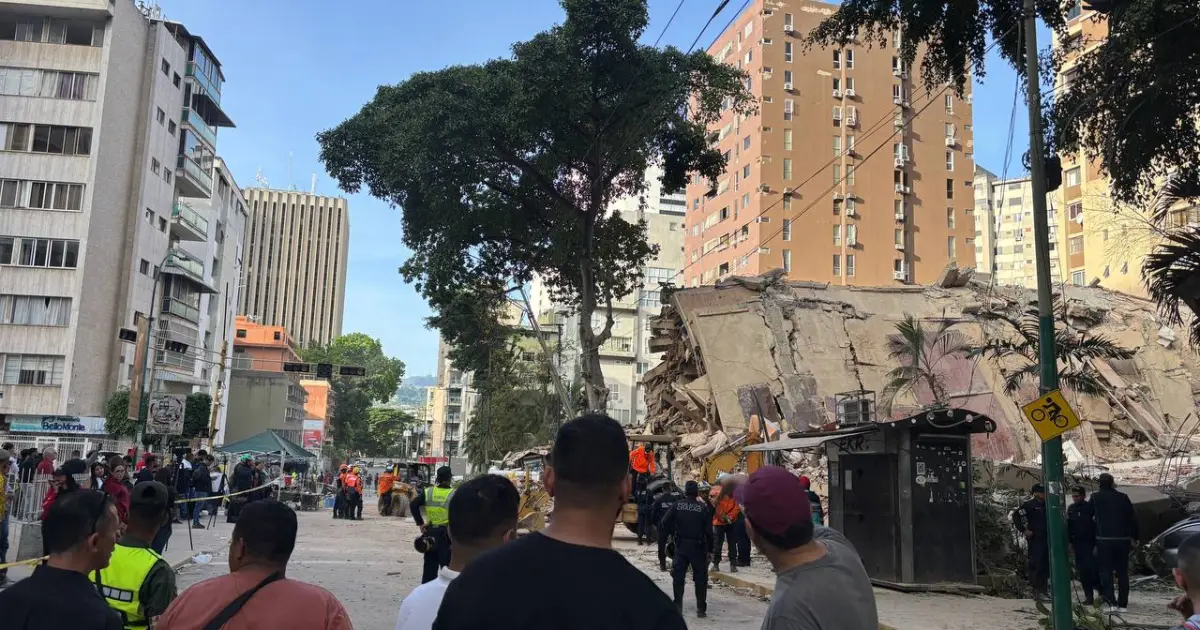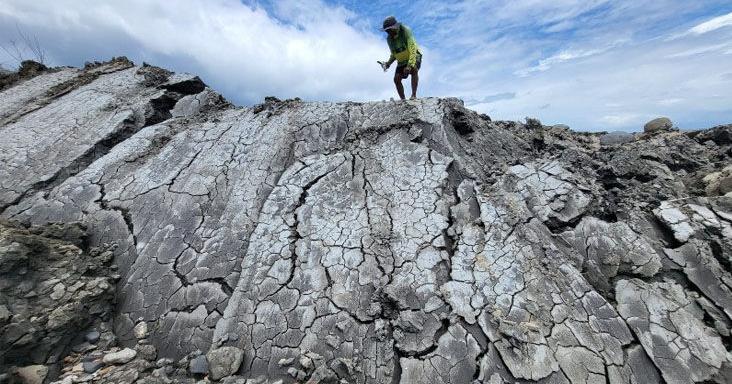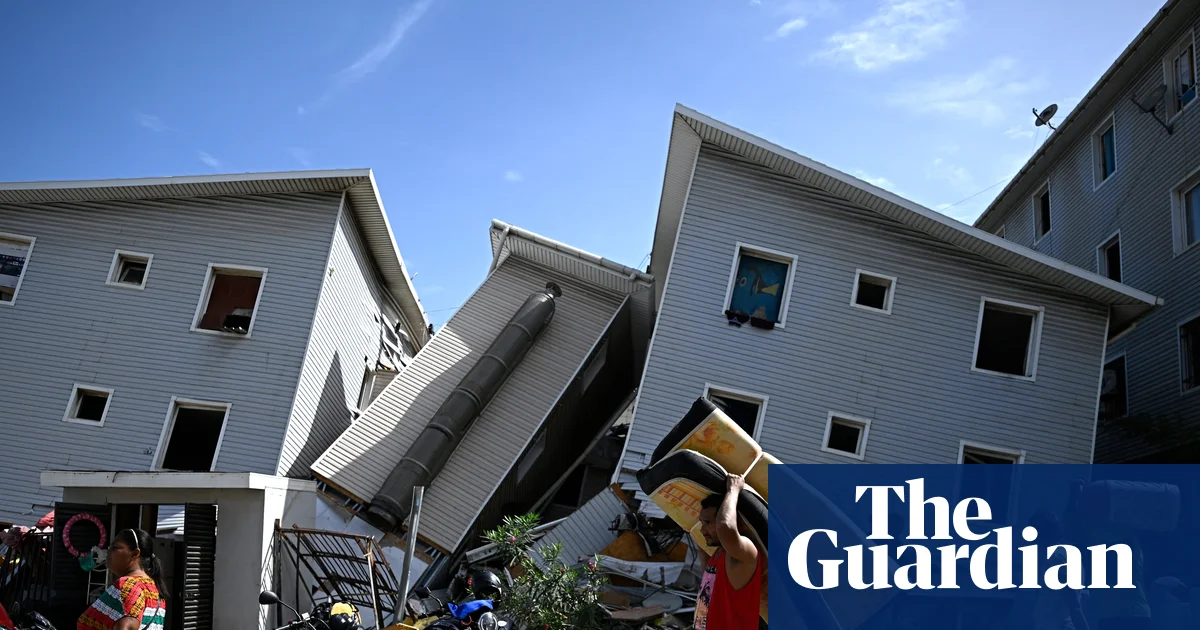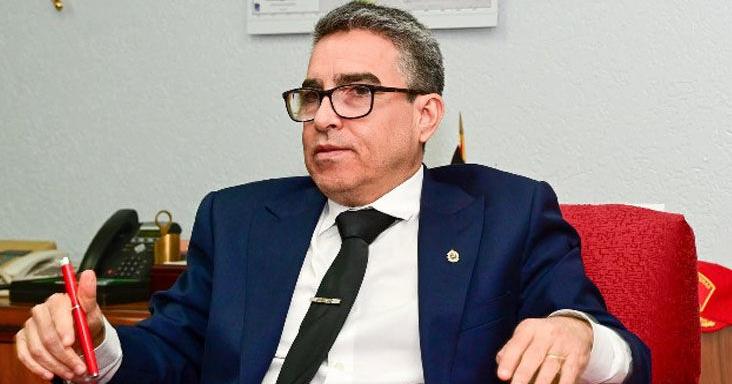
“It’s very sad. Really heartbreaking. A lot of devastation. The tall buildings have crumpled. Then you have the aftershocks. It’s another challenge.”So said Venezuela’s Ambassador to Trinidad and Tobago Alvaro Sanchez Cordero on the two earthquakes that devastated the South American country last week.He was speaking at the Venezuelan Embassy in Victoria Avenue, Port of Spain yesterday, where, together with his wife Monica Rey and diplomats from Ghana, Spain, China and the United States, he signed the condolence book marking the earthquake tragedy.Cordero said although he did not lose any relatives, he sympathised with those who had lost loved ones.Rey said: “It’s sad. Tragic. It’s like about 200,000 atomic bombs hitting Venezuela. We did not have an earthquake since 1812 when Simon Bolivar (Venezuelan liberator) said—earthquake or not, he would continue to lead the revolution.”She added: “A truck came and took some stuff on Monday. We have more stuff coming. People have been responding. We thank them for the outpouring of support. We thank them for their prayers and good wishes.”Nearly 50,000 people remain unaccounted for in the wake of Venezuela’s powerful two earthquakes on June 24. The death toll is currently at 2,295 people and continues to climb, and another 11,267 were injured.Cordero said the Embassy was another point for items and donations for Venezuela. He thanked the local, regional and international communities for their outpouring of support and magnanimity.Hailing from Caracas, Cordero is also dean of the diplomatic corps. He, his wife and daughter Elena, 15, were preparing to go to Venezuela on Sunday. The devastating news caused him to cancel the short trip.Cordero said: “We have the political situation (President Nicolas Maduro removed by United States President Donald Trump). Then we had an earthquake. We were not expecting a doublet.”He added: “At first I knew we had an earthquake. But I did not know the extent of the destruction. My wife sent me the pictures. My adopted daughter Paulo, 27, sent us the video. She said: ‘The big buildings were falling. Everything was collapsing. I am scared.’ I started to look at the foreign news. My heart sank. Sheer destruction. The epicentre was felt on land. Not at sea.”He added: “I did not lose any relatives. They are fine. But I had friends and they had friends who lost family members. Some of them are yet to be found. It’s a bad situation. Deeply saddened.”He reported that Venezuelan migrants here have expressed their “profound sadness.”“A lot of them who are here are expressing their deep sadness. Some of them can’t find their relatives. Some of them lost their loved ones. It’s difficult to get in touch with their surviving family members. We always try to help them as much as possible. We assist them with the information for the registration. I am happy for any assistance that the State is giving that would benefit the Venezuelans here.”Cordero said he opted to “stay on the ground” rather than travel to Venezuela with the lower level of a wing of the Embassy morphed into a collection depot.“The Government of Trinidad and Tobago has been coordinating a relief response. We have gotten help from the Caribbean and both the private and public sector. Concerned citizens have been reaching out to us. They have been donating items. We have items, including Blue Waters, which will be taken to Pt Lisas port today to be sent to Venezuela. We thank them. We thank the Government. We thank our volunteers. We have a lot of female volunteers. We are happy with the response.”Cordero said contrary to media reports, the State was helping with about “97% food distribution across the country.” He said they had to contend with a tsunami of misinformation. He also said there was “a lot of misinformation about the death count.”The condolence book will be opened from 9.30 a.m. to 12.30 p.m. and then from 2.30 p.m. to 4.30 p.m. until July 9.
Earthquake disaster ‘heartbreaking’
“It’s very sad. Really heartbreaking. A lot of devastation. The tall buildings have crumpled. Then you have the aftershocks. It’s another challenge.”So said Venezuela’s Ambassador to Trinidad and Tobago Alvaro
653 words~3 min read