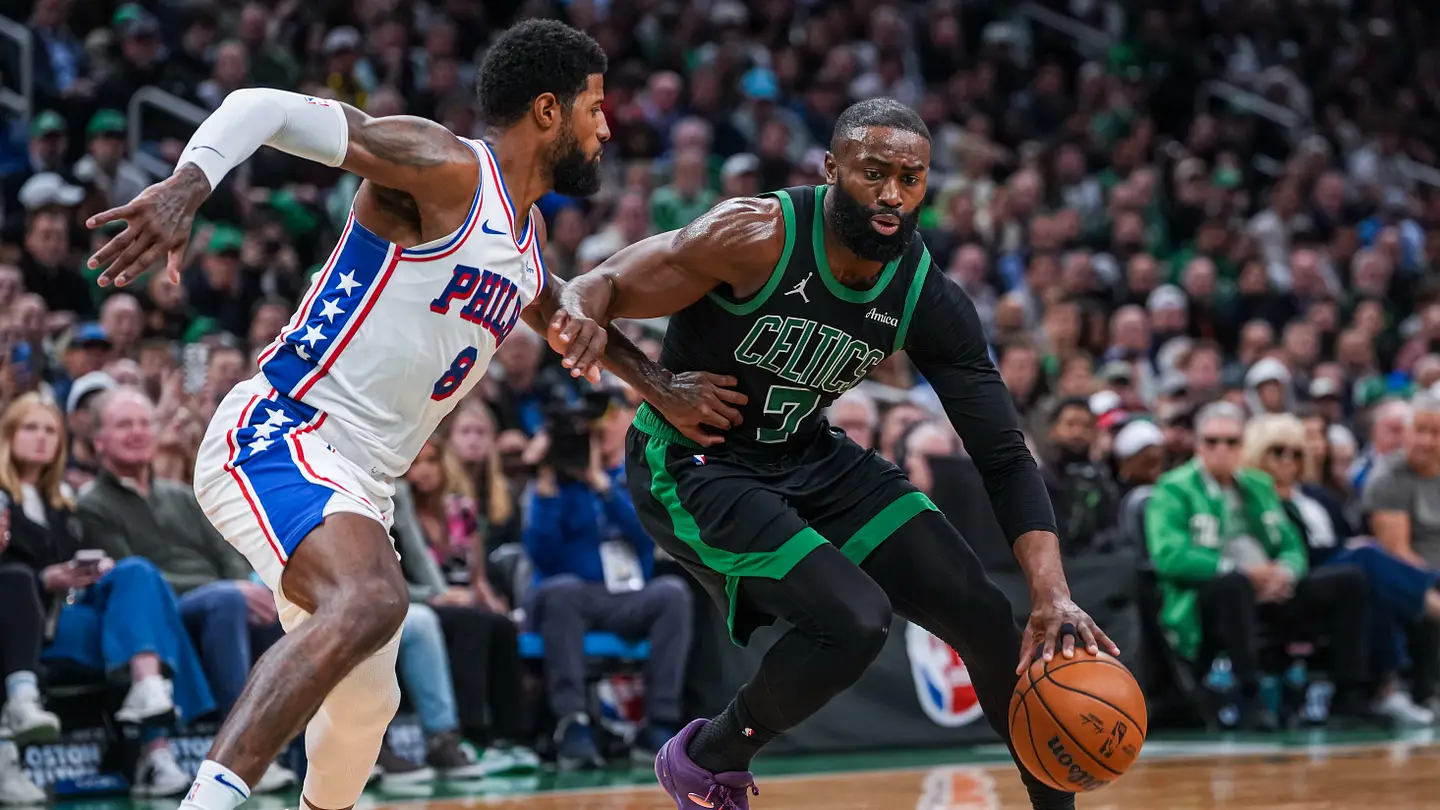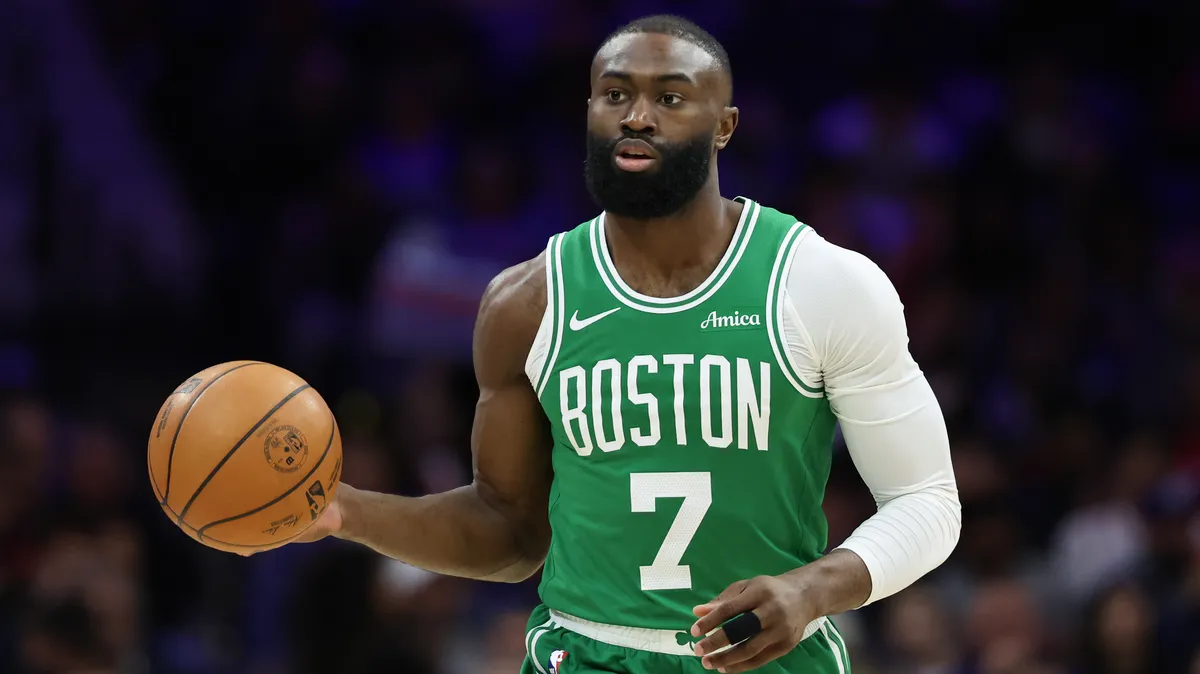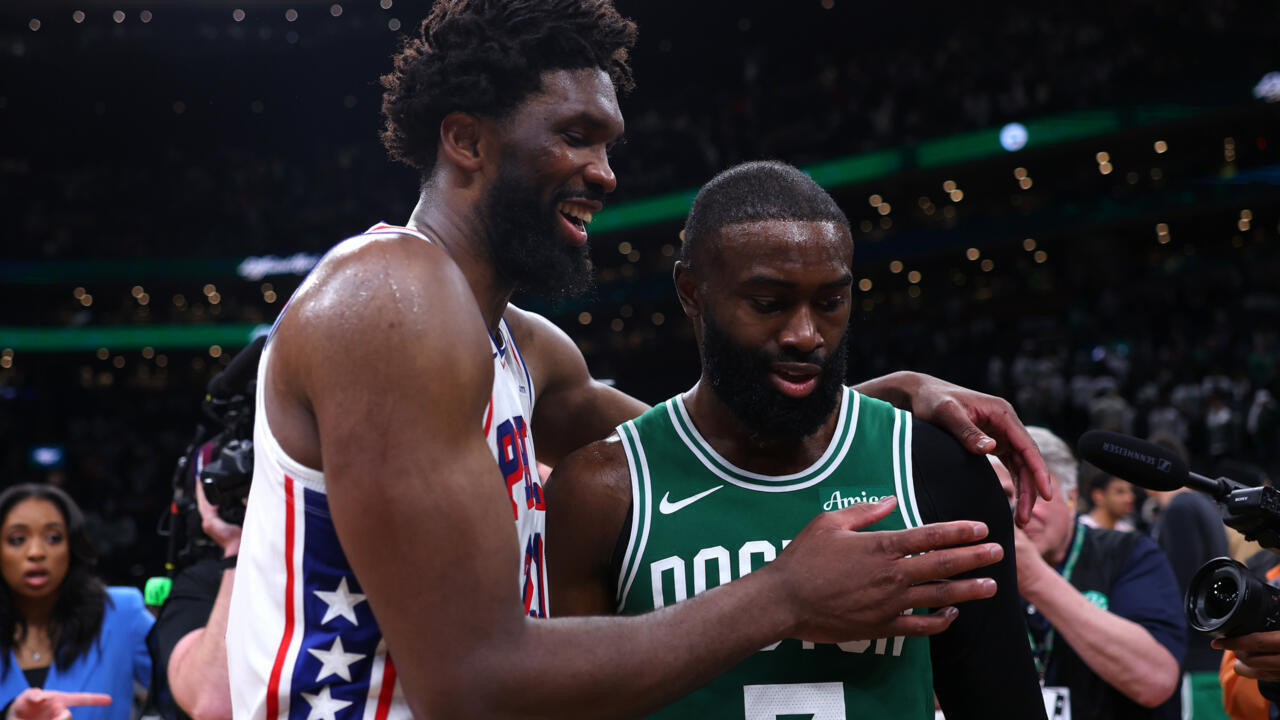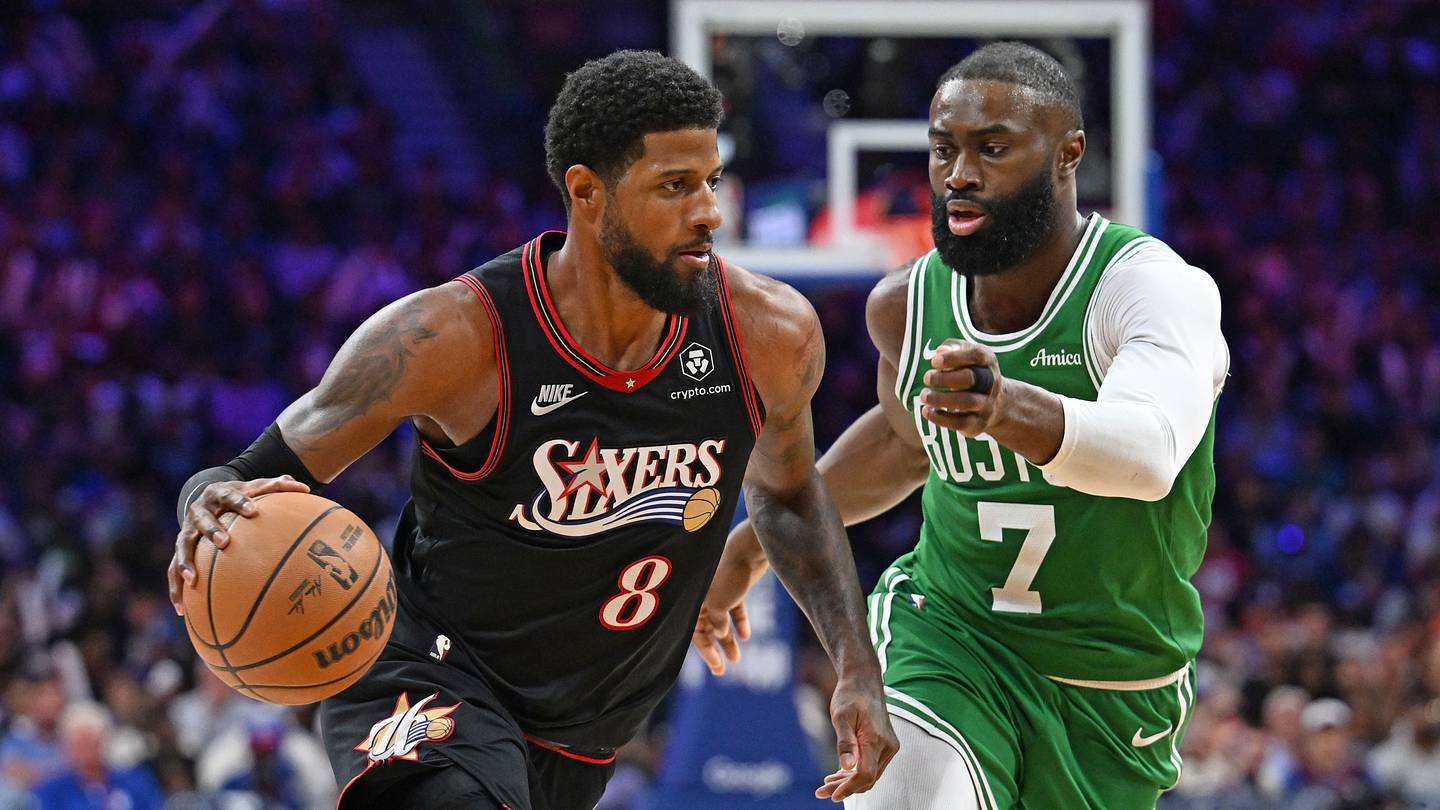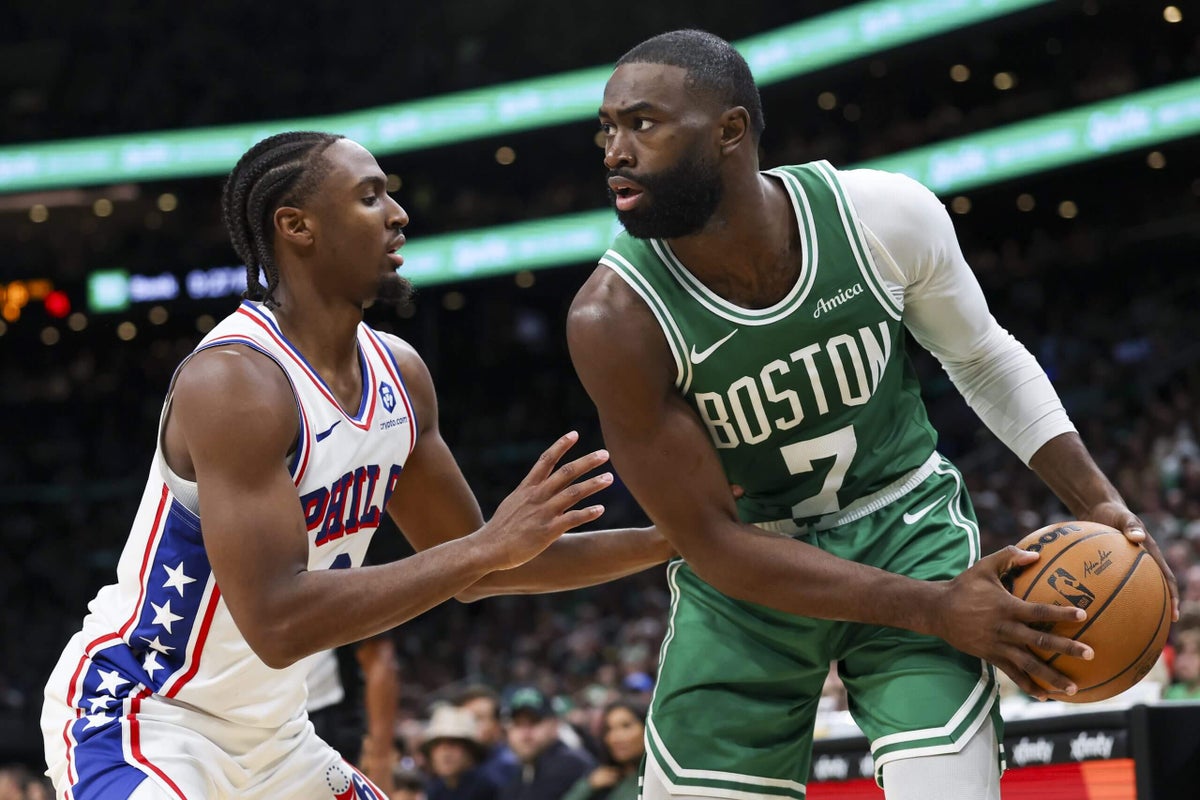
So … that’s it?After hearing for most of the last two weeks that Jaylen Brown could either A) return Giannis Antetokounmpo in a trade or B) bring back something on the order of four first-round picks, the Boston Celtics traded Brown to the Philadelphia 76ers on Wednesday for one of the worst contracts in the NBA (Paul George’s) and a draft-pick package of just two firsts and two seconds. (More details here.)It was a bizarre record scratch of a U-turn after it seemed, just days earlier, that a package of “Brown and not that much else” could land the Celtics Antetokounmpo. Somehow, it seems, Boston pivoted from clutching pearls over Hugo González and its own future first-rounders to deciding that maybe $55 million a year for George wasn’t so bad.By all accounts, the Celtics seemed to launch earnestly into trading Brown very quickly after the Giannis chase ended, even when it seemed like biding their time might have been the better play.One of the big questions: What was the rush? Did they think the George deal would go away and that they had nothing else even close? Did Brown kinda sorta demand a trade without demanding one? Did he have an undisclosed career-altering hip injury? (Sorry.)Regardless, it was shocking to see Brown’s departure generate a return that matched what you’d imagine it would have taken just to dump George’s contract into another team’s cap space. That’s especially true when juxtaposed against Brown’s perception around the league this past season, as a fringe MVP candidate who narrowly missed making first-team All-NBA.To say Brown is wildly overrated, or that the analytics say he sucks, is just grossly incorrect. To say Brown is mildly overrated, on the other hand, is probably accurate.Memorable moments from Jaylen Brown's 10 seasons in BostonThe on-off data is unfavorable but not enough to convict on its own. It’s noisy due to shooting variance and heavily dependent on lineup choices like, “Let’s send Jaylen out there with our four worst rotation players and see if we can break even for six minutes.”Big picture, however, kernels of truth in those numbers are clear. Brown is a very good two-way wing whose offensive value is somewhat capped because he isn’t notably efficient (even while on a relative jump-shooting heater last season), nor particularly adept at setting up others. My BORD$ valuation tool puts his value for the coming season at $40 million, which doesn’t make him the seventh-best player on this or any other team but also doesn’t make him the sixth-best player in the league like MVP voters had it. (If you’re curious, he ranked 21st; coincidentally, the player ranked 20th, LaMelo Ball, was just traded for a not dissimilar package.)Given the cognitive dissonance between Brown’s public perception and his valuation in most analytical tools, the idea of selling high on a career year entering his age-30 season had to be compelling for Boston, especially with three expensive years left on Brown’s deal. (Brown also was extension-eligible this summer, but the Celtics were under no obligation to pay him yet.)On the other hand, George has two years left on his own deal that is just as expensive as Brown’s … except George is 36 years old, has played more than 56 games only once in the last seven years and served a 25-game suspension last season for violating the league’s anti-drug policy. His key differences from Brown — more ballhandling, more 3-point shooting — lean into the way the Celtics like to play, but this is an unquestioned talent downgrade for a team that, on paper, looked to be one of the two best in the Eastern Conference before the trade. Whatever the opposite of all-in looks like, this is it.The most shocking part is that this was the best Boston could do in July 2026. I guarantee you, having done this myself, that there wasn’t some better offer just sitting out there that the Celtics decided to ignore. When you’re trying to move a player and have only 29 potential trade partners, you canvas the entire league, take note of the slightest scintilla of interest and follow every lead. Two high-quality first-round picks, two quality second-rounders likely to land in the 30s and a quasi-similar replacement on an awful contract were the best they found.About the best thing I can say is that “George plus picks” operates as a store of value until the next big fish comes along, and the rest of the roster is good enough to still win a bunch of regular-season games while the Celtics bide their time. Boston can put five first-round picks into a deal, including the two from Philly, and has an obvious matching salary.On the other hand, they had the Giannis fish right on their hook and threw it back in the water. Who are they waiting for that’s better?Why did the Celtics trade Jaylen Brown?Jay King and Jeshua KiddAs a result, the Celtics have to be the biggest losers from the first few days of free agency. Boston has already struggled to carry regular-season efficiency over to the postseason in the Joe Mazzulla era. The one time they pulled it off, Brown won NBA Finals MVP. Now they’ve downgraded his spot, and likely their championship equity.
NBA free agency winners and losers: Celtics, LeBron-less Lakers raise eyebrows
Elsewhere, the Raptors are at least trying to win. But what are the Mavericks doing?
2,612 words~12 min read