This year’s primary turnout continues a trend that’s been building since Donald Trump’s return to the White House – Democrats are more motivated than Republicans to vote.
Voter numbers have surged in Democratic primaries through the first half of 2026, creating a primary electorate that tilts more toward Democrats than in 2018, when Democrats won control of the House during Trump’s first term, or toward Republicans in 2022, when the GOP took back the House during Joe Biden’s term.
Of the 31 states that have held a primary election so far, 20 have held a major statewide primary for both Democrats and Republicans in each of the past three midterm years. CNN analyzed the votes reported in these 20 states through noon on July 2.
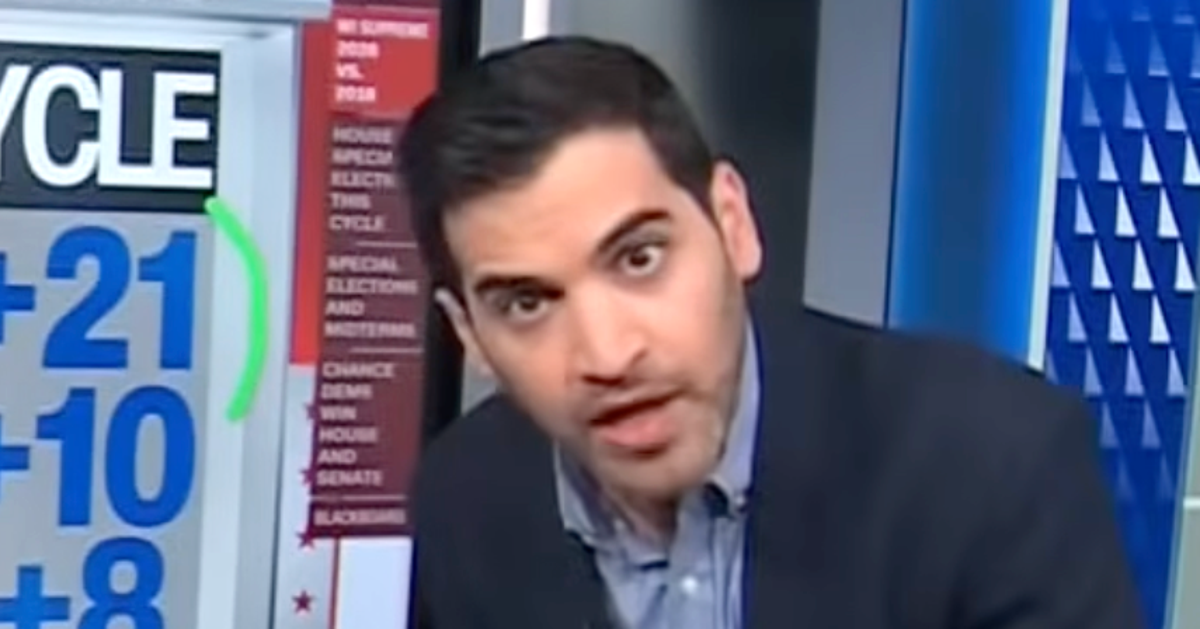
Among the states analyzed, 57% of primary voters were cast in Democratic primaries over Republican primaries, up 10 points from the same states in 2022 and 3 points relative to 2018. The popular vote was evenly split in these states in the 2024 presidential election.
Drawing conclusions from primary turnout can be difficult. Primaries across election years are often not directly comparable – an increase in primary votes in a state may be the result of a more competitive election in the current cycle, for example. An advantage in primary turnout may also not translate to the general election, as primaries generally feature the most committed voters in a party’s base, while less engaged voters more commonly participate in general elections.