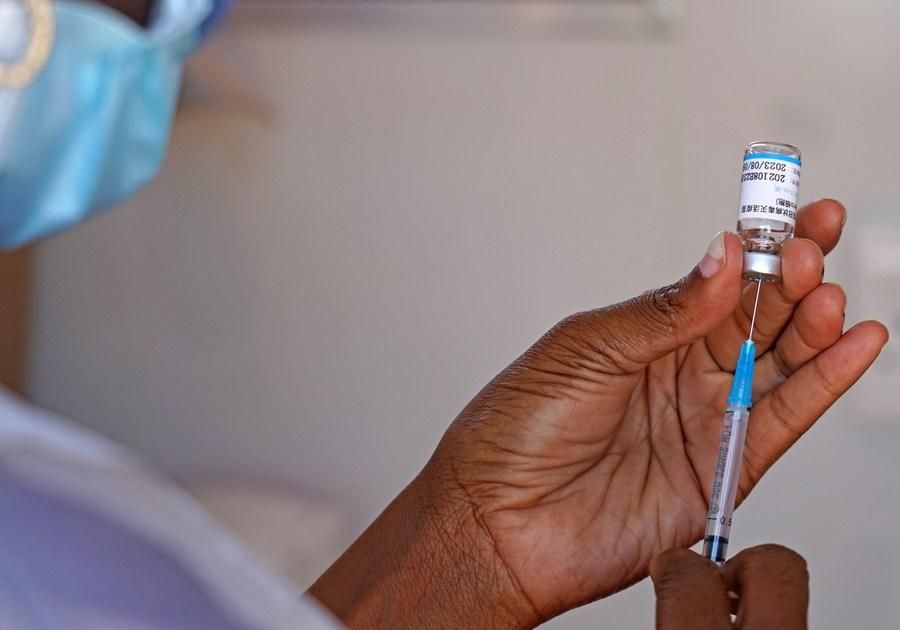
Africa's ambition to build pharmaceutical self-sufficiency has received another significant boost. Japan has committed KSh3 billion (approximately US$23 million) to support Kenya's vaccine manufacturing programme, reinforcing Nairobi's long-term goal of producing vaccines domestically by 2027.
Africa's ambition to build pharmaceutical self-sufficiency has received another significant boost. Japan has committed KSh3 billion (approximately US$23 million) to support Kenya's vaccine manufacturing programme, reinforcing Nairobi's long-term goal of producing vaccines domestically by 2027. While the announcement centres on funding for research infrastructure, regulatory cooperation and scientific capacity, its significance extends far beyond Kenya's borders.
For BRICS and Global South observers, the investment represents another step towards reshaping Africa's role in the global health economy. It reflects a growing recognition that health security is no longer solely a public health issue, it is a strategic pillar of economic resilience, industrial development and national sovereignty.
The COVID-19 pandemic exposed the vulnerabilities of Africa's dependence on imported vaccines. The response since then has been increasingly clear: build local manufacturing capacity, strengthen regional value chains and reduce reliance on external suppliers.