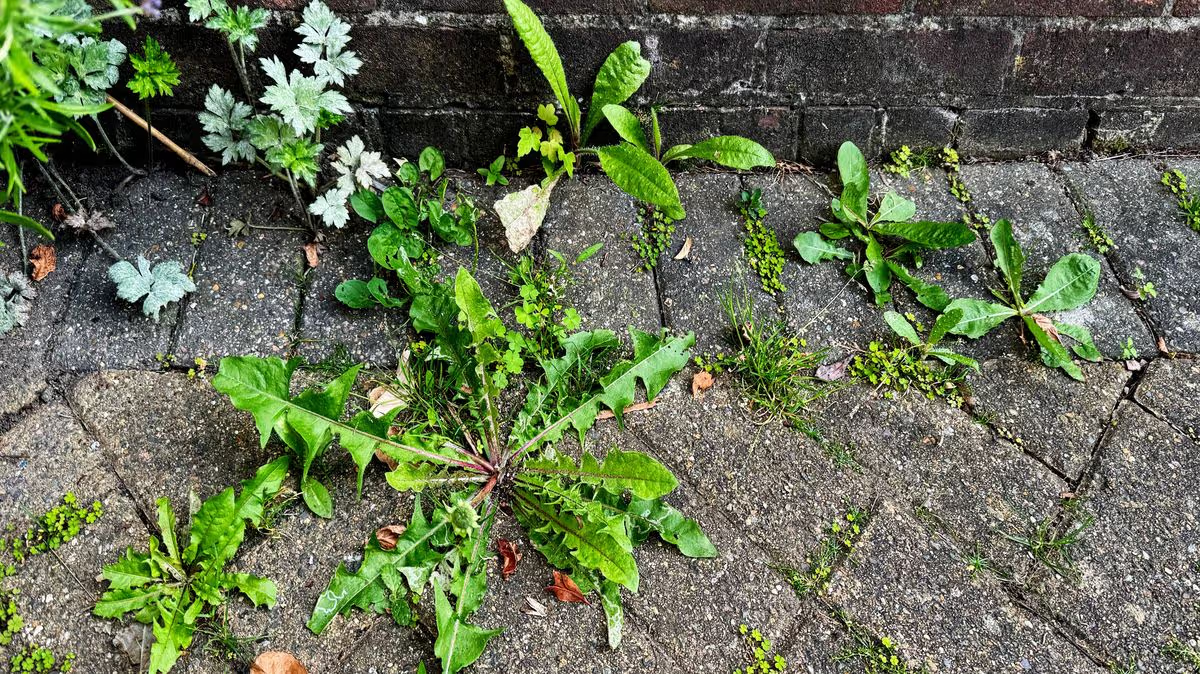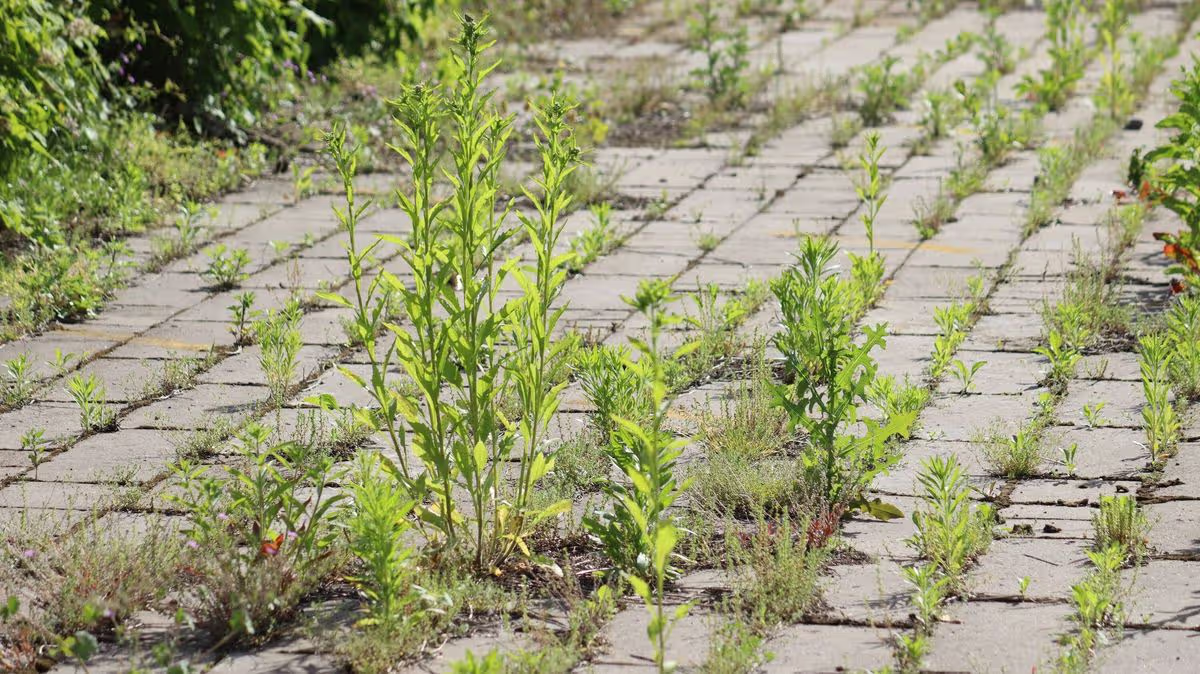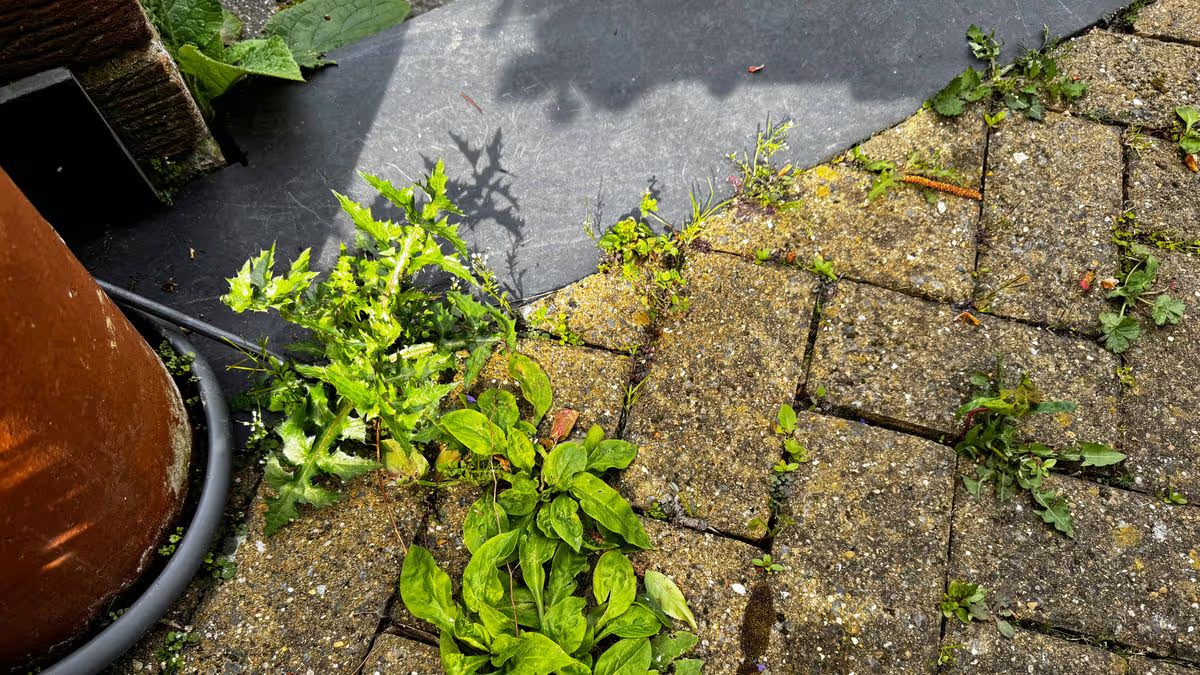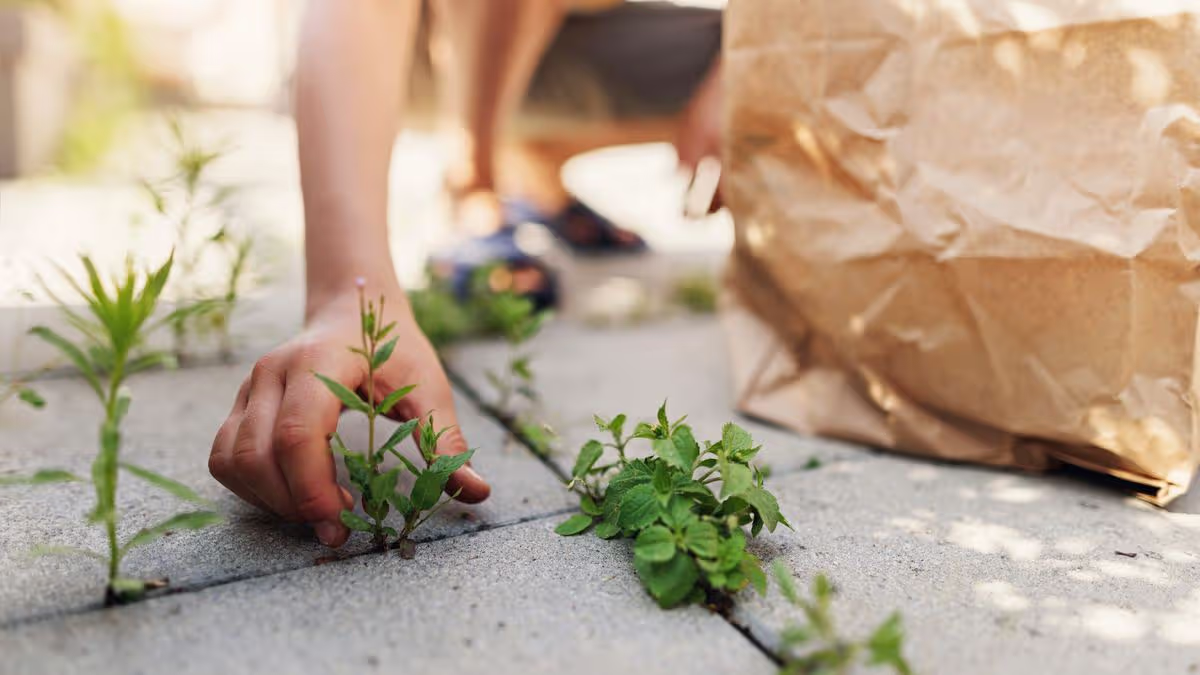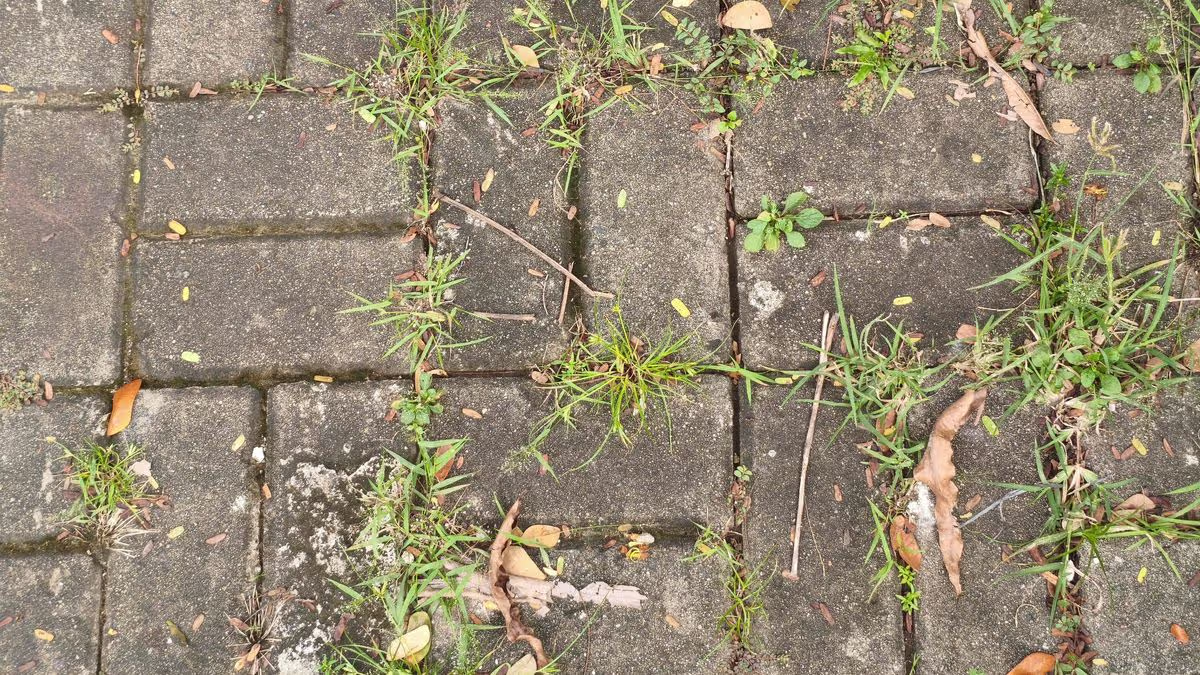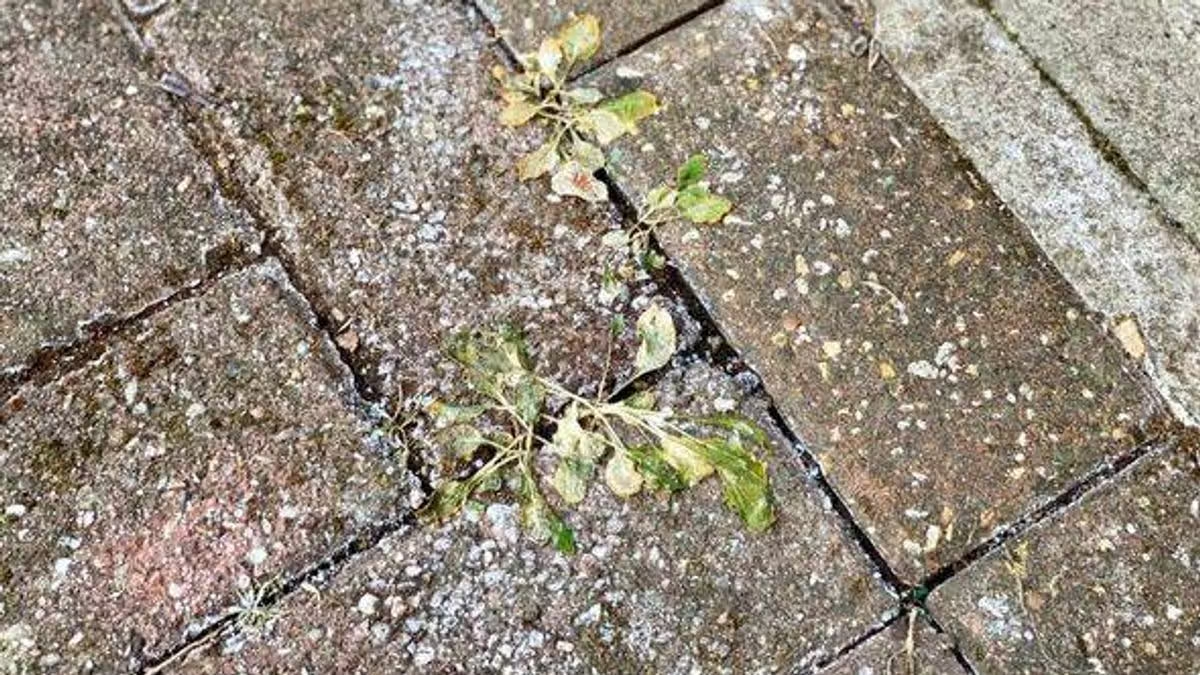
Weeds are a constant nuisance, so it would be rather nice if homemade weed killers actually worked09:22, 03 Jul 2026Updated 09:24, 03 Jul 2026Weeds are the bane of any gardener's life. Having your paving laid by a skilled landscaper should keep the problem largely at bay, but even the most expertly installed surfaces aren't entirely weed-proof.Soil and seeds can still find their way into the tiniest gaps between slabs, providing the perfect conditions for unwanted growth. Keen to put the natural remedies that gardening fans have championed for years to the test, Express.co.uk trialled four homemade solutions to determine whether they could eliminate weeds and keep them at bay.The contenders were salt, white vinegar, boiling water, and lemon juice — with two emerging as clear winners.Four natural weed killing methods, tried and tested1. Rock salt, tested by Angela PatroneHaving watched countless gardening experts sing the praises of salt as a patio weed killer, I was eager to try it out on my own paving. Specialists recommend rock salt as the most effective variety.It works by drawing moisture out of the weed, causing it to wither and die. The technique is said to deliver the best results when the ground is dry and rain isn't on the horizon, so I waited for a warm, dry spell before giving it a go.According to gardening specialist Chelsey at Good Grow, the "easiest, fastest and best way" to deploy salt as a weed killer is to sprinkle it on before dousing with boiling water. The boiling water speeds up the dissolving process while simultaneously scorching the weeds for a double-pronged attack.Venturing out into my garden, I was confronted by a sprawl of broadleaf and crabgrass weeds invading my patio. Though they weren't particularly large, they were certainly spoiling the appearance of my outdoor space and leaving it looking a mess.I kicked things off by putting the kettle on to boil. While I waited, I sprinkled salt directly onto the patio weeds I wanted to kill, ensuring it was concentrated precisely where needed.Once boiled, I carefully poured the water over the salt-covered weeds, keeping the kettle as close as possible to minimise any splashing. The kettle's spout proved particularly useful, allowing me to direct the stream of water straight onto the weeds while retaining maximum heat.Within an hour, the leaves and stems had begun to wilt and turn brown. Salt acts as a contact herbicide, destroying every piece of plant tissue it comes into contact with.By applying the salt and boiling water into the gaps between the paving slabs, I was hopeful it would penetrate deep enough to kill the roots and finish off the entire plant.Nine hours on, the weeds were completely finished, making them straightforward to remove. No specialist equipment was required— an ordinary screwdriver did the job perfectly well.Keen to know whether they'd return, I kept a close eye on the area over the following fortnight, and not a single weed had reappeared.2. White vinegar, tested by Phoebe CornishNo natural gardening solution would be truly complete without white vinegar, so I put it to the test. Following the advice of Martha Stewart, the lifestyle guru champions this ingredient as an effective weed destroyer, working as a contact herbicide when applied directly to broadleaf weeds.This naturally acidic kitchen staple performs best on actively growing weeds that aren't suffering from drought. So, following a wet spell the previous day, I headed outside to my driveway on a warm, muggy afternoon to tackle the abundance of weeds sprouting through tiny fissures in the concrete.I'd prepared my vinegar mixture beforehand, using just under 500ml of distilled white vinegar combined with a quarter teaspoon of washing-up liquid. Martha's instructions call for one gallon of vinegar mixed with one tablespoon of Fairy liquid, though that felt over the top considering my spray bottle could only accommodate 500ml.I measured out the vinegar into a jug before mixing in the washing-up liquid. After combining thoroughly, I transferred the soapy solution into a clean spray bottle.The acetic acid within the vinegar is what destroys weeds, though it's worth noting it only works on the sections of the plant it touches directly. This means it could potentially harm adjacent plants if sprayed carelessly, although I encountered no such problems on my driveway.Craig Elworthy, founder of Lawnbright, advises: "Allow the vinegar weed killer to sit on the weeds for several hours or overnight. You should notice a big difference by the next day."But was it successful? To my astonishment, the weeds appeared bleached and withered just hours after drenching them in the vinegar mixture. When I returned the next day to inspect the results, I was genuinely amazed by how well this gardening trick had worked.It's an excellent technique for weakening and flattening weeds before yanking them from the soil, though you'll still need to properly pull out the roots to stop them returning.I also found that the vinegar-treated weeds came out at the root far more easily in one clean pull compared to the untreated ones. Overall, it's definitely worth doing considering it takes mere minutes to prepare and use.The results really do speak for themselves.3. Lemon juice, tested by Ketsuda PhoutinaneLike vinegar, lemon juice's acidic properties are supposedly brilliant for naturally killing weeds. It's got a much more pleasant aroma too, making it perfect for tackling the problem that has the nice two-for-one side effect of repelling cats, as they hate the smell of citrus.Armed with juice from three lemons (which amounted to about 100ml in total), I ventured into the garden feeling doubtful yet optimistic about this horticultural experiment. Without a spray bottle to hand, I did my utmost to coat the weeds' foliage and roots.Sadly, it proved unsuccessful. If anything, the weeds appeared more vigorous 24 hours on.In fairness, the heavy rainfall that blessed Scotland over the weekend may have washed the lemon juice away, so I wouldn't dismiss this approach entirely and would try it again.4. Boiled water, tested by Sophie LawBoiling water is frequently promoted as a straightforward, chemical-free weed killer, so I was intrigued to test whether it could deal with a dandelion sprouting in the gravel of my garden.Armed with a freshly boiled kettle, I poured it directly onto where the weed's leaves met the soil. This extreme heat supposedly destroys the plant's cell structure, stopping photosynthesis and causing it to perish.I immediately witnessed the dandelion leaves and flower droop dramatically, which was rather gratifying, truth be told. Yet 24 hours on, the dandelion was still there.It appears well-established weeds possess deeper roots that boiling water on its own finds difficult to entirely eliminate.Article continues belowFor now, if you're after a faster solution, the boiling water approach is likely most effective for small, freshly emerged weeds instead of mature specimens, unless you're prepared to repeat the procedure numerous times to fully eradicate the intruders.On the positive side, boiling water is entirely safe, eco-friendly, and needs no special ingredients — just popping on the kettle.. Unlike chemical weed killers, it won't damage nearby plants or deposit harmful residues in your soil, making it perfect for vegetable patches or areas around pets and youngsters.
We tested 4 natural weed killers on patio weeds — 2 delivered instant results
Weeds are a constant nuisance, so it would be rather nice if homemade weed killers actually worked
1,187 words~5 min read