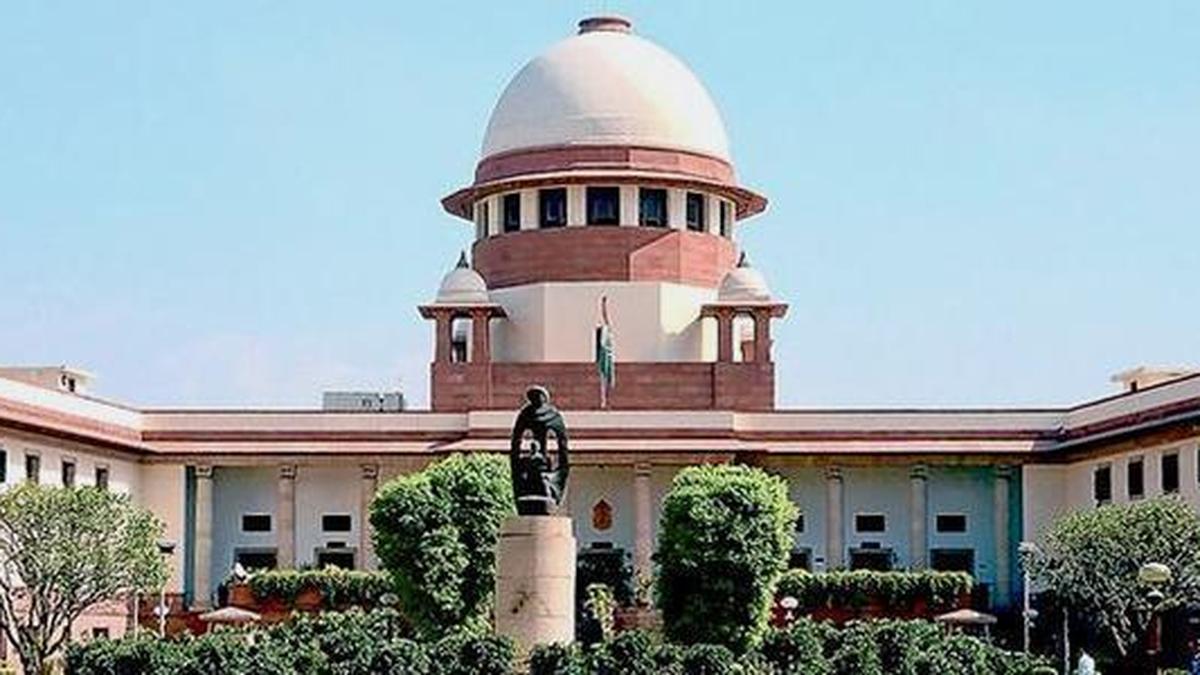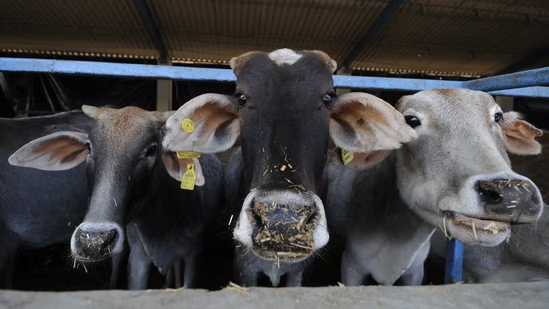
The Madhya Pradesh High Court on Wednesday took suo moto cognisance of death threats and communal abuse directed at a Muslim judge in Narmadapuram district after she convicted seven men in a 2022 case where a truck driver was assaulted by a group that claimed he was a cattle smuggler, Live Law reported on Friday.On June 12, Additional District and Sessions Judge Tabassum Khan sentenced seven men for killing truck driver Sheikh Lala Nazir Ahmed in Barakhar village of Seoni Malwa tehsil.Soon after, videos containing death threats and communal slurs were shared on social media. Videos also showed effigies of the judge being burnt in some of the protests.On Wednesday, a division bench observed that such actions undermine judicial independence. The court directed that the Khan should continue to receive police protection as an interim measure.Threats against judges “directly hampers the judicial independence and fearless working of our judicial officers”, Live Law quoted the bench of Justices Vivek Agarwal and Avanindra Kumar Singh as observing.The court also directed the Madhya Pradesh director general of police and the additional chief secretary or principal secretary (home) to file personal affidavits detailing the steps taken to ensure Khan’s security and the action taken against those responsible for the threats.The bench observed that judicial orders are subject to appeal and revision under the law. It added that “our judicial officer cannot be threatened merely because he or she chooses to pass a particular order and that is not of liking of the certain section of the society”.On Wednesday, the Supreme Court Advocates on Record Association issued a statement saying that it “unequivocally condemns the threats and targeted social media campaign” against Khan.On June 23, the police registered a first information report against unidentified persons under provisions of the Bharatiya Nyaya Sanhita pertaining to promoting enmity and using words to deliberately hurt religious feelings.The caseOn August 2, 2022, Nazir Ahmed and two others were transporting cattle from Nandarwada village to Maharashtra when their vehicle was intercepted near Barakhad by a mob armed with sticks and wooden rods, according to the prosecution.Ahmed later died of his injuries, while the two others survived.In her judgement, Khan held that the prosecution had proved the charges beyond reasonable doubt.Despite the two surviving occupants turning hostile during the trial, the court relied on medical and forensic evidence, along with the recovery of blood-stained weapons and clothing to convict the seven men.Edited by Tanya Shrivastava.
Madhya Pradesh HC takes cognisance of death threats to Muslim judge after lynching verdict
Such actions ‘directly hamper the judicial independence and fearless working’ of judicial officers, the High Court said.
404 words~2 min read