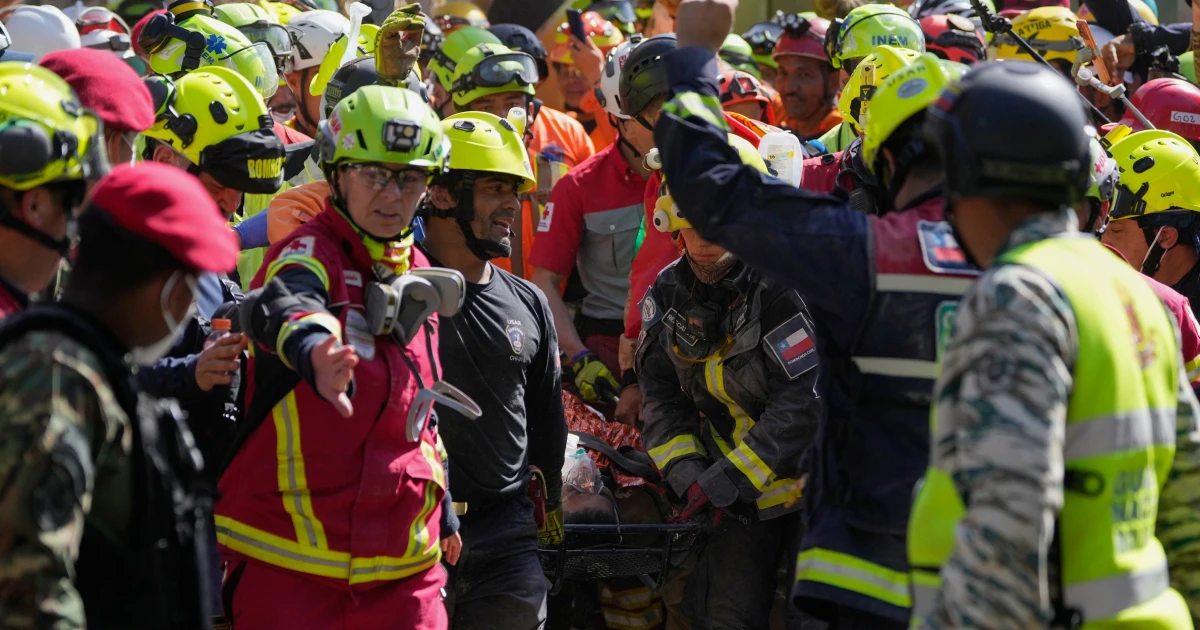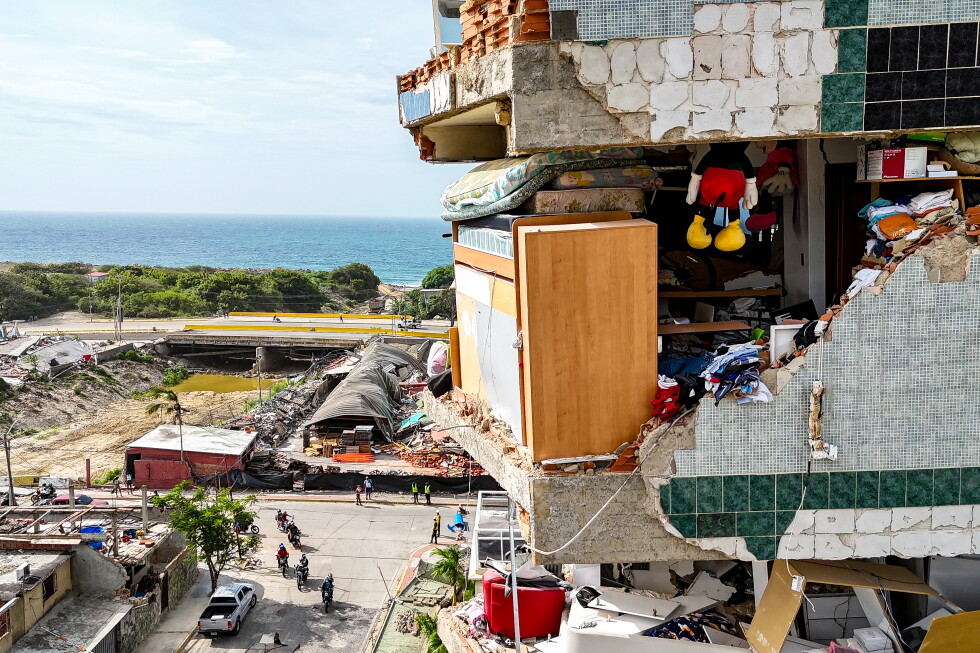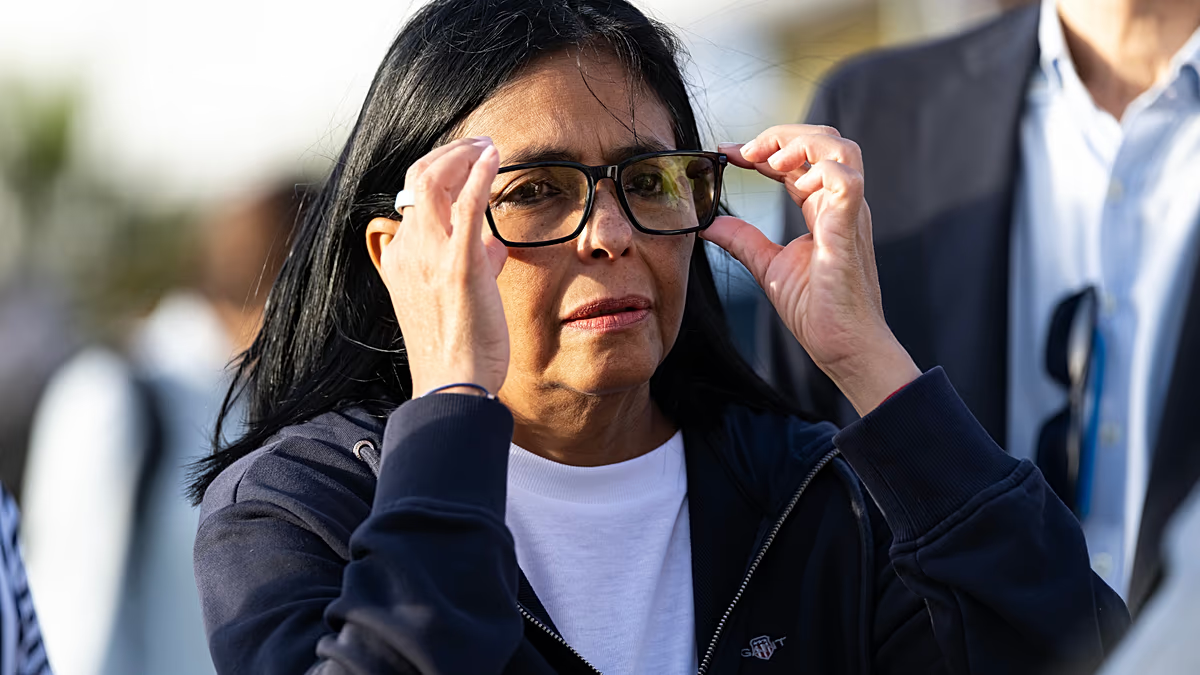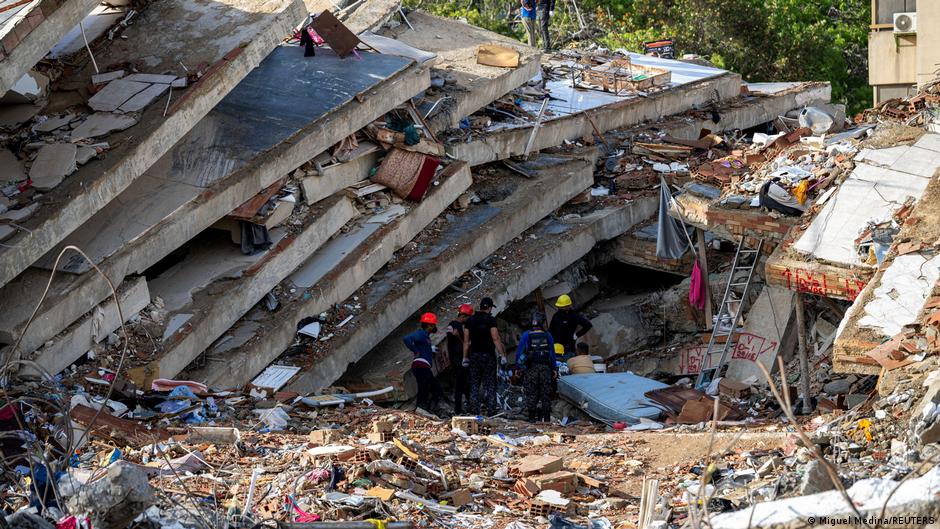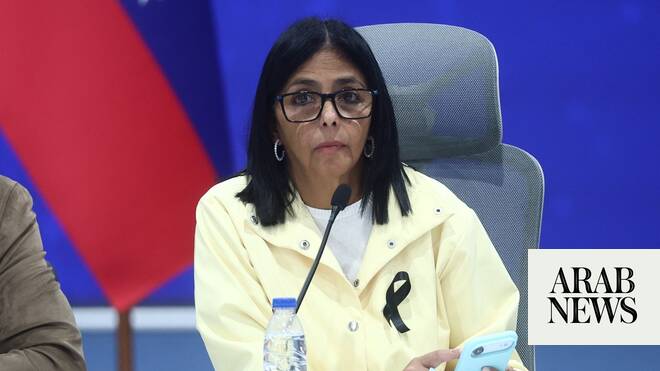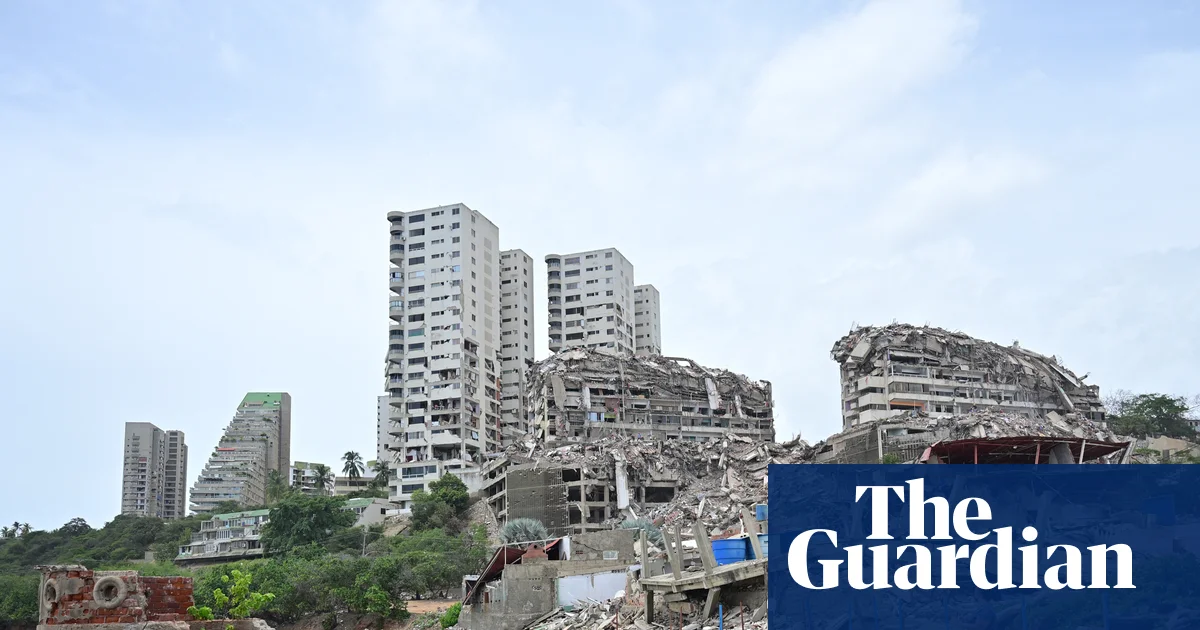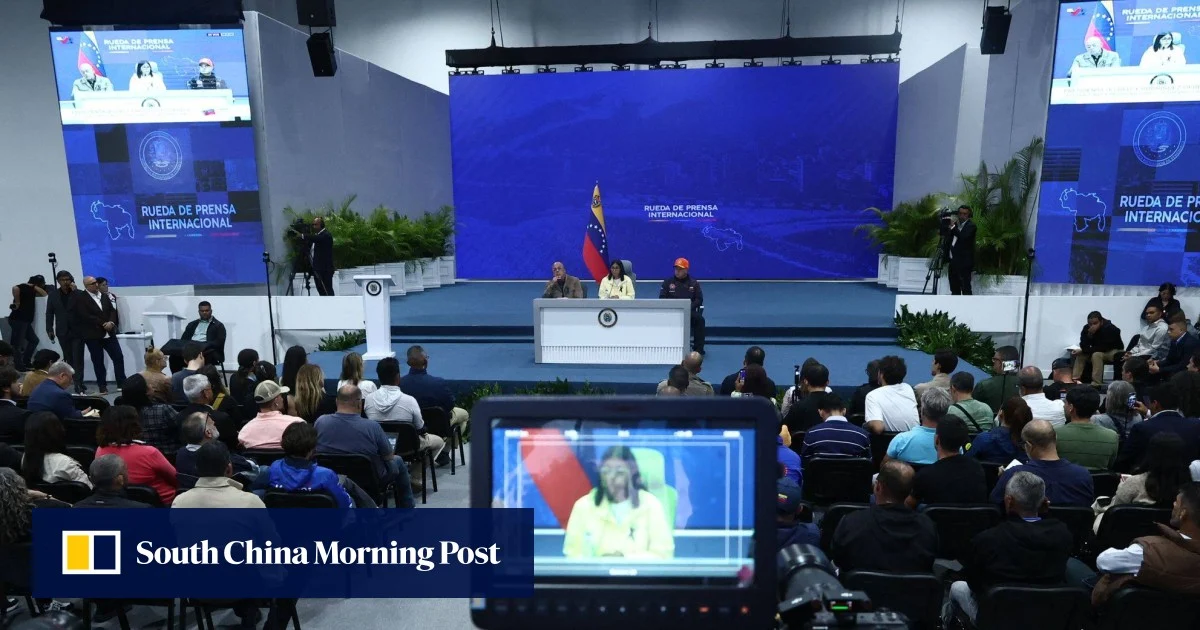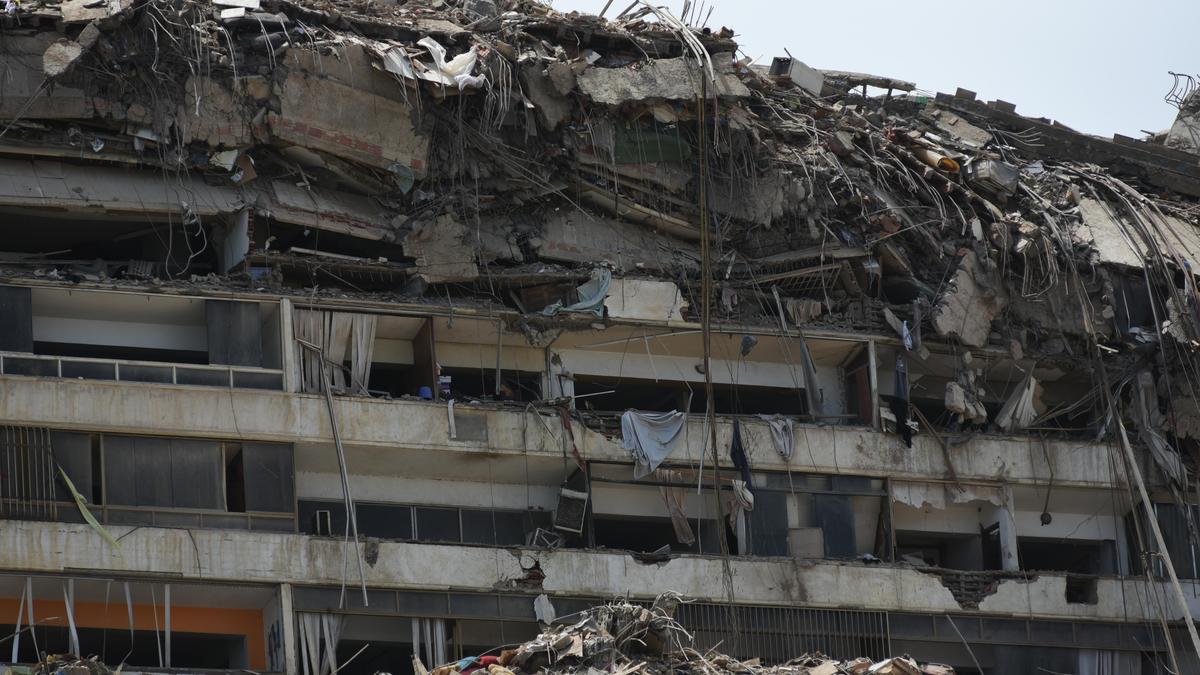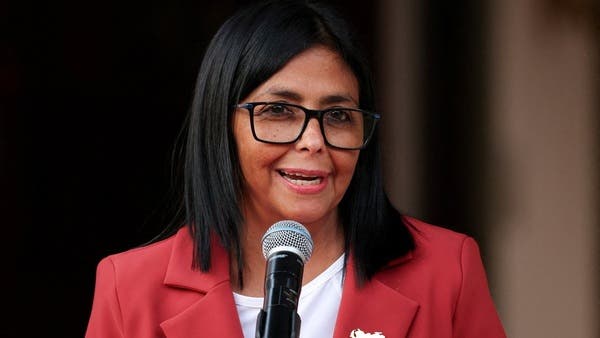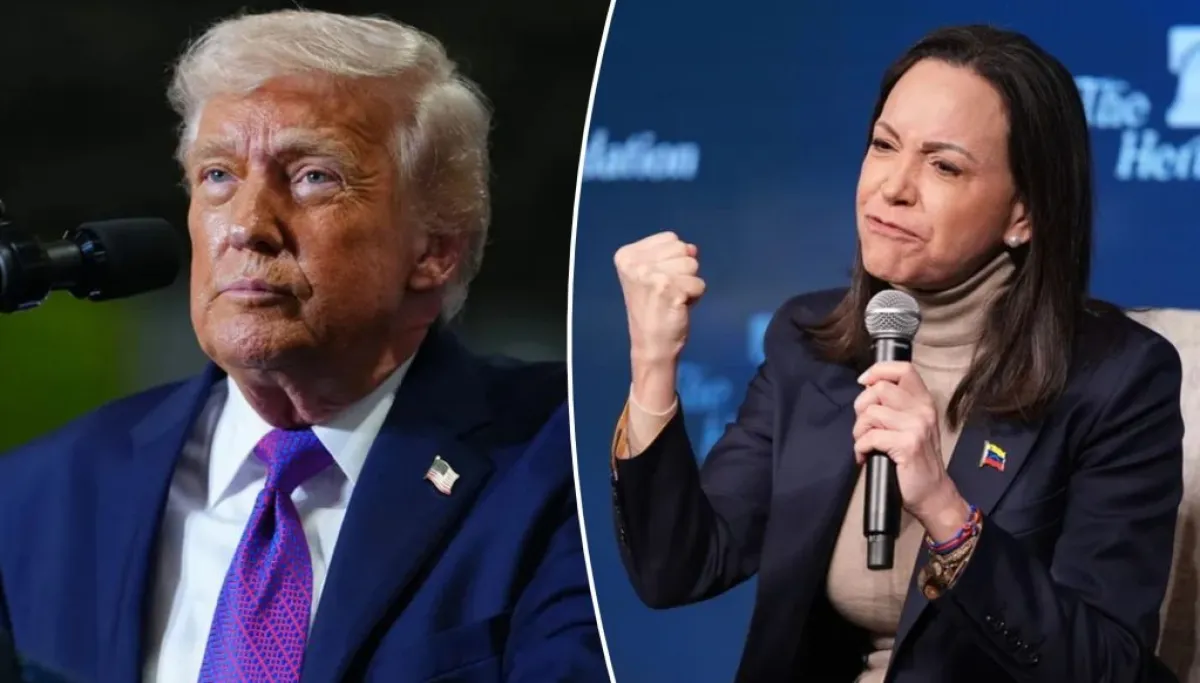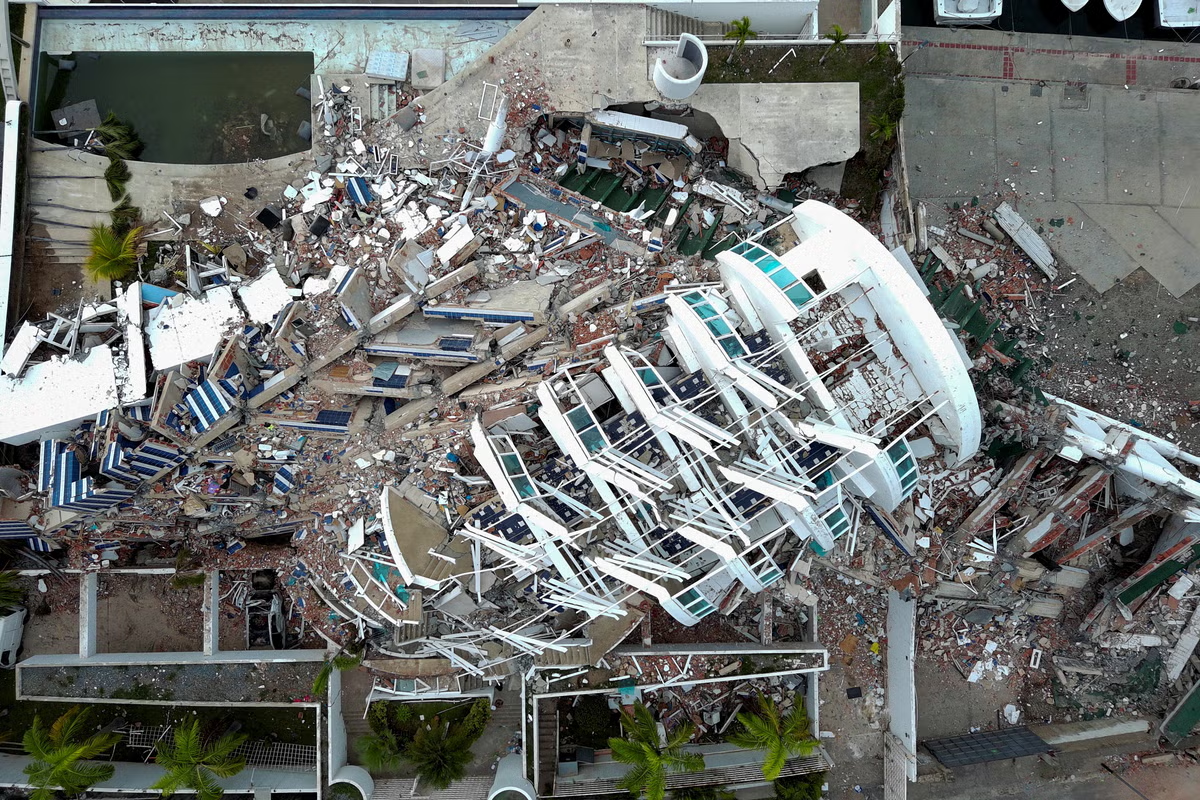
Venezuela’s acting president has strongly defended her government’s response to the recent twin earthquakes that killed about 2,595 people and left thousands unaccounted for.The Venezuelan government has been accused of remaining largely absent in the first 48–72 hours of the earthquake, downplaying the death toll, poor coordination and underlying systemic failures.Two 7.2- and 7.5-magnitude earthquakes – the bigger one the strongest to hit the country in more than a century – toppled or damaged 58,000–59,000 buildings, especially in La Guaira, the hardest-hit coastal state and parts of Caracas, and displaced at least 15,800 people.Delcy Rodriguez, Venezuela's interim president, speaks during a press conference regarding the situation in Venezuela after the double earthquake that struck the country, at Miraflores Palace (Getty)Residents in La Guaira have lashed out at the self-described socialist government of Delcy Rodríguez, alleging that the initial absence of a serious government search-and-rescue operation left them alone to scour for neighbours and loved ones with their bare hands.Rescuers also lamented the country's alleged shortage of specialised equipment. Experts warned that substandard construction of social housing projects – a hallmark policy of former president Hugo Chávez – left neighbourhoods vulnerable to quakes.However, Ms Rodríguez fiercely defended her government at a press conference in capital Caracas, late Thursday, saying politicisation of human tragedy is “disgraceful”."We did not wait one day, two days or three days. We activated immediately," she said, wearing a black ribbon as a symbol of mourning.A drone view shows collapsed buildings, in the aftermath of earthquakes, in La Guaira, Venezuela (Reuters)"Naturally, at the sites where the building collapsed, the first people to arrive were survivors of the collapse itself, relatives and neighbours," she said.She tore into media outlets, saying the criticism is "narratives manufactured in propaganda laboratories.”"To politicise a humanitarian tragedy like this – when the Venezuelan government and its authorities have spared no effort, public, private, national, or international – is disgraceful."She said the death toll has climbed to 2,595, with more than 12,400 wounded. Rescuers work at the site of a collapsed building, in the aftermath of earthquakes, in La Guaira (Reuters)More than 38,000 reports of missing people – many of them likely buried beneath the rubble – have been sent to a website set up by the Venezuelan opposition, as the government has not released official figures.On reports that the United Nations was procuring 10,000 body bags, Ms Rodríguez defended her government's tally of the tragedy’s toll. "We do not want to speculate," she said. "The numbers we provide are rigorously verified."An air of hopelessness is setting as rescue teams’ mission to find survivors has increasingly turned to the recovery of corpses, with nine days having passed since the earthquake struck.Rescuers work at the site of a collapsed building, in the aftermath of earthquakes, in La Guaira (Reuters)The stench of decomposition hung heavy over streets of flattened buildings and the port city of Catia La Mar was crowded with emergency officials carrying the bodies of victims in body bags and arranging wooden coffins.Residents have spoken of graphic scenes they witnessed in the aftermath of the attack. Rosa López, a nurse, said she had to sidestep the rows of bodies lying under a harsh sun as she helped her daughter search for her missing husband. Even her years working as a nurse did not prepare her for the sight of the dozens of dead wrapped in sheets or blankets.“We saw a lot of bodies that had not yet been identified,” López said.José Antonio Toledo, Ms López's 25-year-old son-in-law, was found beneath the building where he had been working as a security guard when the earthquake struck. Rescue crews took his body to a local hospital, but it was turned away because there was no room. A pile of clothes lies on the ground in front of a partially collapsed building in Caraballeda, La Guaira state, Venezuela (AFP/Getty)It was then transferred to another facility before eventually ending up in an open-air car park.A forensic doctor helped the family locate him several days later, on Saturday. But after finally identifying his body, they were left with another ordeal – they could not afford the $450 fee demanded by a funeral home, leaving them unsure how they would bury him.Meanwhile, Ms Rodríguez publicly welcomed aid and rescue teams from the Trump administration and its regional allies.It was in contrast to the aftermath of Venezuela's catastrophic 1999 landslides, when then-President Hugo Chávez rejected offers of assistance from an adversarial US.She praised president Donald Trump and secretary state of Marco Rubio, saying they "remained constantly attentive and offered support."
Venezuela defends earthquake response amid mounting criticism
Interim leader praises Donald Trump and Marco Rubio for support
758 words~3 min read