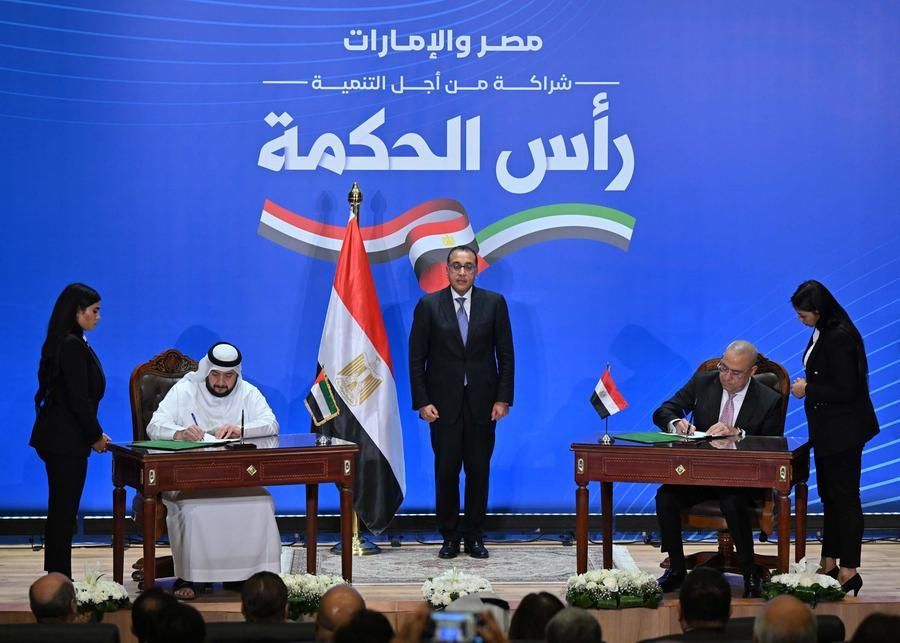
The latest discussions between Egypt and the United Arab Emirates on expanding natural gas production in the Nile Delta represent more than another investment agreement in the energy sector.
The latest discussions between Egypt and the United Arab Emirates on expanding natural gas production in the Nile Delta represent more than another investment agreement in the energy sector. They illustrate a broader transformation underway across the Middle East and North Africa (MENA), where energy security, technological capability and regional capital are increasingly being mobilised from within the Global South rather than relying exclusively on Western financing and expertise.
For decades, energy partnerships in the MENA region largely followed a familiar pattern. Resource-rich states exported hydrocarbons while multinational energy companies from Europe and North America supplied technology, finance and operational expertise. That model is gradually evolving. Today's agreements increasingly reflect cooperation between emerging economies that possess complementary strengths and shared strategic interests.
Egypt occupies a unique position in this transition. It is simultaneously an African, Arab and Mediterranean nation, giving it significant geopolitical value. While its domestic gas production has fluctuated in recent years because of declining output from mature fields and rising domestic consumption, Cairo remains determined to restore its status as a regional energy hub. The country's existing liquefied natural gas (LNG) export infrastructure, strategic location along the Suez Canal and established pipeline connections position it as a gateway linking African producers with European and Asian markets.