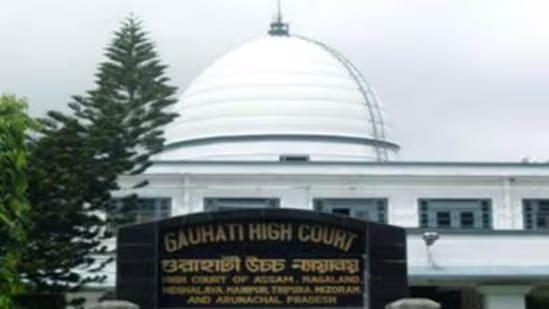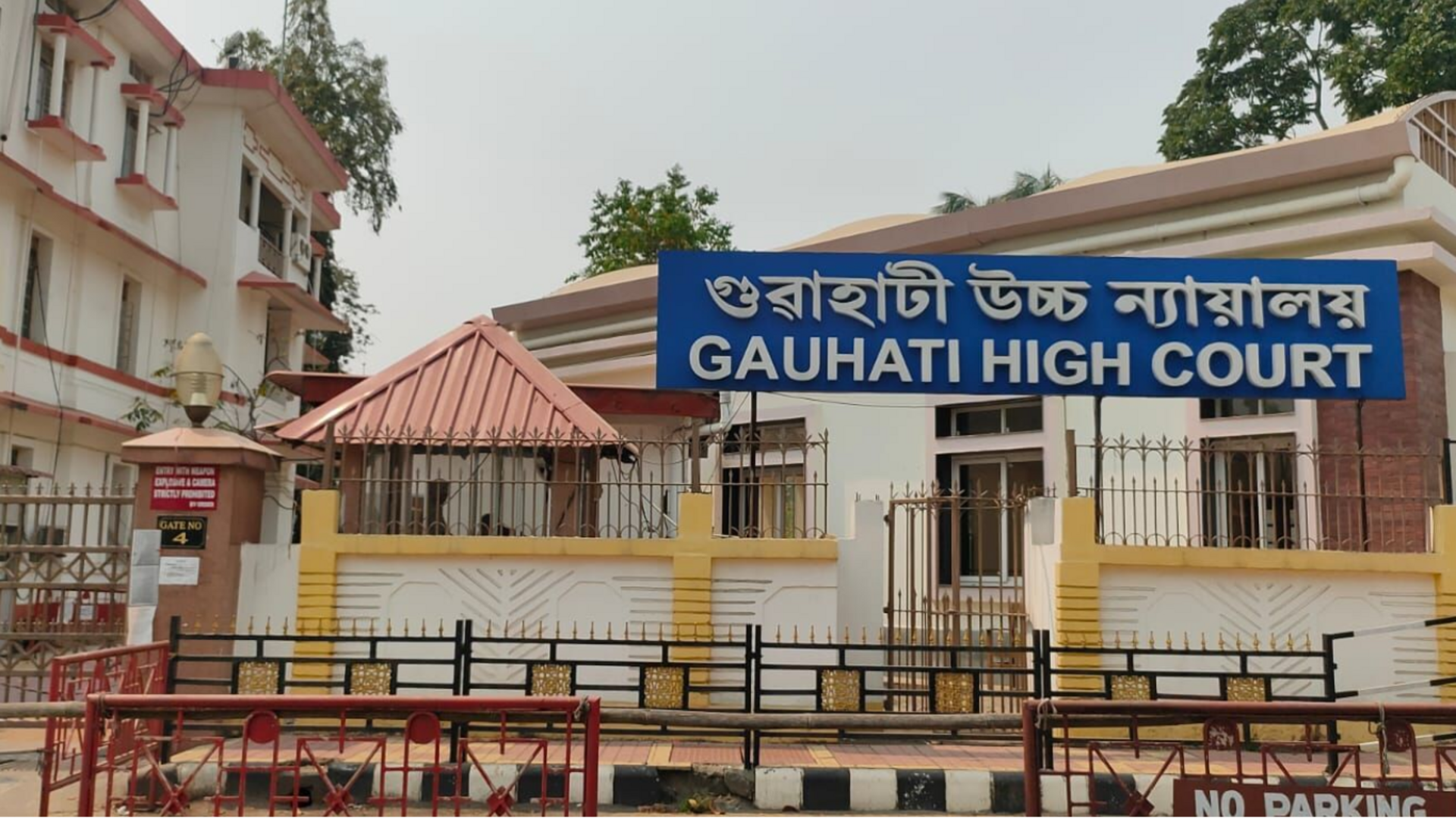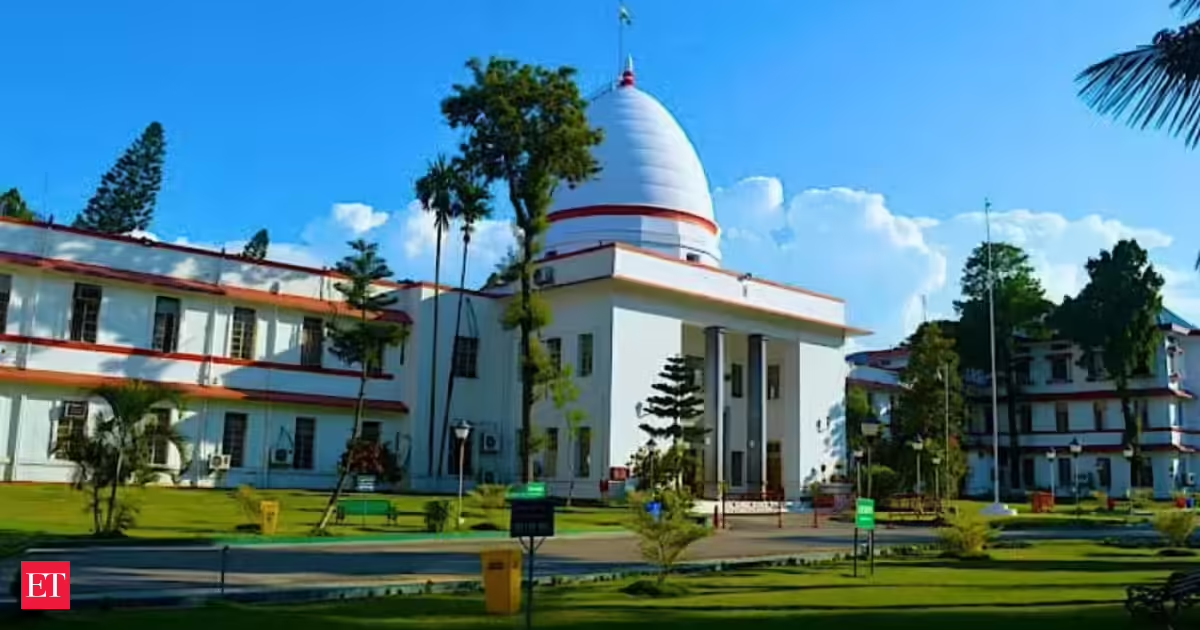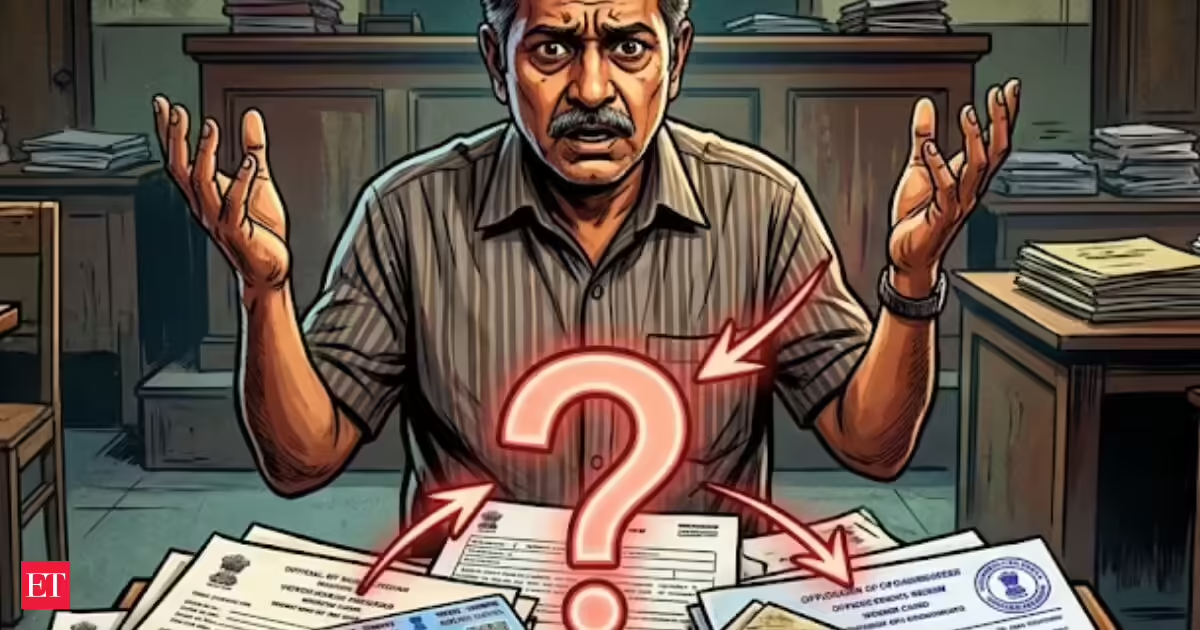
A day labourer from Guwahati who submitted 15 documents, including National Register of Citizens records, decades of voter lists, and land purchase papers, has failed to prove his Indian citizenship before the Gauhati High Court, reports ET Bureau.A bench of Justices Kalyan Rai Surana and Shamima Jahan, hearing the case on 30 June, held that despite the volume of documents submitted, the petitioner Aminul Hoque had not been able to discharge the burden placed on him under Section 9 of the Foreigners Act, 1946.Section 9 of the Act places the onus of proving citizenship squarely on the individual when a question arises about whether they are a foreigner.What Hoque submittedHoque's submissions to the court were extensive. He produced a certified copy of the 1951 NRC showing his grandparents' and father's names, voter lists from 1966 to 2017 carrying his parents' and his own name, land purchase documents from 1973, a PAN card, voter identity cards, and a school certificate.His father also appeared in court and identified Hoque as his son in person.The court, however, held that oral testimony alone, without admissible and relevant documentary evidence to back it up, was not sufficient to establish the link between father and son.Where the case fell apartThe central problem the court identified was the absence of a continuous, unbroken family trail across the voter lists of three villages: Dobakura, Ghugudoba, and Hashdoba.The bench noted that Hoque's defence relied on the argument that his family had shifted from one village to another over the years, and that name discrepancies across voter lists were simply recording errors. However, the court found that no documentary evidence had been produced to support the claim of these family movements.While the court said it would not take serious note of spelling variations in names, pointing out that Hoque's father appeared in records under four different name variants, it held that the gaps in the family's presence across the three village voter lists remained unexplained.The school certificate, issued by the headmaster of Hashdoba Anchalik High School in October 2017, also failed to help Hoque's case. The court noted that the person who issued the certificate did not appear before it to depose, and the school's admission register was never produced to verify the entries in the certificate.BackgroundIn February 2019, a foreigners tribunal in Assam's Kamrup district declared Hoque a foreigner. He subsequently approached the high court challenging that order.Hoque told the court he had been living in a rented house in village Borbori under Azara Police Station in Guwahati, working as a day labourer due to poverty. His counsel argued before the bench that the tribunal's original finding was based on minor name discrepancies and that the enquiry by the investigating officer had not been conducted fairly or properly.The bench, after reviewing the documents on record, disagreed and found the petition without merit, leaving the tribunal's foreigner declaration in place.(With ET Bureau inputs)
Man couldn't prove he was Indian in HC despite submitting voter ID, PAN card, NRC records among 15 documents
The Gauhati High Court has upheld a foreigners tribunal's declaration against Aminul Hoque, a day labourer from Guwahati, after finding that his 15 submitted documents failed to establish an unbroken family chain across voter lists of three villages. The court also held that his father's oral testimony was insufficient without corroborating documentary evidence.
483 words~2 min read