Listen
/
1.0x
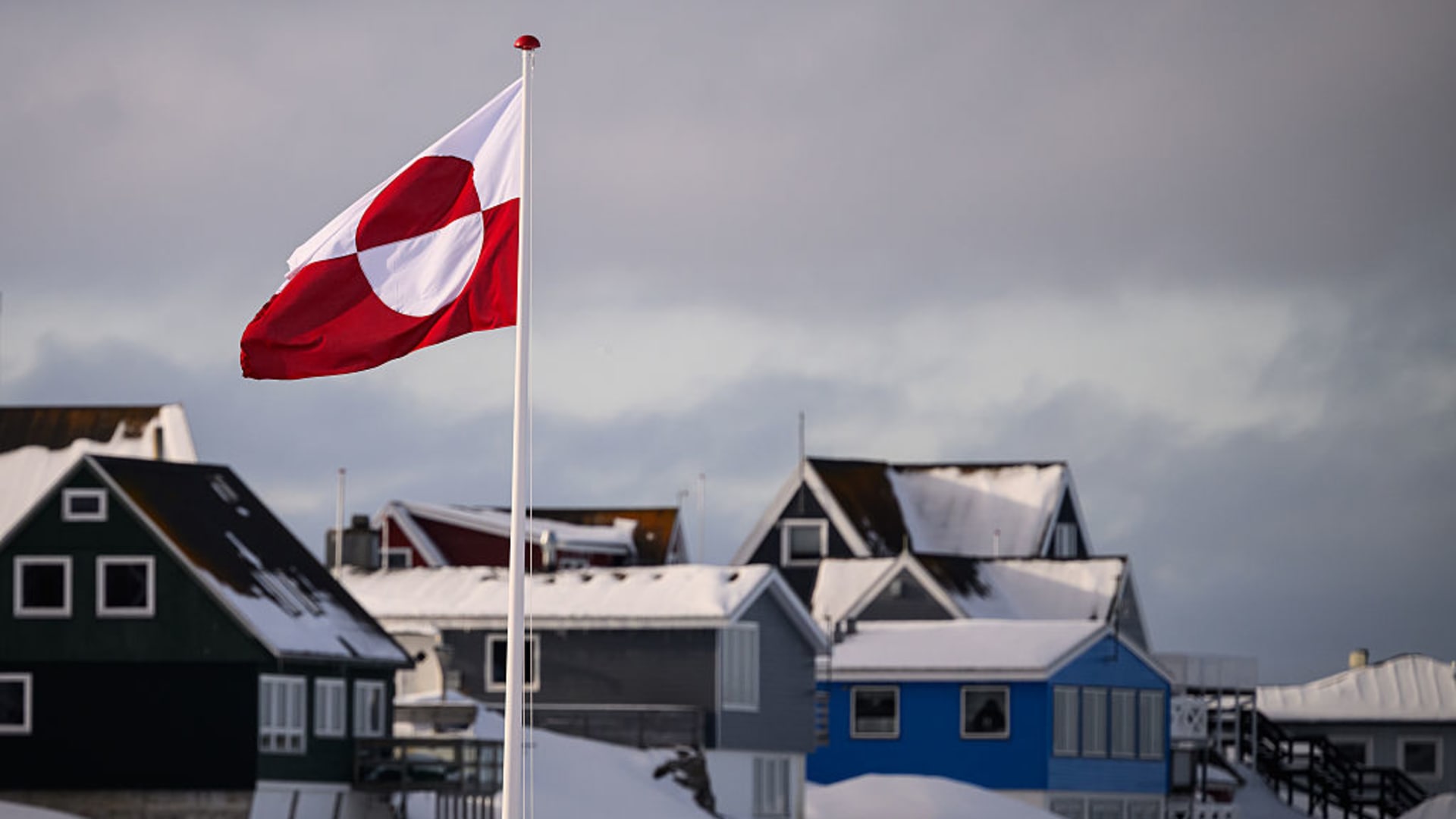
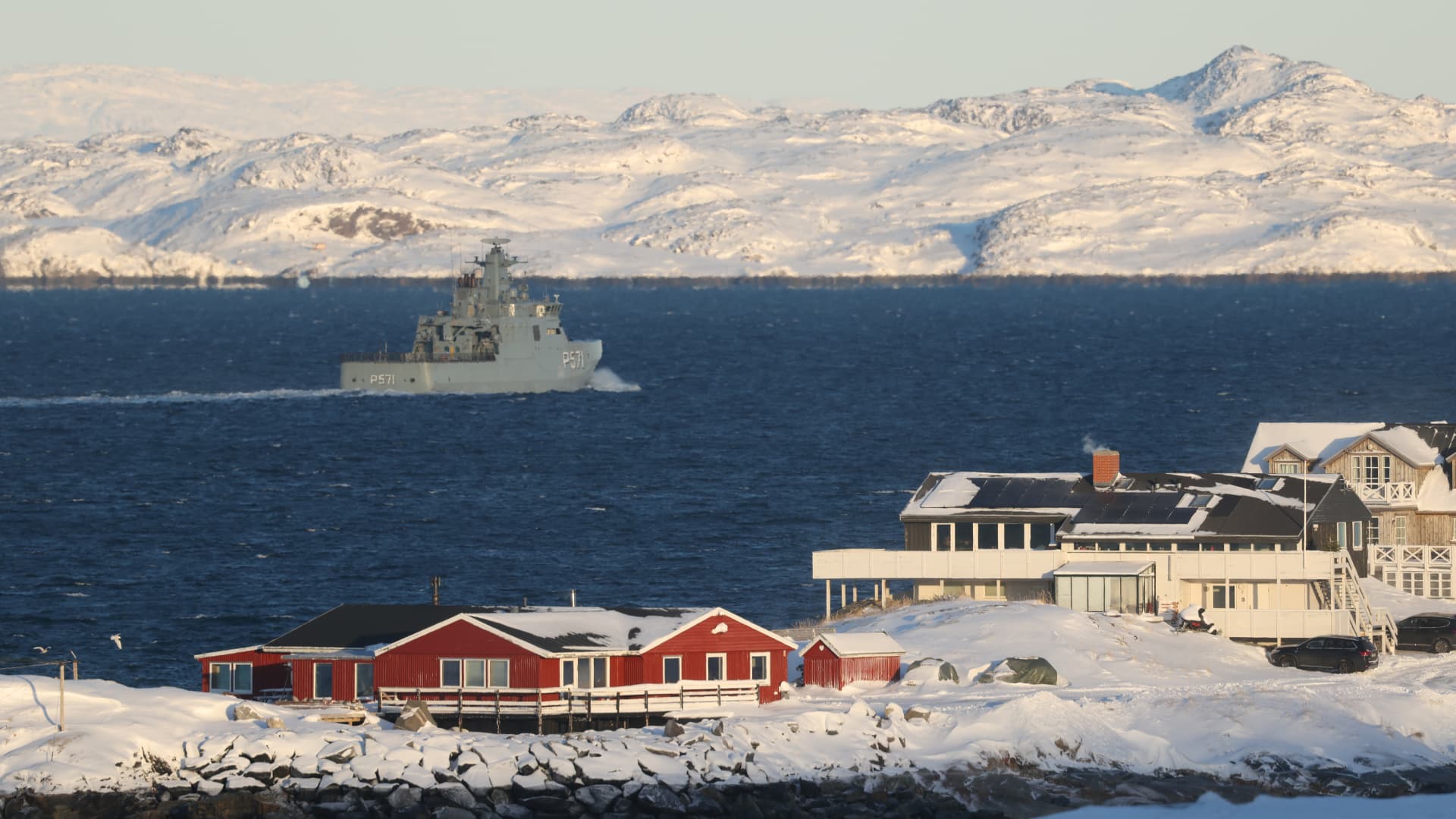
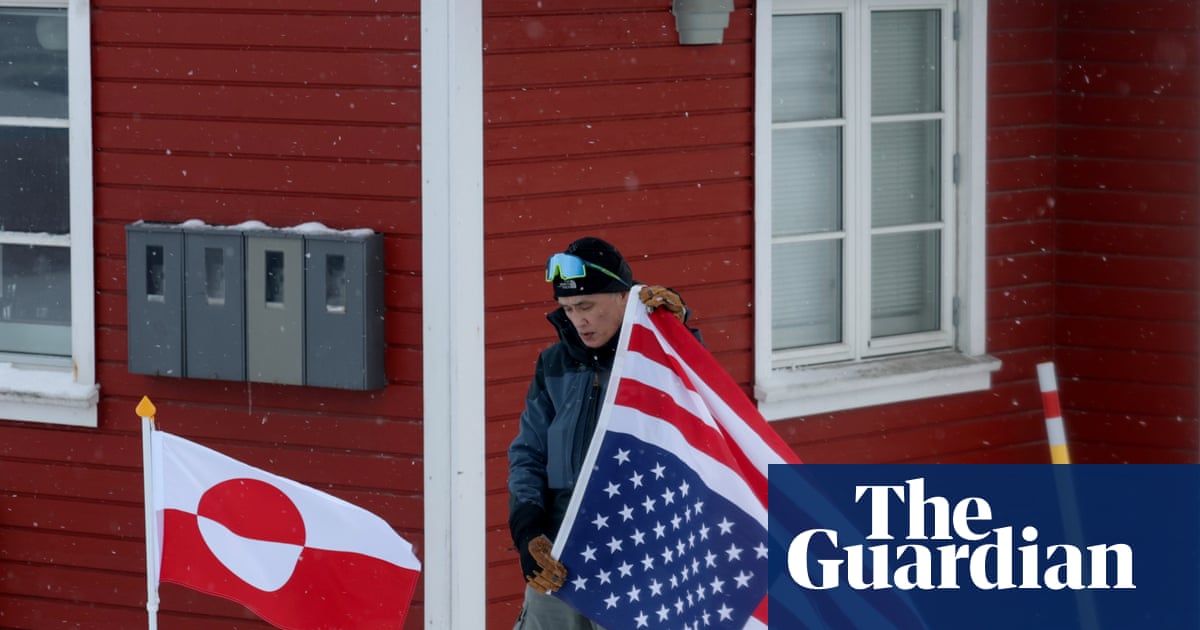
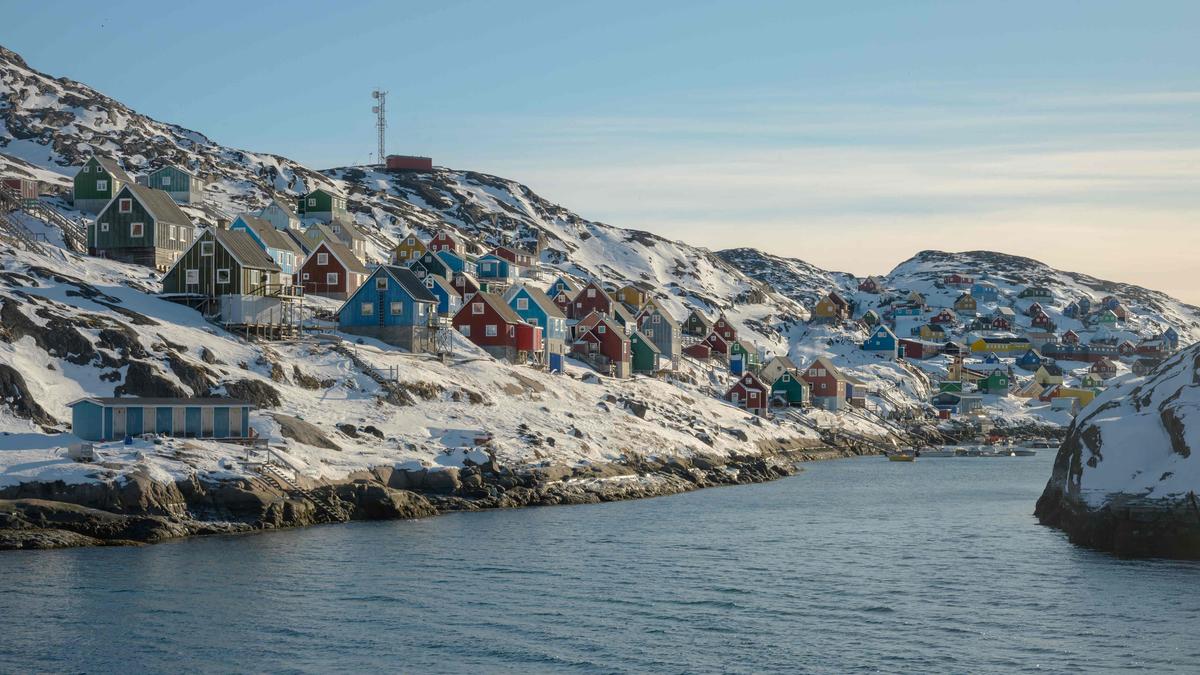
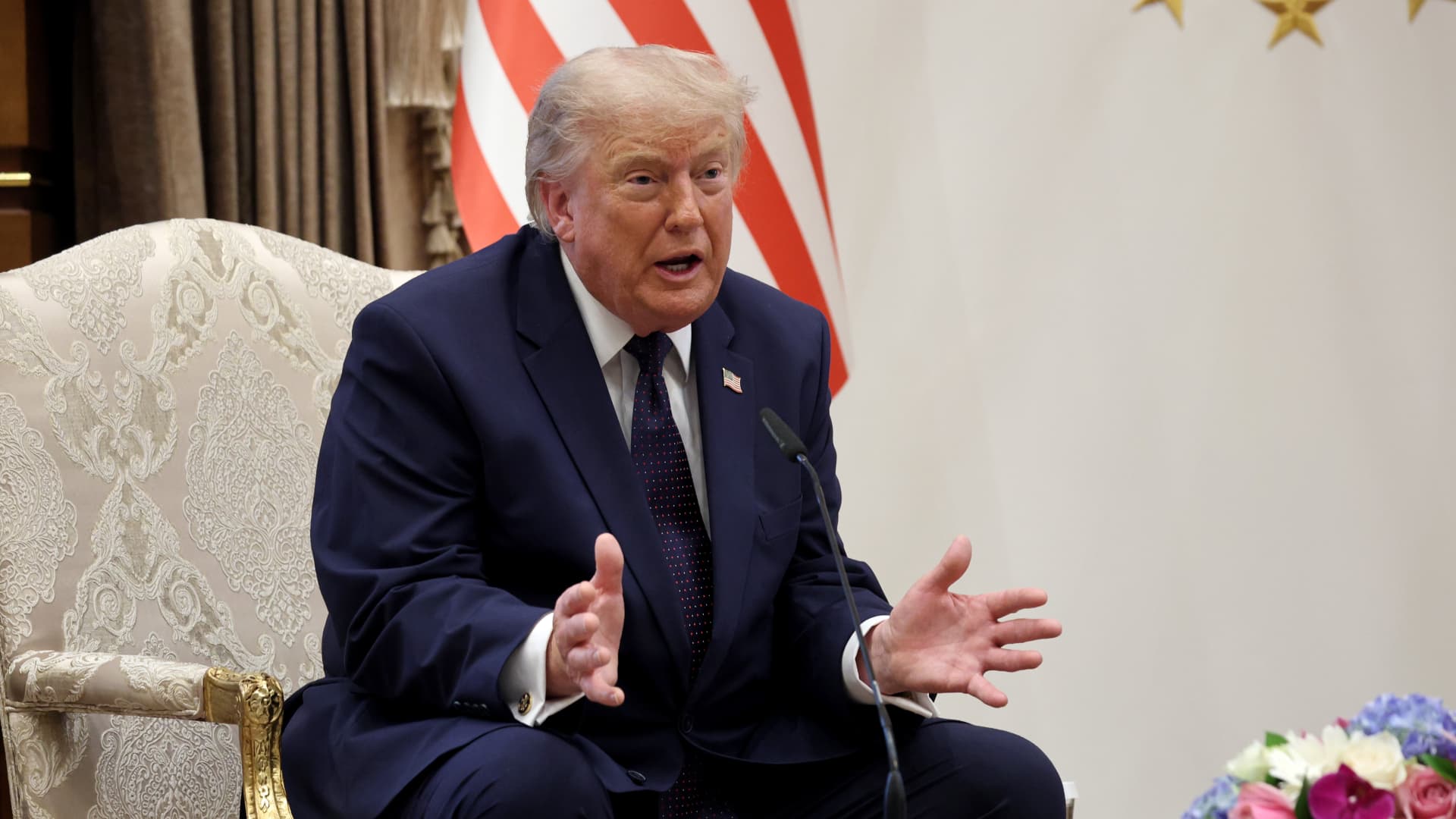
President Donald Trump’s threat to invade Greenland, an autonomous territory within the Kingdom of Denmark, a longstanding US ally, and a member of NATO, marked one of the most serious deteriorations in transatlantic relations in recent decades. Although this deterioration formed part of a broader foreign policy trajectory that Trump had set in motion during his first term and pursued more aggressively in his current presidency, threatening to withdraw from NATO, scaling back US support for Ukraine’s war effort, and imposing steep tariffs on European imports, the European response to his threat against Greenland went well beyond previous reactions. Europe threatened retaliatory tariffs on American imports and began increasing defence spending to offset the shortfall created by reduced US financial and military contributions to NATO and to Ukraine’s war against Russia. More significantly, Trump’s threat to invade Greenland prompted an unprecedented military response, coordinated between Denmark and several European countries, led by Germany and France, with the participation of Sweden and Norway, to strengthen the island’s defence in the face of his threats. These developments have raised fundamental questions about the future of NATO should its own members find themselves in direct confrontation.