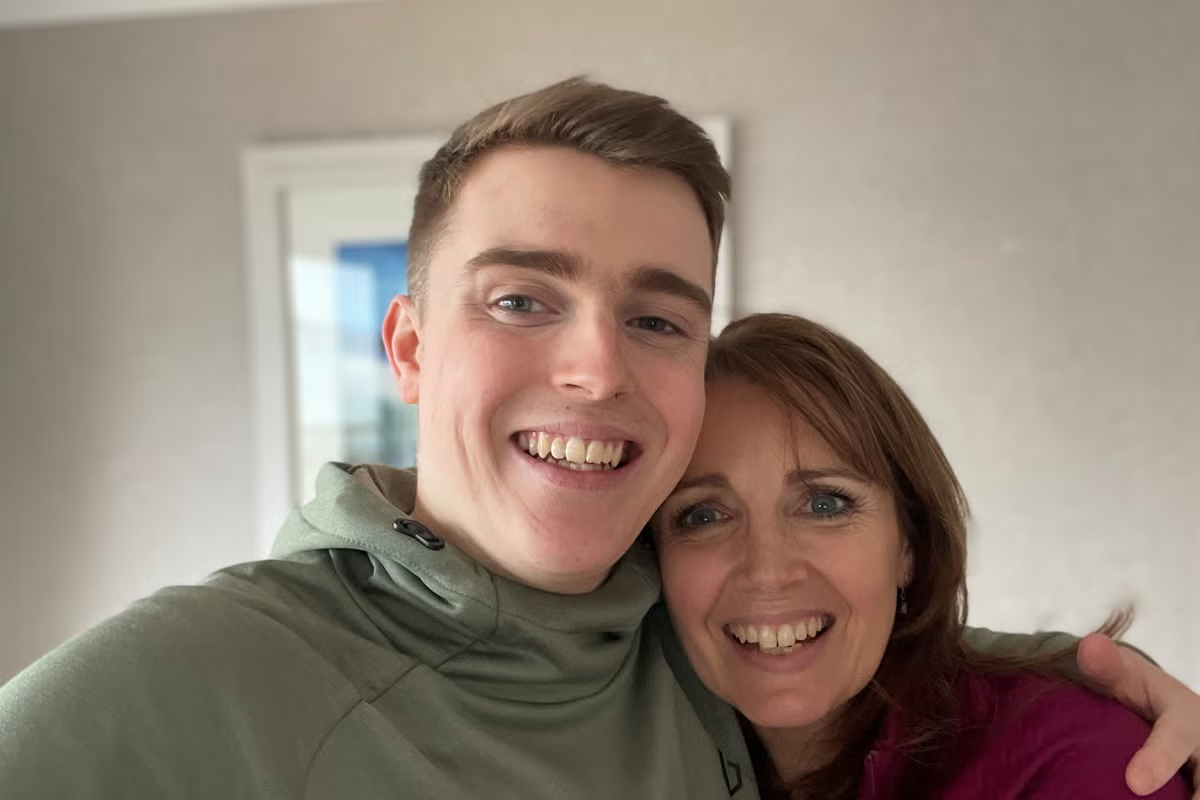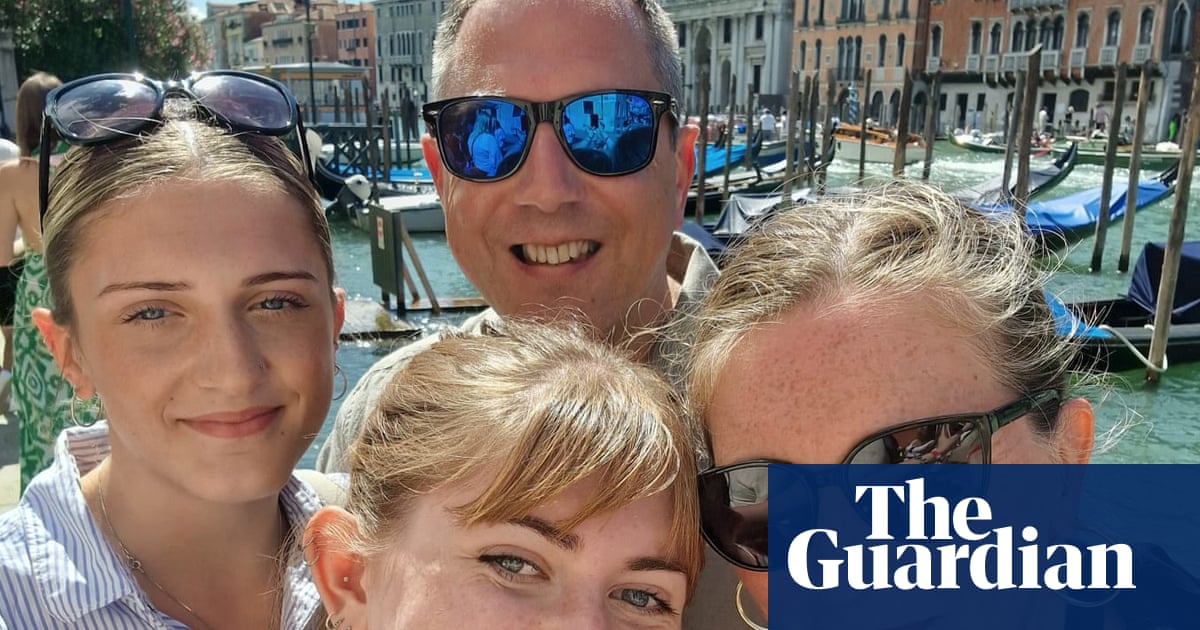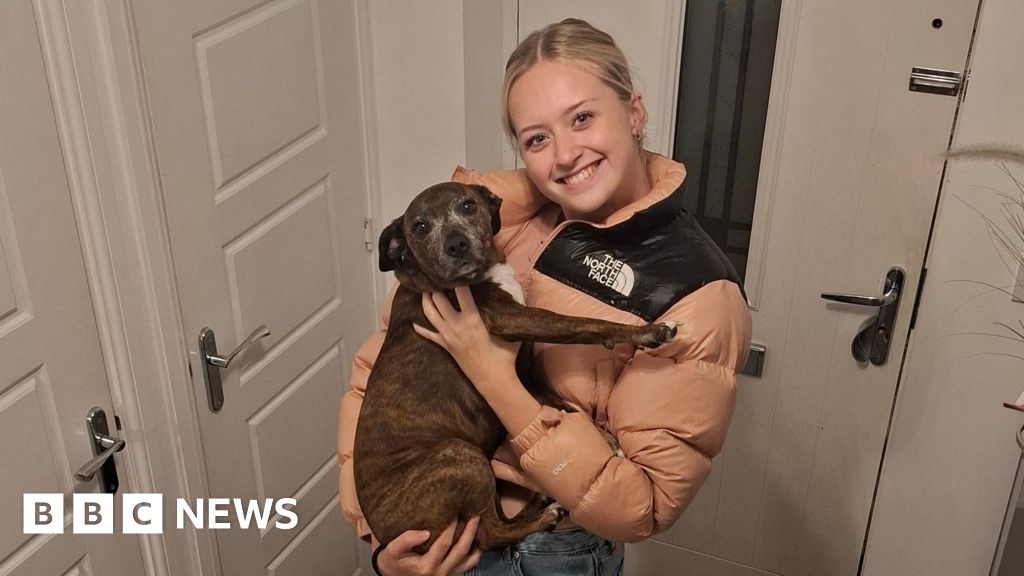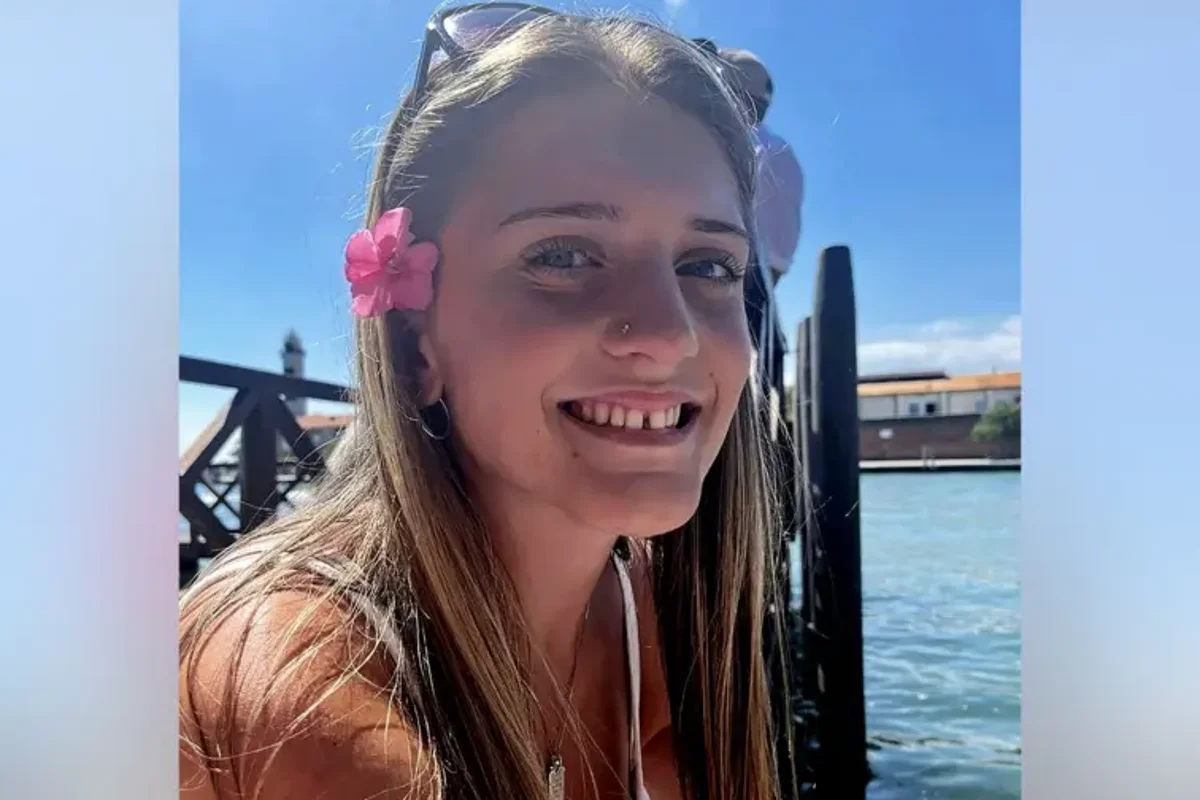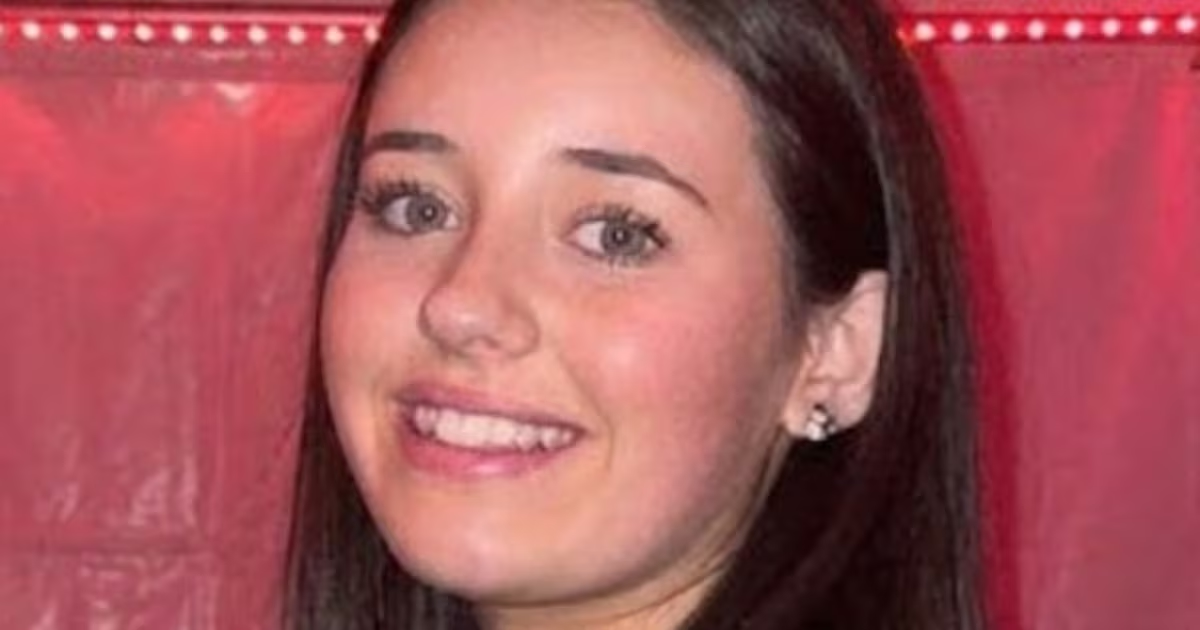
Kerrie O’Connell was 17-years-old when she died having contracted Meningitis B (MenB) at the beginning of 2024 in west Cork.In the week leading up to her death the teenager experienced symptoms including headaches, a sore throat and muscle aches, easily confused with flu-like ailments common over the Christmas period.When her condition deteriorated, her parents attempted to secure an appointment with an out of hours doctor service. As she became less responsive, they phoned an ambulance that brought her to Bantry General Hospital.Staff suspected meningitis and she was transferred to Cork University Hospital for treatment but efforts to counteract the infection failed. It was only after Kerrie died that the O’Connell family learned of the existence of a MenB vaccine, which is included alongside a range of highly recommended vaccines free of charge for infants in Ireland’s Primary Childhood Immunisation (PCI) programme. The MenB vaccine was never administered to Kerrie, however, as it was only introduced to the programme for children aged 13 months and under in Ireland, born on or after October 1st, 2016.“Hearing that there was a vaccine was like being struck by a thunderbolt,” her mother, Rowena O’Connell, said in a statement on Friday. “I had never heard of it. It was never offered to my children. If I had known it existed, I would have paid whatever it cost.”In conjunction with ACT for Meningitis, a Galway-based support and awareness charity, O’Connell is calling for an urgent review of Ireland’s vaccination policy and seeking the introduction of a “catch-up programme for adolescents, beginning with incoming first-year third-level students”, according to a statement issued on Friday. Such a programme would mirror action in the UK, where a localised outbreak of meningitis near London in March resulted in two confirmed deaths and the issuing of a public health alert. The strain involved was confirmed to be MenB, and health officials linked initial cases with attendees of a nightclub in Canterbury, Kent, between March 5th to 7th. Last month, Northern Ireland’s Minister for Health Mike Nesbitt announced a one-off MenB vaccination programme for adolescents in line with announcements across the UK. There, eligible cohorts to receive the vaccine are 17-18-year-olds born between July 2nd, 2007 and July 1st, 2008, and anyone up to the age of 25 who will be attending higher education or a residential further education institution for the first time in autumn 2026.“There was no saving Kerrie once meningitis took hold,” Rowena O’Connell said . “The speed and ferocity of the disease were absolutely unbelievable. The only way she could have been saved was by preventing the infection in the first place.“We cannot bring Kerrie back, but if sharing her story prevents even one family from experiencing this heartbreak, then something positive can come from our loss. No parent should lose a child to a disease that can be prevented. The time to act is now.”Meningitis is a swelling of the protective membranes around the brain and spinal cord, and MenB is a strain of the infection that is most common in young people – particularly babies and young children, and, to a lesser extent, teenagers and young adults. Meningitis can cause “serious brain problems and can lead to death if it is not treated quickly”, according to the Health Service Executive (HSE).ACT for Meningitis, the charity partnering with O’Connell in calls for a vaccination policy review, was founded by Siobhán and Noel Carroll in 2011, three years after they lost their four-year-old daughter Aoibhe to meningitis. The charity’s initials stand for the Aoibhe Carroll Trust. Siobhán Carroll was pregnant at the time of her daughter’s death. She was spending the night in hospital in Galway, when her husband phoned to say that Aoibhe was feeling unwell. He rang an ambulance and met his wife at the door of the hospital. “They tried to bring her back to us but it was too late,” Carroll says. “People say the hardest thing is trying to get on with your life without them in it, but the hardest thing is actually trying to live a life in their memory and to do them proud. That’s where the charity began.”The charity encourages people to ‘act’ if they suspect meningitis, and works on spreading awareness of associated symptoms as well as up-to-date vaccination options. Carroll says it also campaigns for free support services for people that have been impacted by meningitis. Those that are not covered by free public health programmes can choose to pay for a meningitis vaccine privately. However, Carroll says “a lot of people wouldn’t even be aware that it is available, and it’s vitally important that the student age group would be vaccinated against it, as we’ve seen as a result of the recent outbreak in the UK”. In a response to a query from The Irish Times, a spokesperson for the HSE said that “the National Immunisation Advisory Committee (NIAC) continuously reviews Meningococcal B epidemiology, and has followed the situation in the UK closely.”“NIAC considers international evidence, disease epidemiology, vaccine safety and effectiveness, acceptability, equity, feasibility and resource use when making recommendations,” they continued. “In its work plan for 2026, NIAC included an evidence review of Meningococcal B vaccination in adolescents and young adults, which is planned for later this year.”
Mother whose daughter died from meningitis calls for ‘urgent review’ of State vaccination policy
Kerrie O’Connell’s family only learned of existence of Meningitis B vaccine after her death in 2024
874 words~4 min read