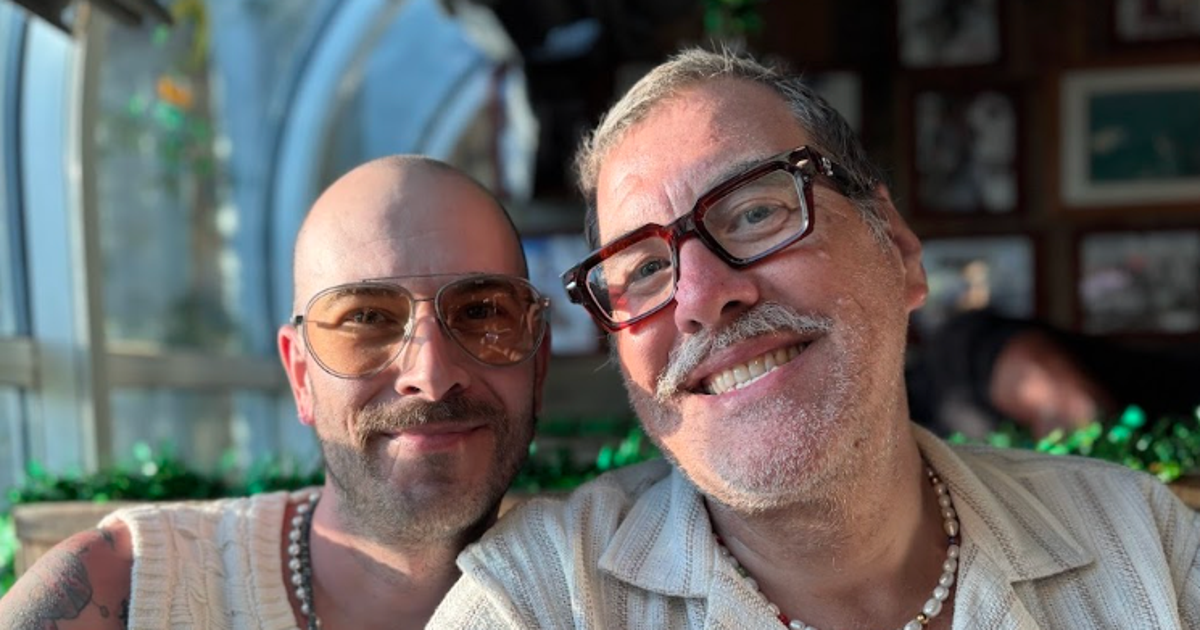
My name's Jamie, and I've got Bad BloodWe've all read the stat: 1 in 2 people will be touched by cancer, blah blah blah. I always just felt sorry for the other guy.Until last year.I woke up one morning feeling a strange pressure building under my throat. Within a couple of days it had gone, and classic bloke that I am, I put it down to a 'niggle.'Then it came back, this time on the other side of my throat. Dr. Google diagnosed me with acute thyroiditis — an easily treated viral condition that does indeed have a habit of switching sides and bringing fatigue along for the ride. Job done. That's that.
We've all read the stat: 1 in 2 people will be touched by cancer , blah blah blah. I always just felt sorry for the other guy. Until last year Chronic myeloid leukaemia causes bone marrow to work overtime, churning out white blood cells at an alarming rate. A normal count sits somewhere between 4 and 11. Mine was over 100After a short business trip to Cannes, where I felt great and even ran a 10k along the beach, I went to see the doctor at work. I'm fortunate enough to have private healthcare, and I described my symptoms while gently steering him towards my self-diagnosis: 'Sure sounds like thyroiditis, right?' I got a look that said, essentially, 'oh, do shut up pal.'Next stop, an ENT specialist. Why not? I was covered. He put a camera down my nose to the back of my throat — I remember thinking, *God, I'm glad I don't have to do many of these* — poked around, checked my temperature, looked in my ears, and found absolutely nothing wrong.Then he asked when I'd last had a blood test.That was on a Friday afternoon. It's 8:30am the following Monday, and I'm just about to leave for the office. The house is in full morning mode — kids leaving for college and work, dogs being fed, conversations about our imminent pilgrimage to Glastonbury. My phone rings. It's my doctor. I'm not psychic, but I do know that doctors don't call at 8:30am for a friendly chat, especially not three days after a blood test.'Oh hi. I wasn't expecting to hear from you so soon!''No, me neither… listen… your bloods are all over the shop. I'm sorry, but I think you've got leukaemia.''Oh s***. Can I still go to Glastonbury?'Five minutes before that call, I didn't have leukaemia. Then I had it. And now it's swimming around my veins for the rest of my life. I couldn't go to Glastonbury.Chronic myeloid leukaemia, or CML, is a form of blood cancer that develops when your bone marrow starts causing white blood cells to grow and multiply out of control, overwhelming and crowding out the healthy ones. It's not hereditary, not preventable, not the result of any lifestyle choices — it's simply bad luck in the form of a genetic abnormality scientists call the 'Philadelphia chromosome.'It causes the bone marrow to work overtime, churning out white blood cells at an alarming rate. A normal white blood count sits somewhere between 4 and 11. Mine was over 100.I was incredibly lucky to be diagnosed so early, before any symptoms had become properly noticeable. I've since spoken to fellow patients who couldn't even walk up a flight of stairs, the fatigue was so severe. For me, feeling a bit tired and run down was just par for the course. Thank goodness I had private care — I'm not sure a 51-year-old man complaining of being a bit knackered would otherwise have raised any red flags. Left untreated, my illness could have progressed into something far nastier, requiring a whole different kind of chaos to treat. I was incredibly lucky to be diagnosed so early, before any symptoms had become properly noticeable I'm a year post-diagnosis now, and in some ways nothing has changed, except everythingThe practical business of navigating a diagnosis was genuinely mind-bending. I remember googling 'Surrey's best haematologist for leukaemia' — and remarkably, the first result was a woman who is treating me to this day. You find a cancer specialist a bit like you'd book someone to tile your bathroom. I couldn't get my head around it.The next two weeks were a whirlwind. I was under lockdown thanks to a perilous immune system, working out who I needed to tell (is it weird I phoned my boss before my family? Probably one for the therapist), and undergoing endless blood tests, CT scans, and ultrasounds — never before have I cared so much about the size of my spleen. Worst of all was a bone marrow biopsy, which involved a needle so enormous it might as well have belonged to an Olympic javelin thrower, rammed into my pelvis while I clung to a radiator. Medicine, it turns out, can be simultaneously ultra-modern and brutally primitive.Thanks to some very clever people, my strain of leukaemia can be targeted very effectively. I started on hydroxycarbamide, a chemotherapy that shut cell production down, before moving onto a TKI — a tyrosine kinase inhibitor, a targeted therapy tablet I'll now take every day, probably forever. A tiny pellet, in the most literal sense, saving my life. I have never loved science more than the day I walked out of that office with a prescription.Don't get me wrong, it makes me feel like absolute death some days. Fatigue is the main symptom, and it's one I'd never properly experienced before, and it's so hard to describe. I feel tired in every cell of my body, and sleep offers no respite — you wake up dreaming of getting straight back to bed. My bones ache, my scalp throbs, and let's not discuss what goes on in the bathroom. It's a war zone. These aren't symptoms of the leukaemia, mind you — they're symptoms of the drugs that are saving me.I'm a year post-diagnosis now, and in some ways nothing has changed, except everything.Bad Blood, my new podcast, is an audio diary of those first terrifying days, weeks and months. Regardless of whether you're the 1 in 2 or not, I think we can all relate to the terror of the unknown.