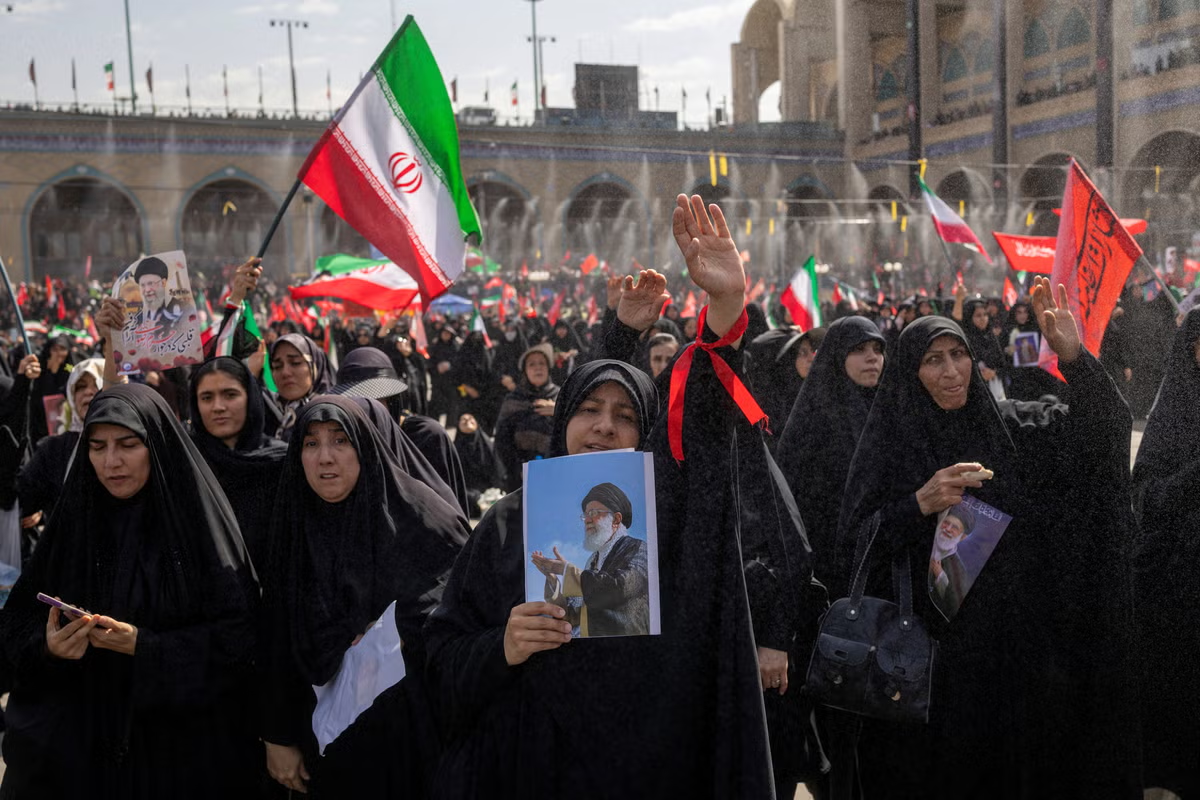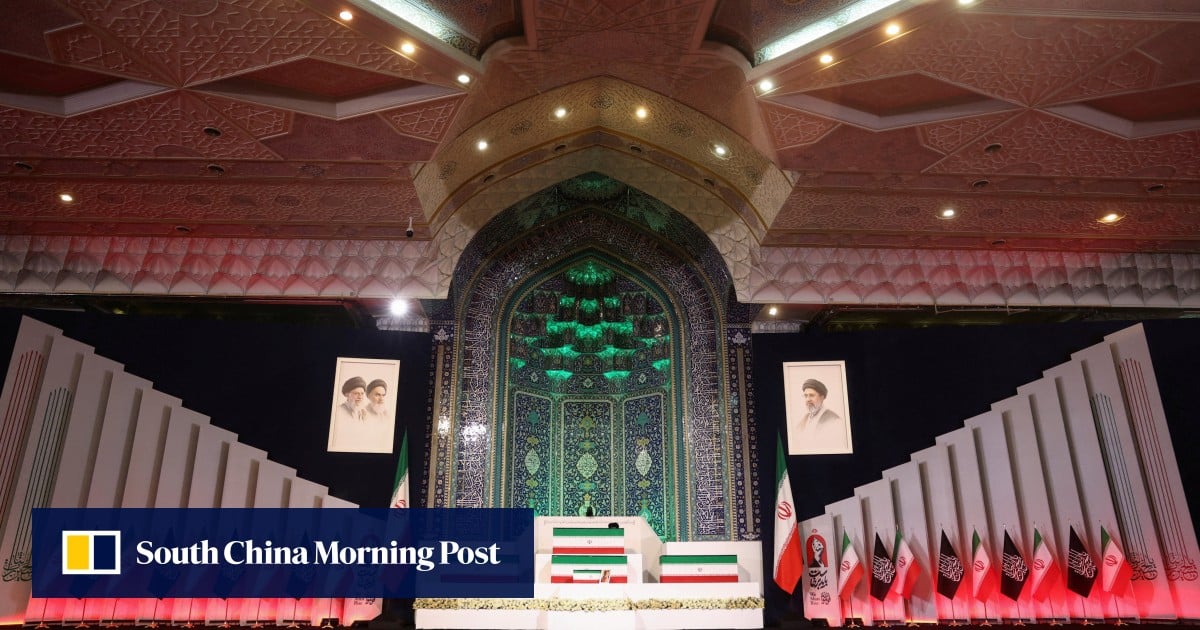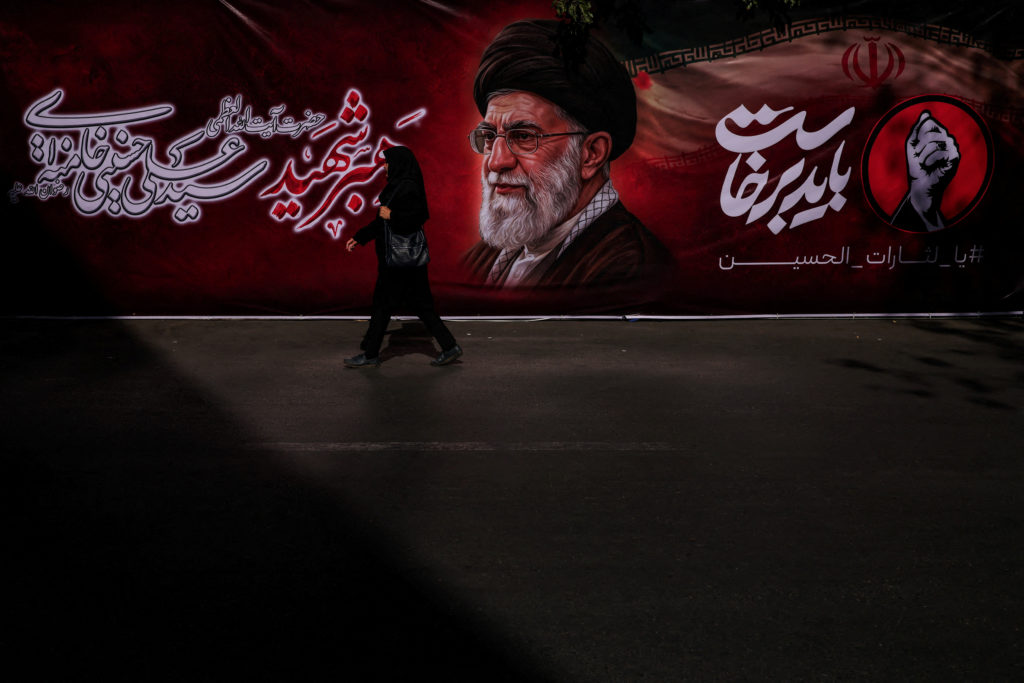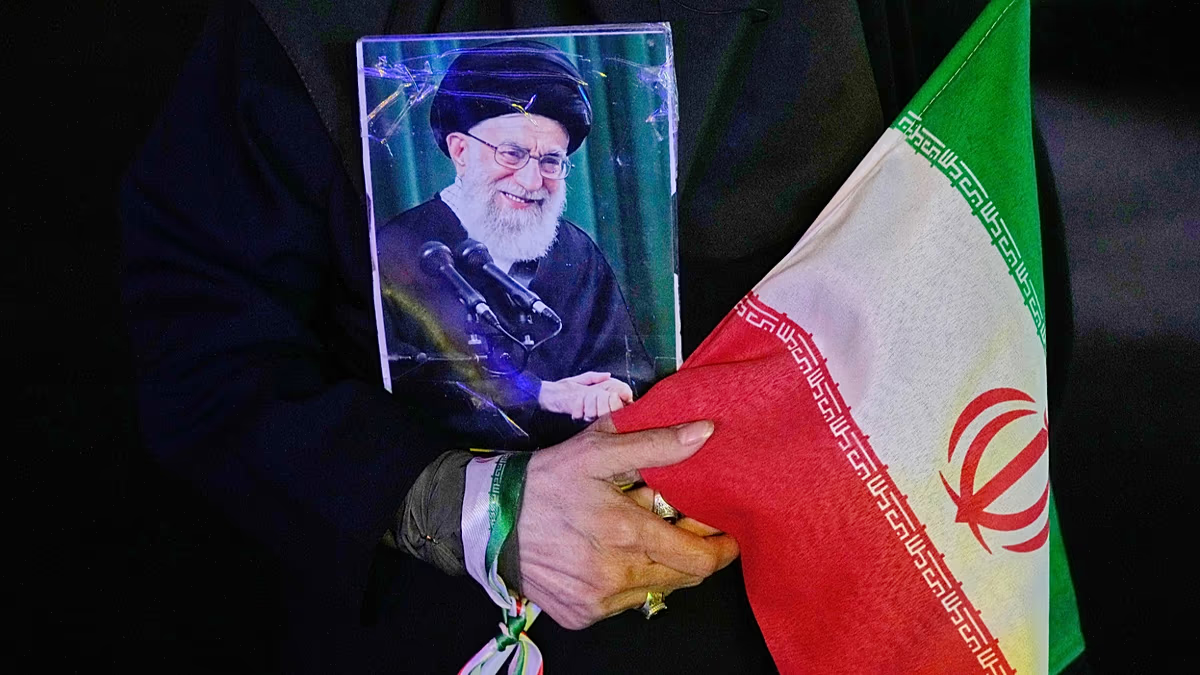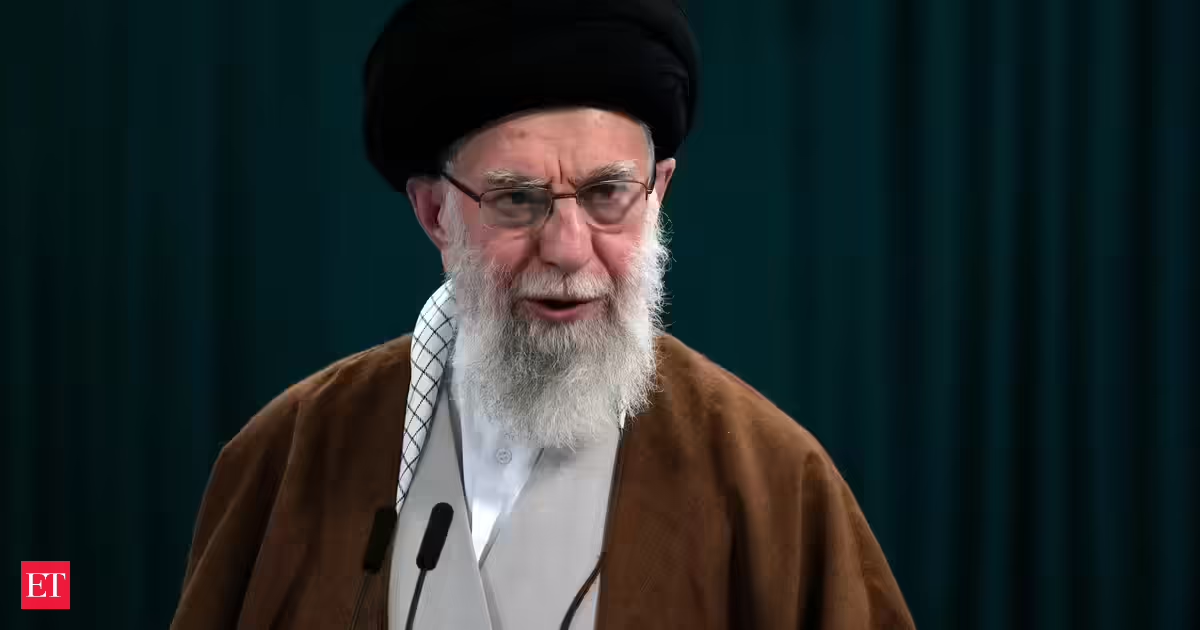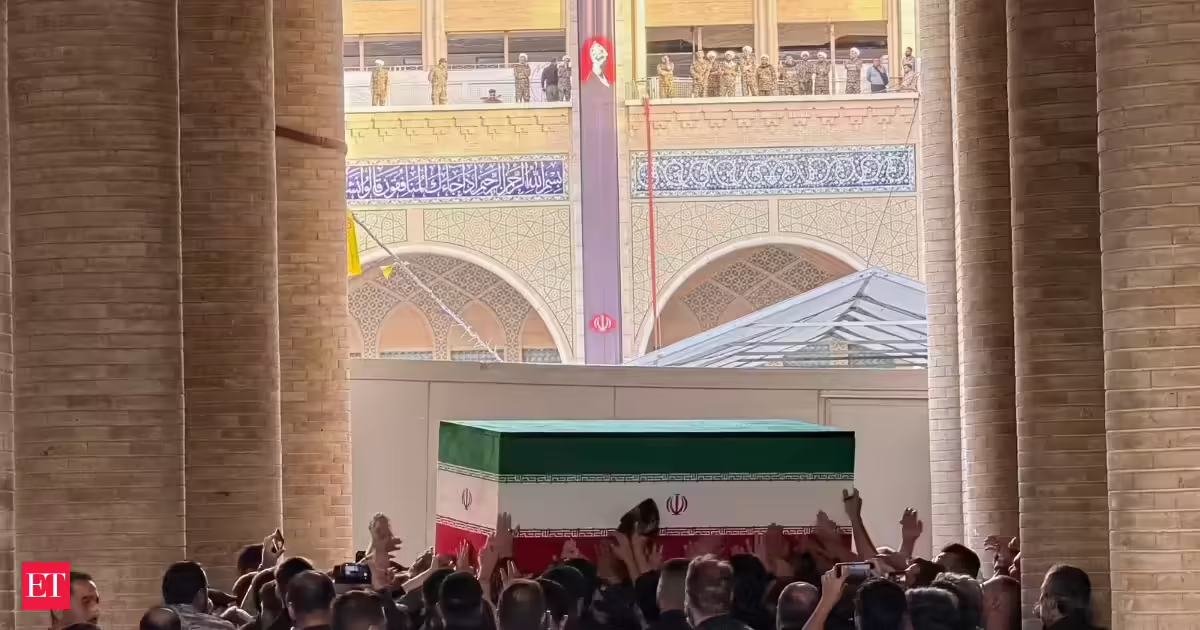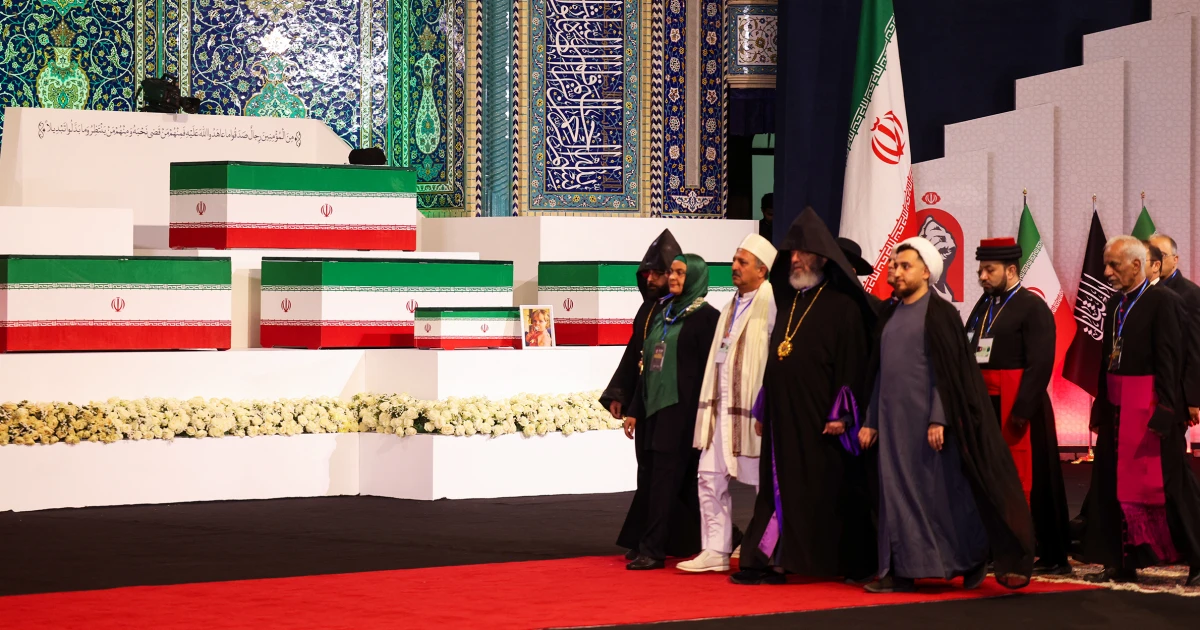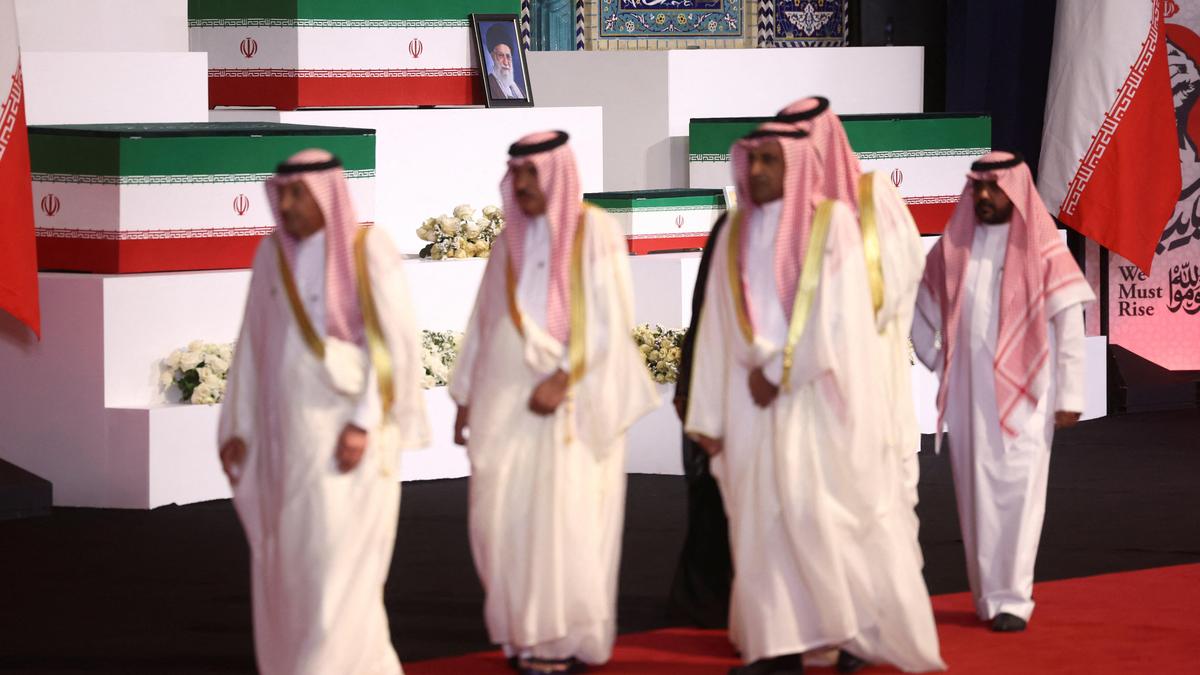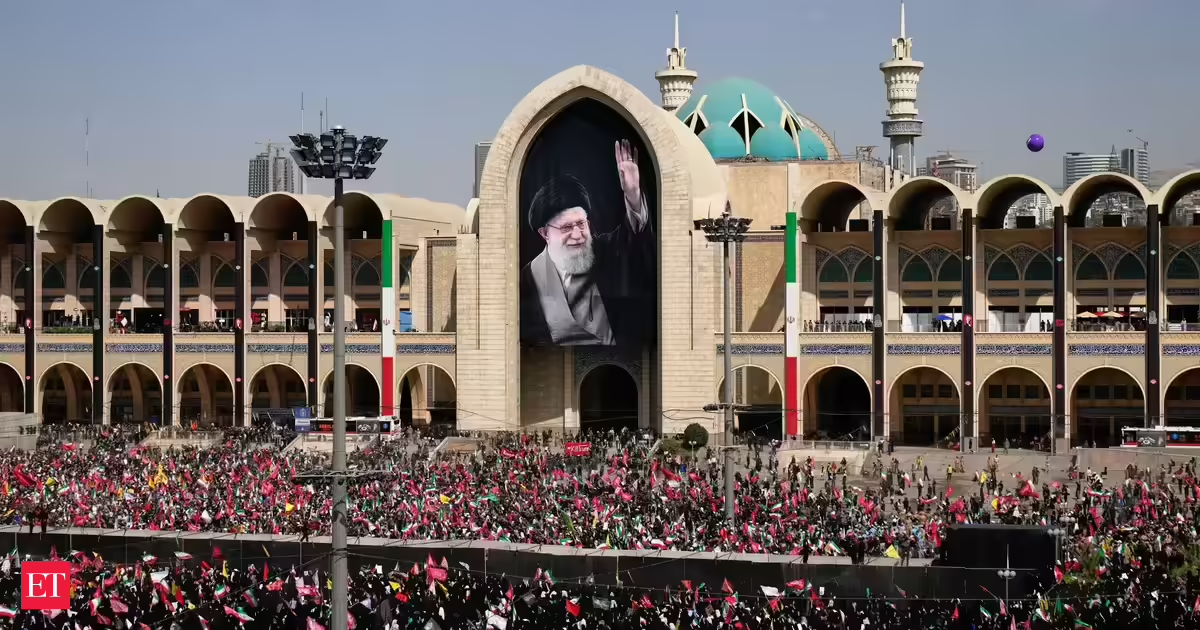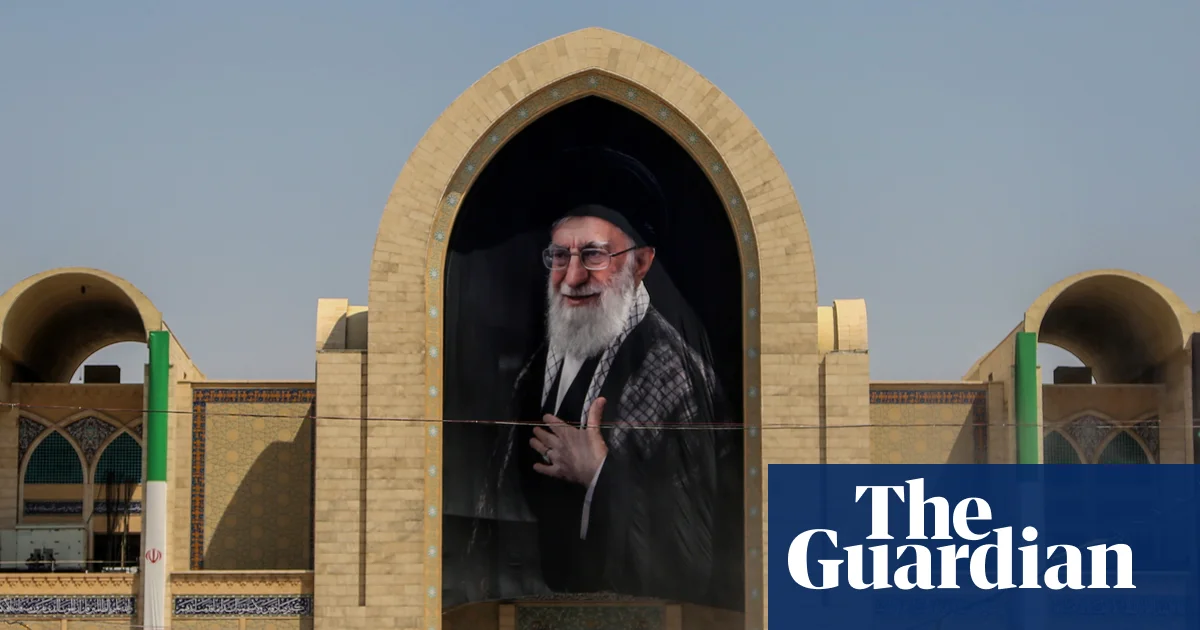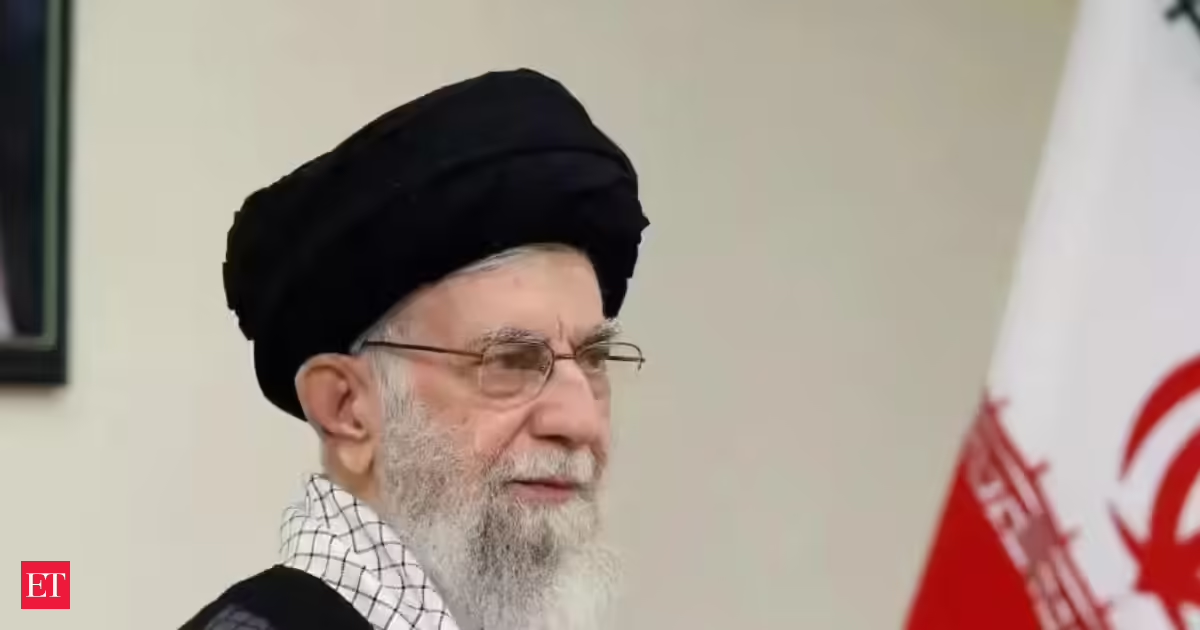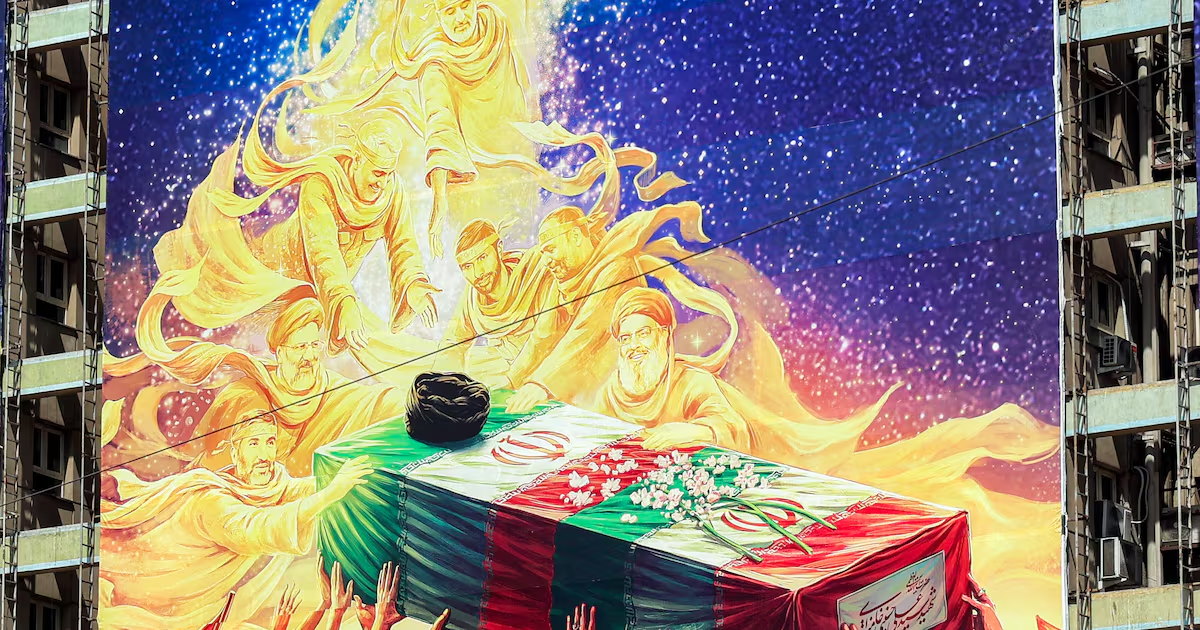
On a hot summer day, millions of Iranians converge on Tehran to bury the man who remade their country. What begins as a carefully choreographed state funeral dissolves into chaos as mourners surge through security lines.The coffin bursts open in the crush, sending the white-shrouded body into the crowd below. Security forces struggle to recover the remains as people tear at the shroud in search of relics. The burial is abandoned, the body flown away by helicopter before returning under heavy guard to be placed in a locked coffin.That was 1989, when Iran buried the Islamic republic’s founder Ayatollah Ruhollah Khomeini in one of the largest funerals of the 20th century. Iranian officials estimated that more than 10 million people attended, reportedly eclipsing the funerals of Mahatma Gandhi, Jawaharlal Nehru and Gamal Abdel Nasser.Now Iran’s leaders are preparing what they hope will be an even larger display for Khomeini’s successor Ayatollah Ali Khamenei, who ruled for nearly four decades before he was killed in February during the US-Israeli war on Iran.Religious leaders and foreign officiials pay their respects beside the coffin of late Iranian supreme leader Ayatollah Ali Khamenei. Photograph: EPA Determined to avoid a repeat of the disorder that engulfed Khomeini’s burial, authorities are meticulously planning for what they say could be 12-15 million visitors across six days of ceremonies that start on Saturday. Khamenei’s body will be transported across Iran and through neighbouring Shia-majority Iraq in a route designed to project his standing across the Shia world.For the country’s new leadership, headed by Khamenei’s 56-year-old son and successor Ayatollah Mojtaba Khamenei, the funeral will be not just an act of mourning but a show of strength. It will provide the first nationwide test since the war of whether the Islamic republic can still mobilise mass public support.“The funeral has symbolic importance in every respect and could become the biggest in human history,” said Saeed Laylaz, a political analyst in Tehran. “The country needs to declare victory and demonstrate the republic’s pillars of legitimacy once again.”Laylaz said the ceremonies, like Khomeini’s funeral, could also play an important role in smoothing the ascent of the new supreme leader. “Khamenei’s 37 years of leadership will effectively be put before the public for judgment, almost like a referendum,” he said. “Then the new chapter will begin.”The funeral comes after an extraordinary delay in a country where Islamic tradition generally calls for burial as soon as possible.Khamenei was killed in the opening salvo of the war alongside his daughter, son-in-law, Mojtaba’s wife, and the late supreme leader’s 14-month-old granddaughter, when US and Israeli strikes hit his residential and official compound in central Tehran. Mojtaba was also injured in the attacks and has not appeared in public since.Khamenei’s funeral was postponed during the 40 days of war and fragile truce that followed, with authorities deciding to go ahead after Washington and Tehran last month signed a ceasefire agreement designed to allow the countries to negotiate a broader deal.Authorities have offered few details about the state of Khamenei’s remains, with Mojtaba saying only that his late father’s hand was clenched into a fist.Khamenei’s coffin and those of his family members will lie in state for two days in Tehran’s Mosalla prayer complex, where mourners will be asked to remain for no longer than 20 minutes. State media have shown a segregated, climate-controlled viewing area designed to prevent physical contact with the body.The coffin will then be carried through the streets of the capital on Monday, before the funeral procession heads to the Shia centre of Qom and on to Iraq, where it will pass through the holy cities of Najaf and Karbala.Khamenei’s body will return for burial on Thursday at the Imam Reza shrine in Mashhad, his hometown and one of Shia Islam’s most important sites. Authorities said his body would be carried by air during the funeral ceremonies in Mashhad.Pilgrims are expected from Lebanon, Iraq and elsewhere in the region. Iran’s foreign ministry said dignitaries from 100 countries will attend a ceremony on Friday, without giving any details. Pakistani prime minister Shehbaz Sharif is expected to travel for the funeral.Iranian and foreign officials carry the coffin of late coffin of late Iranian supreme leader Ayatollah Ali Khamenei. Photograph: EPA Officials are planning one of the largest security operations in Tehran’s history. The metro will operate around the clock free of charge, while thousands of volunteer food stations, or mookebs, will distribute meals and water in a format similar to the Shia ceremonies of Ashura in Iran and the Arbaeen pilgrimage in Iraq.Whether turnout matches official expectations may provide a hint as to the Islamic republic’s ability to reassert itself after the bruising conflict, which both US president Donald Trump and Israeli prime minister Binyamin Netanyahu initially said they hoped would lead to the regime’s collapse.Mohammad Ali Abtahi, a former reformist vice-president, said a large turnout could prove a double-edged sword by tying Iran’s new leaders to Khamenei’s hardline agenda of opposition to the West.“It could increase pressure on the new leadership to pursue Ayatollah Ali Khamenei’s policies more forcefully and oppose the agreement with the US,” he said. “Or it could become a symbol of national unity and support for the negotiators. It will probably move towards the latter while also signalling to Washington that there is domestic opposition to the deal.”Much attention will focus on whether Mojtaba makes his first public appearance. Officials say the new supreme leader has recovered from his injuries but have not confirmed whether he will appear at the funeral.Iran’s president Masoud Pezeshkian said on Wednesday that the funeral should be “a symbol of unity and national solidarity”. But ultra-hardliners in Iran’s parliament who oppose making a deal with the US argue that the legacy of the late leader – and the authority of his successor – have been undermined by the latest round of Iran-US negotiations.People cross a street past a billboard depicting Iran's slain supreme leader Ali Khamenei kissing the slain Islamic revolutionary guards commander Qasem Soleimani. Photograph: AFP via Getty Images Last week, authorities shut down a gathering in Tehran where supporters of the ultra-hardliners, dressed in burial shrouds to signal their willingness to die for political Islam, called for revenge over Khamenei’s killing and denounced the talks.“They could be tolerated during the processions because emotions will be high,” Abtahi said. “But the most important thing for the political elite is that this ceremony should become the social foundation of support for the post-succession leadership.”– Copyright The Financial Times Limited 2026
Iran readies ‘mega-funeral’ for slain supreme leader
US and Israel warned against attacks in advance of six-day funeral for Ayatollah Ali Khamenei
1,085 words~5 min read