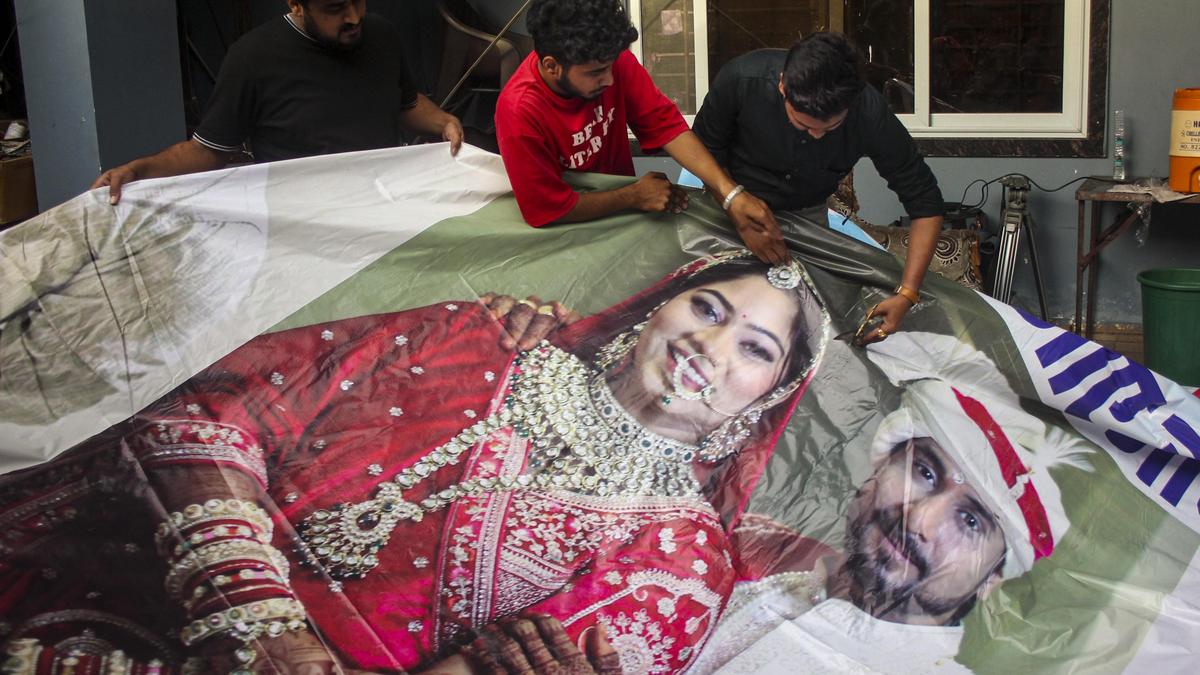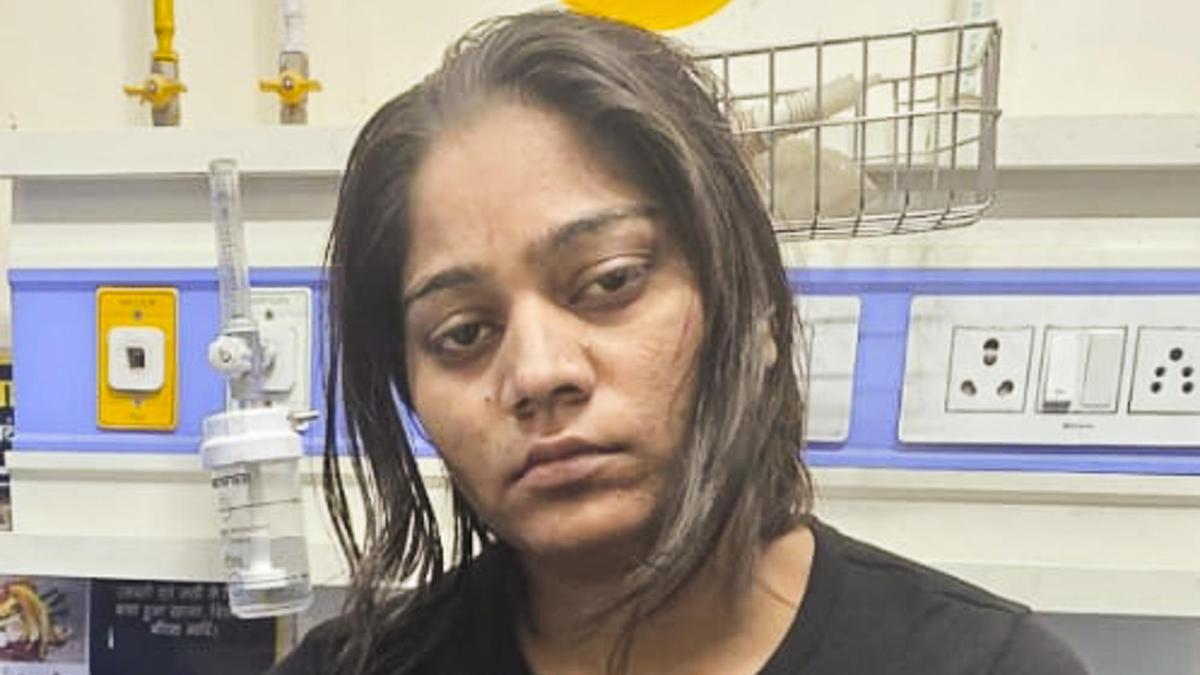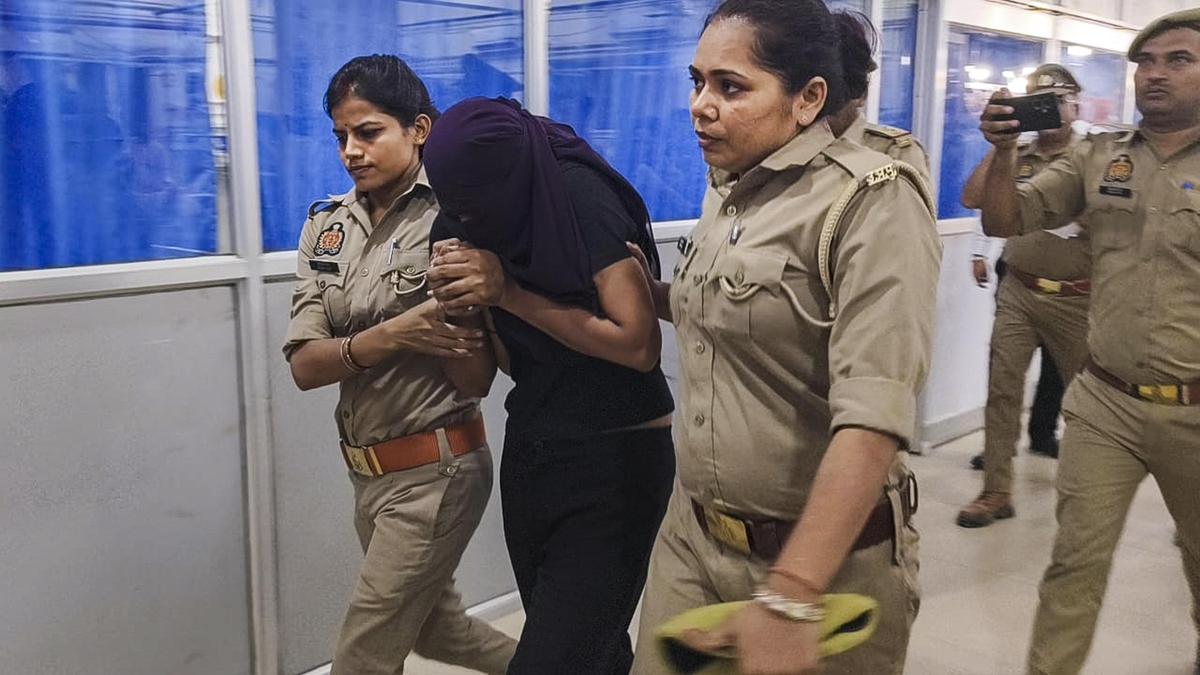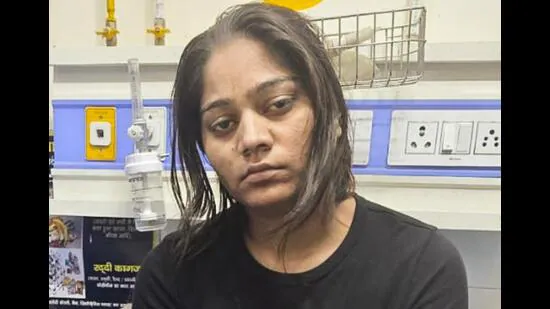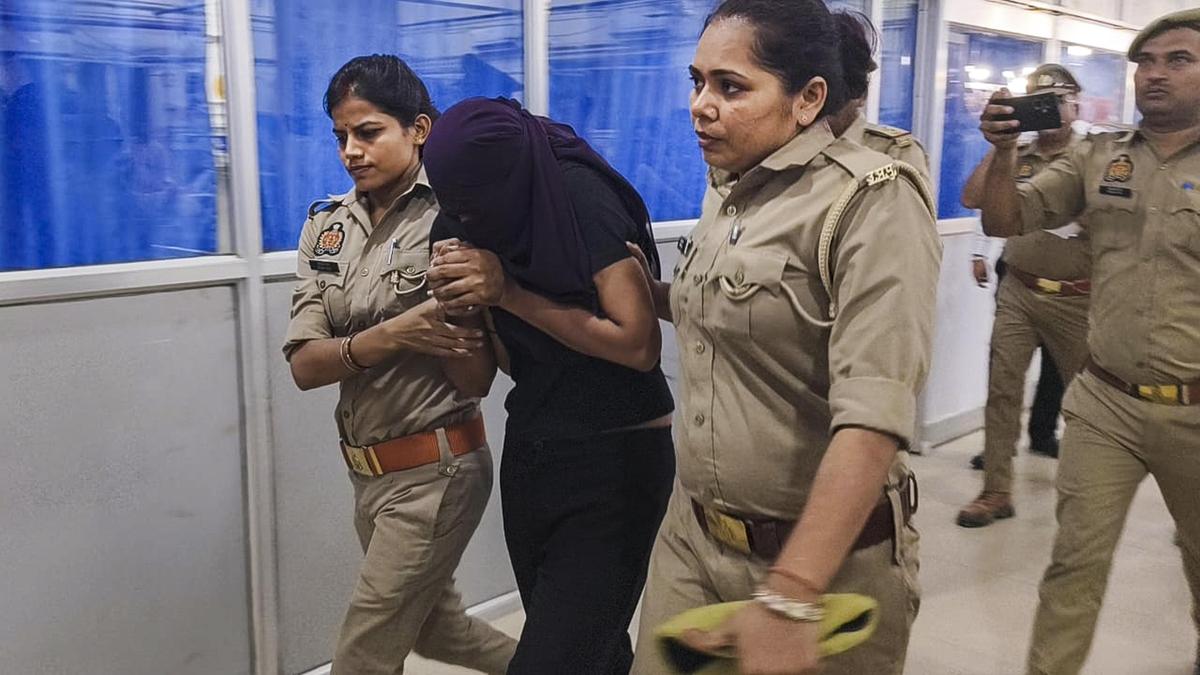
The Supreme Court on Friday refused to send Sonam Raghuvanshi, the prime accused in the alleged murder of her husband Raja Raghuvanshi during their honeymoon in Meghalaya last year, back to jail, for now, even as it expressed reservations about the Meghalaya high court order granting her bail.Sonam Raghuvanshi is accused of murdering her husband Raja Raghuvanshi during their honeymoon in Meghalaya. (File Photo/X)A bench of justices MM Sundresh and Sheel Nagu admitted the Meghalaya government's appeal challenging the June 29 high court judgment. It issued a notice to Sonam, declining to stay the bail order after learning she had been released. “Prima facie, we would have stayed the order of bail, but since she has already been released, we would not want to intervene,” observed the bench, posting the matter for further hearing on July 9.The court indicated that while it was not impressed by the reasoning adopted by the high court, it was equally conscious of the consequences of sending an accused back to prison after release on bail. “We are conscious that howsoever grave the alleged offence is, there is a presumption of innocence,” said the bench, adding that it would consider passing appropriate orders on expediting the trial after Sonam files her response.The case relates to the murder of 29-year-old Indore businessman Raja Raghuvanshi, who travelled to Meghalaya with Sonam after their wedding in May 2025. The couple went missing after checking out of a homestay in Nongriat on May 23. Raja's body was later recovered from a gorge near Weisawdong Falls in Sohra, while Sonam was traced days later in Uttar Pradesh.On Friday, the Meghalaya police, represented by Solicitor General Tushar Mehta, argued that the case involved a “shocking” and “premeditated” murder and that the high court erred in granting bail based on what was essentially a typographical error in the arrest documents.“The wife travels to Meghalaya with three accomplices. She participates in assaulting the husband...the husband is killed, and the body is thrown in a forest. She later absconded and was arrested in Uttar Pradesh,” Mehta submitted. He told the bench that Sonam's bail had earlier been rejected on three occasions, with courts recording prima facie material pointing to her role in the murder.Mehta contended that the high court granted bail solely because arrest-related documents mistakenly referred to Section 403 of the Bharatiya Nyaya Sanhita (BNS) instead of Section 103, which deals with murder.“There was just one typographical error that Section 103 became 403 under the BNS,” he submitted, relying on the Supreme Court's recent ruling in the Darshan case to argue that procedural lapses justify relief only when they cause actual prejudice to the accused.The bench appeared to find merit in the state's submissions, observing that the high court's reasoning raised several questions. “Prima facie, we have our reservations on how the high court dealt with the matter,” Justice Sundresh remarked.The court noted that Sonam was informed of the reasons for her arrest, and she never challenged the alleged defect during her three unsuccessful bail attempts.Appearing for Sonam, her counsel countered that the defect went beyond the incorrect statutory provision and argued that she had never been meaningfully informed of the grounds of her arrest.But the court also observed that if bail was solely based on a procedural lapse in communicating the grounds of arrest, nothing in law would prevent the authorities from arresting the accused again after complying with the legal requirement.At one stage, the court indicated that it was inclined to stay the bail order and simultaneously consider expediting the trial. Mehta and Sonam's counsel informed the bench that she had been released from jail and was in Shillong, prompting the bench to reconsider its approach.When Mehta reiterated that the facts were “shocking and chilling”, the bench responded that those allegations would ultimately be tested during the trial. “These are facts and matters to be decided during the trial. We are also conscious that there are certain parameters that need to be fulfilled at the time of the grant of bail. But after she has been released, we may not want to intervene,” the court said.The high court on June 29 upheld an order of the additional deputy commissioner (judicial), Shillong, granting bail to Sonam after finding that the police failed to effectively communicate the grounds of arrest.Justice W Diengdoh held that the arrest documents repeatedly cited Section 403 of the BNS instead of Section 103 dealing with murder and also contained several irrelevant allegations, including that Sonam was suspected of being a deserter from the armed forces and of committing offences outside India. Holding that the documents reflected “total non-application of mind”, the high court concluded that the defect struck at the root of the arrest process and justified bail.The Meghalaya Police filed a chargesheet running into more than 700 pages alleging that the murder was a pre-planned conspiracy orchestrated by Sonam along with her alleged lover Raj Kushwaha and others. The trial has commenced, and witnesses are currently being examined.
Sonam Raghuvanshi won't go back to jail: Suprme Court ruling in Meghalaya honeymoon murder
Supreme Court upholds Sonam Raghuvanshi's bail in Meghalaya honeymoon murder | India News
831 words~4 min read