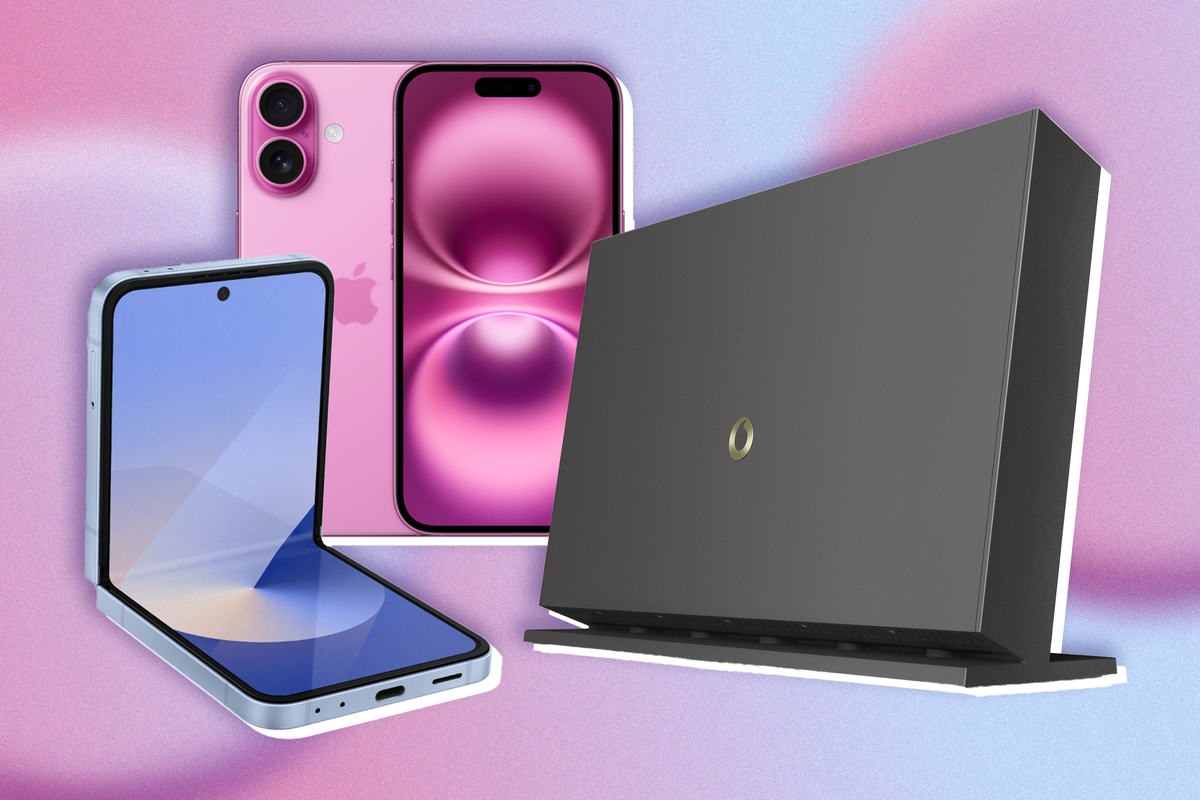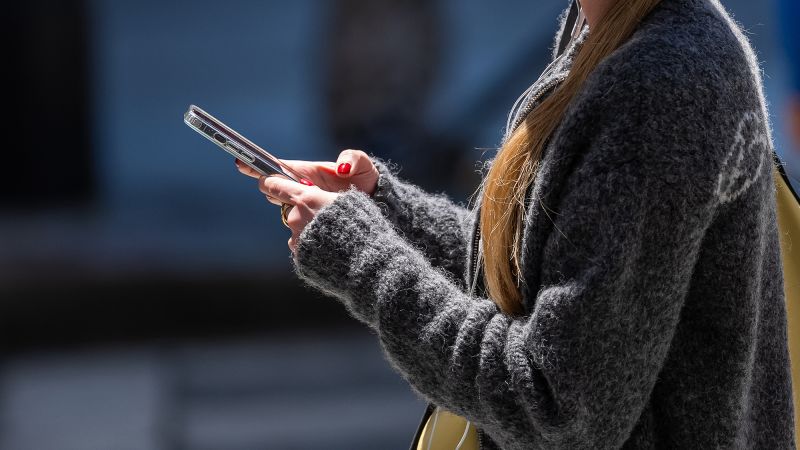
Fri Jul 03 2026 - 06:00 • 4 MIN READMobile phones are the curse of live events, film screenings, churches and restaurants. Picture posed. Photograph: Getty Vodafone Ireland is making much of its 25th anniversary or, as it puts it, how it has been “connecting you to what matters most for 25 years”. There are also, however, 25 ways for a sceptic to consider what mobile phone use has resulted in over the past quarter-century.They have made us less connected. Who needs to talk to anyone when you can constantly scroll alone? Mobile phones feed social media addiction, powerfully underlined in Róisín Kiberd’s book The Disconnect (2021). Kiberd, born in 1989, recalls how “texting was itself a kind of preteen performance of independence … this was my first taste of immersion in a tiny screen, a way to disappear in plain sight”.In 2024, the Irish Medical Organisation called for a ban on mobile use by those younger than 16, saying smartphones and the social media content accessible on them were “overwhelmingly destructive to children”.Many children do not seem to know how to answer their mobile phones because they do not see that as being the purpose of the phone.As reported in The Guardian in 2008, two children in Spain were treated for mobile phone addiction in a mental health clinic. A child psychiatrist suggested they might need a year of treatment to get them off this “drug”. Both spent an average of six hours a day on their phones. Some adults are worse than children when it comes to constant phone use.Mobile phones are a licence to blowhards lacking consideration for others to disrupt public transport journeys. They are the curse of live performances. And film screenings. And churches. And restaurants. And shops, where they make the talkers treat retail staff with contempt. In 2013, a British supermarket apologised to a shopper and compensated them with a voucher after one of its checkout workers refused to serve them until they got off their phone. There was no justice served there.In 2003, the operators of the Savoy cinema, Dublin, installed an imported US device to block mobile phone signals until they were ordered to dismantle it as it was breaking the law.Mobile phones facilitate too much group messaging, constant overlapping, performative outrage and the sharing of a huge range of inanities.They are a scammer’s field of exploitation: research for Swedish app Truecaller suggested up to 59 million Americans lost money to phone scams from 2020-2021.They pollute many places of beauty with preening poseurs and selfie takers who have no intention of actually looking at their surroundings. In 2020, the Office of Public Works had to warn the public not to take selfies “with” deer in the Phoenix Park, Dublin, due to stress among the animals.They facilitate bullying and harassment. In 2008, Ireland’s State of the Nation’s Children study underlined the problem of cyber bullying. Tech companies have long been criticised for not doing enough to combat this.They seriously compromise road safety. Research in 2023 by the Road Safety Authority (RSA) found that at least 40 per cent of drivers under the age of 35 admitted checking apps on their phones while driving; the RSA also highlighted research suggesting drivers were four times more likely to crash if using a phone.Research commissioned in 2018 by Deloitte suggested Irish people were checking their smartphones 55 times a day on average, compared with a European average of 41 times, and 56 per cent of respondents felt they used them excessively.They feed compulsive gambling and pornography addiction.They encourage destructive comparisons, body-image distortions and premature sexualisation.According to the Waste Electrical and Electronic Equipment Forum, 5.3 billion phones were thrown away in 2022 alone. It is estimated that 74.7 million tonnes of ewaste will be generated by the year 2030.They are a recipe for poor sleep. In 2019, the Sign of the Times survey by Behaviour & Attitudes found that more than half of Irish people under 35 “check social media or emails when having difficulty sleeping”.Distraction is accompanied by worry, as that Sign of the Times survey underlined: “We embrace new habits and apps with glee, but also attempt abstinence or digital detox from time to time.” But the balance is elusive: “We are increasingly aware of the detrimental impact, but have yet to establish what is ‘healthy’ smartphone behaviour.”Everything is recorded, meaning little is special or absorbed meaningfully or natural. Personal data and privacy are surrendered.They lead to much domestic stress due to the challenge of digital monitoring.They blight our parliament. Recently, Taoiseach Micheál Martin suggested TDs need to take their heads out of them.We do not make enough eye contact any more.They ensure we constantly inhabit a world of consumerism.They have diminished our attention span.[ As Popeyes opens in Ireland, it’s clear we’re becoming a fast food nation ][ ‘Neutral venue’ will not placate the three in four fans opposed to Ireland playing Israel ]IN THIS SECTION
Diarmaid Ferriter: Happy 25th birthday, Vodafone. Here are 25 ways phones have made our lives worse
Who needs to talk to anyone when you can constantly scroll alone?
823 words~4 min read