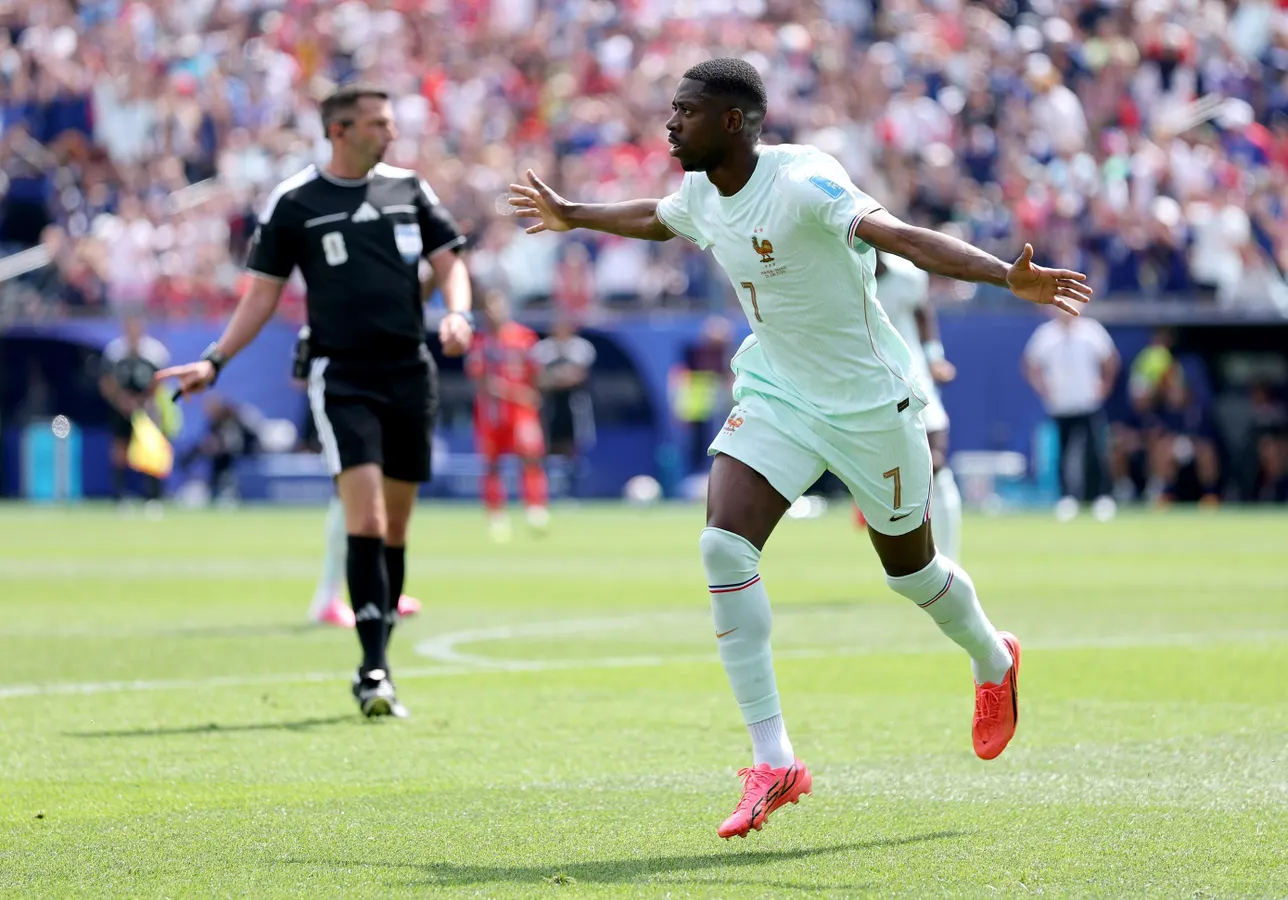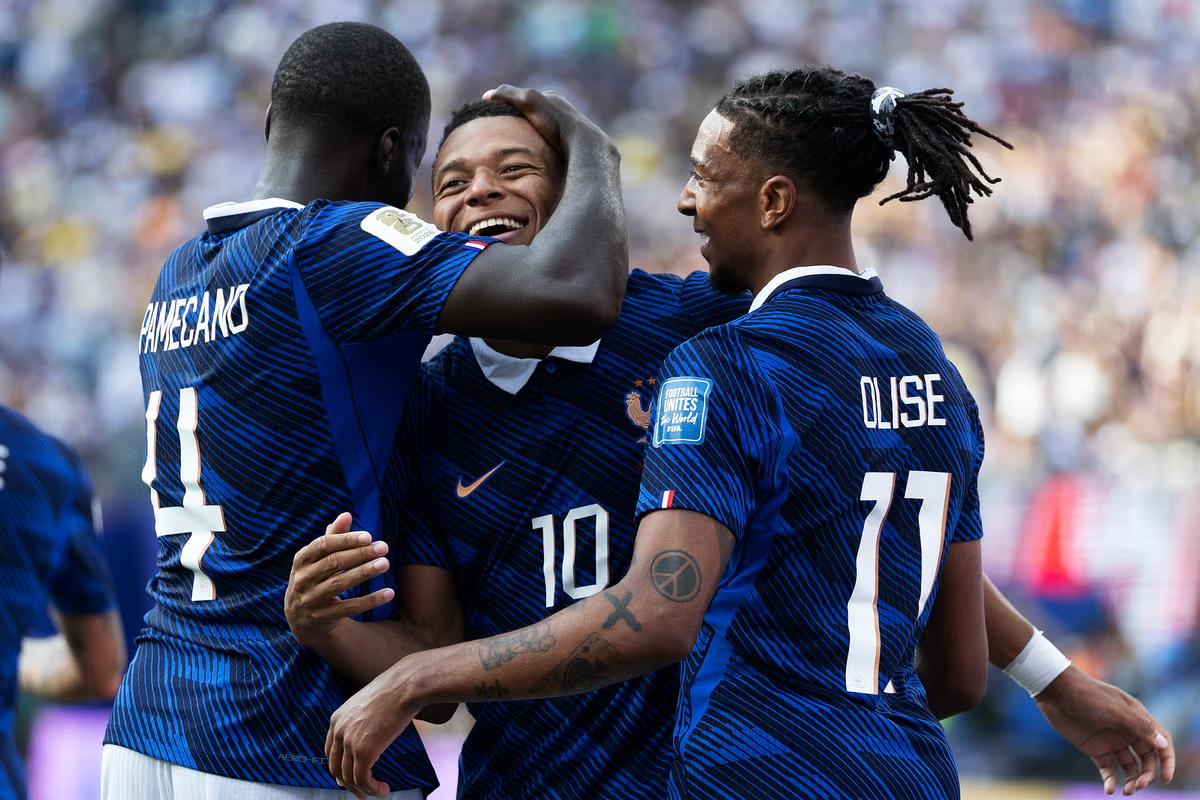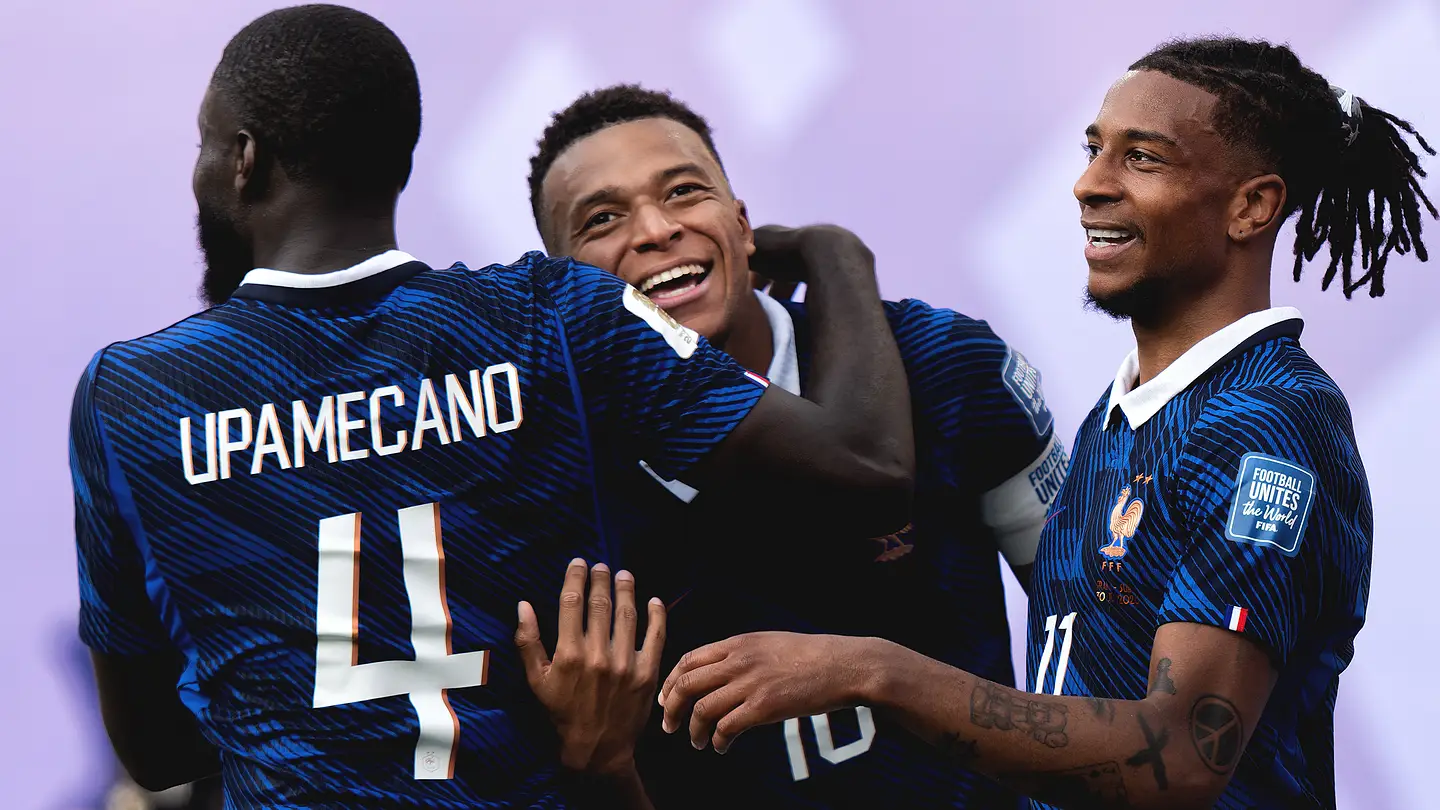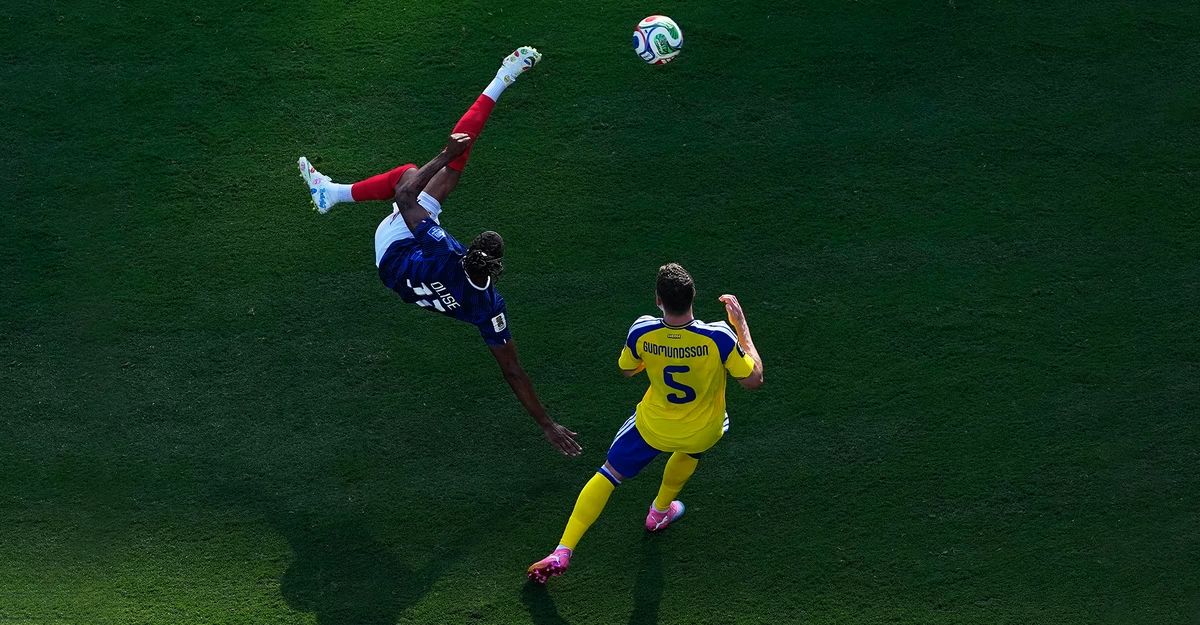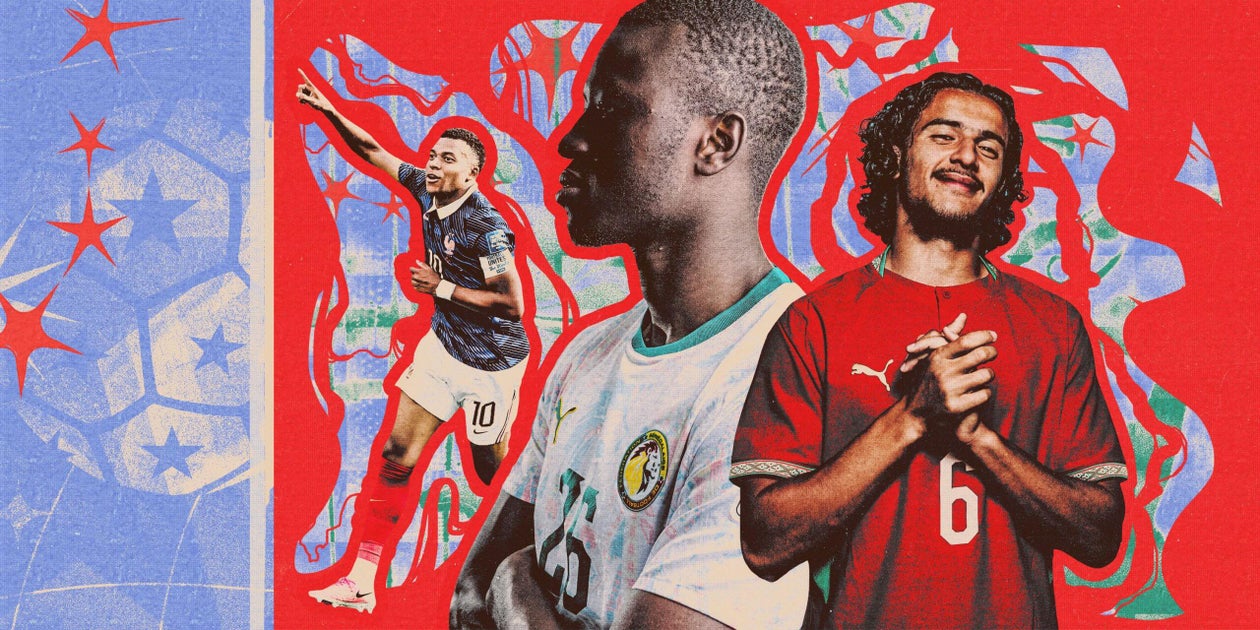
Get free access to the most comprehensive World Cup coverage in The Athletic appThe scene is a room in Paris’ La Chapelle district, to the north-east of the French capital’s city centre.A big screen has been configured to show two World Cup games happening simultaneously on the other side of the Atlantic Ocean: France against Norway and Senegal’s must-win group finale with Iraq.Space is at a premium. An outdoor terrace housing another six screens and a fan zone has already reached capacity, forcing many of those in attendance inside on what has been a stiflingly hot Friday when temperatures hit 40C (104F).France is in the middle of a heatwave but enthusiasm for the World Cup, and France and Senegal in particular, cannot be dampened.Fans in La Chapelle watch France and Senegal simultaneously (Patrick Boyland/The Athletic)La Chapelle is known for its large African community. It was on the streets of Paris’ 18th arrondissement that many of the city’s Senegal supporters celebrated the Africa Cup of Nations final win against Morocco in January, a result that would later be overturned by the continent’s governing body, CAF.Five months on, French fans here sing the national anthem, La Marseillaise, before kick-off in the Norway game and chant “Ousmane, Ballon d’Or” after Paris Saint-Germain star Ousmane Dembele opens the scoring. Those in Senegal green or white bellow the name of their midfielder Pape Gueye after his second-half double puts them firmly on top against Iraq.To some outsiders, the atmosphere may look curiously convivial. In Europe and North America, anti-immigration sentiment is on the rise. Polls have Jordan Bardella of the far-right Rassemblement National (National Rally) as the favourite for next year’s French presidential election. Yet at full time, those in attendance in La Chapelle celebrate a crucial Senegal win that clinches qualification for the round of 32 with just as much fervour as if it were a France victory.Paris and the other major French cities are full of ‘binationaux’ (dual nationals). Double goalscorer Gueye was born in the eastern Paris suburb of Montreuil before moving to Le Havre on the north coast, while Iliman Ndiaye, who netted Senegal’s fifth, hails from Rouen in Normandy.At least as far as this World Cup is concerned, France has become the biggest developer and exporter of talent globally.Ninety-nine of the players selected by the 48 competing nations for this summer’s tournament were born in the country, with the Netherlands a distant second on 67.The Senegal squad has 10 French-born players, including Paris Saint-Germain’s exciting young forward Ibrahim Mbaye, who made the switch from the France youth ranks last year. Algeria (13), Haiti (12) and DR Congo (11) have even greater French influence, while Toulouse-born Issa Diop, another former France youth international, scored the stoppage-time equaliser for Morocco before they overcame the Netherlands on penalties in the round of 32.The legendary former Arsenal manager Arsene Wenger said in 2015 that he considered Brazil’s Sao Paulo to be the world's top breeding ground for football talent. But Paris has now assumed that mantle, with 56 players born in the city representing countries at FIFA’s ongoing showcase in North America.The wider Ile-de-France region is home to 12.5 million people and is at the centre of it all. This densely-inhabited area accounts for only two per cent of metropolitan France’s territory but is home to 19 per cent of its population, and also to large immigrant communities, particularly from the country's former colonies across the planet.“It's quite an incredible pool of talent in a relatively small area,” says the French Football Federation’s technical director, Hubert Fournier. “There's a high concentration of players with very well-structured clubs. And then everyone draws from this Ile-de-France pool because afterwards they go to other clubs; they don't all stay in Ile-de-France.”Fournier points to a “training system that’s been built up over decades” and investment in early grassroots levels as key reasons for France’s success. He also notes the structure of amateur clubs has “improved over many years” and that professional sides have followed suit.“Until recently, there was just one (professional) training centre, that of Paris Saint-Germain,” he tells The Athletic. “Now there are several — there's Red Star, there's Paris FC, and they have organised training programmes.“You face good players every weekend. This clash of talents raises the overall level of play in the Ile-de-France region, and it allows players to develop and improve.”
There are 99 French-born players at this World Cup. Welcome to the beating heart of global football
Immigration, investment and an outstanding national team help explain why France has produced such a high number of players
2,169 words~10 min read