Show Caption
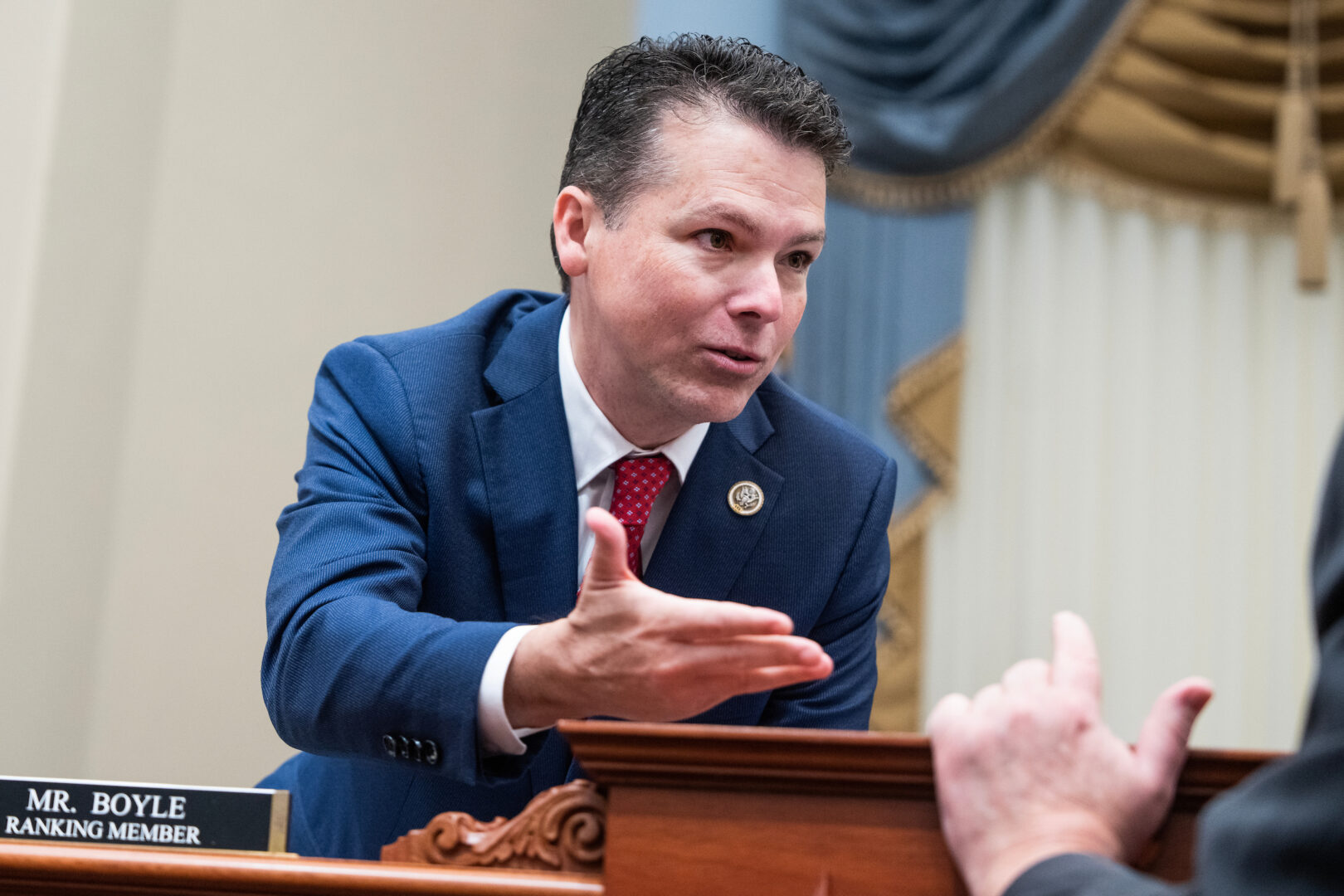
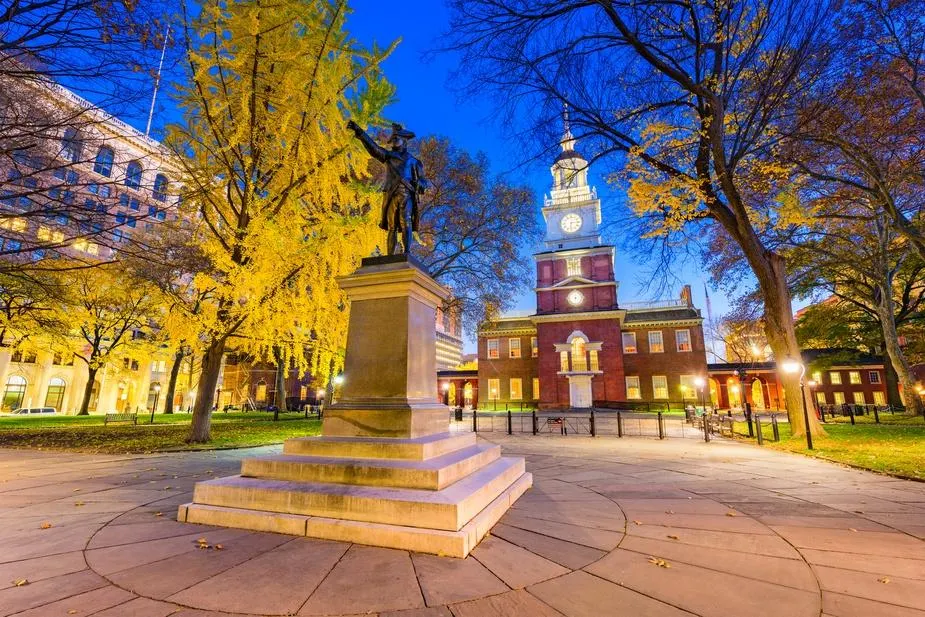
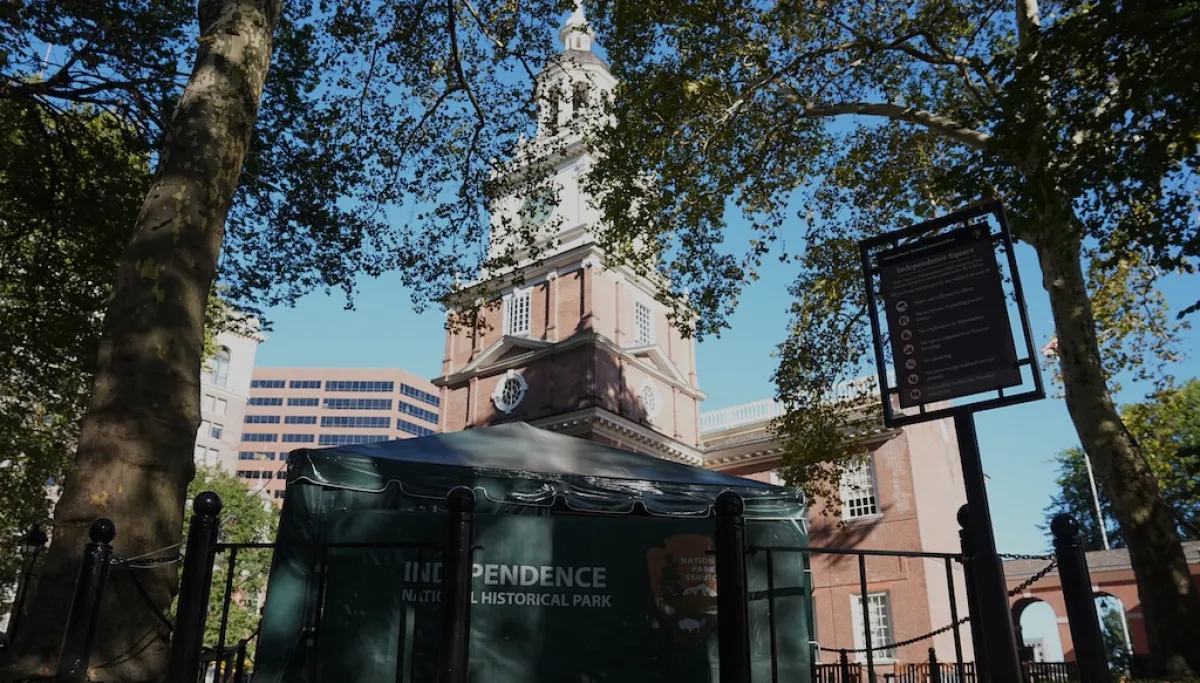
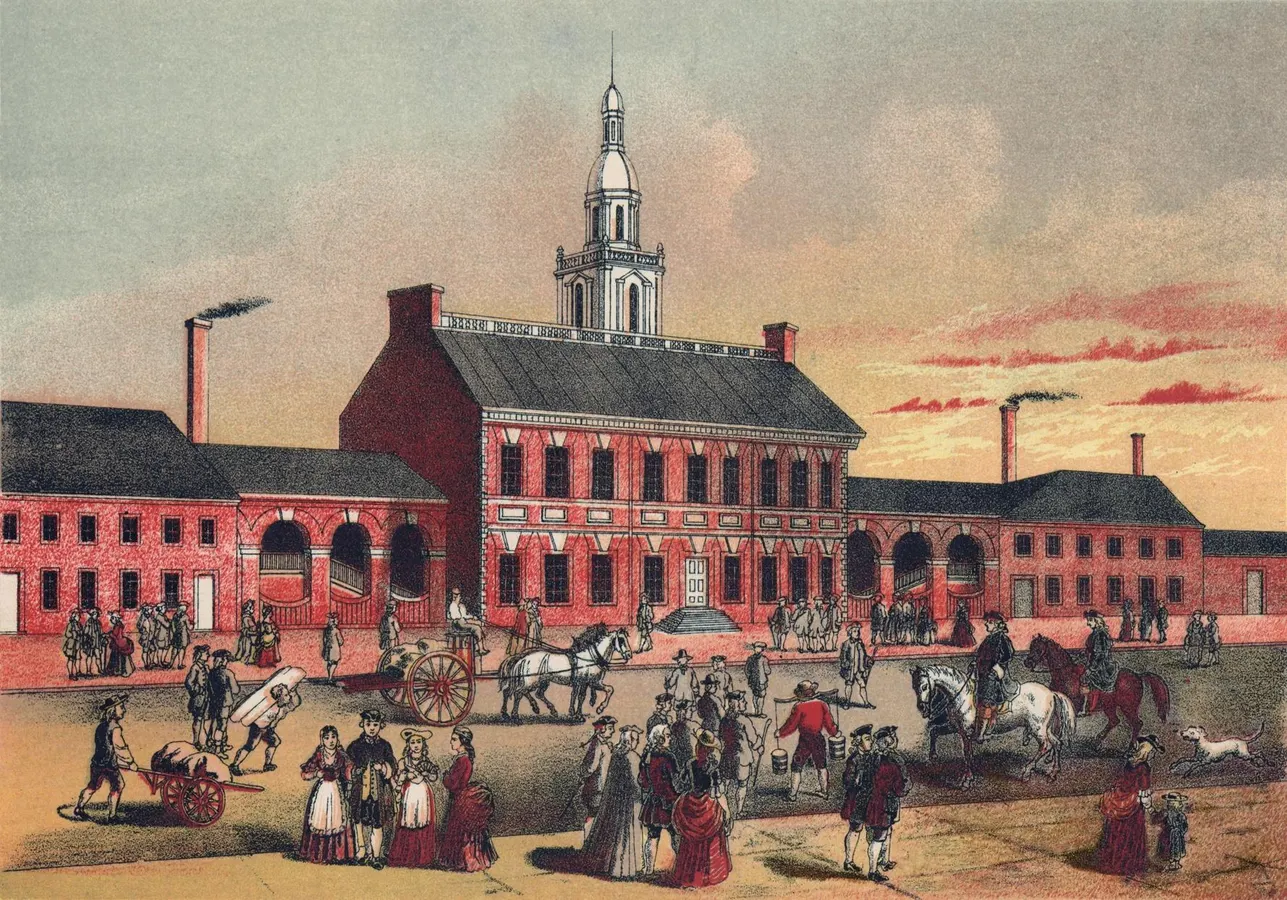
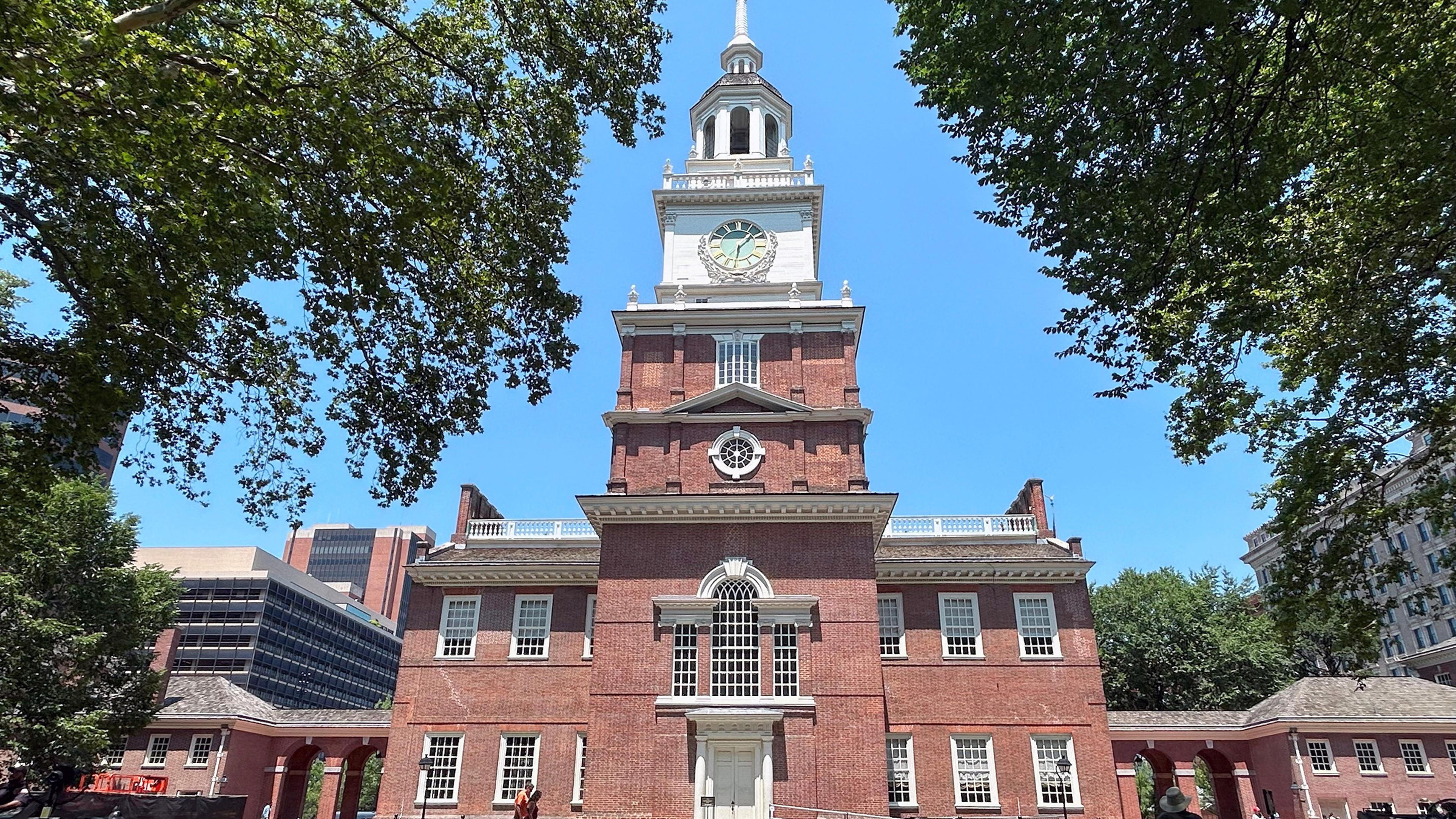
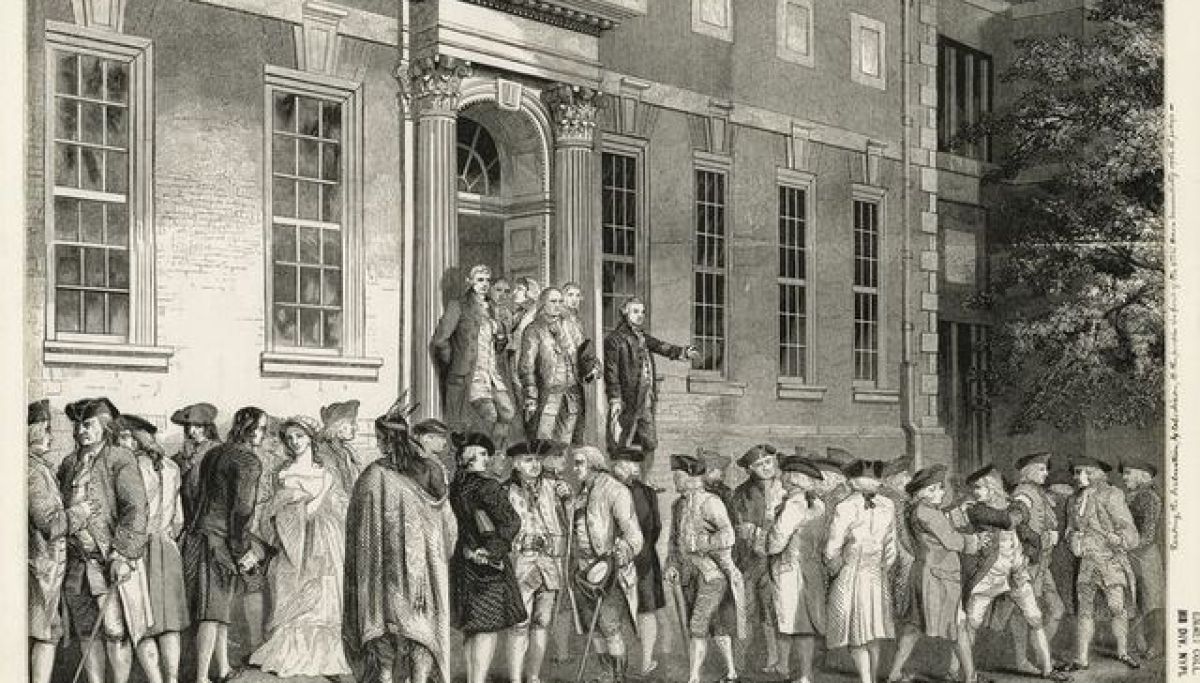
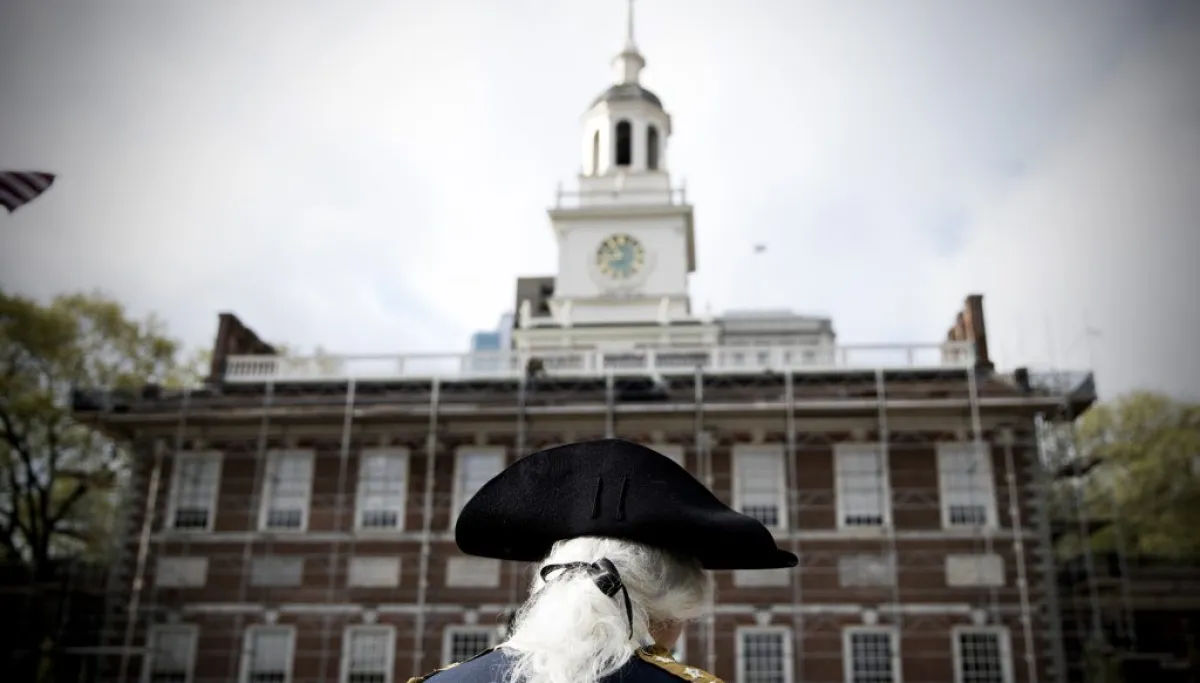
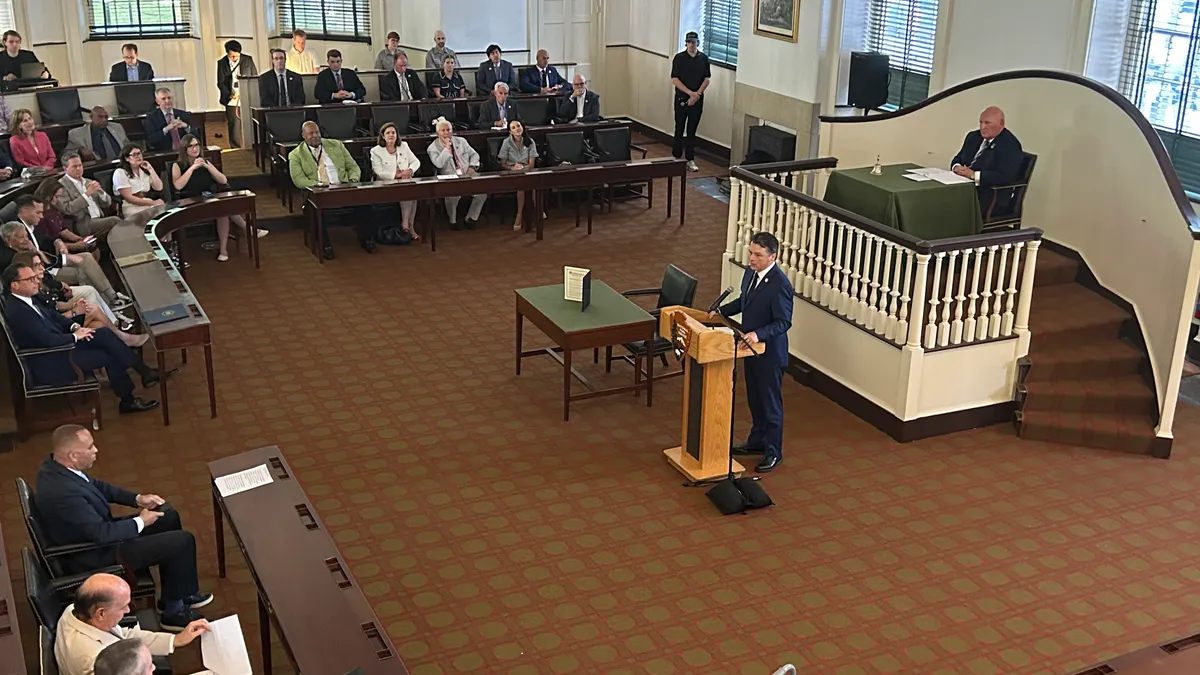
PHILADELPHIA — On July 2, a select group of congressional representatives came back to the place where it all happened, 250 years ago to the day.A special congressional session was held at Independence National Park's Congress Hall in Philadelphia, where the Continental Congress officially declared freedom on July 2, 1776.On that day they approved a resolution by Virginia's Richard Henry Lee that asserted "these United Colonies are, and of right ought to be, free and independent States, that they are absolved from all allegiance to the British Crown, and that all political connection between them and the State of Great Britain is, and ought to be, totally dissolved."Billed as a bipartisan event and organized by Brendan Boyle, a Philadelphia Democrat whose district includes the area around Independence Hall, the ceremonial session drew about three dozen members of Congress.Among them were Democrats Sen. Andy Kim and Reps. Bonnie Watson Coleman, Robert Menendez Jr. and Donald Norcross of New Jersey; Republican Rep. Randy Fine of Florida, GOP Rep. Robert Aderholt of Alabama and Boyle's fellow Pennsylvanians, Republican Reps. Brian Fitzpatrick and Glenn "GT" Thompson.On a sweltering, record 103-degree day, Thompson called the session to order promptly at 3 p.m. Eastern in a Congress Hall room used by Congress from 1790 to 1800, when Philadelphia was the nation’s capital.Boyle, a native Philadelphian whose father was a janitor for SEPTA, the regional transit agency, said in a June 11 statement announcing the event that he'd launched the effort two years ago. The aim was to bring a bipartisan group of his fellow members to Philadelphia, hoping it would be "a unifying moment for the Congress and our country, at a time when we need it most."The session at Congress Hall was only the second time since 1800 that members of Congress returned to the site for a session. The other time was the Bicentennial in 1976 ‒ one year before Boyle was born."In this very place, an idea became a declaration," Fitzpatrick said in his invocation remarks. "In this very place, the work of America began.""Let this sacred place awaken us to the solemn charge that was proclaimed here 250 years ago . . . to keep America worthy of the freedom that we received," Fitzpatrick said.Boyle added: "It was important to me first as a born-and-raised and proud Philadelphian to show off our city's role in American independence. It was also important for me to bring Democrats and Republicans back here to literally the room where it happened to remind ourselves of this, because there are very few occasions in Congress in which Democratic and Republican members can come together in a nonpartisan setting for a nonpartisan purpose."Outside the historic building, a "Red White and Blue To-Do" parade had wrapped, its route truncated due to the intense heat and humidity. Tourists gulped water as they waited in line at the Liberty Bell and along Independence Mall, an area that also includes the National Constitution Center and other attractions.There were other reminders as well, some less subtle than others, of the true purpose of Congress.House Minority Leader Hakeem Jeffries recounted America's grievances against King George III: "Obstructing the administration of justice, cutting off trade with the rest of the world, sending officers to harass the people, obstructing efforts to naturalize citizens and trying to render the military superior to civilian authority."Go America! It’s your 250th birthday! Subscribe to our weekly USA 250 newsletterThe Founding Fathers in formulating the Constitution, Jeffries said, envisioned Congress as a separate and equal branch of government, not subordinate to the executive branch."Let's never forget that we don't work for anyone else ‒ there are no kings in America ‒ we work exclusively for the American people," he continued, echoing a phrase frequently used by groups who oppose the Trump administration.America, whose Constitution was formulated by white men, struggled to live up to its founding ideals in the days of slavery and displacement of Native Americans. But the promise of freedom, Jeffries said, is "a lamppost for us to continue to strive to and march toward a more perfect union."Not far away, the fight over how to teach difficult chapters in American history continues to play out at the President's House, where George Washington lived while he was president and Philadelphia was the nation's capital. Some references to George Washington's ownership of enslaved people were removed by the Trump administration, which has proposed its own signage.Rosie Rios, chair of the America250 Semiquincentennial Commission appointed to the bipartisan group by President Joe Biden, noted she's served on the commission through several administrations. The daughter of an immigrant and a single mother of nine children of differing political stripes, she said, "I am the American dream."The commission, she said, served to remind Americans "there are moments that are bigger than politics," like celebrating our 250th birthday.Bonnie Watson Coleman, one of the many members of the commission in attendance, urged Americans to "reflect honestly on where we have been as a people and what we hope to pass on to future generations."The Declaration of Independence was a seminal moment in human history with its assertion that all men were created equal. But "people who looked like me were not a part of the considerations" to the Founding Fathers, said Watson Coleman, a Black woman."Their rights and their freedoms were not a priority for the 57 white men who signed the Declaration of Independence, saying that all men are created equal."That, she said, makes it more important to recognize the progress made, she added: "It is not lost on me that I am in these hallowed halls, speaking from this position . . . We have made progress but we have much more to do."Phaedra Trethan is a national correspondent for USA TODAY, writing about history and Americana. Contact her by email at ptrethan@usatoday.com, on X @wordsbyphaedra, on BlueSky @byphaedra, or on Threads @by_phaedra.