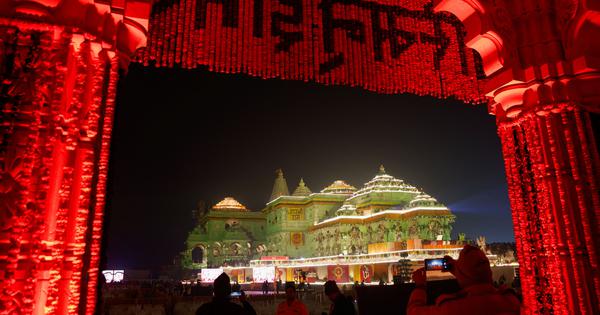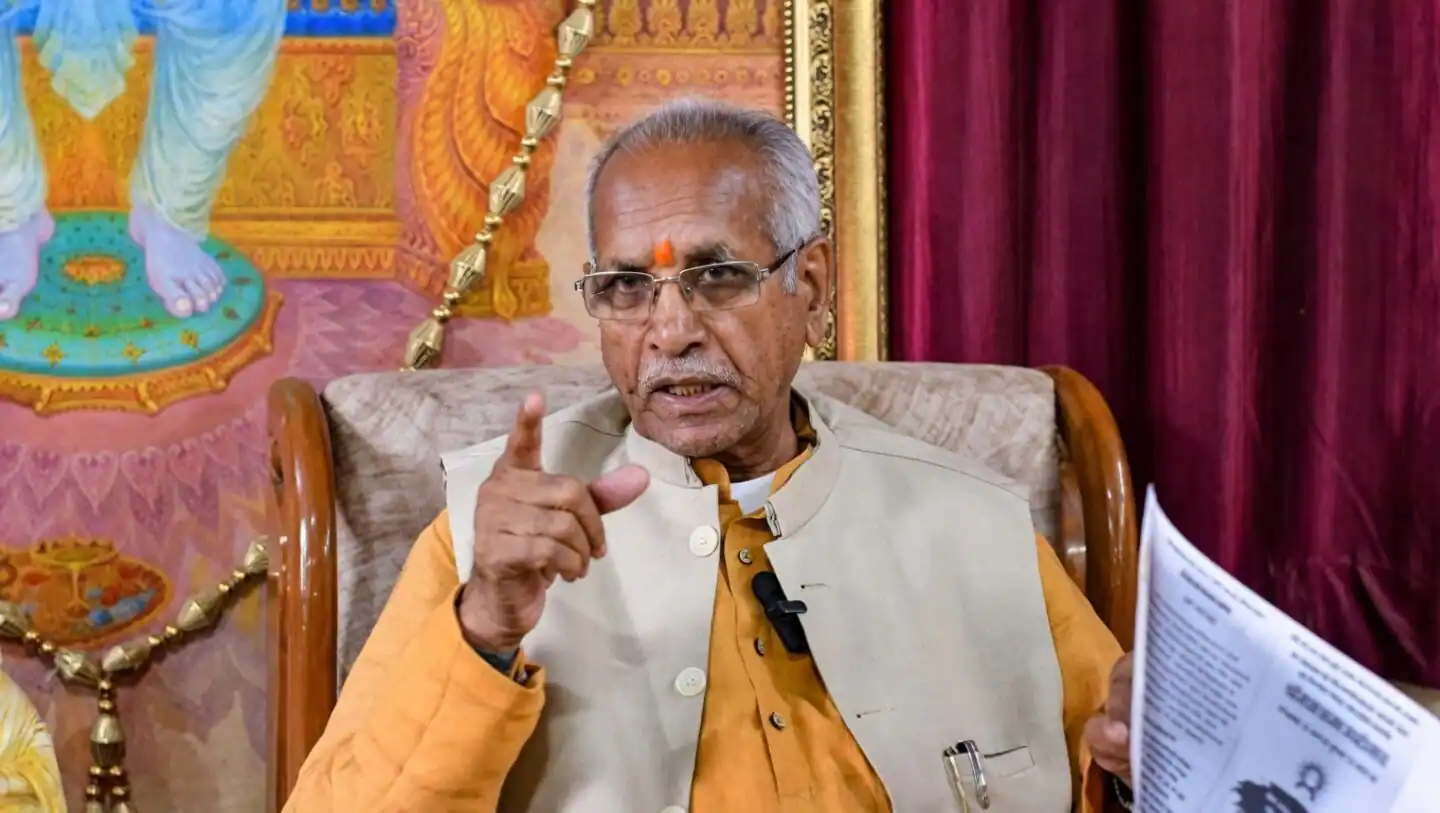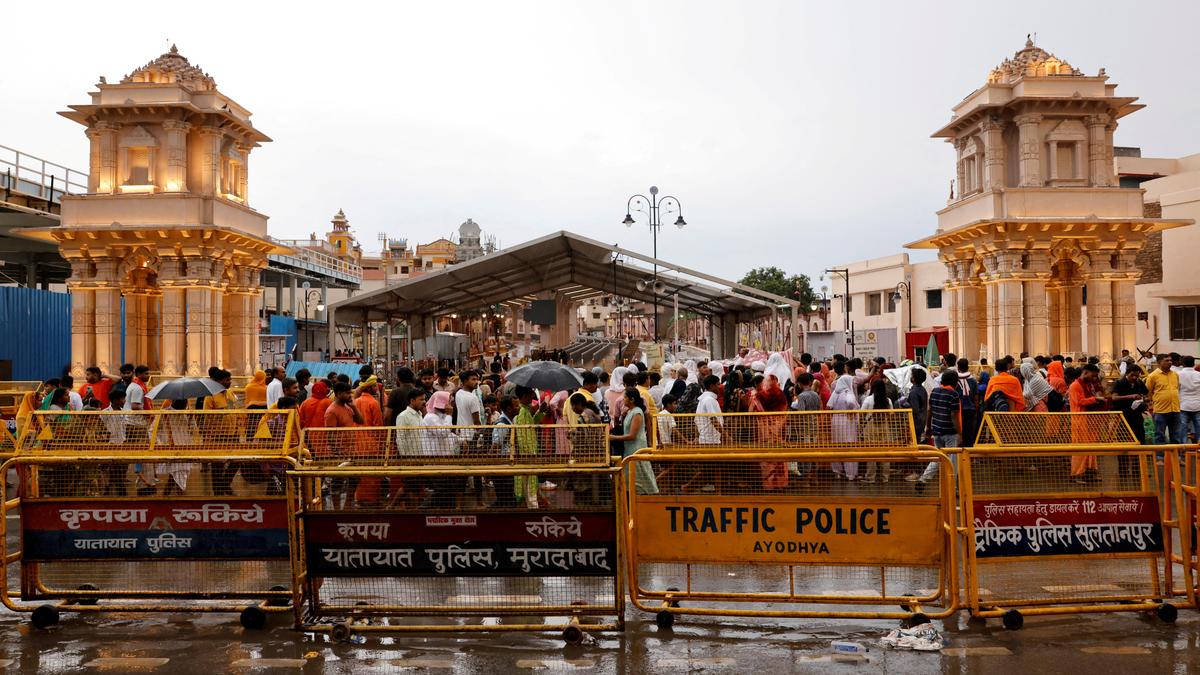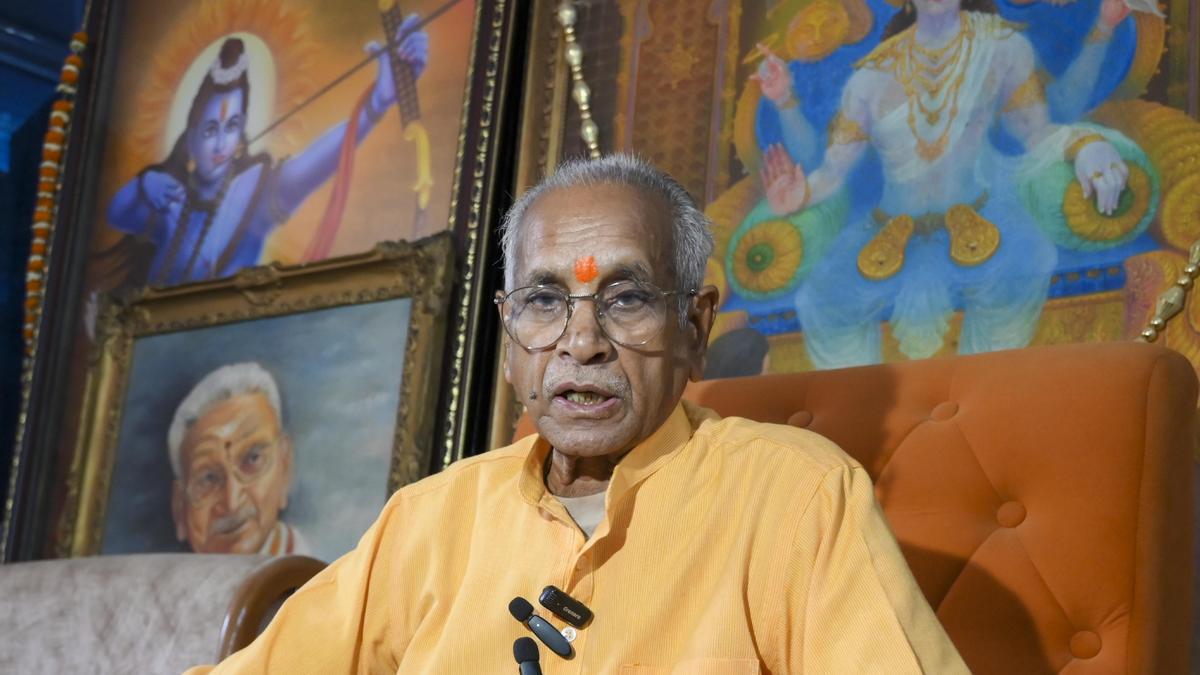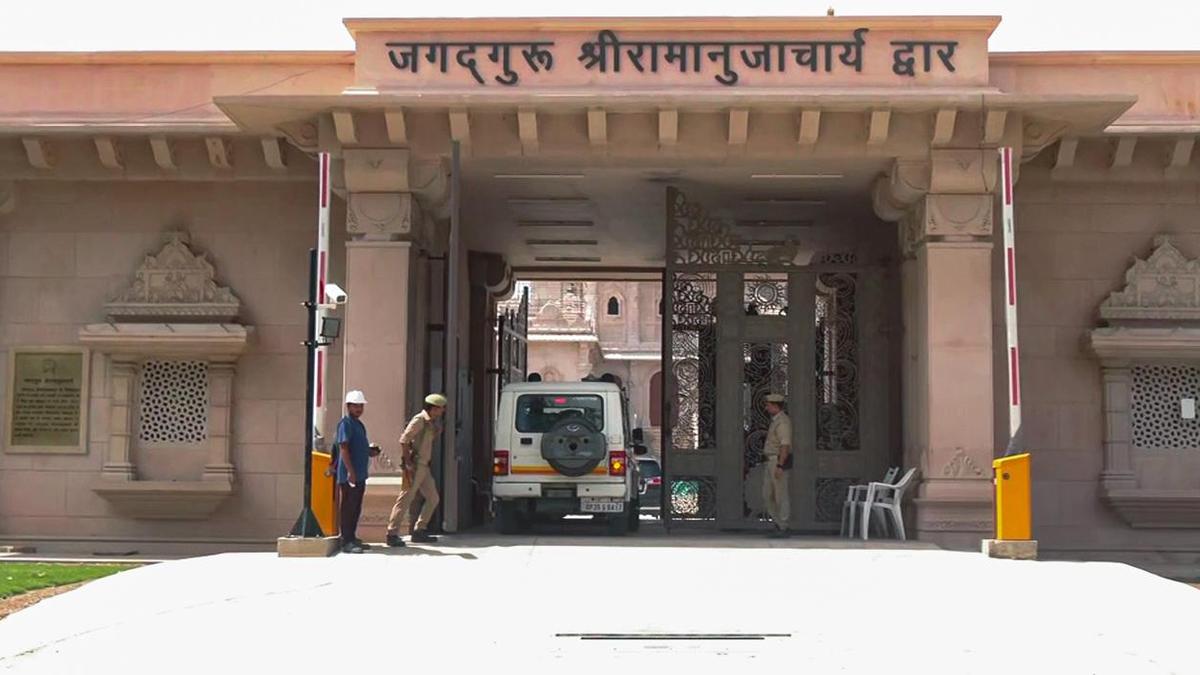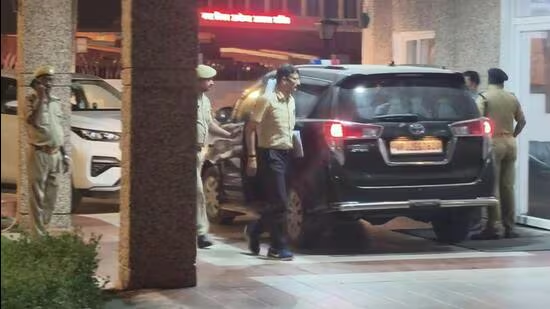
Picking up the investigation from where it paused after submitting its preliminary report on June 23, the three-member Special Investigation Team (SIT) on Thursday resumed its probe into the alleged theft of devotees’ donations at the Ram temple by questioning three of the Trust’s key functionaries, including general secretary Champat Rai, trustee Anil Mishra and temple administrator Gopal Rao.SIT officials in Ayodhya on Thursday. (HT Photo)Official sources said the SIT reached the Ram temple complex at around 2.30 pm and questioned the three functionaries individually inside a restricted room for nearly seven hours. The SIT left around 9.20pm after questioning all three of them.The exercise marked the beginning of the team’s extended investigation after the Uttar Pradesh government granted it time until July 15 to complete its probe.Thursday’s proceedings came days after the SIT had questioned Champat Rai for nearly three hours on Sunday. During the latest round, investigators revisited several aspects of the temple’s donation management system and sought detailed explanations from the Trust functionaries on the administrative framework governing cash collection, counting and banking.According to sources, the investigators spent considerable time understanding the entire fund management mechanism, including the recruitment of outsourced personnel engaged in cash-counting operations, the memorandum of understanding signed with the State Bank of India (SBI) for cash management, and the supervisory responsibilities assigned to different stakeholders.This is SIT’s second major spell of investigation in Ayodhya. The team had earlier camped in the temple town between June 15 and 20, examining documents, inspecting the cash-handling process and recording statements of officials before submitting a preliminary report to the state government on June 23.With fresh time at its disposal, the SIT has now resumed the investigation from the point where it left before filing the preliminary report, shifting its focus from the eight arrested accused to the larger institutional framework that governed the temple’s donation management system.Sources said the questioning of the Trust’s senior functionaries is aimed at establishing the extent of administrative oversight exercised over the handling, counting and banking of devotees’ offerings and identifying whether supervisory failures contributed to the alleged embezzlement.The probe has also expanded beyond the alleged theft itself to scrutinise the recruitment of the accused personnel. According to sources, the SIT is examining who recommended or approved their appointments, whether prescribed procedures were followed during their engagement, and if any administrative lapses or procedural irregularities enabled them to be deployed in such a sensitive assignment.Investigators are simultaneously examining the role of SBI officials associated with the temple’s cash management system, the outsourced agency responsible for deploying manpower for cash-counting operations, and the implementation of the Standard Operating Procedures (SOPs) governing the handling of donations.Officials said the SIT is verifying whether mandatory safeguards—including frisking of personnel, CCTV surveillance, deployment protocols, supervisory checks and other security measures—were properly enforced or whether systemic deficiencies allowed the alleged theft to continue undetected.The investigation has also widened to include scrutiny of assets allegedly acquired by the arrested accused, indicating that the government’s response has moved beyond a conventional criminal investigation to encompass institutional accountability, recruitment practices and possible administrative or regulatory failures.The three-member SIT comprises Lucknow divisional commissioner Vijay Vishwas Pant, inspector general of police (Lucknow Range) Kiran S and special secretary (Finance) Neel Ratan. Senior officials said the team is expected to submit its final report to the Uttar Pradesh government by July 15, with the findings likely to determine whether the scope of the criminal investigation is widened further to include additional individuals or agencies.
SIT back in action in Ayodhya, grills Champat Rai, Anil Mishra, Gopal Rao for nearly seven hours
Investigators seek detailed explanations from Trust functionaries on administrative framework governing cash collection, counting and banking
581 words~3 min read