Story audio is generated using AI
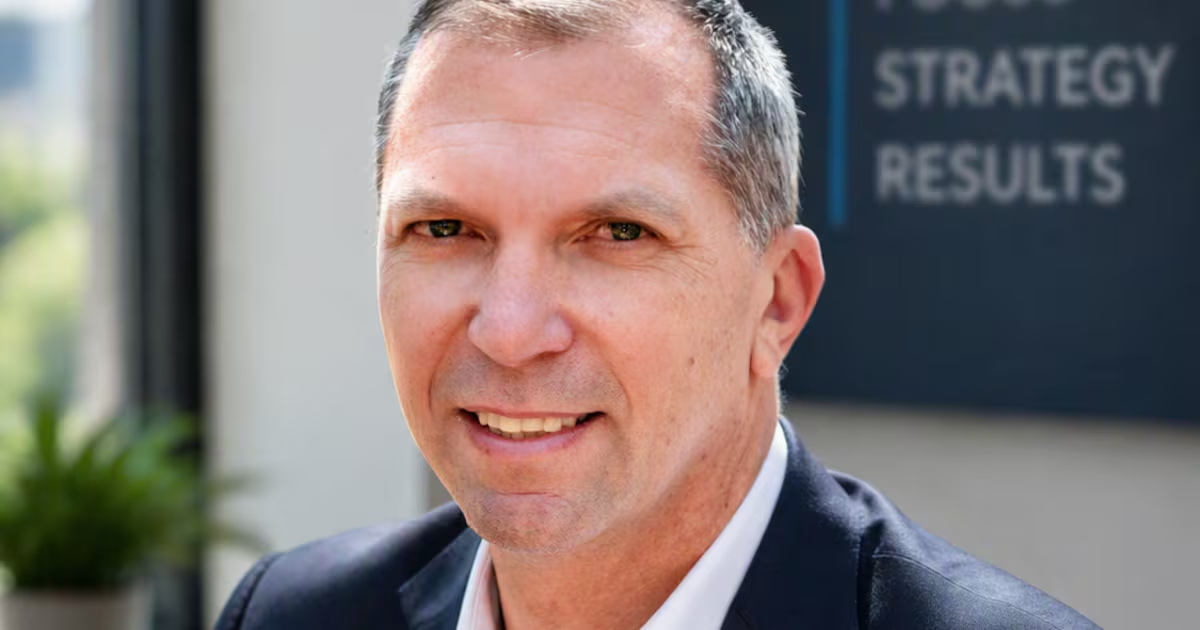
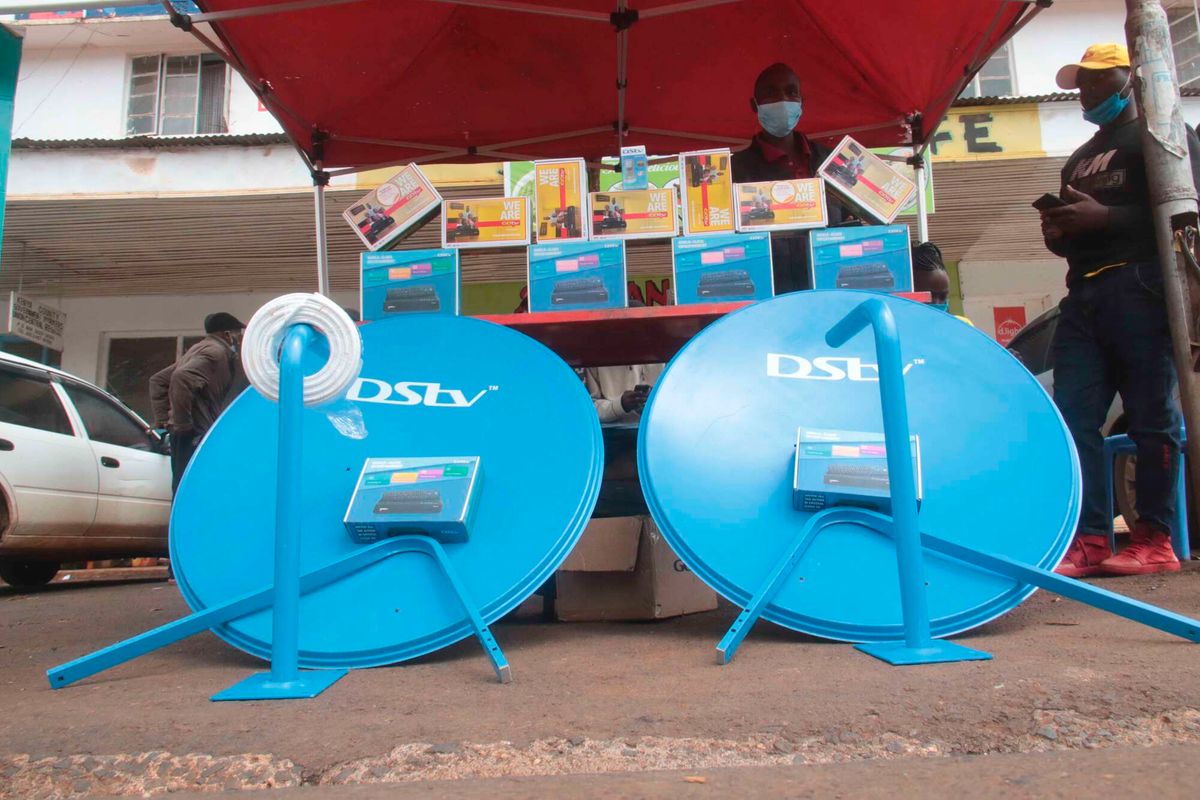
British broadcaster the BBC has benefited from fewer television channels operating on MultiChoice’s DStv, a dynamic that has helped its viewership jump by more than half since 2020. This is according to Pierre Cloete, vice-president for Africa at BBC Studios, who told Business Day that the company remains bullish about South Africa and investment in local content. Cloete noted that despite the broader market being heavily focused on digital streaming, BBC’s linear channels on DStv and other local platforms have experienced considerable growth.He said BBC viewership in the region increased by 50% between 2020 and this year. “South Africa is still the biggest market for BBC Studios. So, we have a lot of focus and high priority here,” he said.This is against a backdrop where DStv has lost a third of its customers in recent years and international players like Amazon have pulled back their investments in the region. South Africa is still the biggest market for BBC Studios. So, we have a lot of focus and high priority here.— Pierre Cloete, vice-president for Africa at BBC StudiosBBC Studios is the primary commercial subsidiary and production arm of the British broadcaster. It produces a number of BBC productions, as well as being in charge of the broadcaster’s six channels in the region — BBC UKTV, BBC Brit, BBC Lifestyle, BBC Earth, CBeebies and BBC News. These channels are available locally, primarily through DStv. Cloete, who would not be drawn on exact viewership numbers, credits this success to a reduction of overall competing channels in the market and BBC’s “intensive, data-driven approach” to adapting programming schedules directly to local viewer habits.“What we’ve seen over the last five years, and that’s really when streaming became popular, is that our channels on MultiChoice and others have actually grown. Our viewership has increased 50% from 2020 until now, which is maybe bucking the trend when it comes to the digital landscape versus the TV landscape.”Read: BBC Studios keeps ties with SA’s Rapid Blue after sale to Rose and Oaks MediaCloete believes this is partly because the number of TV channels has been cut down. “There are fewer channels in the market. Second, we have adapted our programming to appeal to audiences in a more linear fashion. We’ve adapted to how viewers watch a bit more. “We actually do intense research; we get great data so we can be very close to what the audiences want.”One result of this research is a dedicated three-hour block on BBC Brit, particularly on weekdays — between 5pm and 8pm, when the broadcaster airs game shows like Tipping Point, Pointless and The Chase, as these formats have proved popular with audiences. Localised programming is cited as another success factor. Cloete highlighted Come Dine with Me South Africa as the top show on BBC Lifestyle, noting that it pulls in large audiences while retaining good replay and “catch-up” value. The broadcaster continues to invest in new local shows, Cloete noting a newer travel influencer-partnered show, Hidden Gems South Africa, as gaining the most viewer interaction and votes in the channel’s history.South Africa remains BBC Studios’ largest and highest-priority market on the African continent, holding the highest density of their localised channels.Across the rest of Africa, investment relies heavily on strategic partnerships. For instance, BBC News is highly distributed as a trusted brand, while CBeebies has been distributed widely across alternative platforms, like StarTimes and Azam, to provide safe learning content for kids. The recently launched BBC Earth, in French, across 22 Francophone countries is seen as an opportunity to break down historical language barriers and open the company to new audiences.