Story audio is generated using AI
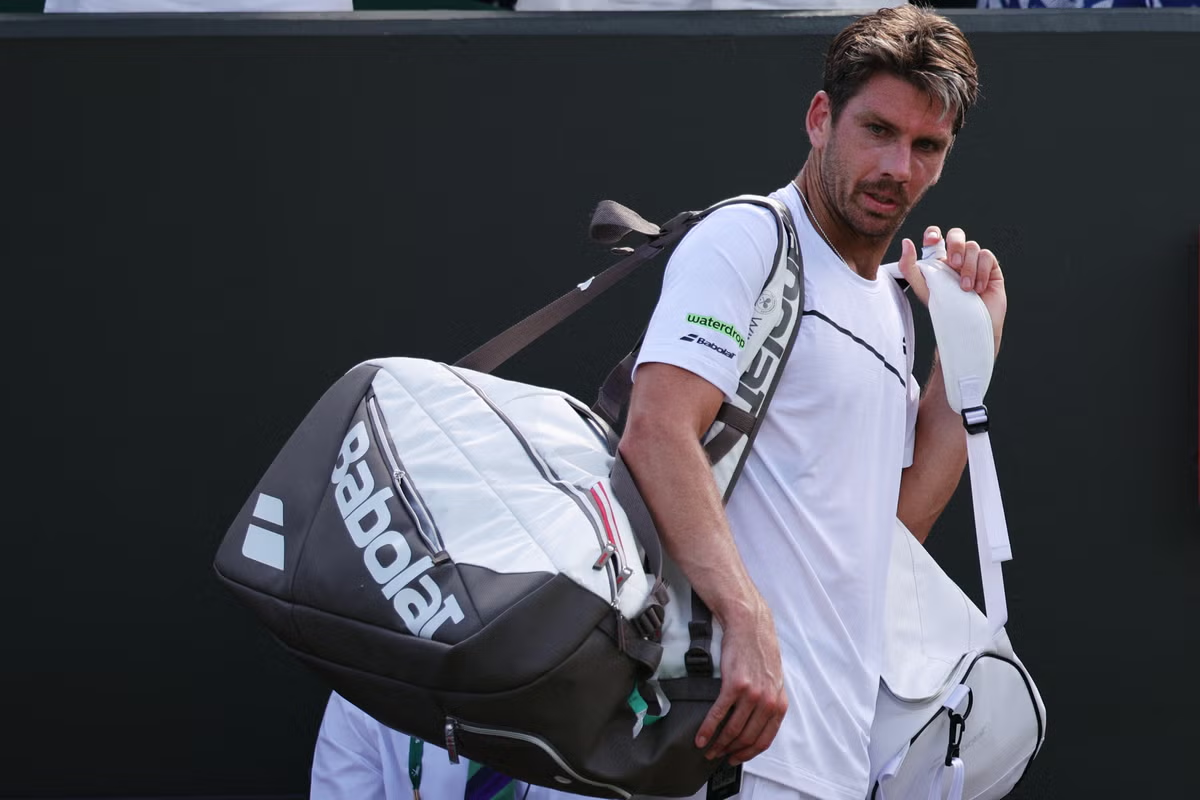
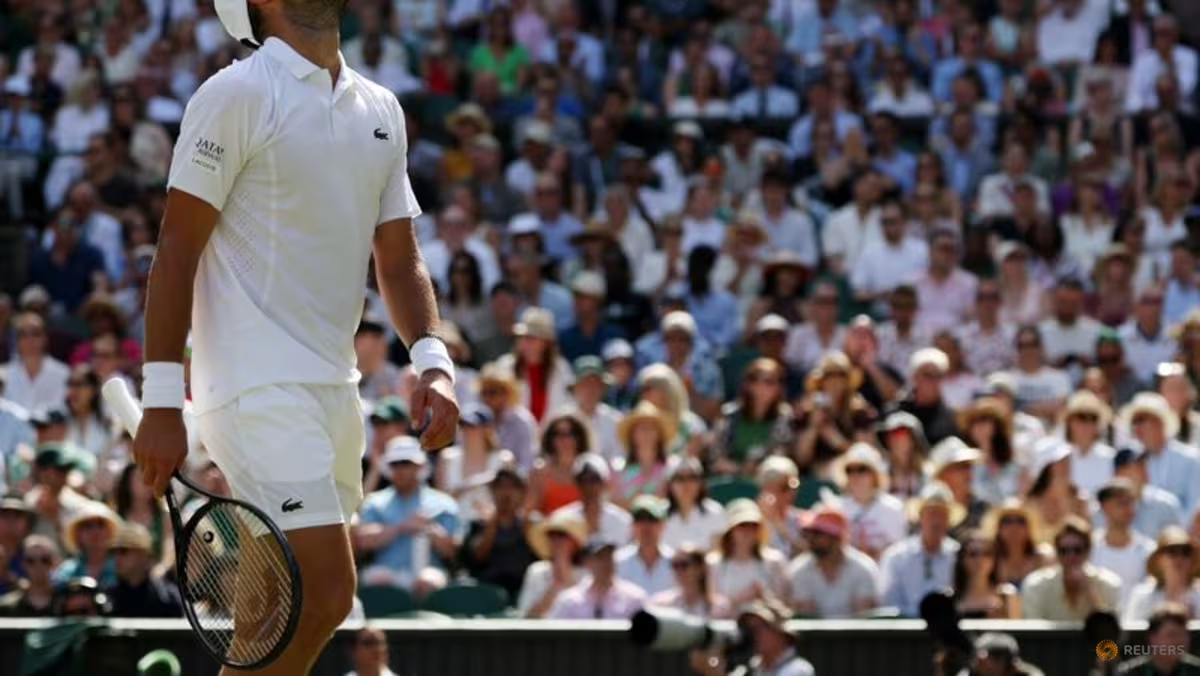
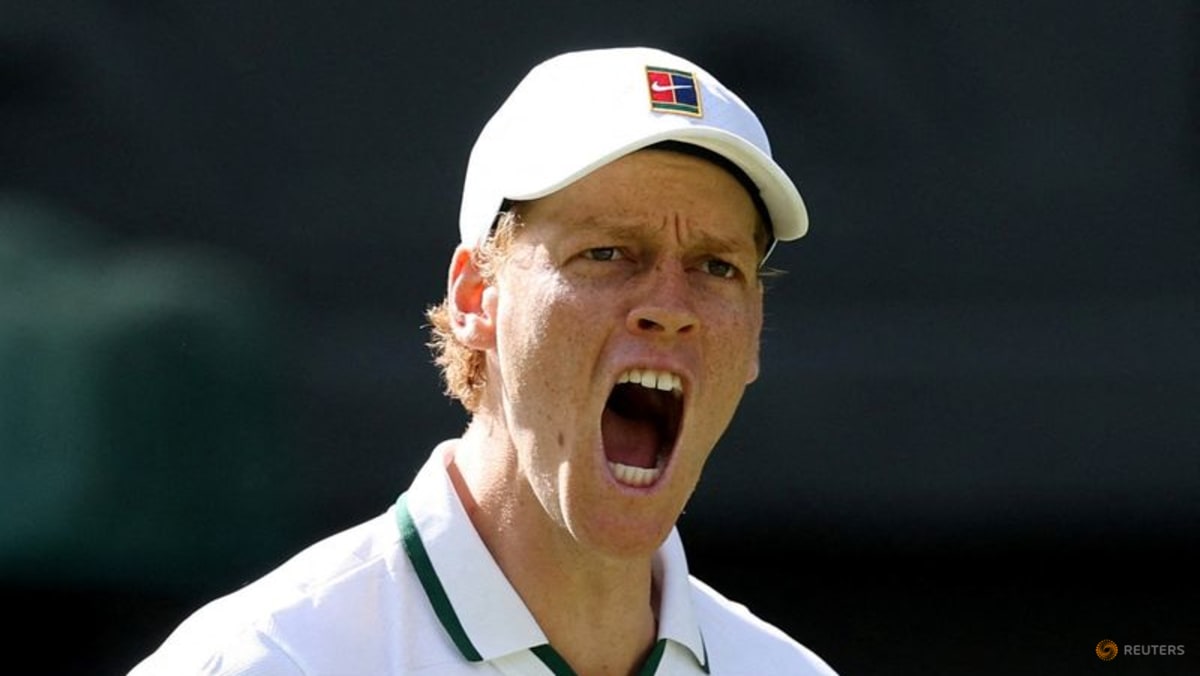
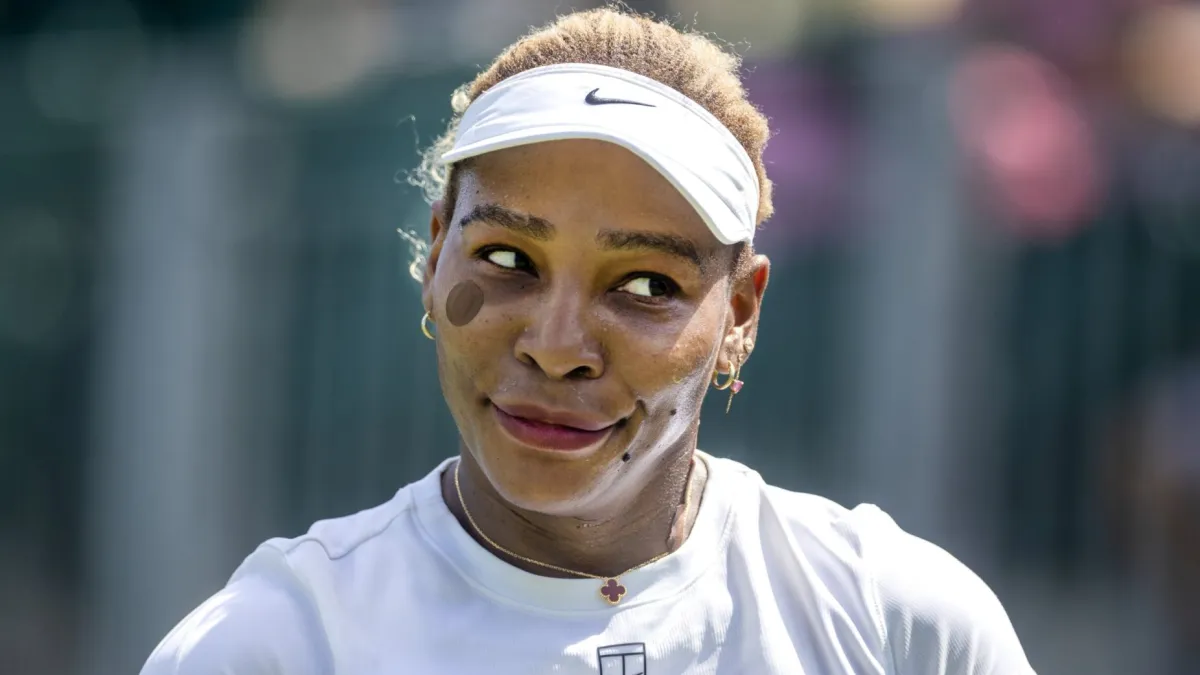
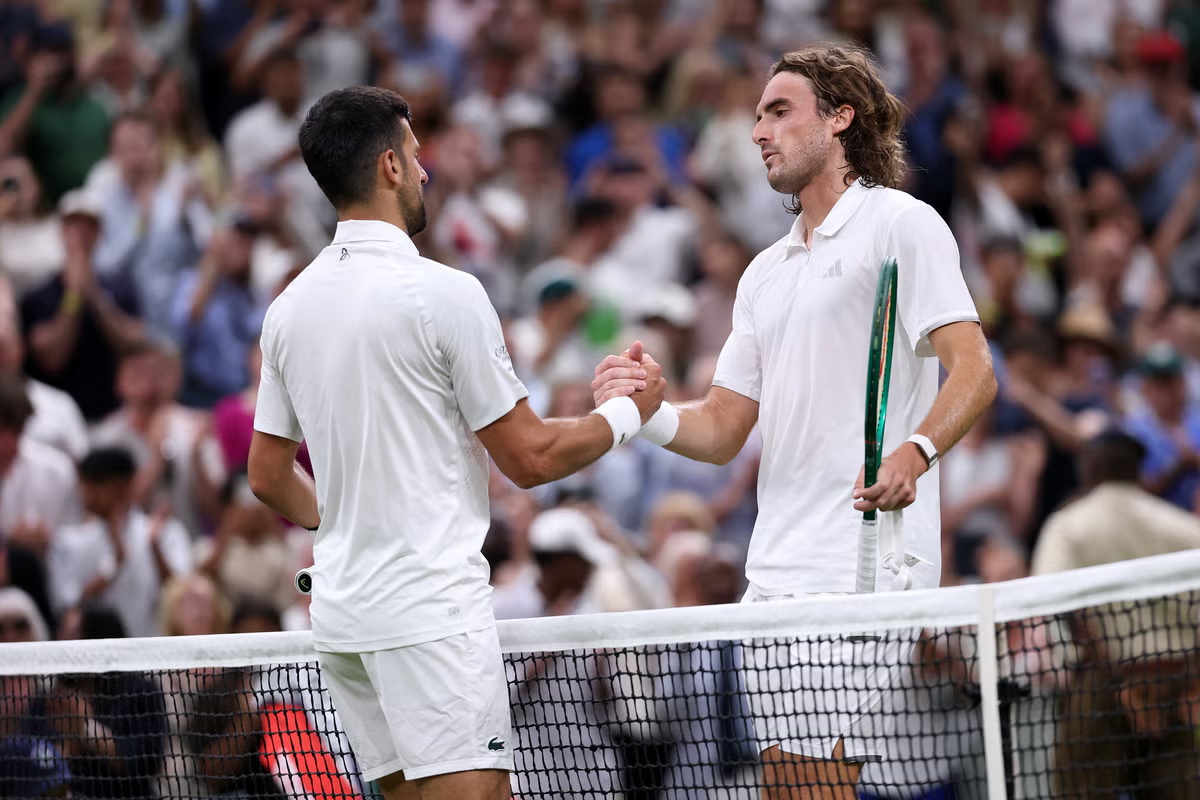
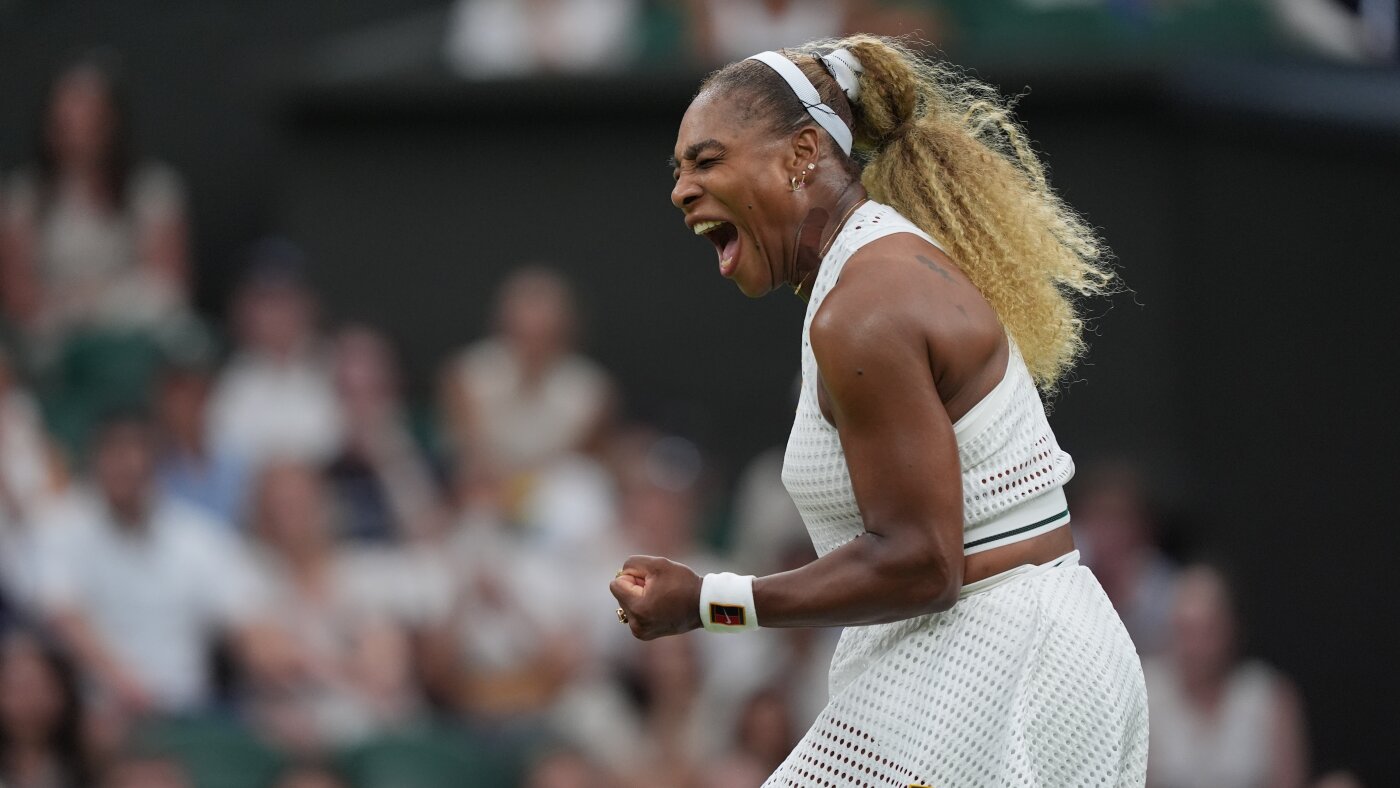
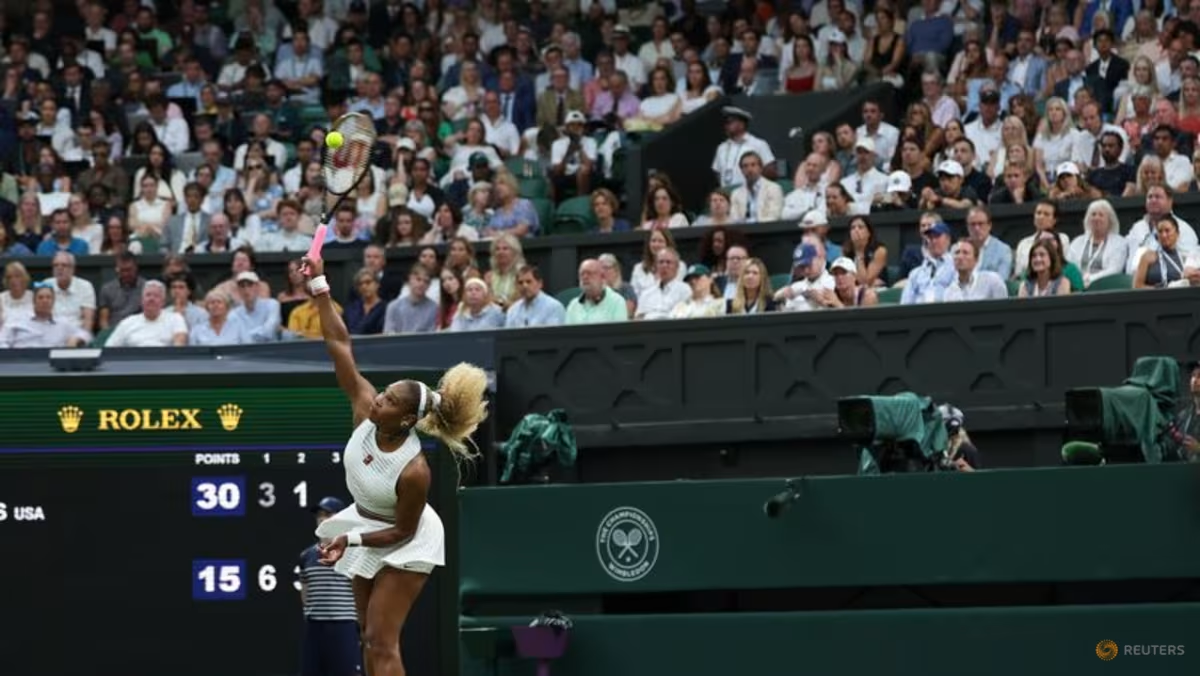
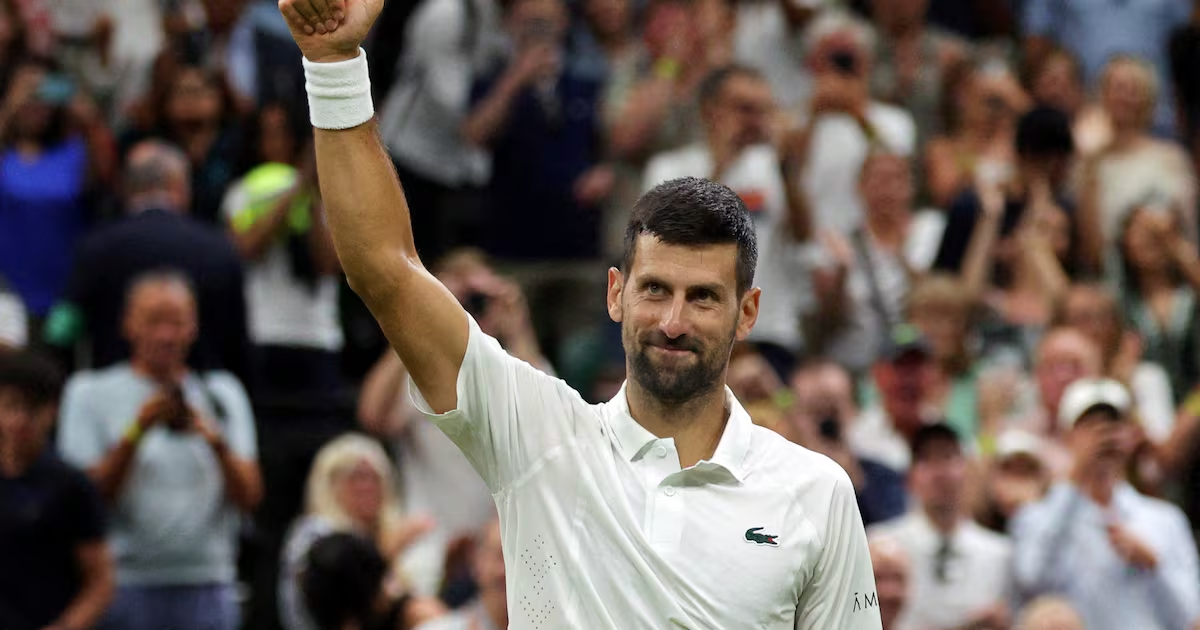
Though it is a week ending in fireworks to celebrate US Independence Day, from a British perspective the opening day of Wimbledon started with anything but a bang — more like a protracted whimper — with the worst results yet for British players in the Open era.British No 1 Emma Raducanu, hailed by the British press as the “Queen of Queens”, after reaching the recent Queen’s Club final — where she was promptly felled in straight sets by world No 29, Croatian Donna Vekic — announced on the eve of the Championships that she was withdrawing due to a stress fracture. Less than 24 hours later the highly anticipated return of fellow UK No 1 Jack Draper, who with new coach Andy Murray in tow, was due to play his opener against US No 1 Taylor Fritz — a perfect US Open 2024 semis slap back — to keep the rampant Americans in check.Instead, Draper followed Raducanu’s lead and pulled out of the draw, citing “chronic bone bruising”, dismantling the hopes of the nation, already reeling from cricket captain Ben Stokes’ retirement.The domino effect was immediate: 10 British players — four men and six women — bit the dust, or should we say grass, on what has now been dubbed “Blue Monday”, including former British No 1 Cameron Norrie, usually more stoic in these grim reaper situations, having been a Wimbledon quarter-finalist last year. But he too succumbed to US qualifier Michael Zheng. On Tuesday, local expectations had been ramped up on the shoulders of British No 2 Karie Boulter, still basking in the glory of her “historic win” over world No 2 Elena Rybakina, at Queen’s, during which the Russian suffered heat exhaustion, having had to defeat defending champion Tatyana Maria on the same day. Boulter’s “brilliance” was a little less dazzling on this occasion; she too went up in smoke against an 18-year-old Italian qualifier, Tyra Caterina Grant, ranked outside the top 150.With Katie in tears, admitting this was “not the best day of her life”, the Wimbledon fans were in desperate need of distraction, if not someone to pin their hopes on.Initially they found solace in former No 1 Naomi Osaka and her floor-length, all-white geisha kimono as she took to court number 8, performing some samurai moves, racket in hand.Her French opponent, Elsa Jacquemot, appeared nonplussed, having seen more authentic fashion statements on Parisian catwalks. However, Osaka at least showed more courage under scrutiny than the British lineup as she and her kimono progressed to the second round.So it was left to wildcard and 23-time Grand Slam champion Serena Williams to buoy local sentiment. Her initial doubles comeback, on her Queen’s debut, was curtailed when younger partner Victoria Mboko suffered a knee injury after their first-round victory. But one short-lived victory was enough to whet Williams’ appetite for the bigger stage.She strode onto Centre Court intent on recreating past glories, looking as indomitable as before, in front of an adoring crowd of 15,000 (including her husband and two daughters), to face Maja Joint, less than half her age.It was a British journalist who described Williams as “plodding vacantly around the court, like a woman on heavy medication”. Scathing, perhaps, given she managed to win one set before losing to yet another Australian (since losing to Ajla Tomljanovic at the 2022 US Open), but one wonders whether her male equivalent, Novak Djokovic, has been influential in motivating this unsuccessful and unrealistic return to competitive tennis.Has he ignited Williams’ desire to at least equal Margaret Court’s 24 singles Slam tally? I suspect that wanting the next generation to see their parents in action is not sufficient motivation in itself. Regardless of myriad hotly mulled motivating factors catapulting veterans back on court — and no doubt the injury-prone deficit in competition is a common denominator — the only player who has singlehandedly surpassed expectation in setting the crowd alight this week is former seven-time champion Djokovic.After a typically unconvincing four-set opener versus little-known Chinese Wu Yibing, the Serb suddenly rolled back the clock on Centre Court late midweek in what he described as the only match he’s really enjoyed since beating then world No 2 Jannik Sinner in the Australian Open semis. He gave former world No 3 Stefanos Tsitsipas an indelible 6-3 6-4 6-2 lesson in near-flawless tennis, to the delight of his wife and children, and to the amazement of the British Ryder Cup team, who had arrived in the Royal Box to boost British morale and to pay tribute to a fellow great.Undoubtedly Djokovic ups his game in the presence of global stars, and Tsitsipas, post break-up number 3 with dad and former coach Apostolos, appeared fodder in the hands of the Serb.As for the naysayers who believe Djokovic should retire and forget about trophy number 25, I have to admit his performance on Wednesday was far sharper than Sinner’s five-set grinding opener against Miomir Kecmonovic, which throws dead cert bets on another “Italian double”, into disarray.