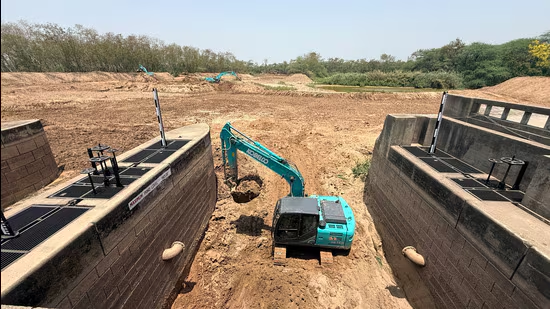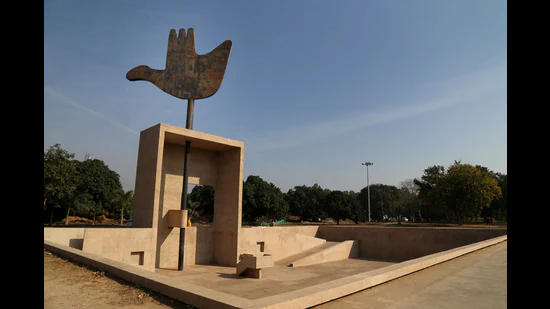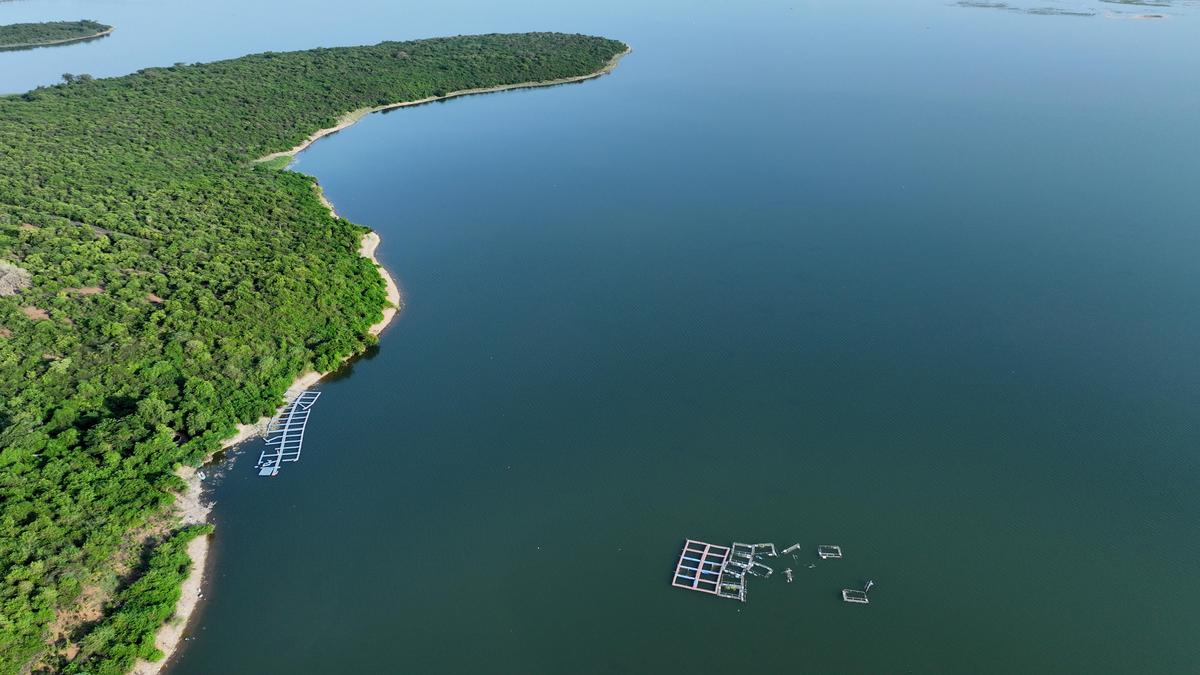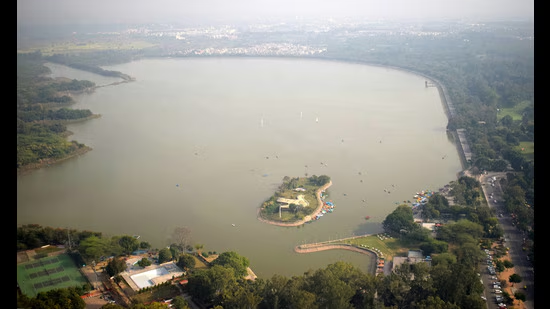
Sukhna wetland’s water-holding capacity is set to increase by about 54,000 cubic metres following the scientific desiltation works, which is currently underway, officials informed during the 5th meeting of the Wetland Authority, Chandigarh, chaired by Punjab governor and UT administrator Gulab Chand Kataria on Thursday.A key proposal discussed during the meeting included undertaking a comprehensive study for the maintenance of the Kansal diversion canal and implementing soil and moisture conservation measures to prevent erosion in the catchment. (Anil DayalHT)The desiltation, being carried out at the regulatory end of the wetland on the recommendations of Indian Institute of Technology Roorkee in consultation with WWF-India, is aimed at improving water retention and restoring ecological balance in the lake.Chairing the meeting at Lok Bhawan, Kataria reviewed the progress of multiple initiatives focused on conservation and scientific management of the Sukhna Wetland, which has been designated as a wetland of national importance. He spoke on the need for an integrated and coordinated approach among departments to ensure long-term ecological sustainability and biodiversity conservation.The authority also reviewed the action-taken report of its previous meeting and finalised the official logo of the Wetland Authority, UT Chandigarh. Detailed presentations were made by stakeholder departments on ecological restoration efforts in the wetland and its catchment area.A key proposal discussed during the meeting included undertaking a comprehensive study for the maintenance of the Kansal diversion canal and implementing soil and moisture conservation measures to prevent erosion in the catchment.Highlighting ecological concerns, the administrator stressed the adoption of scientific and sustainable weed management practices to maintain ecological balance without harming aquatic biodiversity. He also sought updates on migratory bird activity at the wetland and directed officials to explore measures to enhance habitat quality to attract a greater diversity of avifauna. He further suggested installing informative display panels to raise awareness among visitors.Data shared during the meeting indicated encouraging biodiversity trends. A fish diversity survey conducted by the department of zoology at Panjab University recorded over 20 species, with indigenous varieties accounting for more than 80% of the population. Based on the findings, the fisheries department has released 10,000 fingerlings of species such as Catla, Rohu and Mrigal to strengthen the native stock.Senior UT officials, including chief secretary H Rajesh Prasad and representatives from the Ministry of environment, forest and climate change, along with experts from the Wildlife Institute of India, WWF-India and PU, attended the meeting.
Chandigarh: Desilting on at Sukhna, to raise lake’s water-holding capacity by 54,000 cubic metres
The desiltation, being carried out on the recommendations of Indian Institute of Technology Roorkee is aimed at improving water retention and restoring ecological balance in the lake
396 words~2 min read