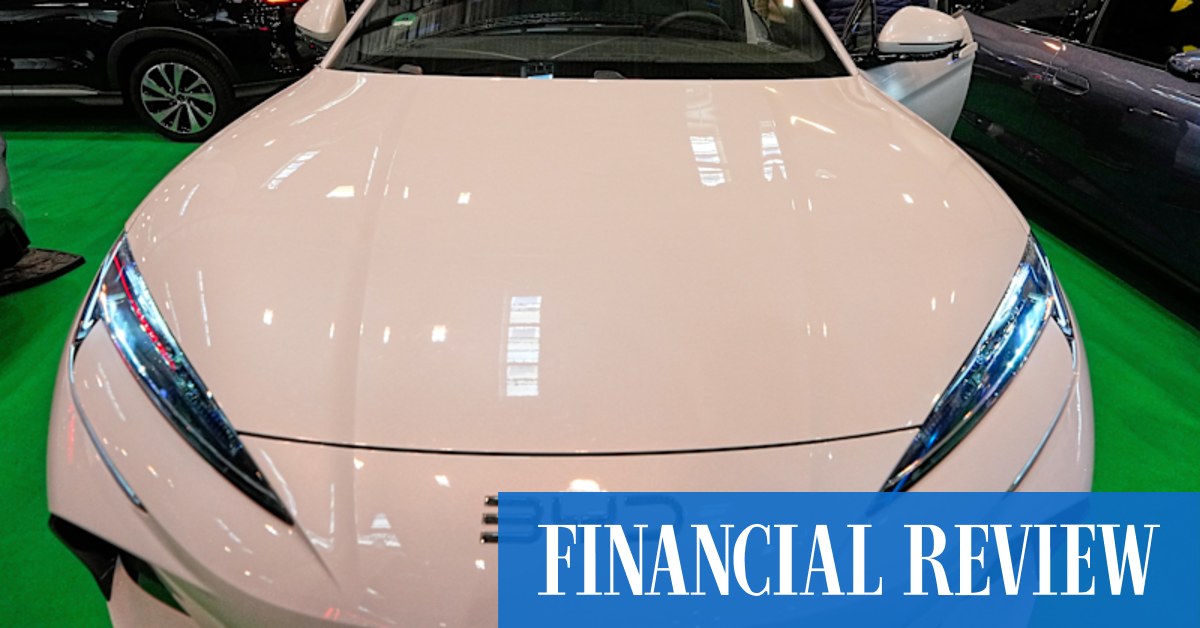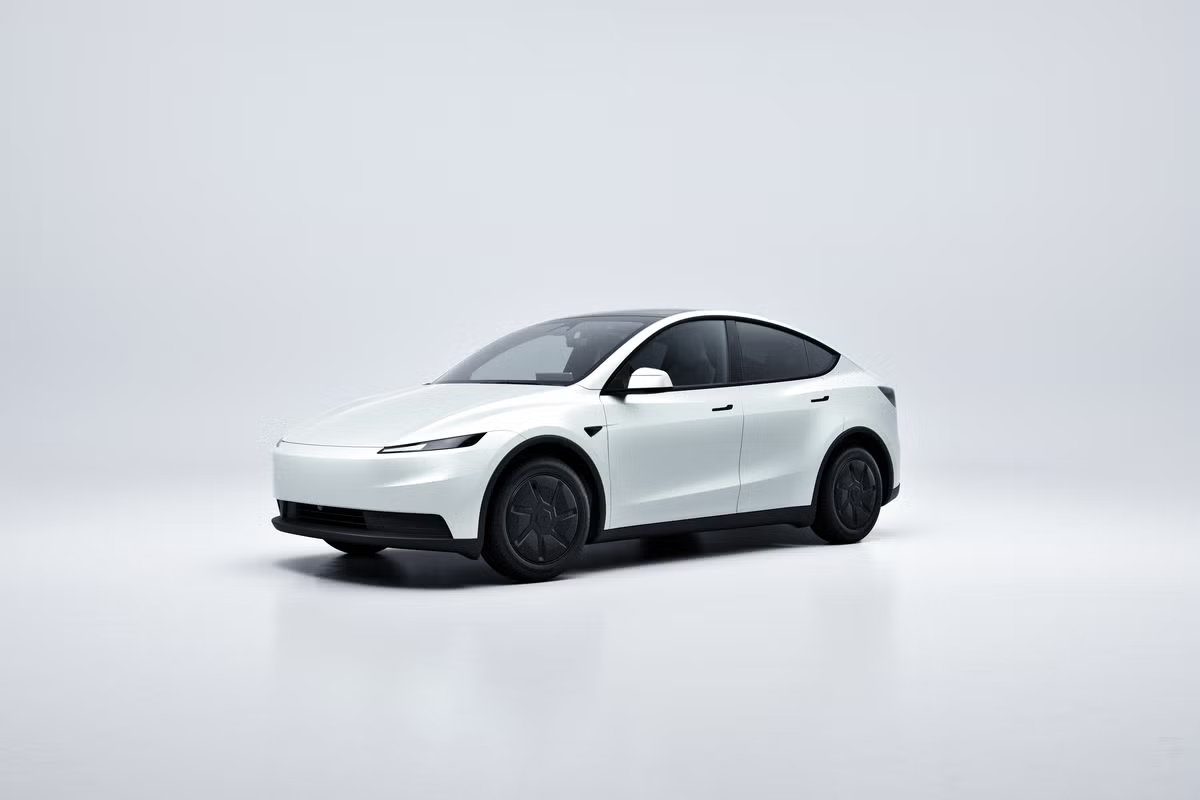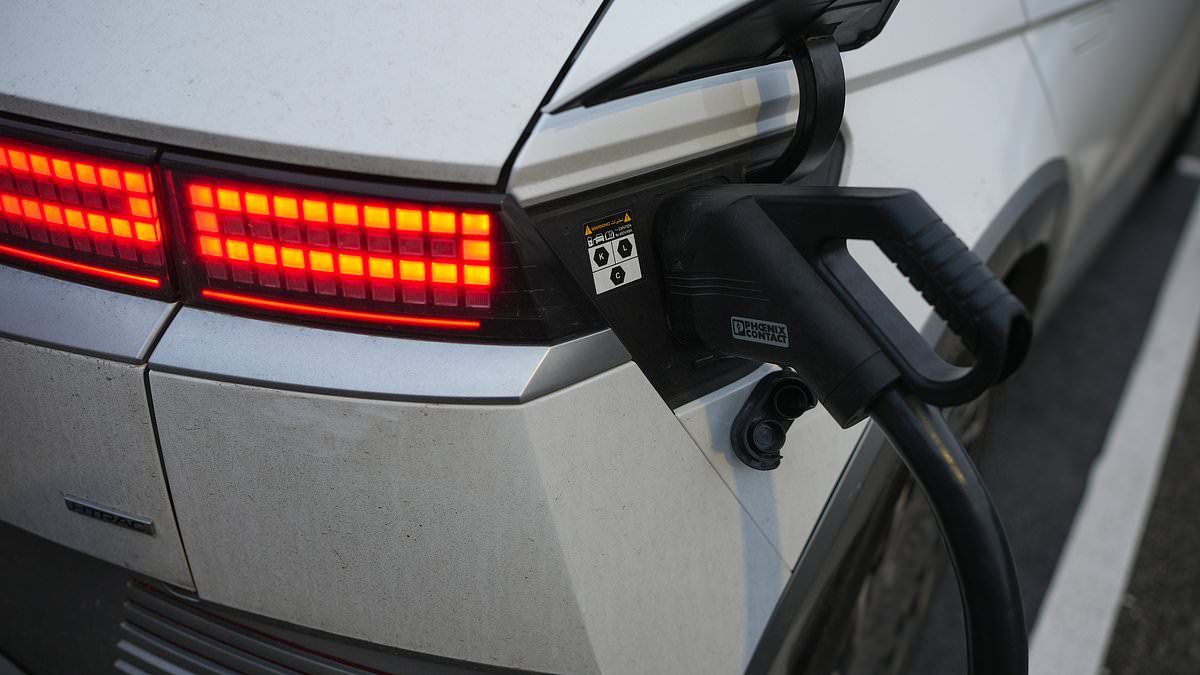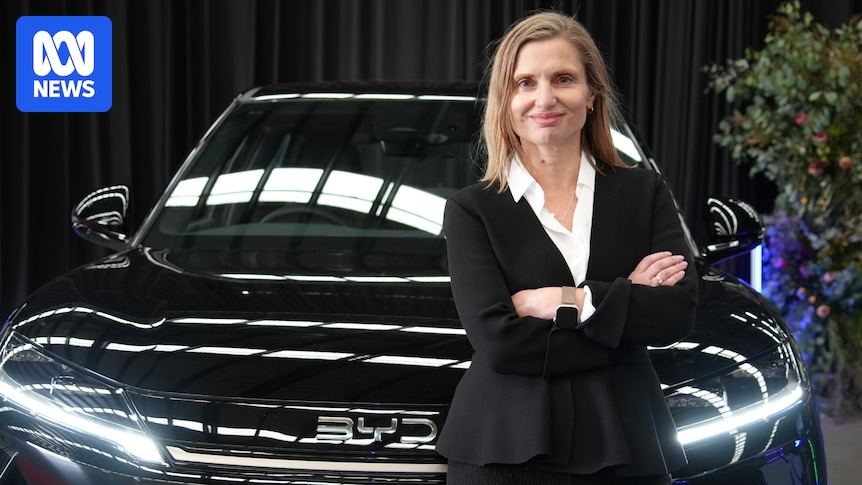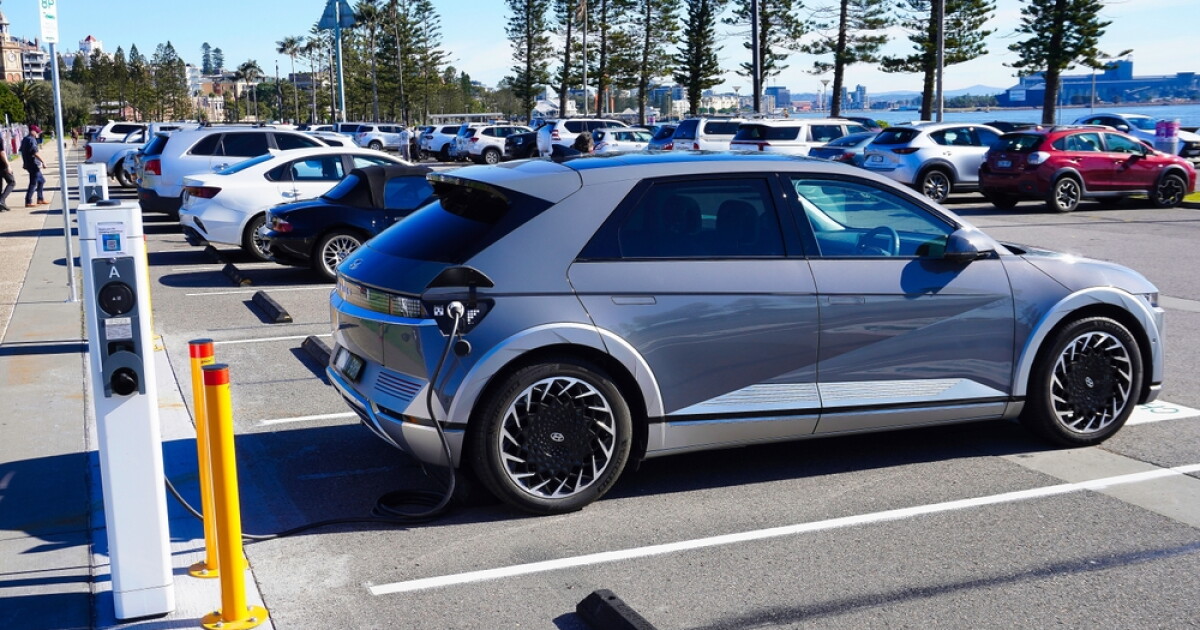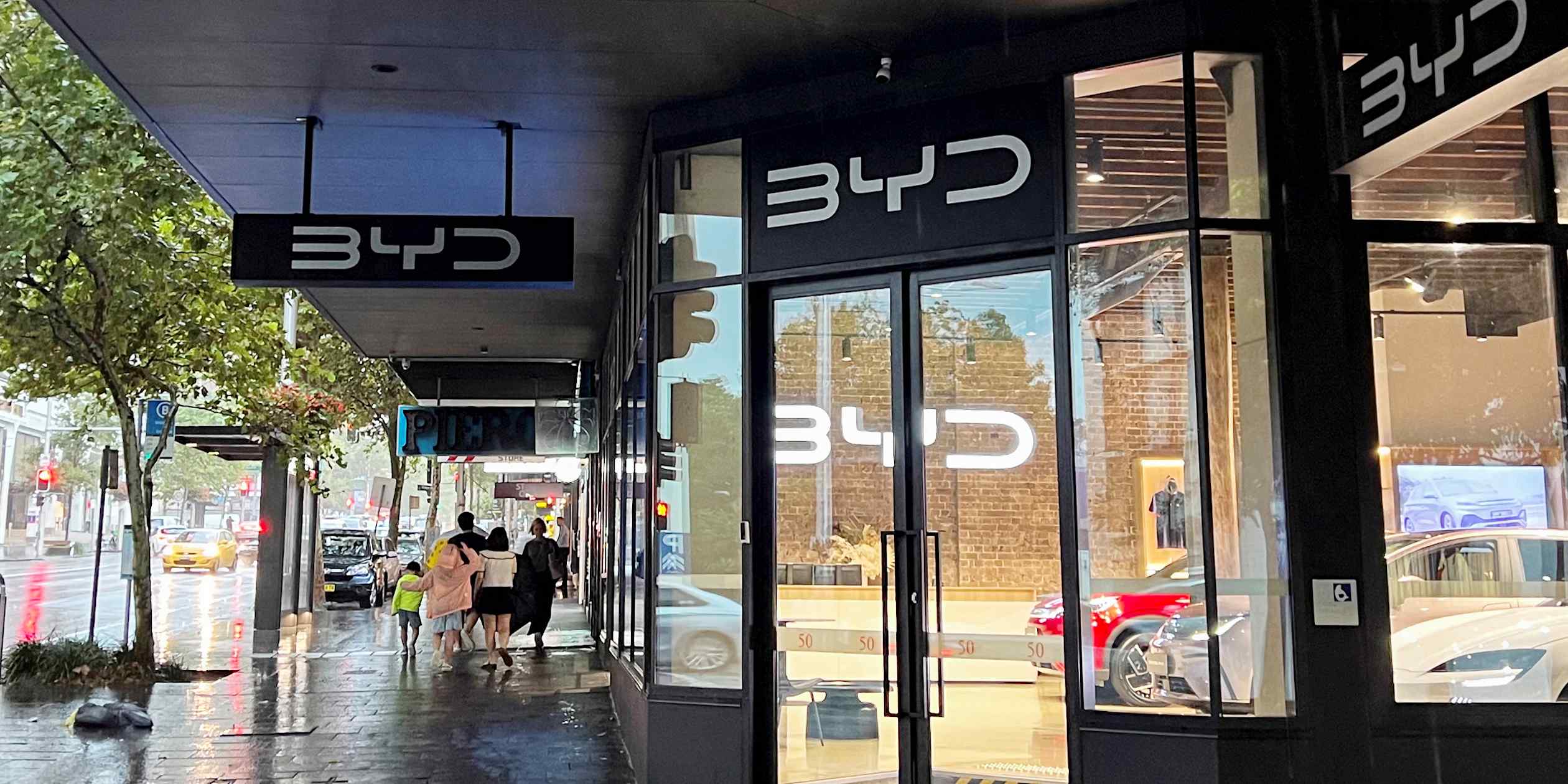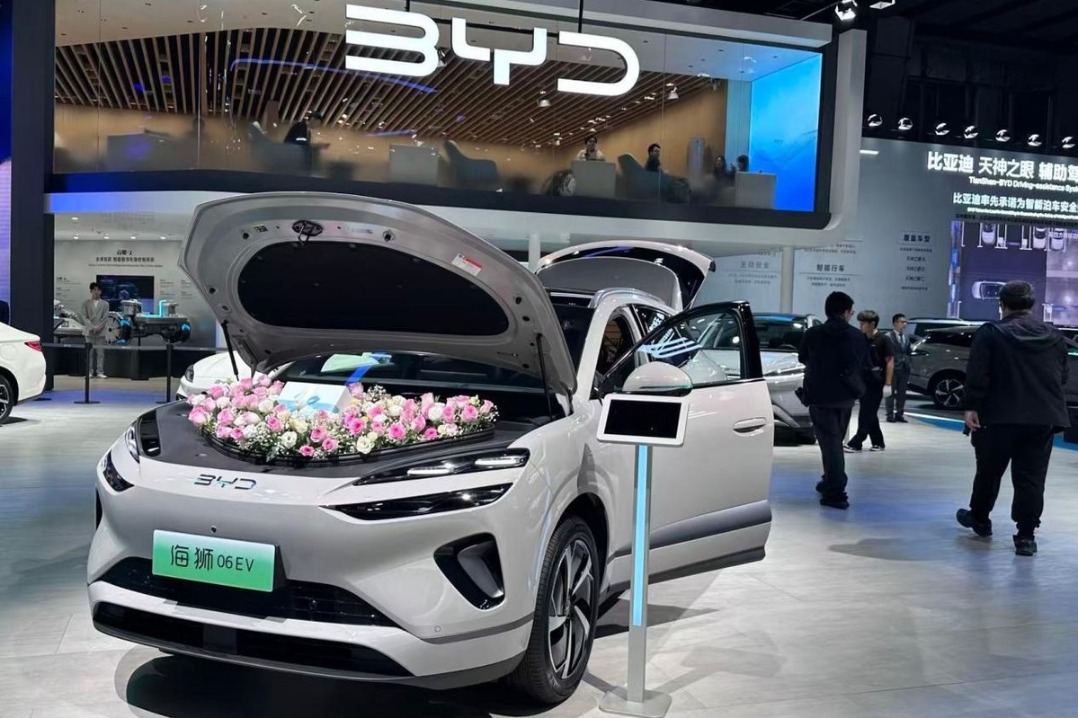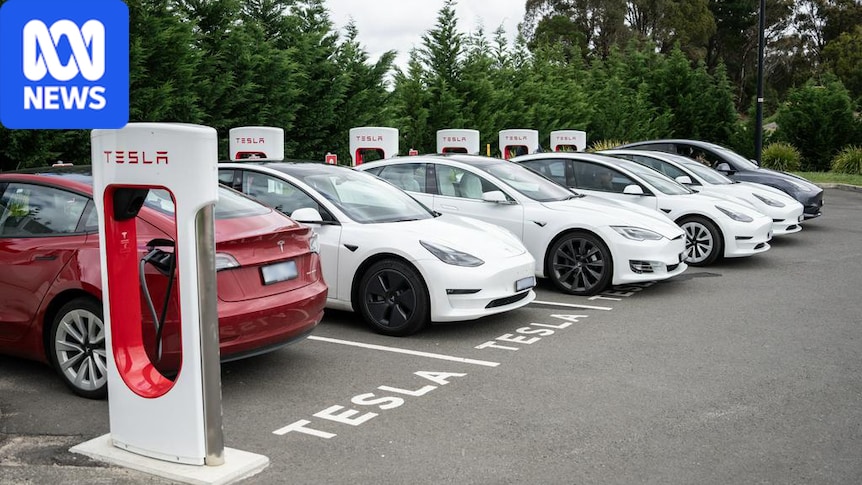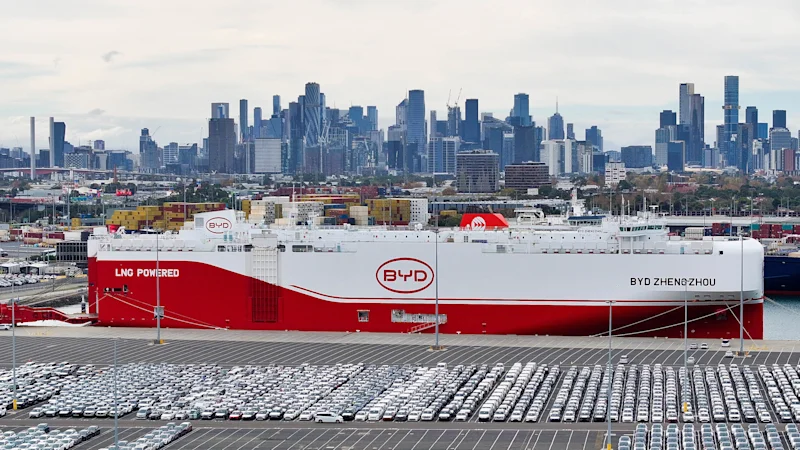
July 3, 2026 — 12:59pmElectric car sales continue to surge in Australia even as the energy crisis fades, and tax breaks on fuel begin to phase out, with both BYD and Tesla selling record numbers of vehicles last month.Electric carmaker BYD transported about 5000 vehicles to Australia on its custom-built ship.Joe ArmaoBYD recorded an astonishing 18,881 vehicles in June, up from 8211 in May. Its rival Tesla sold 8670 vehicles in June, surpassing its previous record of 6433 set in May. In June last year Tesla sold 4589 cars in Australia.The last time a car company in Australia, aside from market-leader Toyota, sold more than 17,000 vehicles in a single month, it was Holden in 2004.The original 32¢ fuel excise cut, introduce by the federal government to help ease cost pressure, expired at the end of June. It has been extended at a halved rate of 16¢ a litre from July 1 to August 2. After August 2 it will return to its full rate.Stephen Collins, BYD’s chief operating officer for Australia and New Zealand, attributed the surge to the company’s efforts to fulfil orders made in late March and early April when the fuel crunch caused by the Middle East crisis began to bite, and to a jump in sales associated with the end of the financial year.“I think it’s a remarkable number, and it really shows that new-energy vehicles are mainstream now, and BYD is very much at the forefront of that transition to new-energy vehicles in Australia,” he said.“There was sort of a shock that happened around, particularly the fourth week of March into early April, as a result of the Middle East crisis, then we saw a steady decline into what is today pretty reasonable fuel prices. So I think what we’re really seeing is that there’s a new baseline for battery electric vehicles, and they are now very much now part of the mainstream conversation.”Rohan Martin, chief executive of the National Automotive Leasing and Salary Packaging Association – the peak industry advocate for novated leasing in Australia – said that though fuel prices looked to be easing, cost-of-living pressures had shifted attitudes of consumers towards electric cars as they became better understood by the market.“What we think is happening in the market is there has been a step change. A lot of consumers who I suppose were sitting on the sidelines and maybe thought about an EV, but now with the ongoing cost-of-living challenges, which were highlighted by the fuel crisis, have made the decision.”He said the federal government’s fringe benefit tax exemption was also supporting sales, while new vehicle efficiency standard had encouraged the import of a greater range of electric car models to Australia.Because consumers are now reassured that EVs were not a fad, he expects sales to snowball, with the ongoing trend upwards after a dip in July following the bump caused by the end of the financial year.So great was the surge in Australian demand after the US and Israel’s attack on Iran that BYD was prompted to redirect its gigantic car-carrying ship, the BYD Zhengzhou, to Australia, marking the first time a vessel owned by a car company landed in the country.The BYD Zhengzhou is one a fleet of eight ships owned by the giant Chinese manufacturer, which controls every aspect of its vehicle’s production, from the mining of raw materials through to the manufacture of parts and batteries, and their transport around the world.“We asked our customers to back us in, and they did, and we delivered,” Collins said.“We thank them for having faith in us to make good on a promise we made in early April, which was to deliver vehicles in record time when orders more than doubled as cost-of-living pressures intensified with skyrocketing fuel prices.”At the time observers like Tim Buckley, founder and chief executive of the pro-renewables think tank Climate Energy Finance said the arrival the BYD ship marked a turning point for Australia.National average retail petrol prices peaked at a record-breaking $2.53 per litre in late March 2026, and now sit at around $1.60.Get to the heart of what’s happening with climate change and the environment. Sign up for our fortnightly Environment newsletter.Nick O'Malley is National Environment and Climate Editor for The Sydney Morning Herald and The Age. He is also a senior writer and a former US correspondent.Connect via email.From our partners
Electric car sales surge even as fuel prices ease
EV makers believe that following a surge in sales due to the cost of fuel, electric cars have won mainstream acceptance.
729 words~3 min read