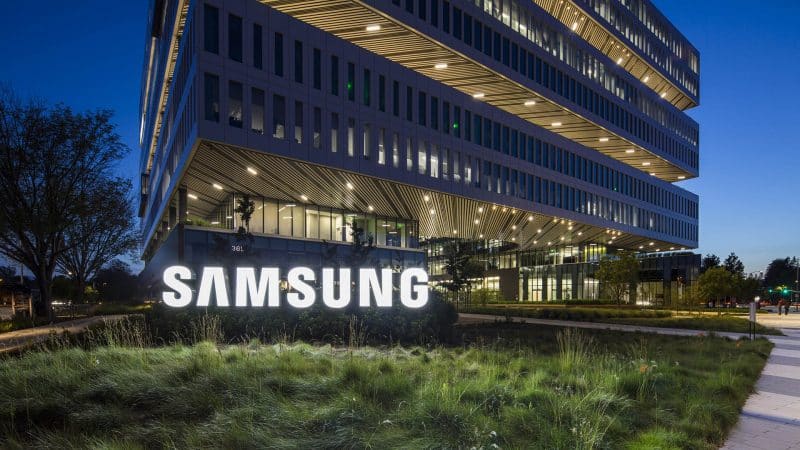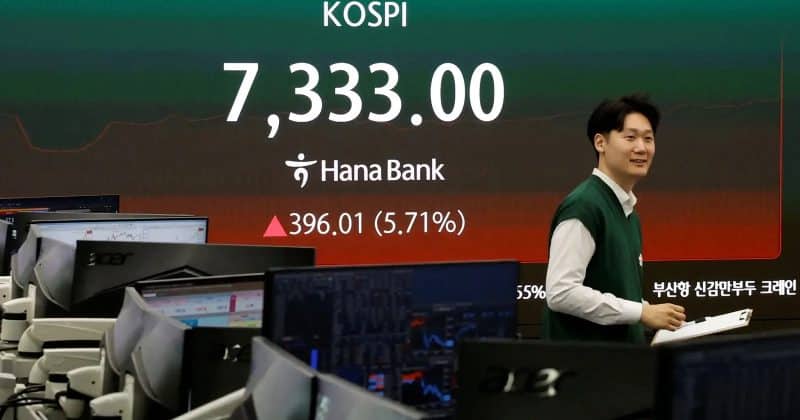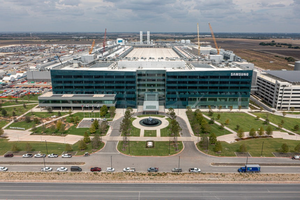
Samsung Electronics’ new foundry plant in Taylor, Texas, is seen in this file photo. (Getty Images) Anthropic is in talks with Samsung Electronics to produce advanced artificial intelligence chips using the Korean chipmaker’s next-generation foundry and packaging technologies, according to a report, in a potential boost to Samsung’s efforts to win more big tech customers.The Information reported Thursday that the US AI model developer is considering using Samsung’s 2-nanometer foundry process and advanced packaging facilities to manufacture its own high-end chips. The discussions are still at an early stage, and Anthropic is speaking with multiple chip design firms, the report said.A deal would mark another high-profile customer win for Samsung’s foundry business, which is trying to narrow the gap with TSMC in advanced logic chips and return to profit after years of losses.Anthropic signaled in May that the world’s three major memory chipmakers had joined its Series H funding round as “strategic infrastructure partners.” The company said at the time that those partners would play a key role in supplying not only memory chips but also logic chips, fueling speculation that Samsung could be involved because it is the only one among Samsung, SK hynix and Micron Technology with both memory and foundry operations.The latest report raises expectations that such cooperation could extend to custom AI chip production, though Anthropic’s chip project has not yet reached detailed design, testing or manufacturing stages.Samsung has been courting more global tech customers for its foundry business, with Tesla, Nvidia and Apple among the names tied to its advanced chip and packaging pipeline. A deal with Anthropic would strengthen its push into AI chips as tight supplies of advanced process and packaging capacity drive customers to seek alternatives to TSMC.Samsung Foundry President Han Jin-man told employees last month that the business could return to profit by 2028, as the company works to improve yields, expand its customer base and sharpen its competitiveness in advanced nodes.Samsung’s non-memory operations, including foundry and system LSI, likely remained in the red in the second quarter, but HBM4 base-die demand and new advanced-node orders could help narrow losses in the second half, according to industry estimates.According to Counterpoint Research, TSMC held a 38 percent share of the global “Foundry 2.0” market in the first quarter, while Samsung accounted for 4 percent. The category includes not only pure-play foundries but also integrated device manufacturers, outsourced semiconductor assembly and test companies and photomask suppliers.
Samsung in talks to produce Anthropic’s advanced AI chips
Anthropic is in talks with Samsung Electronics to produce advanced artificial intelligence chips using the Korean chipmaker’s next-generation foundry and packag
404 words~2 min read