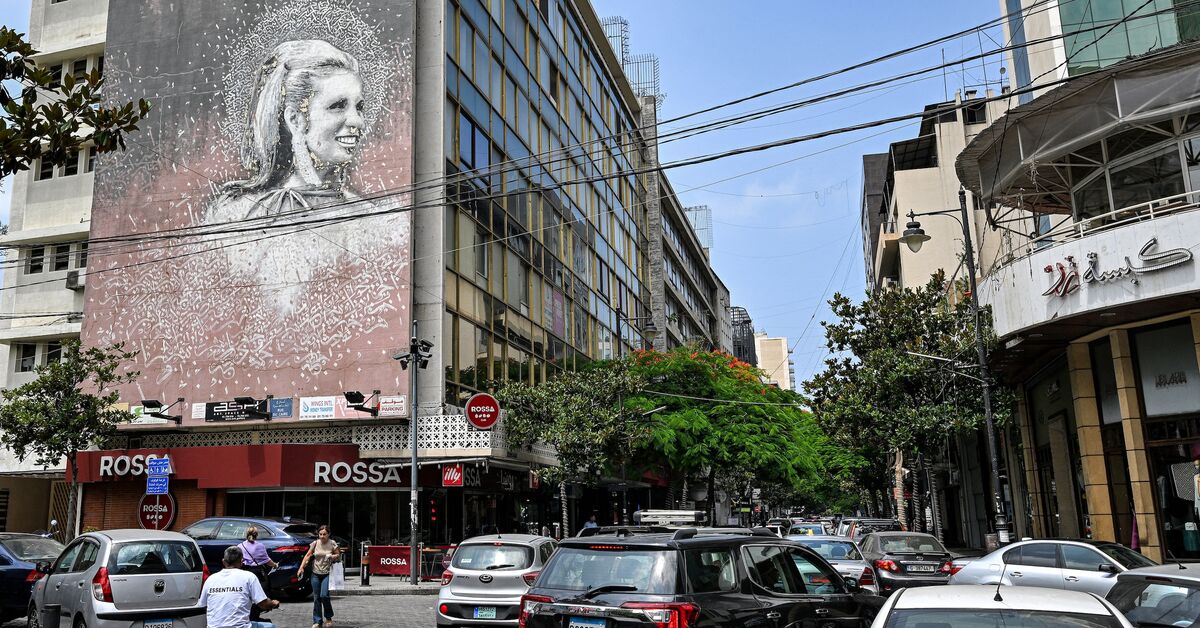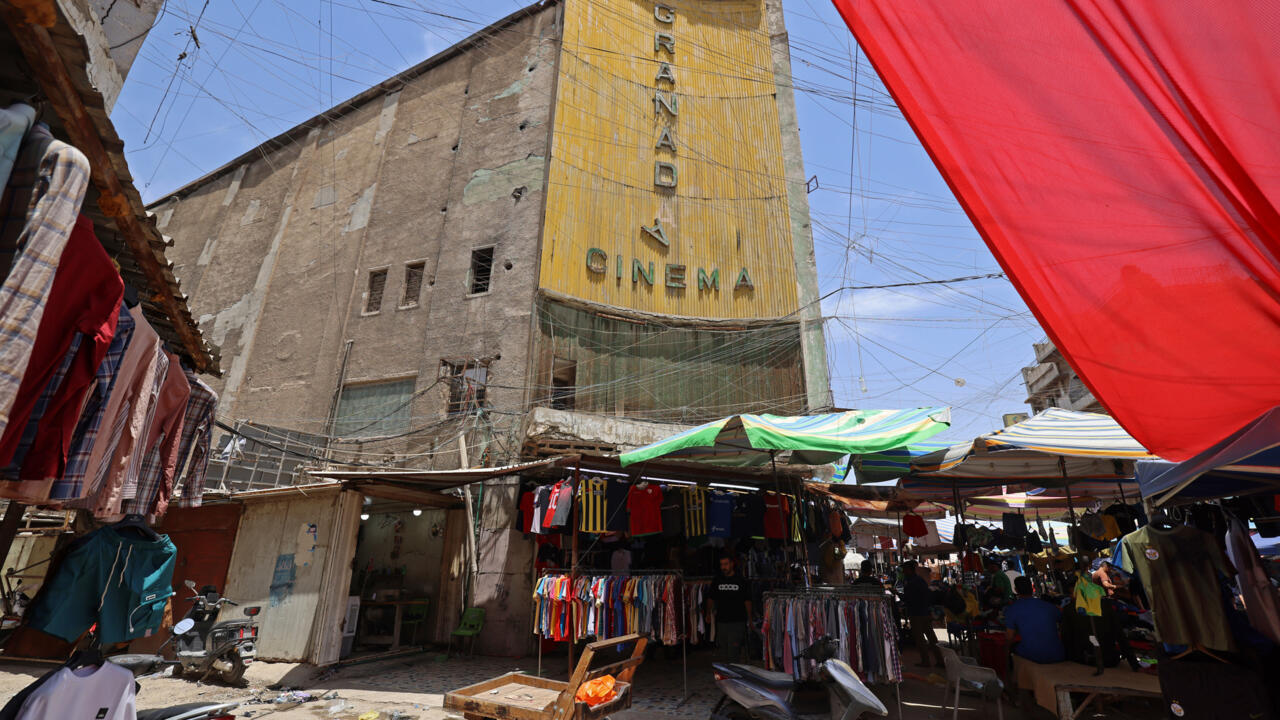
Baghdad (AFP) – In the heart of old Baghdad, legendary movie theatres stand abandoned and shrouded in dust, bearing witness to Iraq's once-vibrant cultural scene.
Issued on: 03/07/2026 - 03:48
3 min Reading time
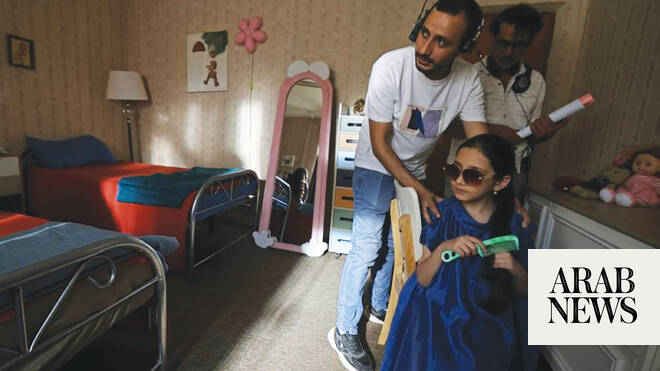
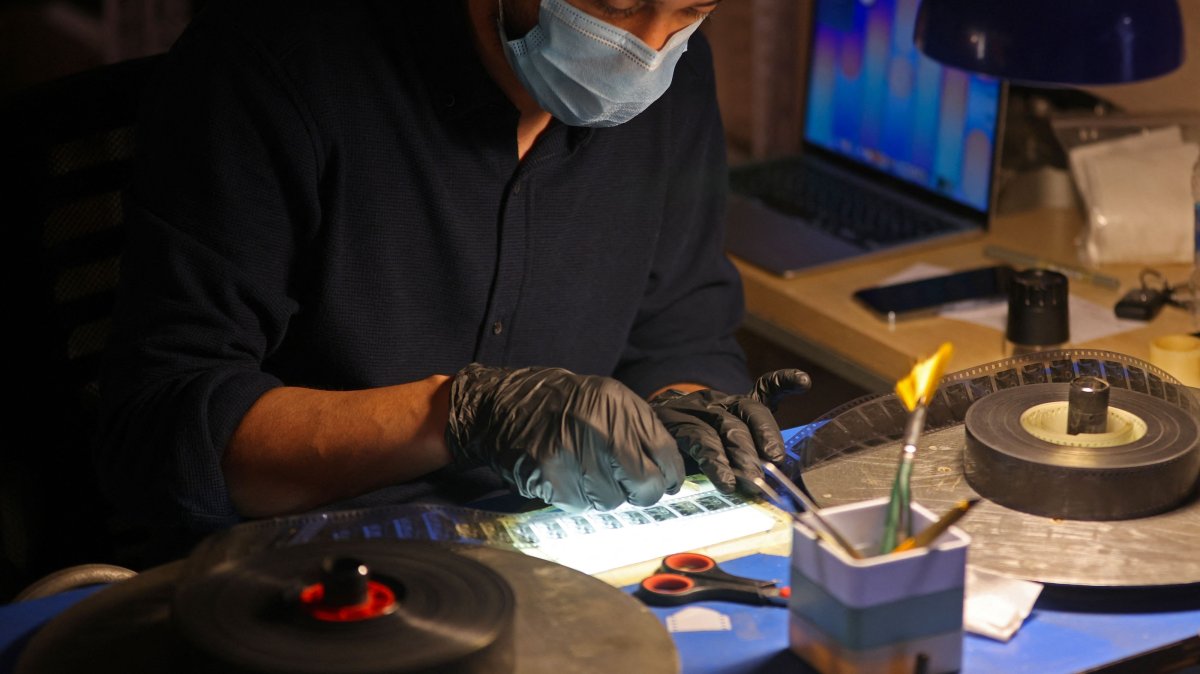
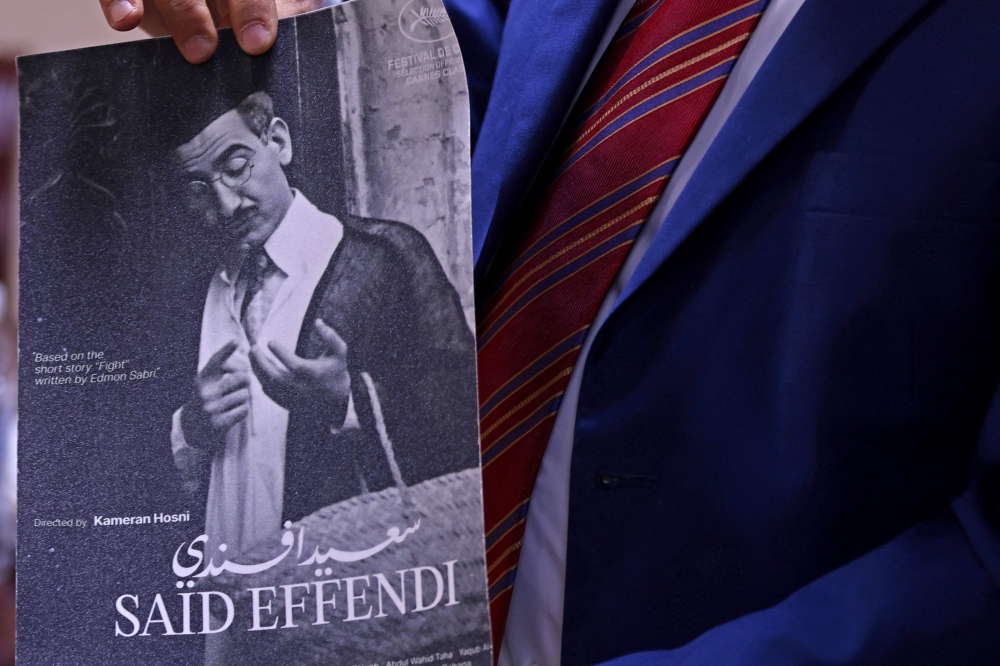
A few kilometres away, director Ali al-Bayati oversees his camera operators as they adjust their lenses for a scene in his upcoming horror film, which he hopes to showcase internationally as a new generation of Iraqi filmmakers drives an industry comeback.Momentum is building, bolstered by recent international recognition for the Iraqi film "The President's Cake", which captures life under crippling sanctions during Saddam Hussein's rule."Reviving the cinema sector in Iraq is not easy, but it is not impossible either," Bayati told AFP.For decades, Iraq's cultural and cinematic scenes flourished.Film production in Iraq began in the 1940s -- notably with titles co-produced with Egypt -- reaching its peak in the 1950s.Among the most celebrated productions of that era was Kameran Hosni's film "Said Effendi" (1956), a work recently restored as part of the Iraqi Cinematheque project supported by France, and screened at the Cannes Film Festival in 2025.But then everything changed.With Saddam Hussein's rise to power in the 1970s, cinema became a propaganda tool. This was followed by decades of war, sectarian strife and jihadist insurgency after the 2003 US-led invasion that toppled Hussein, ultimately snuffing out the golden age of Iraqi cinema.Baghdad's old movie theatres that once drew film enthusiasts are now barely standing, with their faded walls, old doors and broken signs. Dilapidated shops crowd the entrance to the Granada Cinema, with clothes hanging directly on the street. Other theatres have been repurposed as warehouses, with a few old movie posters still clinging to their walls.The old and the newIn recent years, a fragile stability has begun to revive Iraqis' appetite for entertainment and returned focus to Baghdad's cultural scene.