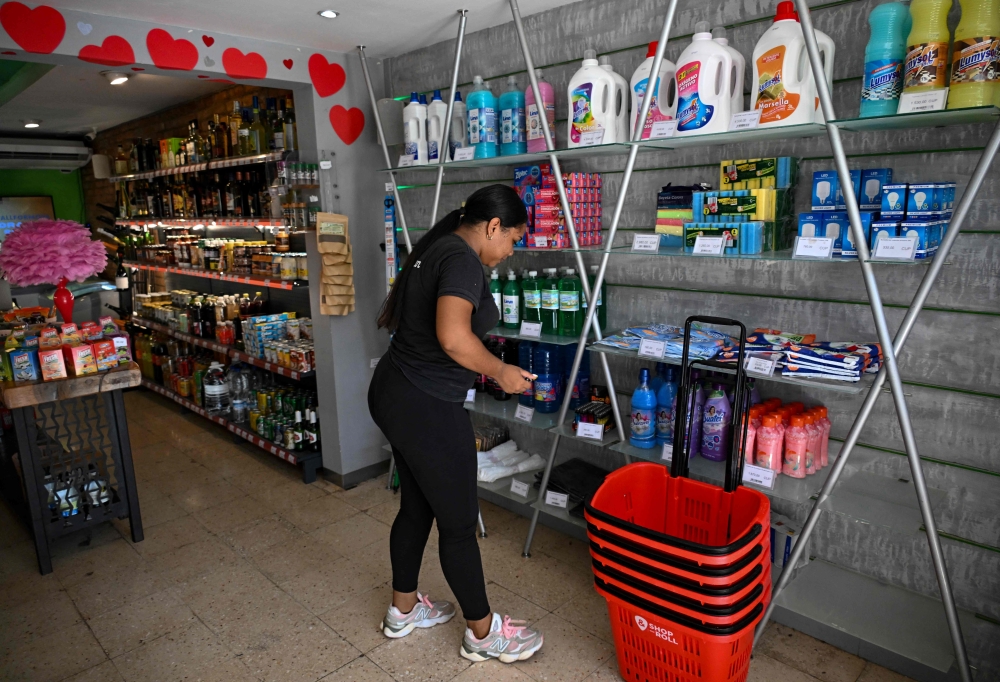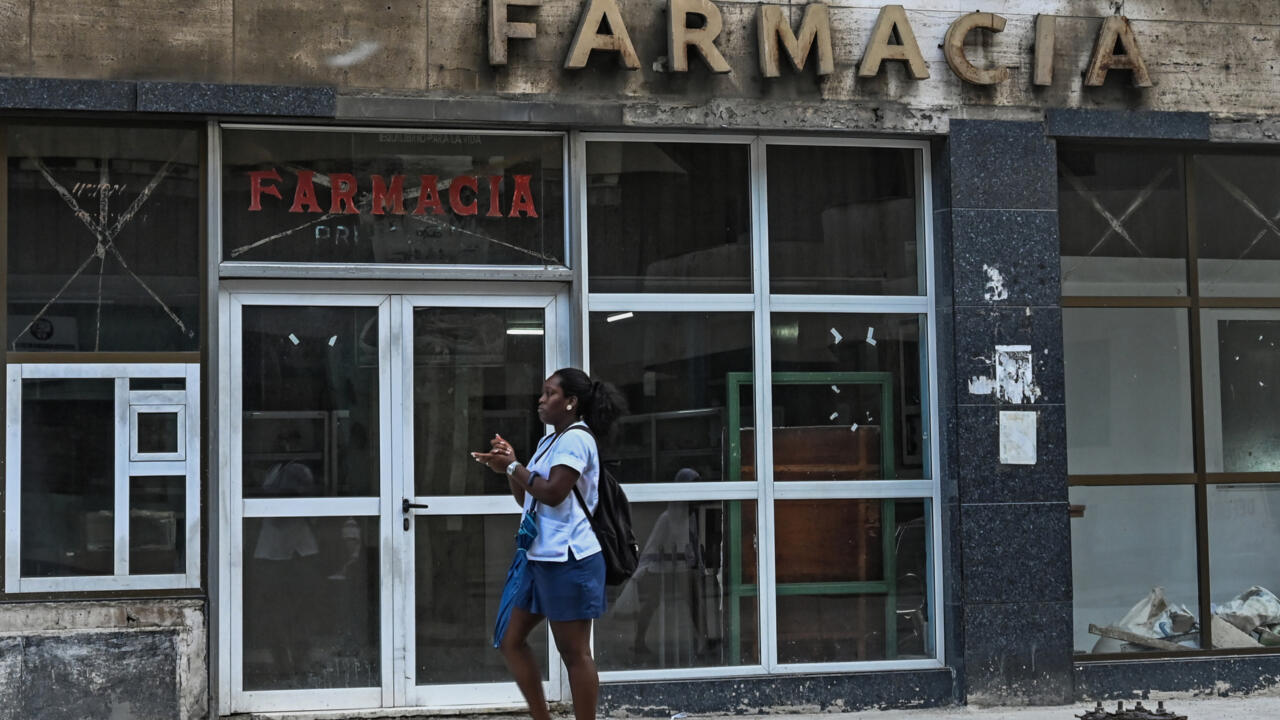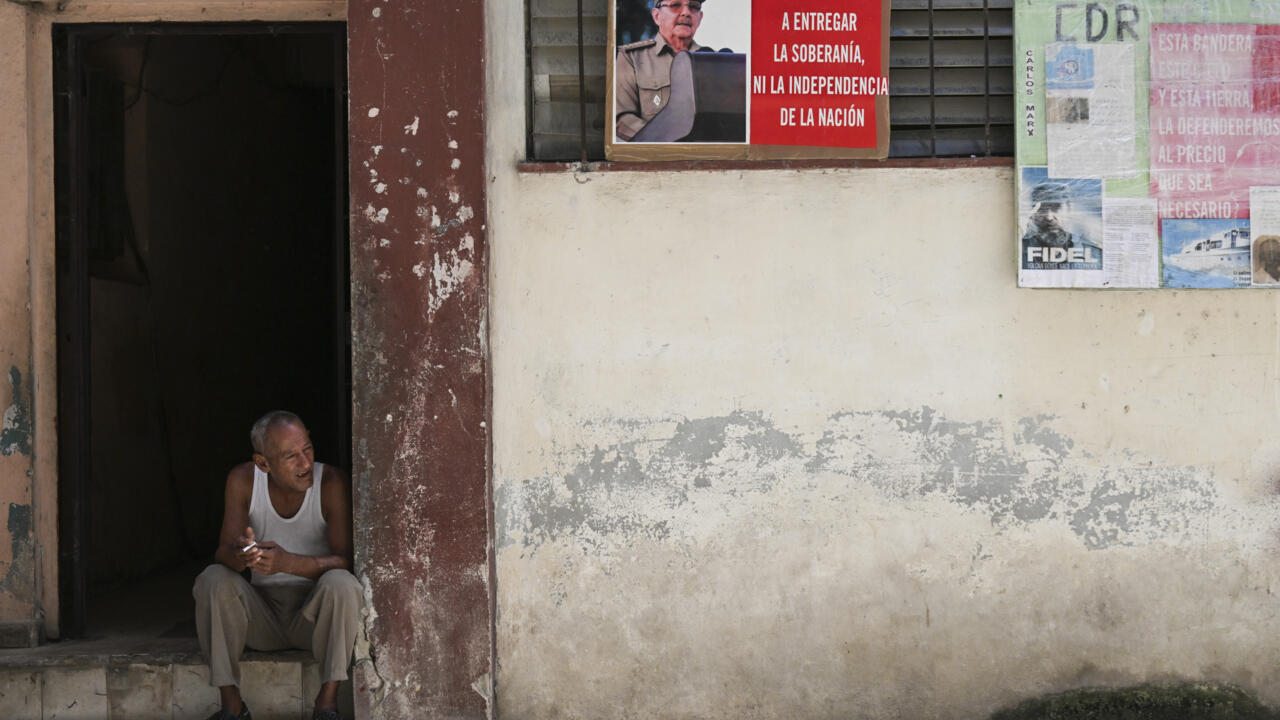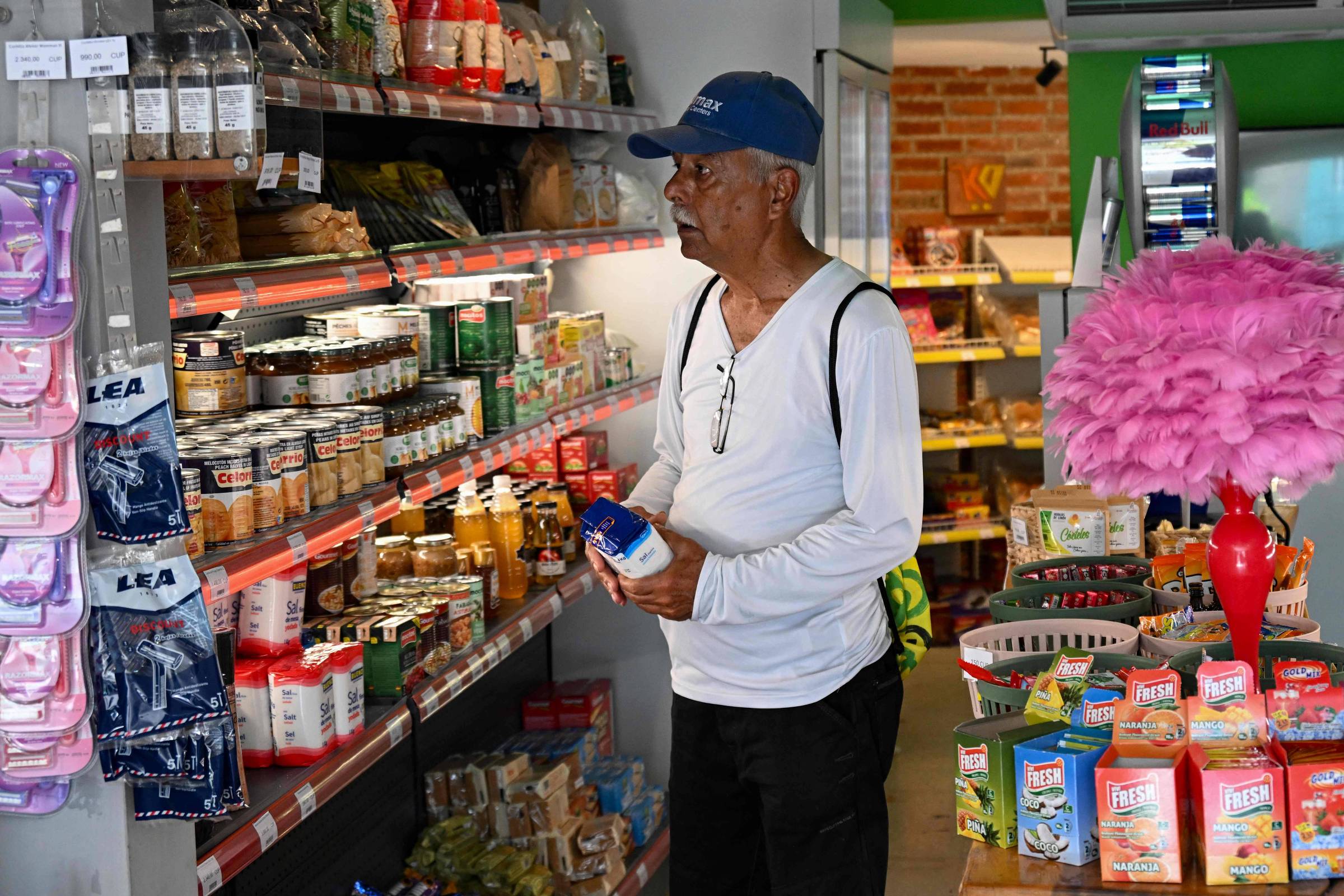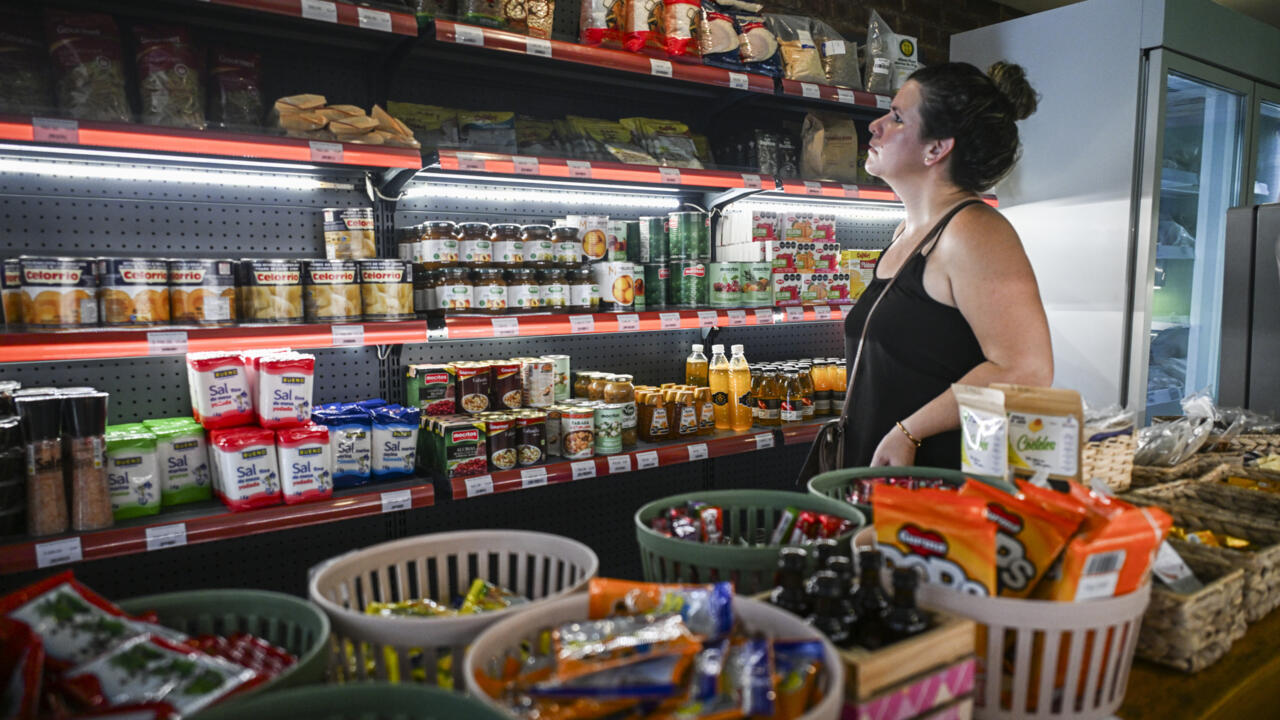
The days when Cubans used ration books to buy all their essentials in state-run "bodegas" are nearing an end, expedited by the worst economic crisis in recent memory and a crippling US fuel blockade.Sitting on the porch of a state-run grocery store in the Vedado neighborhood of Havana, Joaquin Velazquez watches the comings and goings at the private mini-market next door.The two stores tell a tale of two Cubas, one, fast disappearing, in which the state provides for all, and another, newer, in which people are increasingly forced to fend for themselves.The shelves of the bodega are glaringly nearly empty, the state having run out of the hard currency it needs to import goods and resell them at heavily subsidized prices, as it has done for decades.The adjacent "mipyme" -- Cuba's acronym for small business which is used as shorthand for any private enterprise -- is a picture of plenty, offering everything from rice, Cuba's staple starch, to rum and ketchup.The abundance, which is set to increase under major free-market reforms adopted in June, comes at a price, however: $3 for a liter of cooking oil, a stratospheric sum for people on miniscule state salaries paid in pesos.The oil alone represents half of Velazquez's monthly pension."For me, it's as if 'mipymes' don't exist," the retired security guard said.Two Cubas
From ketchup to car parts, Cuba gets private sector makeover
From grocery stores to restaurants and fuel, Cuba's burgeoning private sector is filling the vacuum left by a collapsing communist-run state.
725 words~3 min read