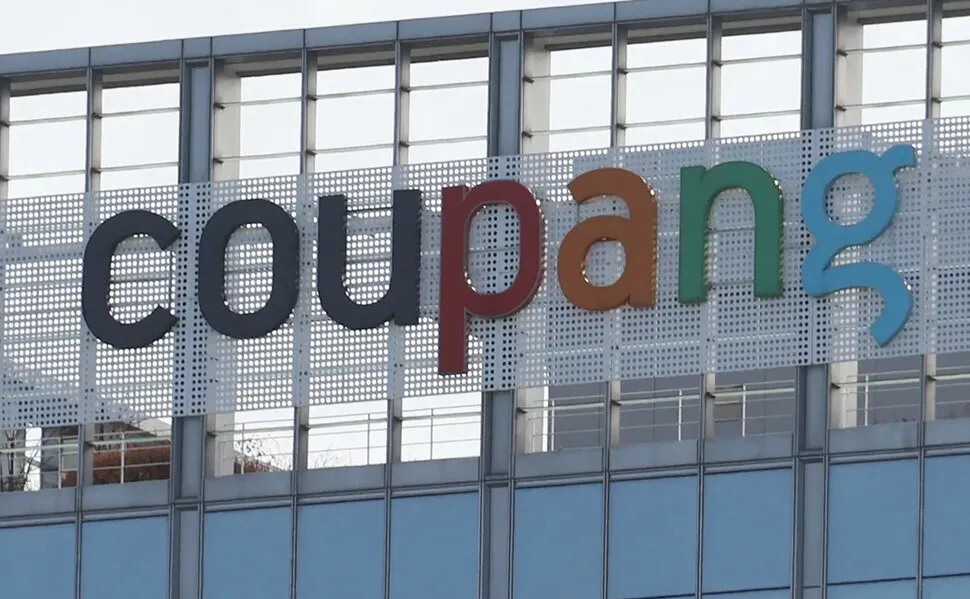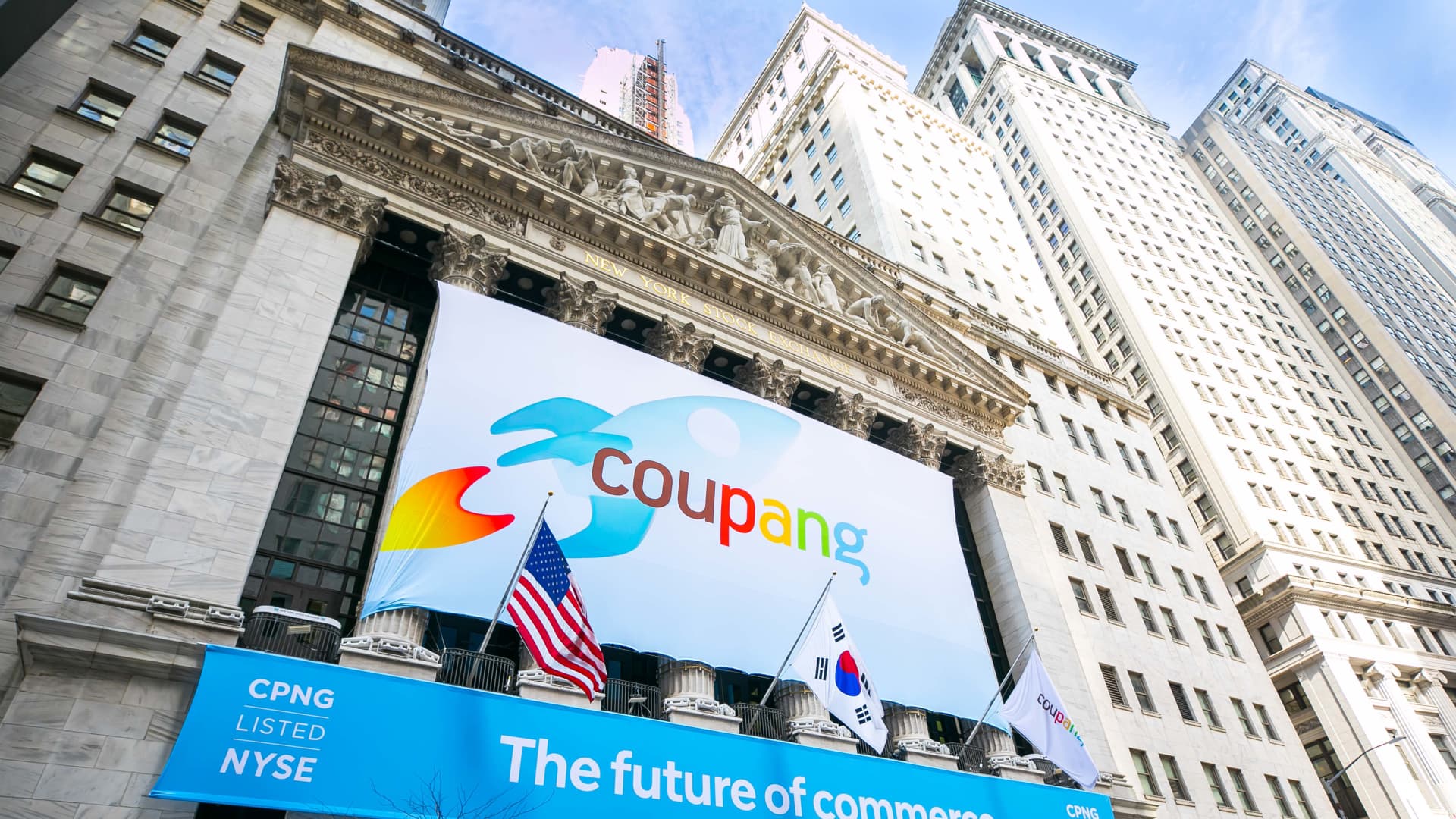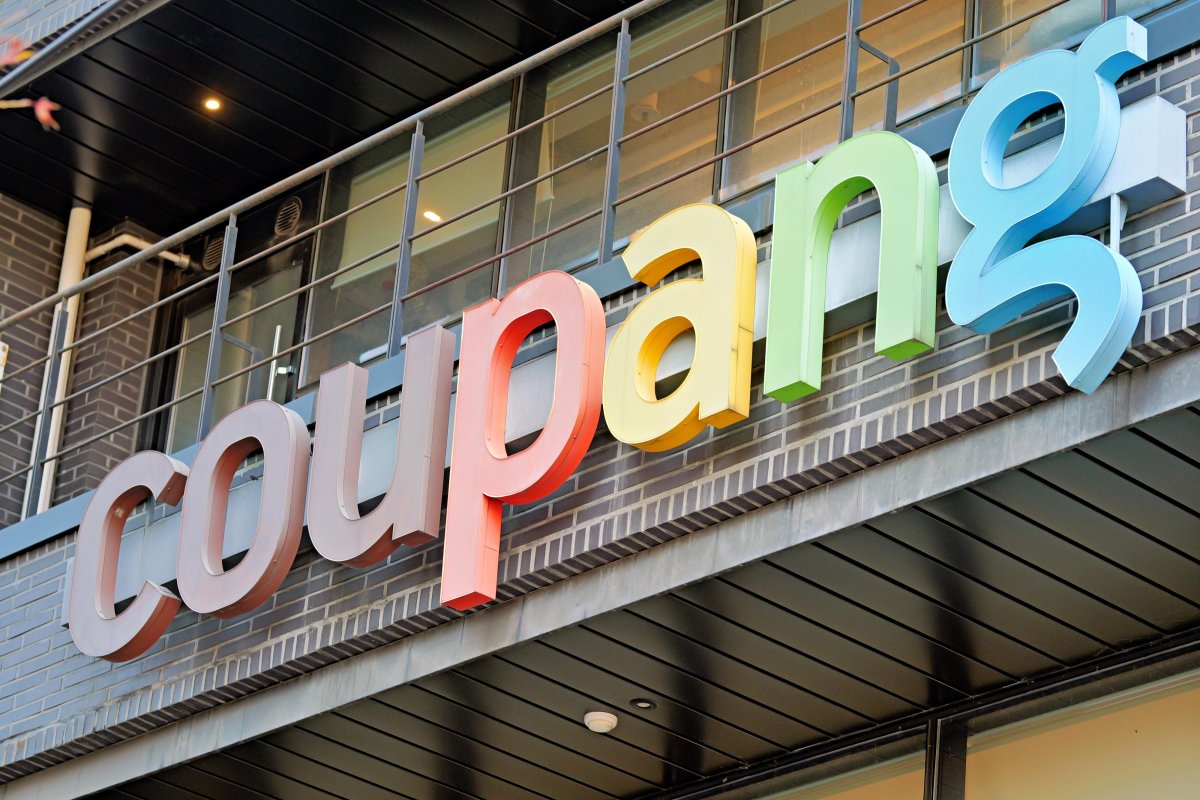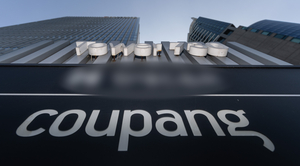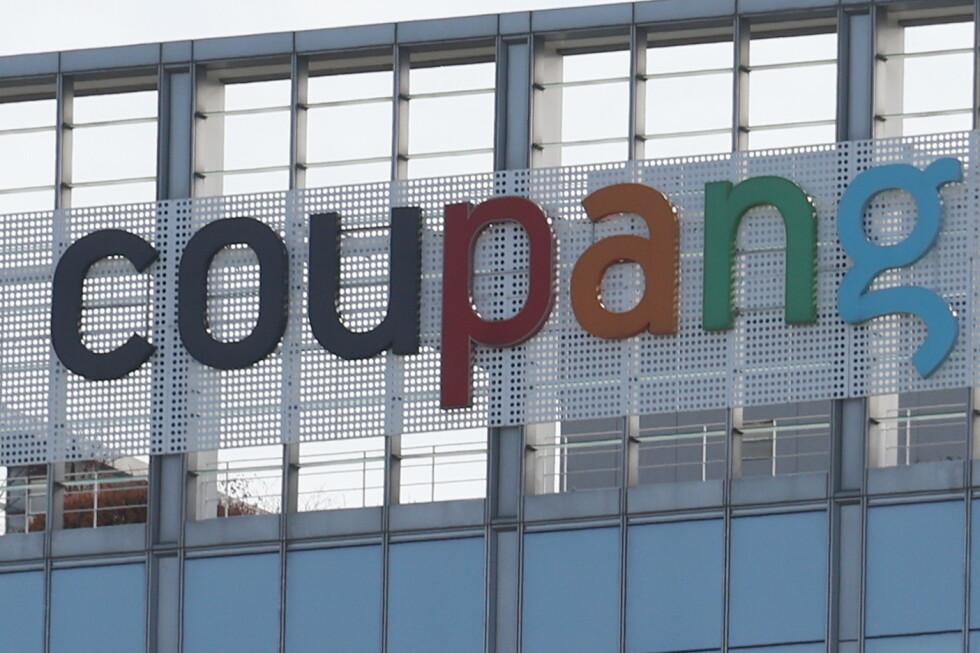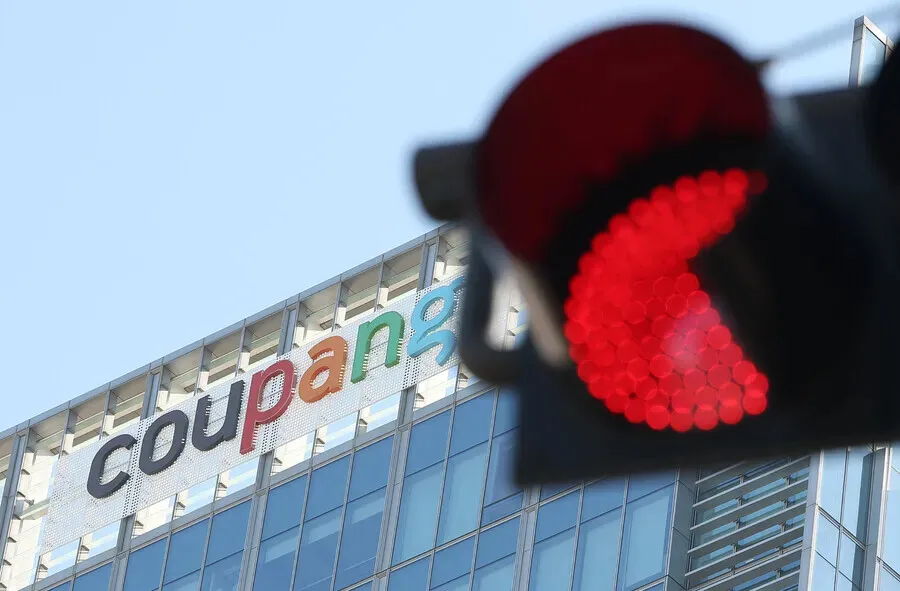
Coupang Corp.’s headquarters in Seoul. (Yonhap)
Coupang has been enlisting powerful supporters to put pressure on South Korea through lobbying efforts in Washington, according to a new report by Bloomberg. According to Bloomberg, US political figures who have been lobbied by Coupang have been putting overt pressure on the South Korean government in its investigations of the online commerce company, in a situation that is turning into a new source of conflict between the two sides.In its report, Bloomberg said that when South Korean Trade Minister Yeo Han-koo visited the US on Feb. 3, he faced one specific line of questioning from US lawmakers in closed-door meetings with Congress — namely, questions about Seoul’s current investigation of Coupang.Since Coupang services are not available directly to US consumers, some of the lawmakers were not aware of its existence until recently, the report said. Even so, Seoul’s investigation of the company and punitive measures — following a leak of personal information from around 33.7 million people, or roughly 65% of South Korea’s population — were a major focus at the meeting, Bloomberg reported.Democratic Party Rep. Don Beyer admitted after the meeting that he had first learned about Coupang from lobbyists recently added to the Coupang team. Beyer was quoted as saying he was “concerned about Coupang being treated unfairly because it’s an American company.”While Coupang only employs around 1,000 people in the US, it reportedly spent at least US$5.5 million on lobbying in Washington over the past two years. The company has been focusing on raising its local profile, opening new offices on Washington’s Pennsylvania Avenue — close to the White House and Capitol — and signing a three-year partnership with the Washington Capitals ice hockey team.Among Coupang’s key ties in the US is Kevin Warsh, the current pick to serve as the next Federal Reserve chair. Warsh has been a member of the Coupang board since 2019. US Treasury Secretary Scott Bessent, too, has close connections with Stanley Druckenmiller, an early Coupang investor. Warsh worked at Druckenmiller’s company until recently.Since 2025, Coupang has employed powerful lobbying firms such as Monument Advocacy — a major lobbying presence in the technology field — as well as Miller Strategies and Continental Strategy, both of which have close ties to US President Donald Trump. Among the new lobbyists it has hired are a former aide to House Judiciary Committee Chairman Jim Jordan and Rep. Darrell Issa and a former chief of staff to Secretary of State Marco Rubio. Its in-house lobbying team also includes a former staff secretary to Trump’s White House and a former full-time aide on the House Armed Services Committee.Robert O’Brien, who served as national security adviser during Trump’s first term, took to the social media site X to criticize Seoul for its “aggressive targeting of Coupang,” while calling for a “strong” response from the US. O’Brien is a paid policy consultant with the Computer & Communications Industry Association, a major IT industry group with Coupang among its members.In announcing the partnership with Coupang last September, the Washington Capitals called it an “American company that exports and builds economic bridges for US businesses.” The Coupang logo has been added to the Capitals uniform.In Washington, Coupang has been actively promoting itself as an American company that exports American products to Korean consumers. Company spokesperson Erika Reynoso was quoted as saying, “Our singular focus has always been working to boost US exports by enabling thousands of American producers to sell their goods to tens of millions of new customers in South Korea, Taiwan, Japan, and 190 other markets around the world.”Bloomberg noted that Coupang has been using this messaging to win over lawmakers and more. The House Judiciary Committee issued a subpoena to Harold Rogers, the interim CEO of Coupang, ordering him to submit data related to the Korean government’s “discrimination against American companies.” “Fair warning to our longtime ally Korea: Failure to live up to agreements and the targeting of American companies and the American citizens who make up their workforce — particularly Coupang — won’t be tolerated by this Congress or this President,” Rep. Darrell Issa wrote in a post published on X. While Coupang bills itself as an American company to the US officials, it has long touted itself as a Korean company to the Korean public. In a statement uploaded to its official Korean-language newsroom website in July 2019, the company described itself as a “proud Korean company.” “We buy goods from Korean companies and sell them to Korean people with our Rocket Delivery service, a unique service found nowhere else in the world,” the statement read. “By attracting foreign investments, Coupang is aiding the growth of the Korean economy. Many major Korean companies assist the economy this way,” it went on, emphasizing that despite high foreign ownership, Coupang remains a Korean company through and through, much like KB Financial Group, Samsung Electronics and Naver. Trump has recently threatened to hike tariffs on Korea back up to 25%, stating that Korea is stalling the passage of legislation related to the two sides’ trade deal reached last year, prompting a flurry of trade talks between senior officials from both sides in Washington last week. While Trump has not openly mentioned Coupang, rising tensions over the company threaten to boil over into a trade conflict. The Korean government, for its part, has reportedly hired several lobbying firms with ties to Trump as it attempts to sway the White House and Congress in the ongoing PR war. While acknowledging that the Trump administration has concerns about the measures taken by Korea regarding US companies, not limited to Coupang, a White House official insisted that this latest round of tariff adjustments was triggered by comprehensive trade issues with Korea, not simply by the case involving Coupang. As talks continue between the two sides, a high-ranking Korean official stated firmly that the so-called Coupang issue was one “raised through lobbying, and should be considered separate from diplomatic issues.”“This incident should be treated as one triggered by lobbying activities in the US conducted by a certain company,” the official told correspondents at the Korean Embassy in Washington. “We will manage the situation so that the issue does not spread a negative influence on Korea-US diplomatic relations, while also addressing the legal and procedural matters of individual companies separately,” said the official.