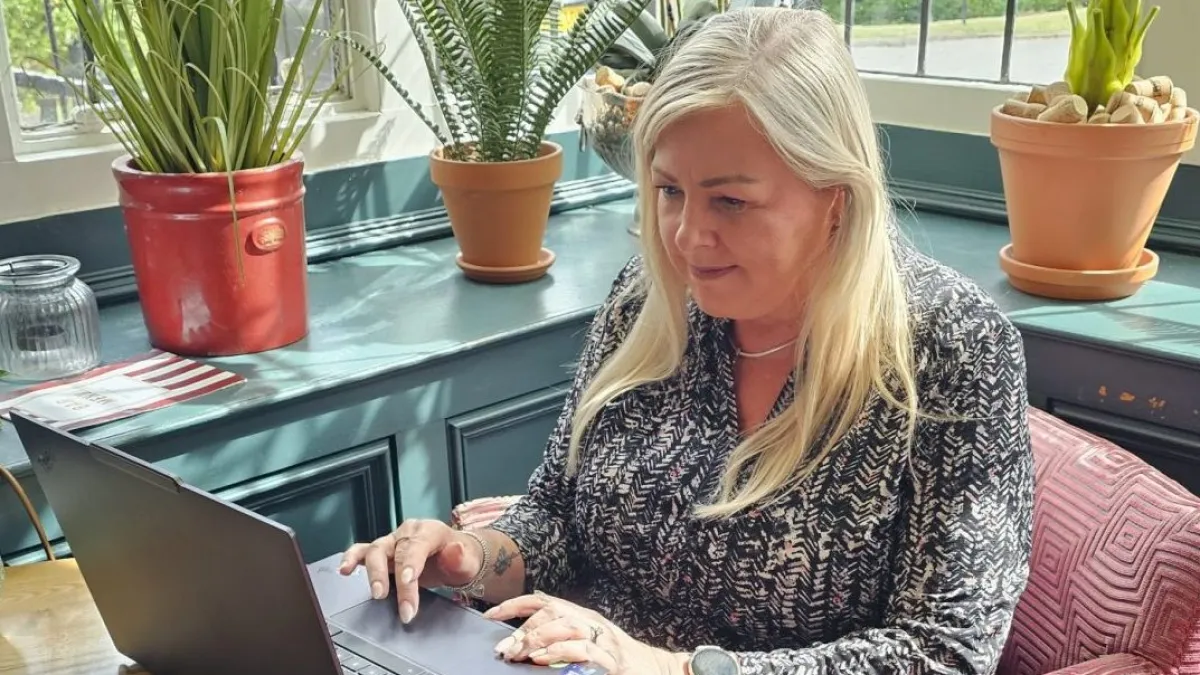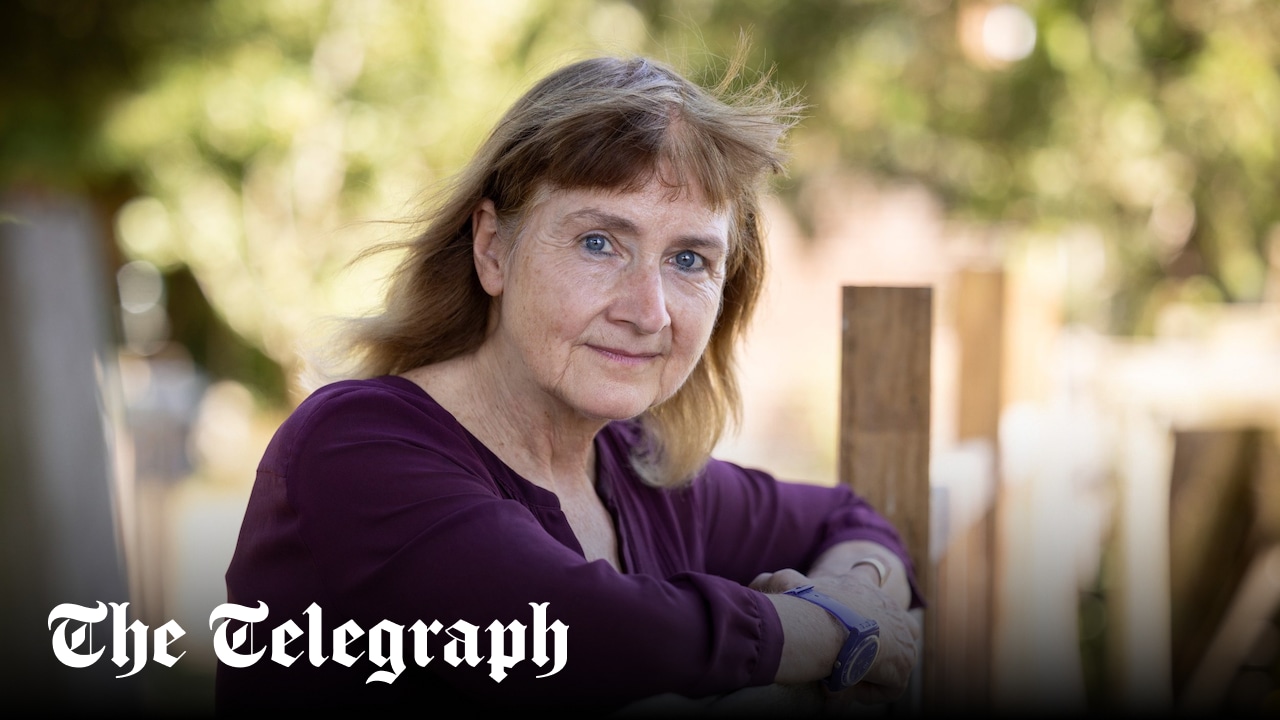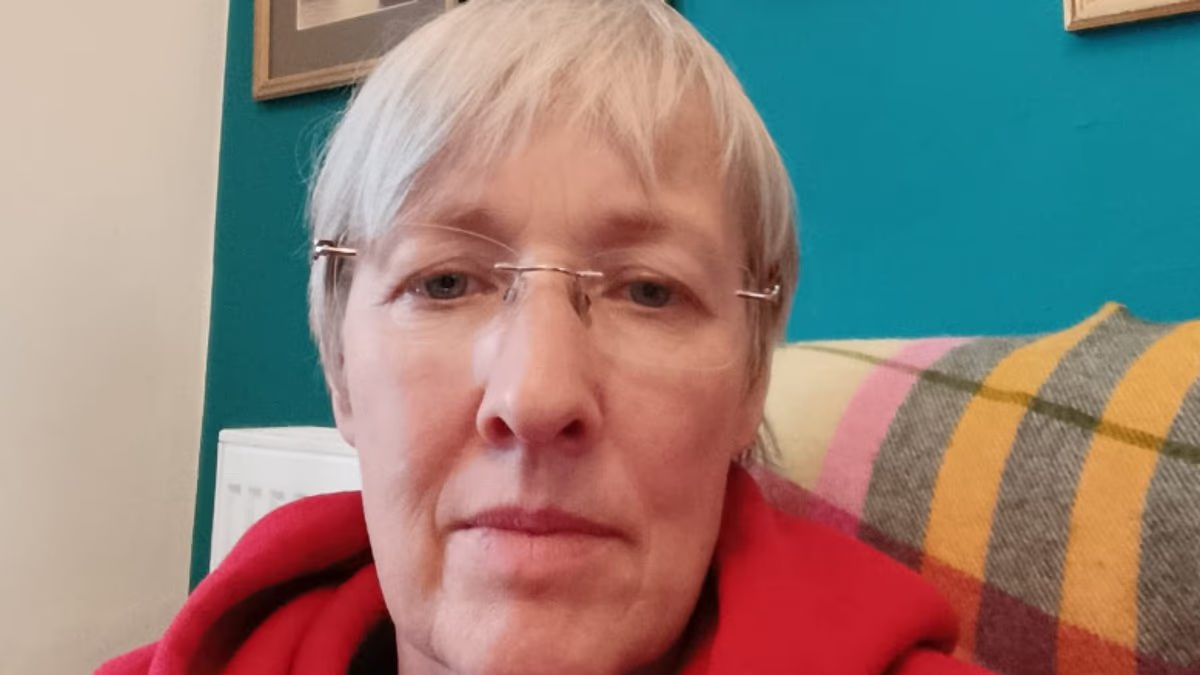
The bereavement counsellor’s face fills with sympathy as she hands me a box of tissues. Through my tears, I open up about my sadness, my anger, my grief.I think about my lovely mum, who died aged 76 nearly two years earlier.But it isn’t her death that brought me here. I’m here for a loss that has affected me far more profoundly – my job.Since being made redundant from my high-flying job in IT in February last year aged 57 – and unsuccessfully applying for more than 100 jobs since – my mental health has taken such a battering that the NHS referred me to therapy.As I sat in the therapist’s office, I wondered how on earth it had come to this.I grew up in Bristol in a middle-class home. My sister and I were encouraged to work hard, and after leaving school I was keen to enter the world of work as soon as I could, doing a BTEC in hotel catering and institutional management. It was here I realised my passion for computers.I went on to spend 30 years working in IT support, 28 of those in management.I met my husband when I was 34 and we had a daughter, now 22. My husband was a creative director, and we enjoyed a well-to-do lifestyle, with holidays, two cars and a nice house in Cambridgeshire. Since being made redundant from her high-flying job in IT in February last year aged 57, Rebecca's mental health had taken such a battering that the NHS referred her to therapy After leaving school, she did a BTEC in hotel catering and institutional management and there she realised her passion for computers. She went on to spend 30 years working in IT supportEverything changed in 2016 when my marriage ended acrimoniously. My daughter and I moved to Yorkshire, but the financial impact of the divorce was terrible and we ended up living in some dreadful places. Eventually, I got enough money together to buy us a tiny two-bedroom terrace.When my mum died in 2023, I was heartbroken. But with the money she left I was able to pay off my mortgage – a decision that would prove my saving grace.Because in February 2025 I was let go from my role as IT Service Desk Manager, for which I’d earned a yearly salary of £56,000. My employer never told me why; I was simply informed my services were no longer required.Of course it stung, but I didn’t feel too terrible. I’d never struggled to find jobs before – surely I’d find another soon? But as the weeks and months went on, applications went unanswered and messages were ignored, despite me being more than qualified. I started to panic. Even without mortgage payments, I needed money to live.In desperation, I took a minimum wage job at a dry cleaners.It was physically challenging and I struggled. It was depressing to think I’d gone from a highly qualified position I’d built up to for decades to this.At 57, I didn’t feel nearly old enough to retire – and even if I’d wanted to, I wasn’t in a financial position to afford it. I struggled to sleep and felt low, but I kept applying for at least five jobs a week in IT. I got nowhere. I was in such a state that I went to my GP, who suggested bereavement counselling. I realised that, yes, I was suffering a huge loss and grieving for the person I had been. I had NHS counselling from June until August, and it did help. As the weeks and months went on, applications went unanswered and messages were ignored, despite Rebecca being more than qualified (picture posed by model)But it didn’t change the job market. In nine months, I had just four interviews. I answered all their questions, knowing I had the experience they needed.Three of them never even bothered to tell me I hadn’t got the job. Only one gave me feedback; I didn’t have enough ‘technical experience’. I knew it was an excuse; I’d scored 100 per cent on my last technical exam.All the interviewers were younger men. I felt the combination of my age and my sex was holding me back. That they didn’t want to ‘take a risk’ with an older woman. It’s hugely demoralising.My daughter was worried sick about me. She told me to stop working at the dry cleaners, to find something part-time that would give me more flexibility for applying for other jobs.So I took a part-time job at a supermarket in December. Now I pack food orders four mornings a week, from 4am to 8am. We’re allowed to wear headphones before customers come in, so I can listen to podcasts. It’s quite calming, in a way. But with an income drop from £3,000 take-home pay a month to just £900, my lifestyle has changed drastically. I used to love buying a case of wine a month, now I’m practically teetotal. I’ve stopped eating meat as it’s too expensive, although I’ll occasionally treat myself to a small cut from the butcher.I walk everywhere to save using the car. It’s old and I’m terrified it will break. I know I won’t be able to afford to replace it.As for holidays, I’ve saved up enough for a hire car to go to Cornwall and collect my daughter from university. I have friends I can stay with for a few days.Now 58, it’s sobering that at a time in my life where I once thought I’d be at my most financially secure, the opposite is true.I know I’m far luckier than many. I have small pensions from various jobs, which will kick in when I’m 65, though I’ve had to withdraw some money early to tide me over.And I have my house. If I’d lost my home, I honestly don’t think I could have carried on.I haven’t given up, although I know that with every week the chances of me re-entering the IT world shrinks. Still, when someone asks what I do I always say ‘I used to work in IT’ before telling them about the supermarket.So many mid-life women love their jobs and think their careers will take them to retirement. But I’ve learned the hard way that simply isn’t true – and that the devastation, heartbreak and, yes, grief of being thrown on the scrapheap in your fifties is all too real.As told to Kate Graham
I was made redundant at 57. This is the desperate step I had to take
The bereavement counsellor's face fills with sympathy as she hands me a box of tissues. Through my tears, I open up about my sadness, my anger, my grief.
1,069 words~5 min read