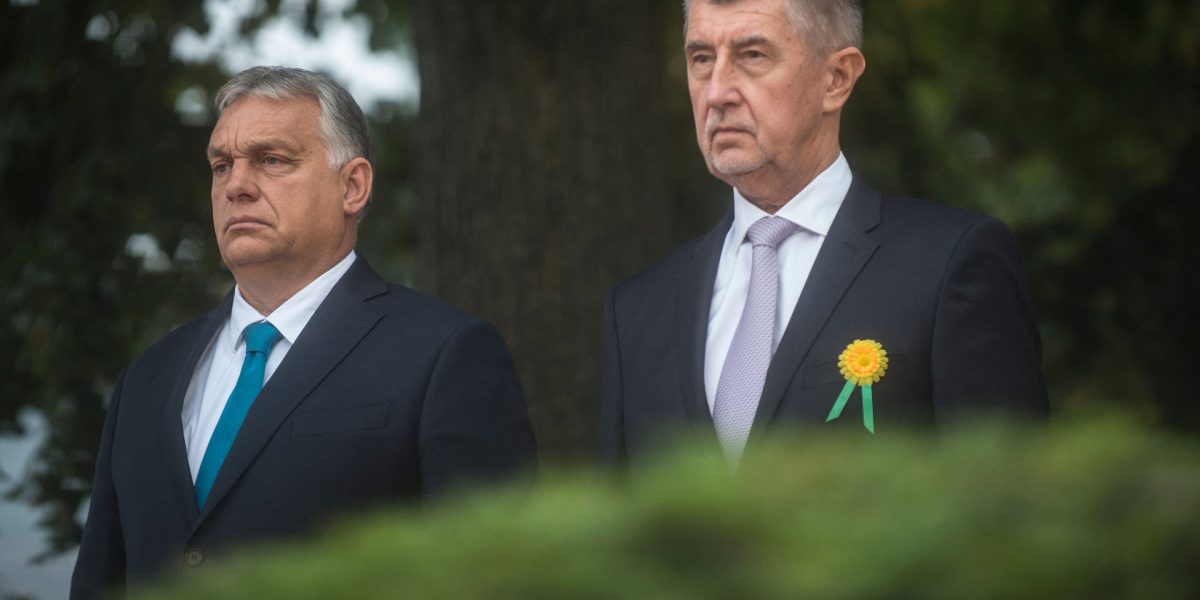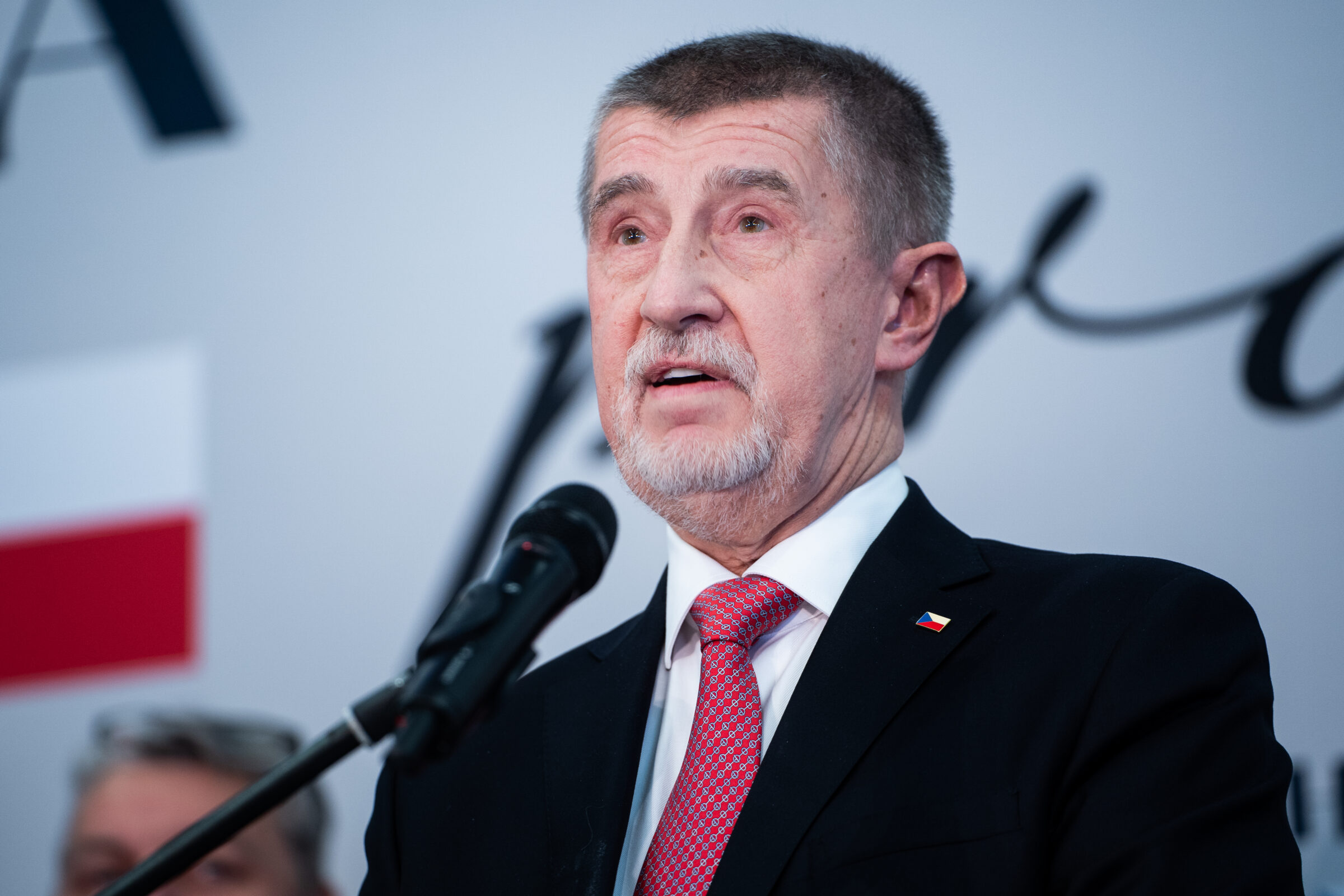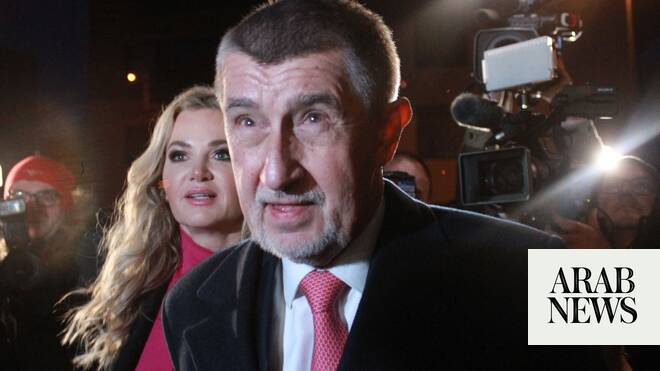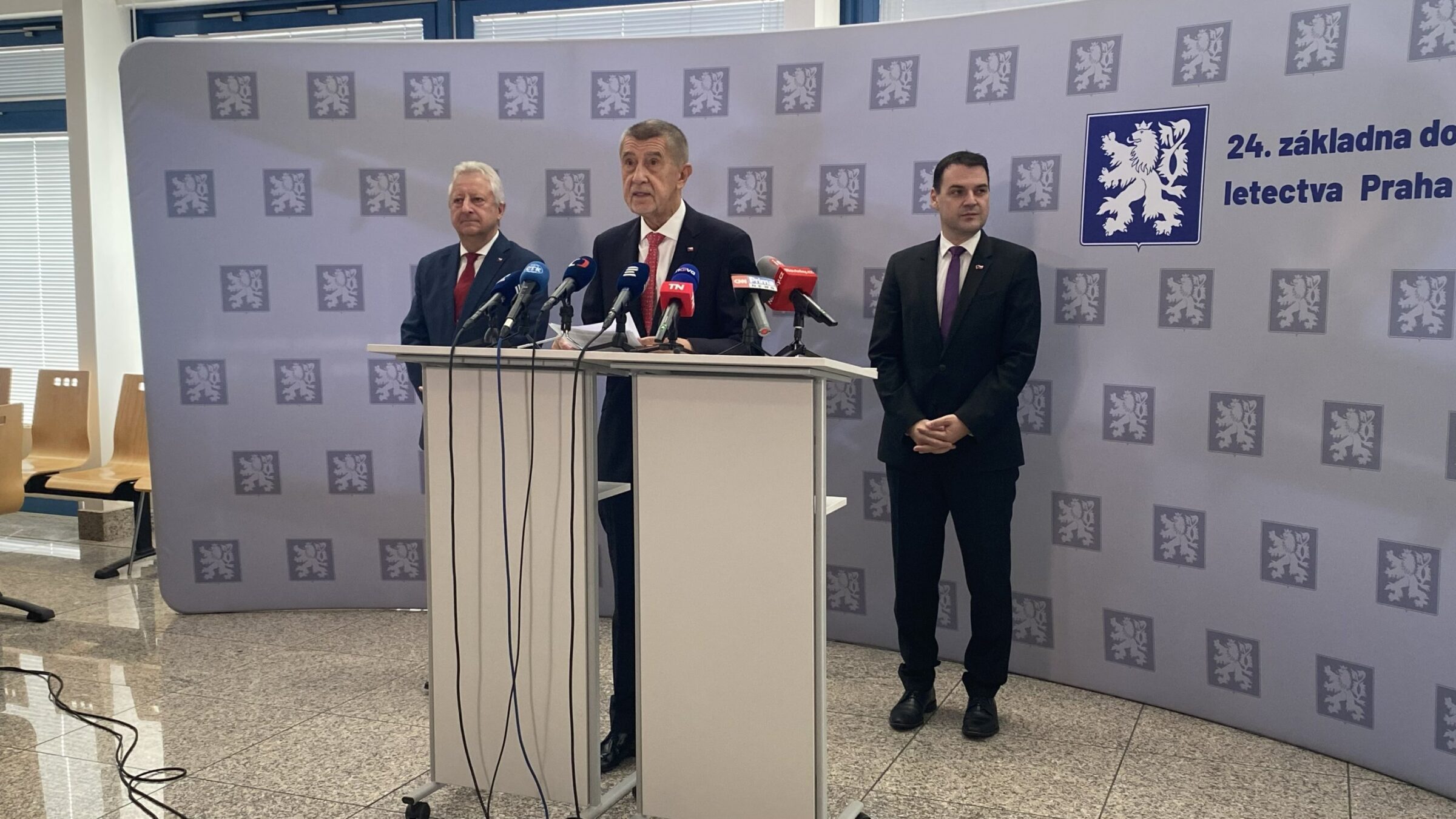
When Prime Minister Andrej Babiš returned to power in late 2025, many assumed Czechia’s unusually warm relationship with Taiwan would cool with him. Under the previous government, Prague had become one of Taipei’s most enthusiastic partners in Europe. Babiš had criticized that posture as ideological indulgence that harmed Czech business interests in China, and the signals since have seemed to confirm a pullback.
A closer look at what has actually changed, rather than what has been said, suggests a more precise reading: Babiš’s government has cooled the rhetoric while leaving most of the substance in place.
An illustration of this came when Senate President Miloš Vystrčil, a member of the opposition Civic Democrats (ODS), the party that led the previous government, planned a delegation to Taiwan in early June. Babiš declined to provide a government aircraft, saying it was a needless expense, and that he did not want the trip seen as an official endorsement that could damage Prague’s ties with Beijing. It was widely read as the moment Prague’s Taiwan enthusiasm met its new limit.
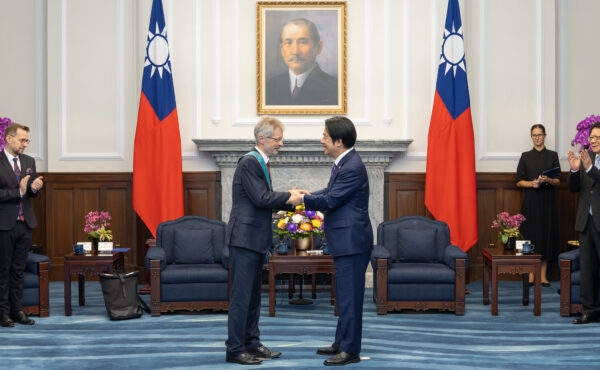
Yet the trip went ahead. Vystrčil, who had anticipated the refusal, led a delegation of around 40 business and academic figures to Taipei on a commercial flight in early June. By his own account the group was smaller than it might have been, precisely because it lacked state transport, but Vystrčil and the others still made the trip and met Taiwanese officials. The visit coincided with a Taiwanese pledge to establish a new fund, reportedly valued at 50 million euros, to encourage investment in both directions.