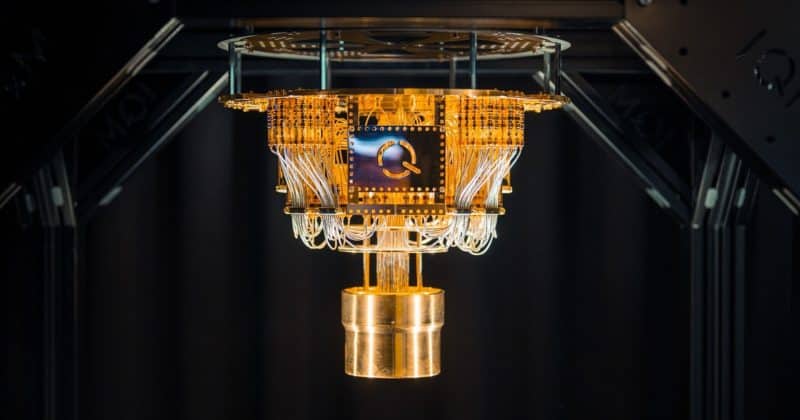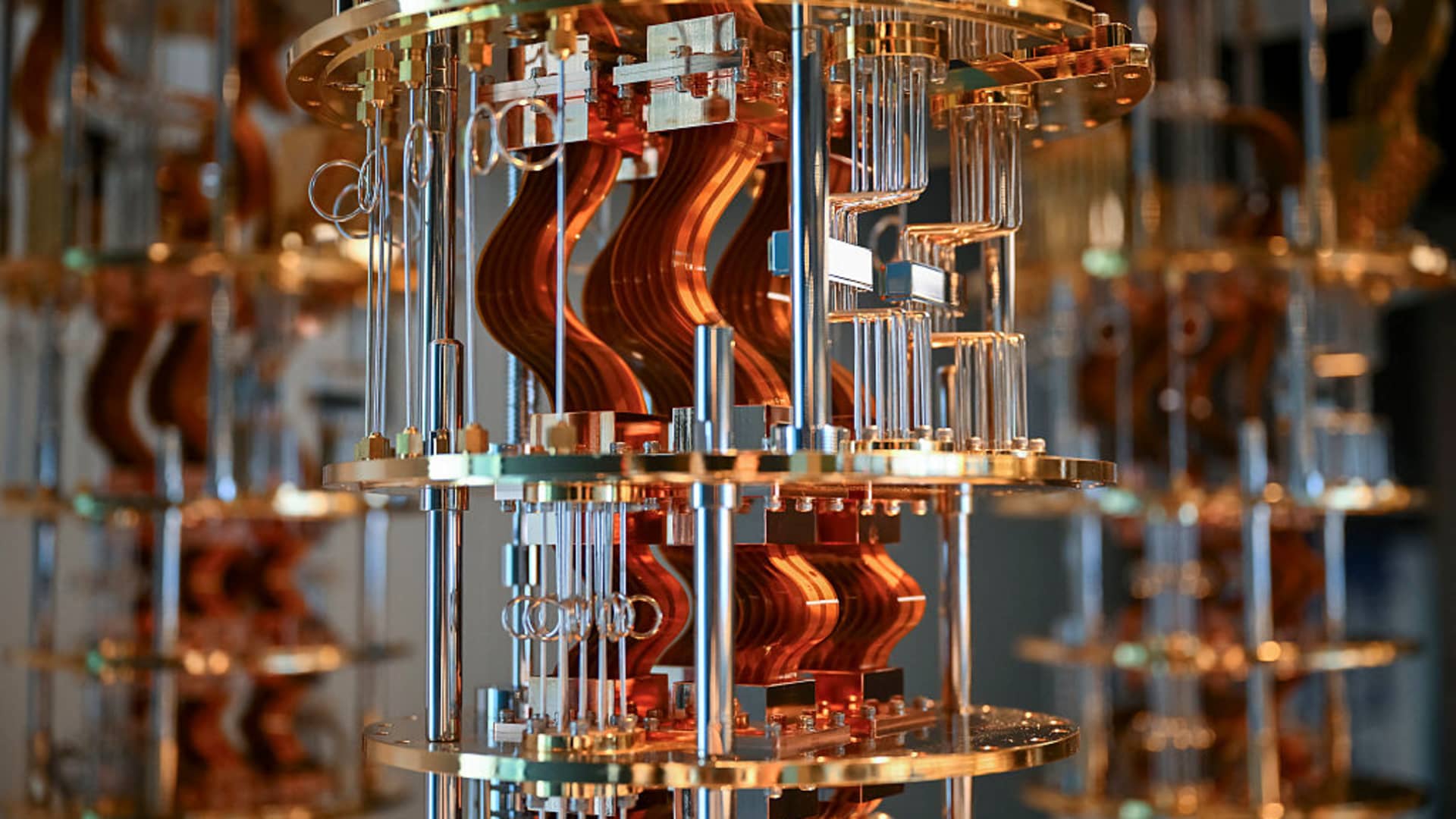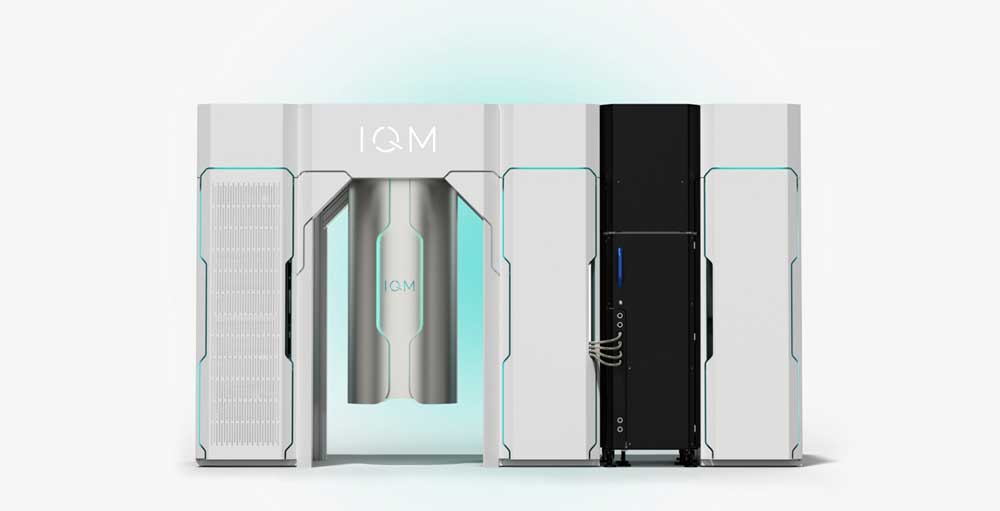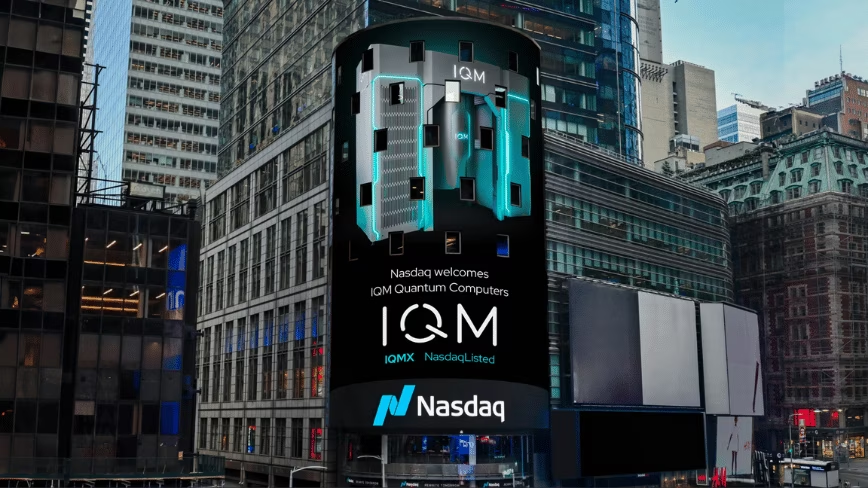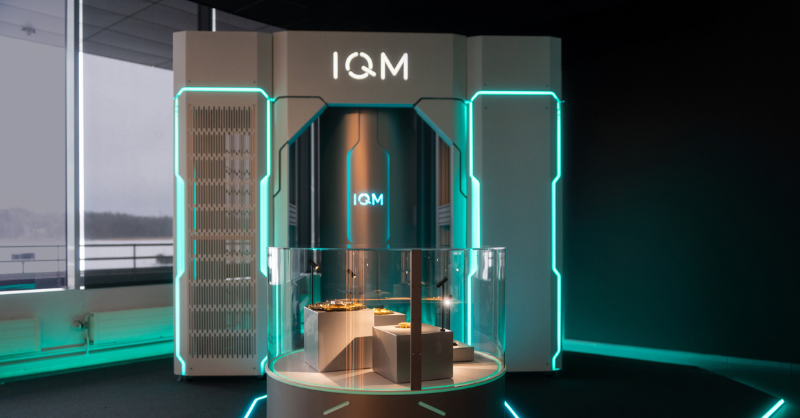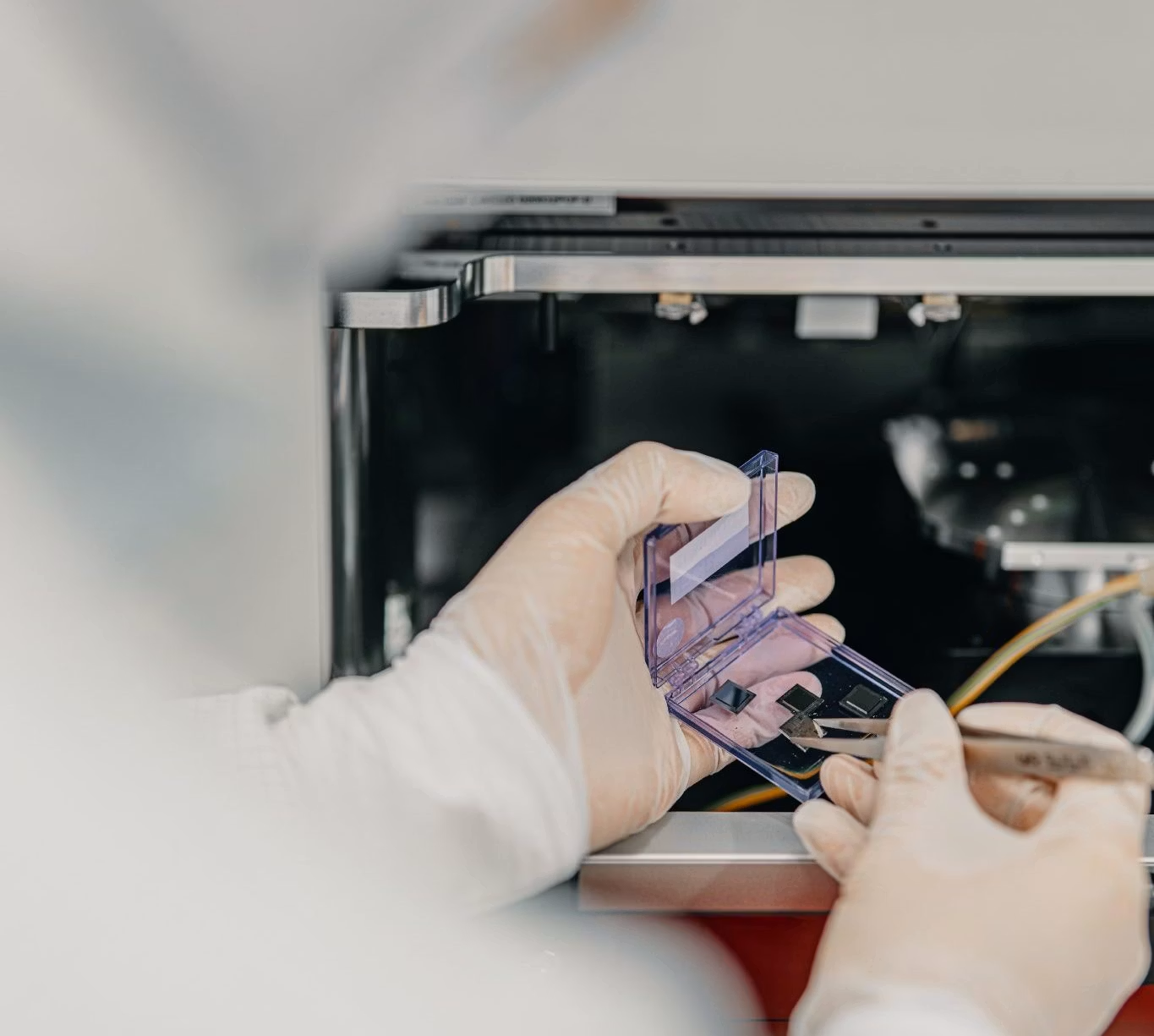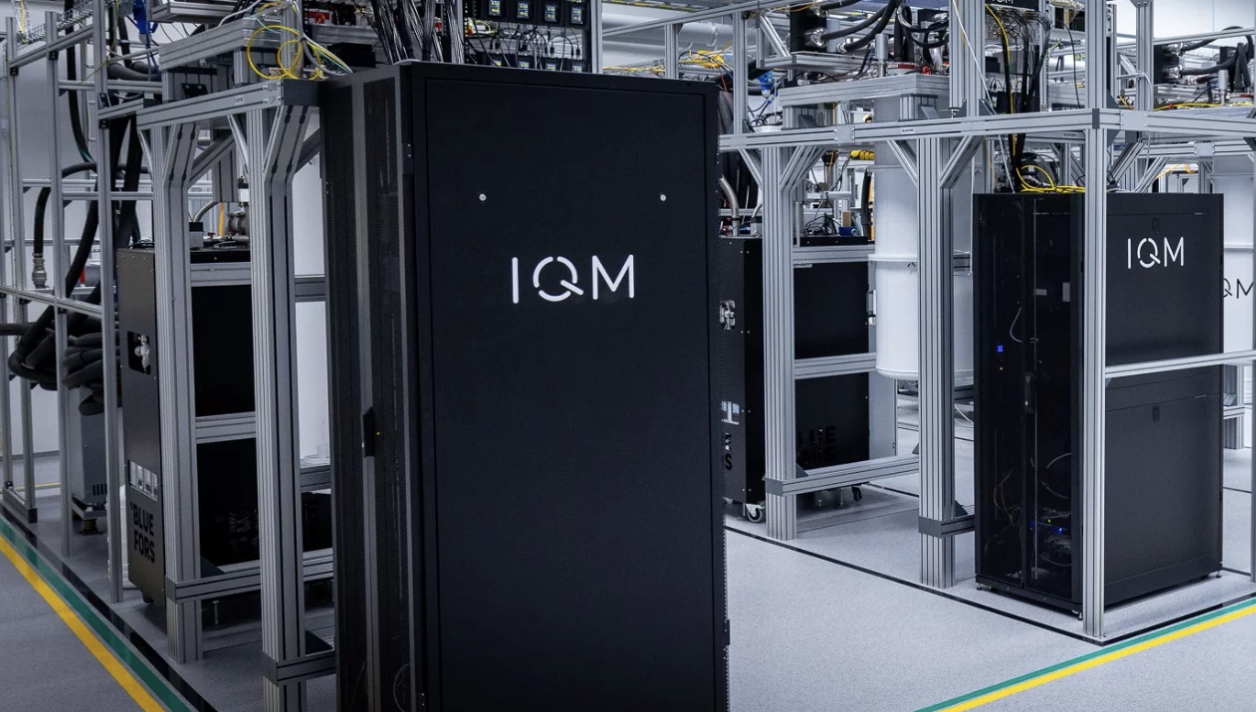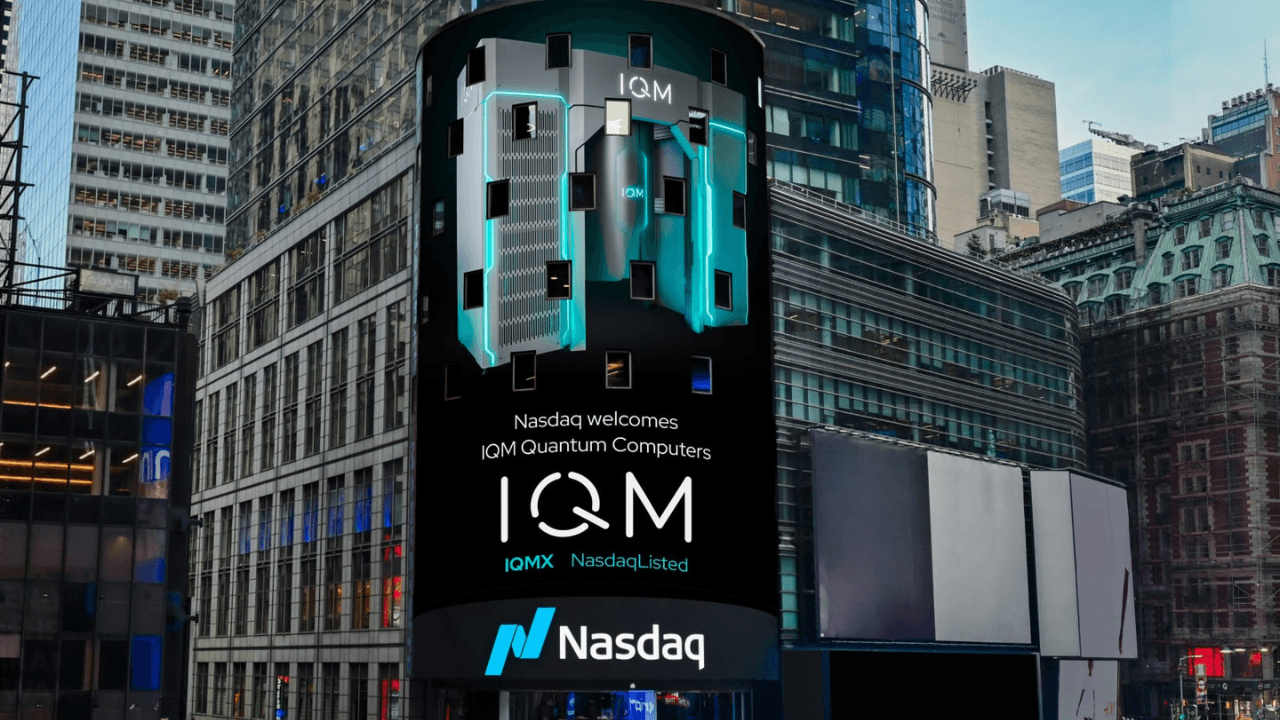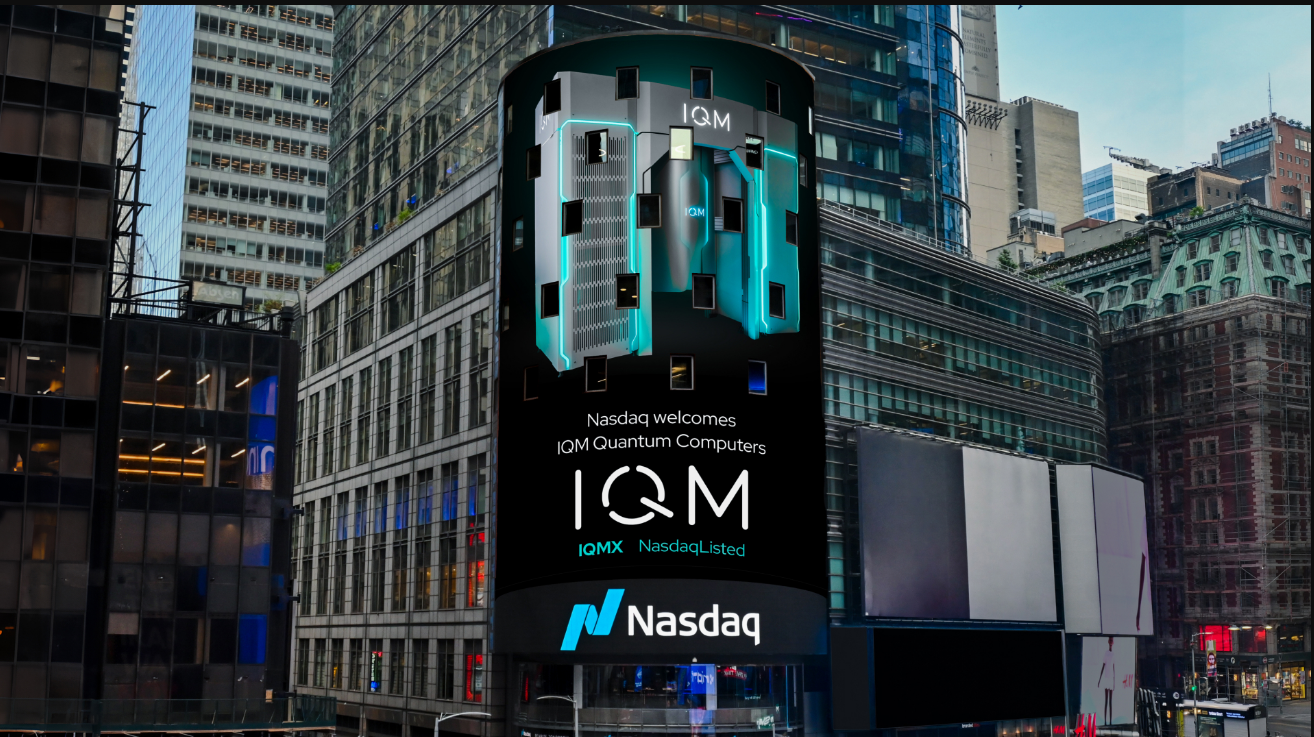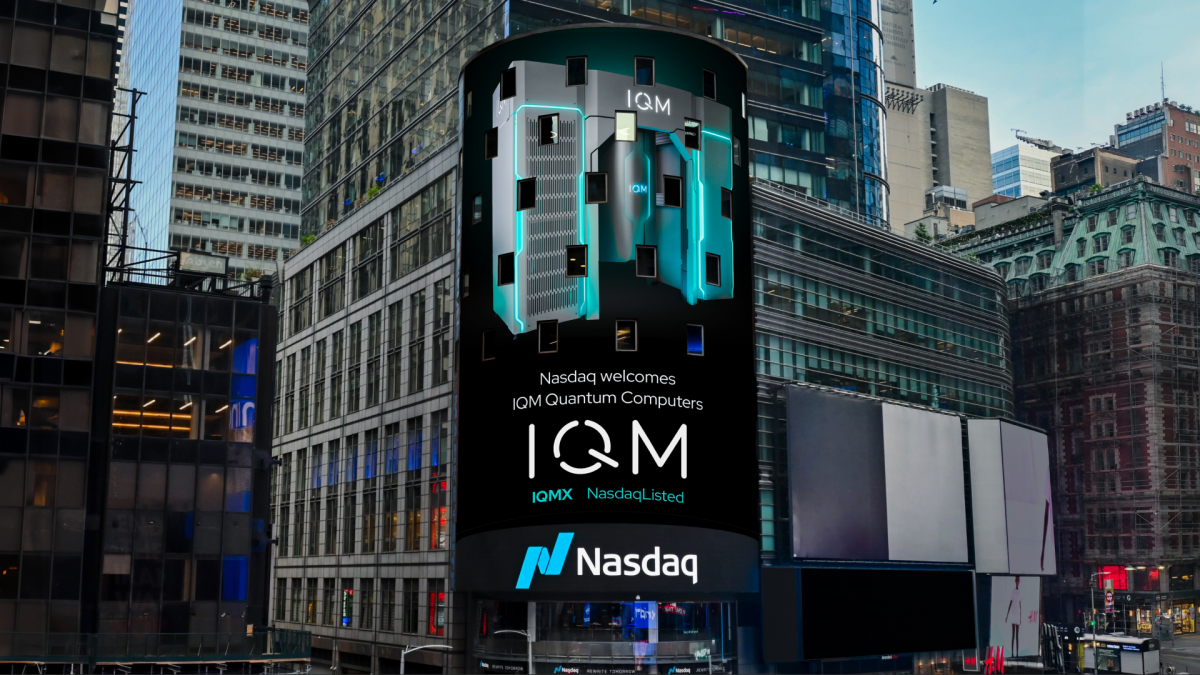
IQM, a full-stack quantum company out of Finland, went public on the Nasdaq Thursday via a SPAC merger at a valuation of about $1.9 billion. But share prices didn’t pop. They spent most the day below the IPO price — a lukewarm welcome.
SPAC mergers are often not immediately popular with retail investors these days. But this fizzle was arguably fueled by IQM’s own admission in its prospectus that “large-scale commercial traction of quantum computing technology may never occur.”
In fairness, this warning applies to all quantum companies. Yet, that hasn’t stopped the industry, including IQM, from acquiring customers, who use the tech as it is today for tasks like simulations and optimizations. IQM, which sells actual physical computers, as well as a cloud service, has customers like VTT Technical Research Centre of Finland and Leibniz Supercomputing Centre in Germany.
“We sell computers into advanced supercomputing centers and data centers, and we sell computing time through the cloud,” its CEO and cofounder Jan Goetz told TechCrunch.
Having grown from 8 customers in 2024 to 22 in 2025 is a fair motive for celebration in IQM’s circles, especially when two recent customers are from the private sector. But it also suggests that demand won’t scale until the “quantum advantage” — when quantum chips start outperforming classical computers for a larger range of complex and lengthy tasks, unlocking use cases from biotech to fintech, while potentially upending encryption.