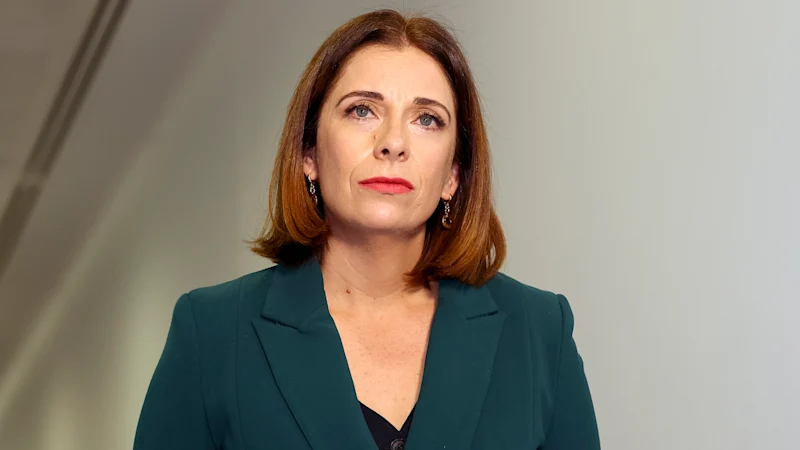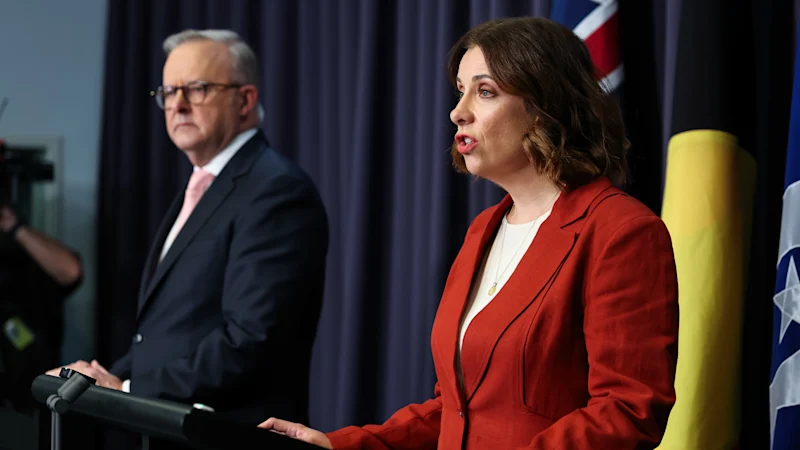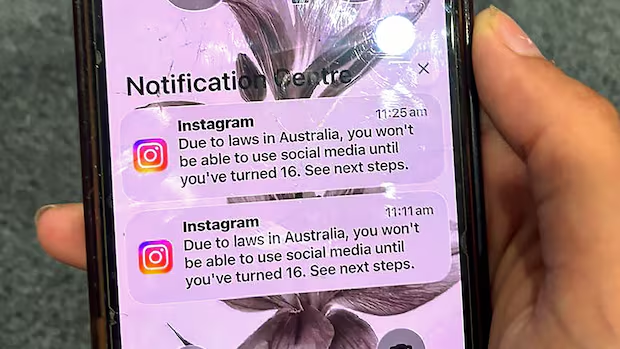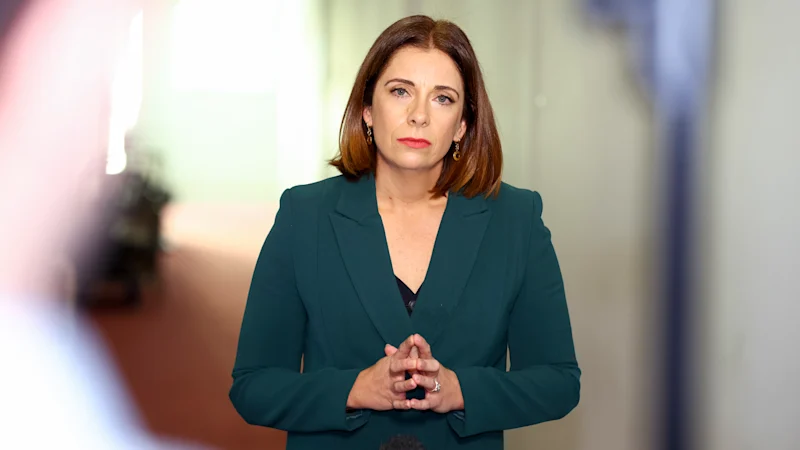
EditorialJuly 3, 2026 — 6:05amSocial media has become a central part of our lives over the past 20 years. It has brought benefits, such as a sense of connectedness. It has also caused significant problems that threaten individuals and broader society. Increasing recognition of those challenges has prompted governments, including Australia’s, to embark on belated attempts at regulation.The federal government’s social media ban for those aged under 16 was an attempt to reduce the potential harms of unfettered social media use, particularly for people whose age left them vulnerable. The proposed Digital Duty of Care laws, announced alongside the social media ban, are another. These would shift the platforms’ responsibility from responding to individual complaints to preventing harms before they occur.Minister for Communications Anika Wells says details will be safe.Dominic LorrimerAs Rob Harris reports today, the most contentious proposals include a requirement for platforms to mitigate risks associated with anonymous accounts, which a consultation paper released last month said – and many social media users know from personal experience – facilitate coordinated inauthentic activity and harassment.However, critics say this could create a type of digital ID system, requiring users to hand sensitive personal information to often foreign-owned technology companies.Communications Minister Anika Wells insists this will not be the case. “You will not be forced to present government ID to verify your age,” she said at the National Press Club last month. “The law states platforms must always offer a reasonable alternative to their users.”The use of anonymous accounts to bully, intimidate and disseminate misinformation has become a scourge that has caused significant real-life harm.The nastiness and emotional impact of unfettered online hate have been themes of the Royal Commission on Antisemitism and Social Cohesion. On Thursday, the commission also heard evidence of the dismissive attitude of social media companies towards social responsibility, when e-safety commissioner Julie Inman Grant described an attempt by the platform X (formerly Twitter) to keep gruesome content relating to the Bondi massacre online, X insisting it was no more graphic than a gore movie.However, anonymity can also be important. It’s a lifeline for domestic violence survivors, whistleblowers and others who, for myriad reasons, are too afraid to identify themselves as they reach out for help. There are many whose life circumstances or temperament would keep them from seeking online companionship or support if they did not have the sanctuary of anonymity.There are also legitimate concerns about freedom of speech, although the University of Melbourne law professor Christine Parker argued these concerns were overblown.“They ought to be smart enough to be able to figure out whether something’s a scam bot or a spy bot or a breach bot … and be reasonable about that,” she said. “They should be able to come up with some way of figuring that out that doesn’t involve breaching everybody’s privacy and dignity.”The balance is a delicate one. These laws must be made with care, thought and consideration to ensure efforts to curtail the worst elements of the online world do not come at the expense of legitimate claims to anonymity and free speech.The Herald's View – Since the Herald was first published in 1831, the editorial team has believed it important to express a considered view on the issues of the day for readers, always putting the public interest first.From our partners
Laws to curtail online bile can’t come at cost of legitimate anonymity claims
The proposed Digital Duty of Care laws must be made with care, thought and consideration.
551 words~3 min read