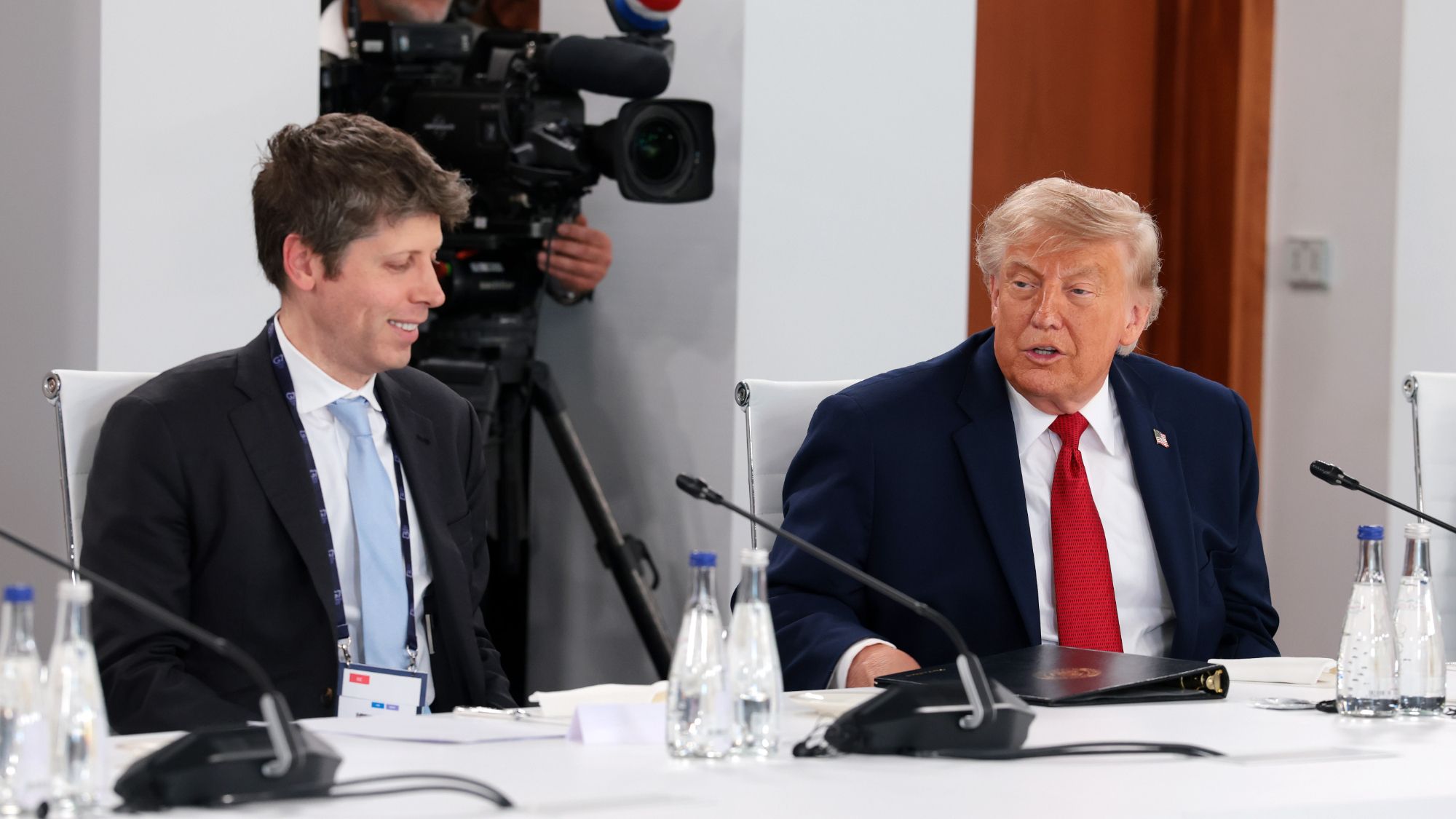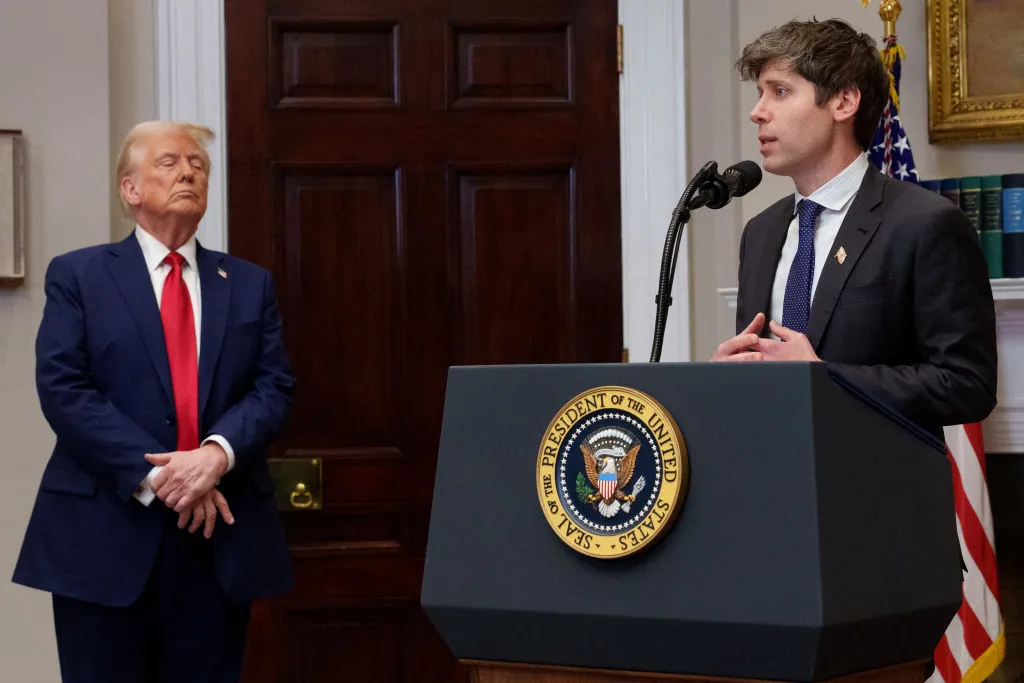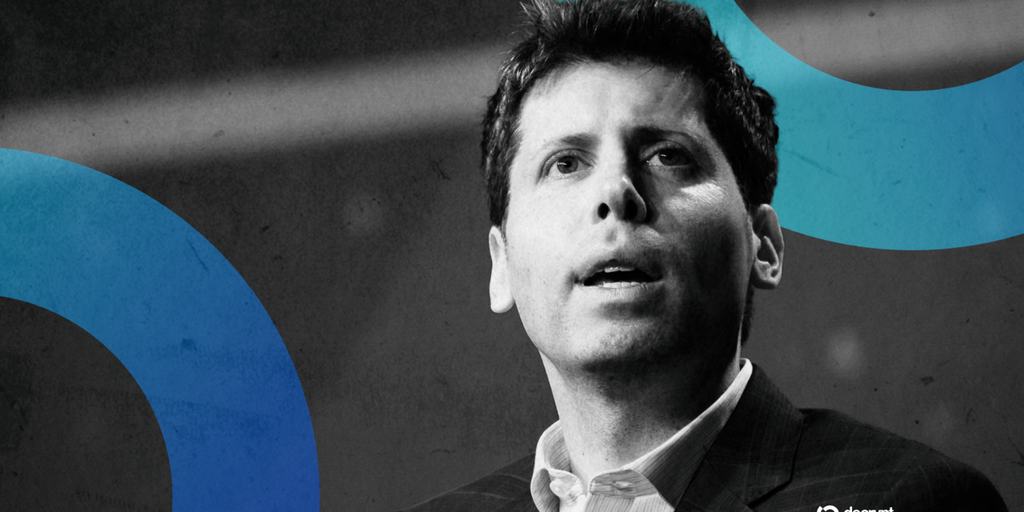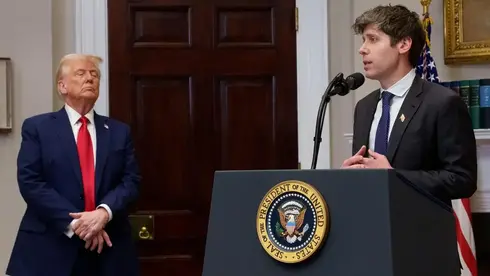
Altman’s plan would place major AI developers’ equity into a public investment fund modeled on Alaska’s dividend system, as OpenAI and Anthropic prepare for possible trillion-dollar IPOs Related TopicsOpenAI is reportedly in discussions with the U.S. government about granting the state a 5% stake in the company. The unprecedented proposal, led by CEO Sam Altman, aims to ease growing tensions between major technology companies and Washington under President Donald Trump while creating a mechanism to share wealth with the American public.According to initial reports, Altman and OpenAI executives have proposed a model under which all major US AI developers would transfer a similar share of their equity to a sovereign public investment fund, modeled after the Alaska Permanent Fund, which distributes annual dividends directly to residents.GalleryAltman aims to ease growing tensions between major technology companies and Washington under Trump (Photo: Getty Images)Altman has already discussed the proposal with President Trump, Commerce Secretary Howard Lutnick and Treasury Secretary Scott Bessent. At the same time, as previously reported, he also met with Democratic Sen. Bernie Sanders, who is promoting the creation of a national wealth fund financed through a one-time 50% tax on shares of major AI companies, effectively amounting to the nationalization of half their equity.The restrictions effectively forced both models offline. They returned only in recent days after Anthropic implemented a series of changes and reached strict security agreements with the administration.OpenAI's proposal marks a potentially historic shift in the relationship between Silicon Valley and the U.S. government. American technology companies have traditionally avoided partial nationalization or direct government involvement in their ownership structures. If Altman's plan moves forward, it could require special legislation in Congress and fundamentally reshape the rules governing the US free market.Sam Altman also met with Democratic Sen. Bernie Sanders, who is promoting the creation of a national wealth fund financed through a one-time 50% tax on shares of major AI companies (Photo: Reuters)Beyond its political implications, the timing of the talks is no coincidence. Both OpenAI and Anthropic are preparing for initial public offerings (IPOs) on US stock exchanges, with valuations for both companies already approaching the unprecedented $1 trillion mark.Granting the government a stake before going public could provide critical regulatory protection, but it also raises difficult questions about fair competition. Companies such as Google and Microsoft, which develop their own AI models including Gemini and Copilot, have far more traditional and complex public ownership structures, making it unclear whether they could or would join such an initiative.Although government involvement in the technology sector is not new, it has typically moved in the opposite direction. The internet itself began as the US military's ARPANET project before being commercialized roughly three decades later. Likewise, the Global Positioning System (GPS) was developed by the U.S. Department of Defense.The key difference this time is that the initiative originates in the private sector, serving as a form of political and economic insurance against potential breakups or tighter government restrictions.For now, the discussions in Washington remain preliminary and largely theoretical. Still, their very existence suggests that the biggest AI companies recognize they have accumulated too much power for the government to allow them to operate without direct oversight.Comments
OpenAI proposes 5% US government stake to ease Washington pressure
Altman’s plan would place major AI developers’ equity into a public investment fund modeled on Alaska’s dividend system, as OpenAI and Anthropic prepare for possible trillion-dollar IPOs
529 words~2 min read