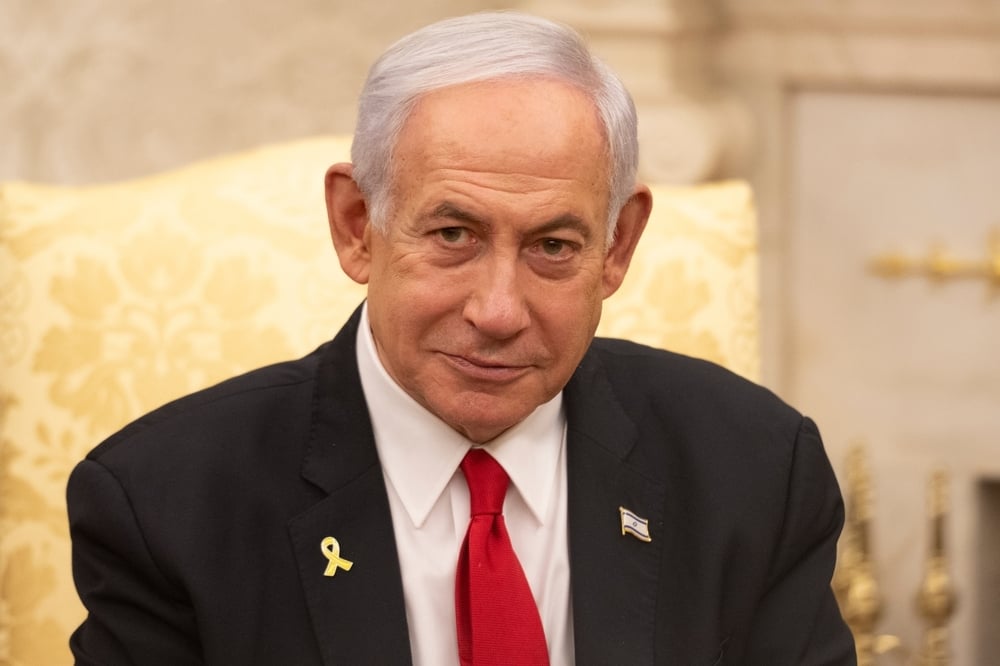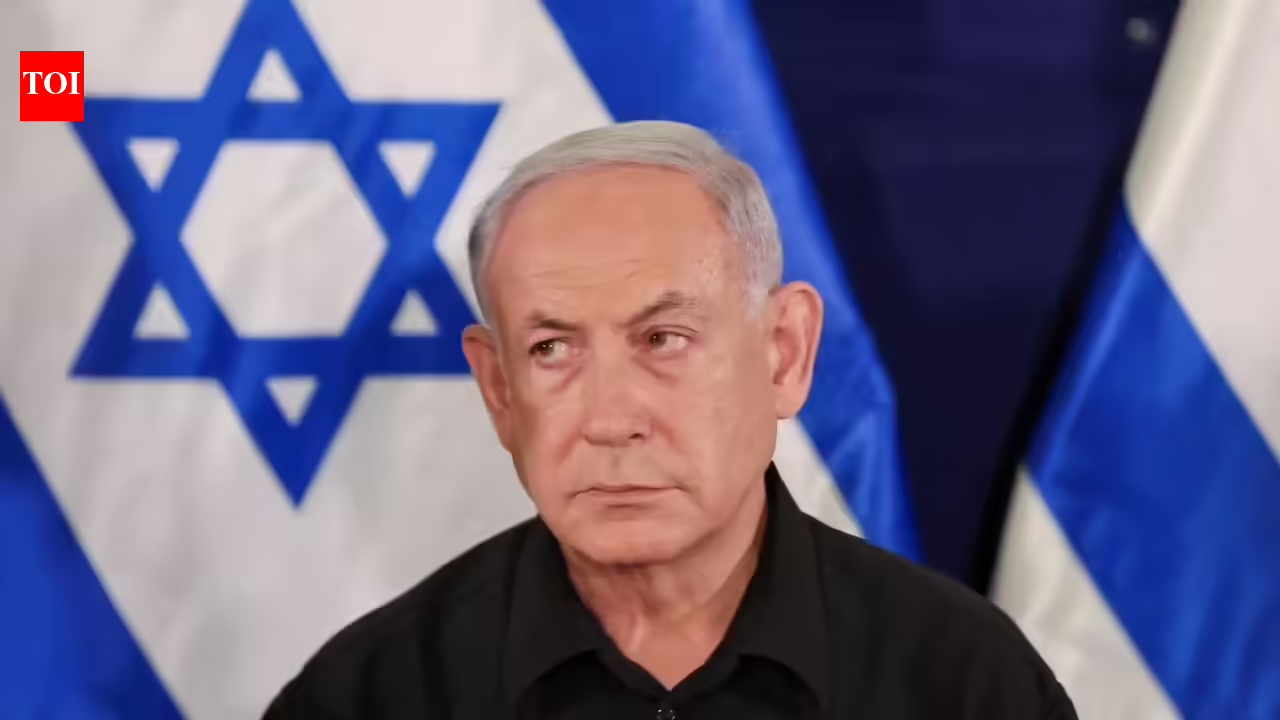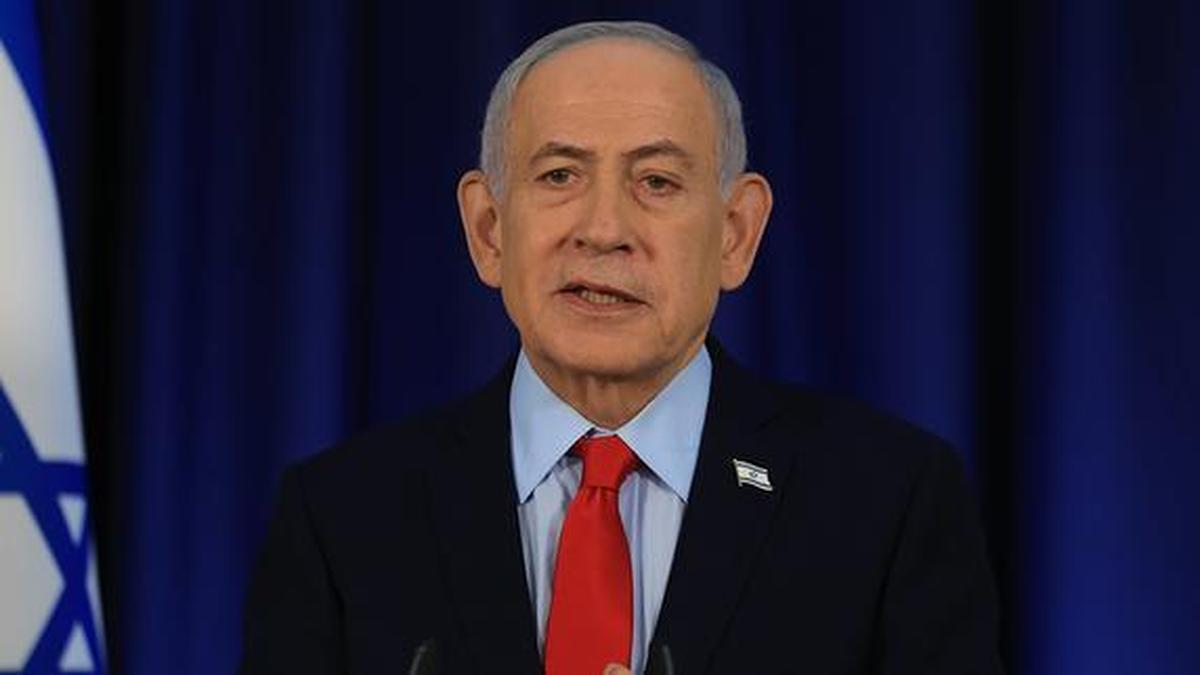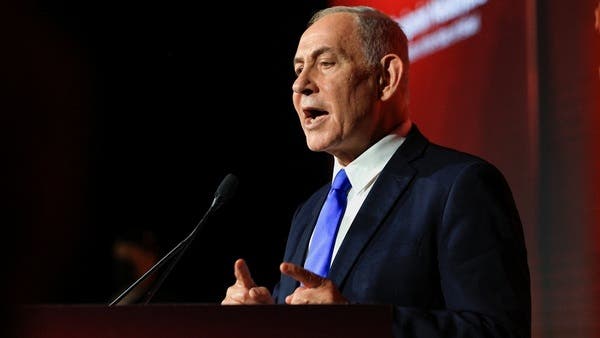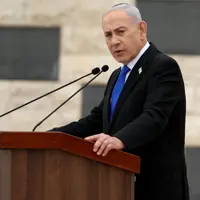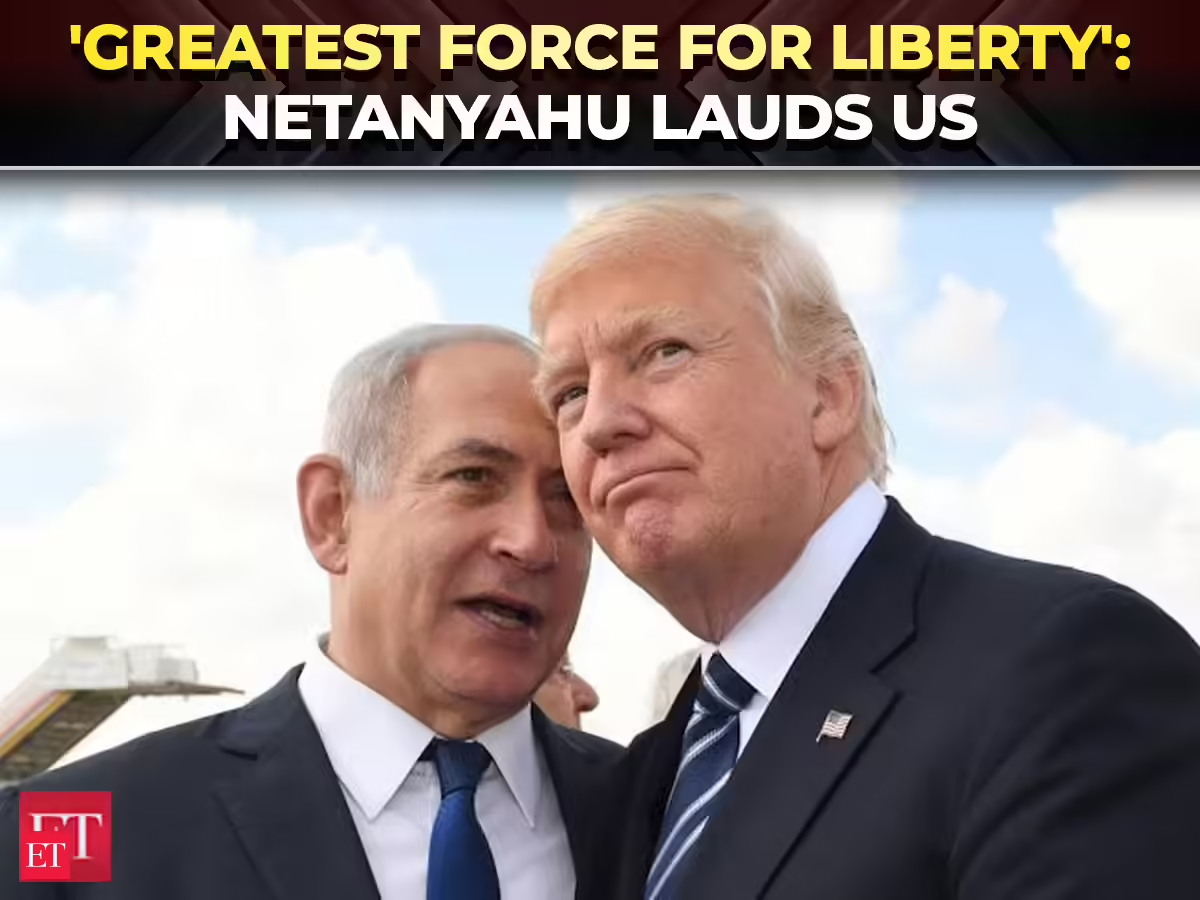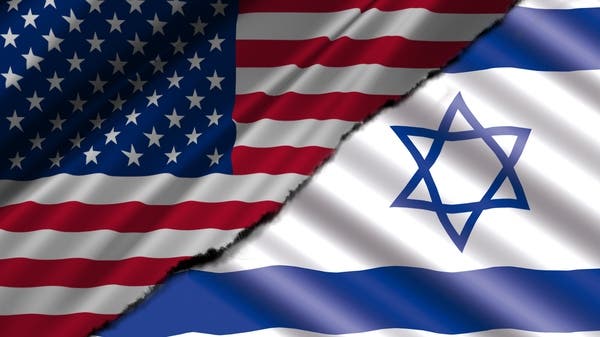
A few days ago, Israeli Prime Minister Benjamin Netanyahu made a statement that seemed unusual even within Israel’s own security establishment. He declared that his country must rely on itself when it comes to armaments, and gradually free itself from dependence on the United States. This was a reference to US military aid, which amounts to around $3.8 billion annually. He said: “Now we are standing against Iran and its proxies. We struck them is not over yet, but this depends on our strength. Where will we be in 30 years? That depends on our strength. That is why what we are doing now is building increasing power. I want independence in armaments. We need our own organization in order to free ourselves from dependency.”For all the latest headlines follow our Google News channel online or via the app.The statement came at a sensitive time, amid escalating political disagreements between President Trump’s administration and Netanyahu over the war against Tehran and the elimination of Iran’s nuclear program. But it raised a question bigger than this political dispute: Can Israel really live, in security and military terms, without the United States?This question is not new. It has been raised more than once by Israelis. A study published in 2017 later became a reference point in Israeli national security circles. It was titled “Can Israel Survive Without America?” and was written by former Israeli deputy national security adviser Charles Freilich. He wrote that those calling for Israel’s independence from Washington should be careful what they wish for. Freilich argues that US aid is only the visible part of the relationship. The real value lies in the strategic support network Washington has built for Israel over decades, from guaranteeing its qualitative military edge, to intelligence cooperation, to political and diplomatic protection in international institutions.Financially, US military aid, despite its size, appears theoretically replaceable if Israel decided to increase its defense spending. But the problem does not begin with money. It begins with technology. Most Israeli air systems depend to varying degrees on American components, such as F-35 fighter jets, in addition to smart munitions, engines, and communications systems. Even Israel’s military industries, which are among the most advanced in the world, developed historically within a technological and industrial partnership with the United States, not in isolation from it.At the political level, the relationship appears even more sensitive. For decades, Washington has used its veto power dozens of times to protect Israel from resolutions that could have imposed isolation or international sanctions on it. It has also provided Israel with a political umbrella that would be difficult for any other country to replace. Freilich goes even further, arguing that the United States is not merely an ally of Israel, but a core element of Israel’s own deterrence system. Israel’s adversaries do not only calculate its military capabilities. They also take into account the possibility of American political or military intervention if Israel faces an existential threat.From this perspective, Netanyahu’s remarks seem closer to a political message than to an actionable strategic plan. It is true that Israel has made significant progress in recent years in localizing its military industries, and has become one of the world’s largest exporters of weapons and defense technologies. The recent wars it has fought have also pushed it to accelerate domestic ammunition production in order to reduce dependence on external suppliers. But achieving full independence remains a distant goal, not because of weakness in Israeli capabilities, but because the nature of modern military industry is based on complex supply chains and international alliances, even for major powers.For that reason, talk of Israel separating from the United States seems closer to a restructuring of the relationship than an end to it. Israel may seek to expand the margin of independence in its military decision-making, but at the same time it realizes that ending its reliance on Washington would mean losing an entire network of military, technological, intelligence, and diplomatic support, a network that took decades to build. In politics, statements may be used to raise the ceiling of negotiations or to speak to a domestic audience, but the realities of national security are less receptive to slogans. Therefore, Netanyahu’s remarks remain within the realm of what is acceptable, and others should not rejoice under the illusion that the relationship between Washington and Tel Aviv is on its way to unraveling. The real question is therefore not whether Israel wants to do without America, but whether Israel can bear the cost of doing so. In the near term, that will not happen.
Can Israel do without America?
A few days ago, Israeli Prime Minister Benjamin Netanyahu made a statement that seemed unusual even within Israel’s own security establishment. He declared
761 words~3 min read