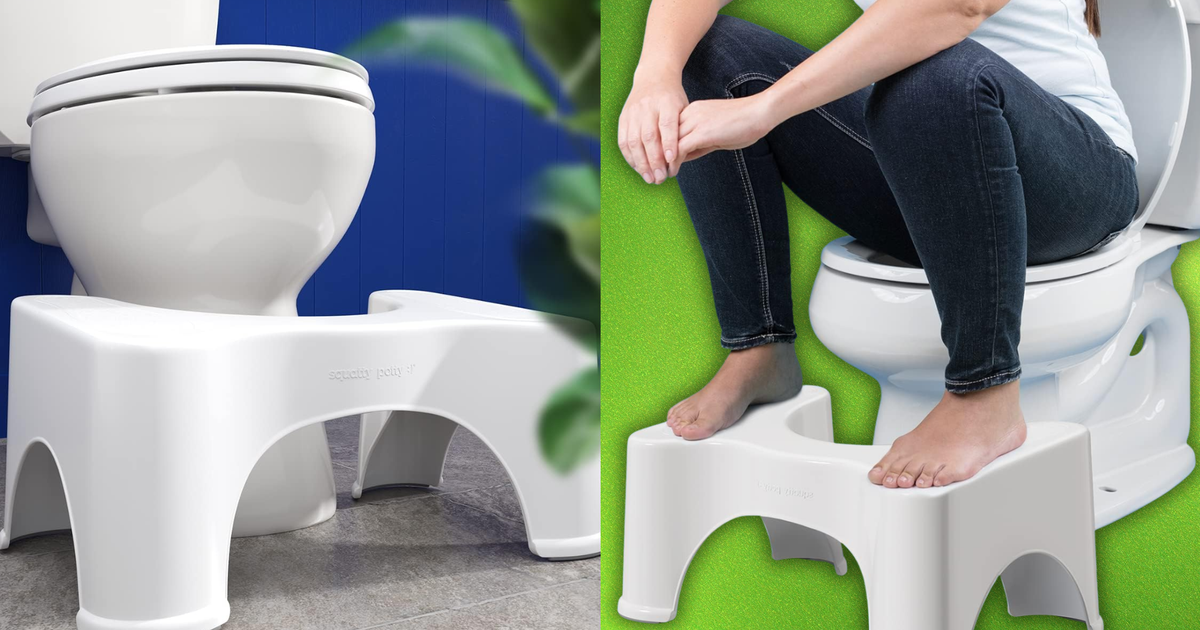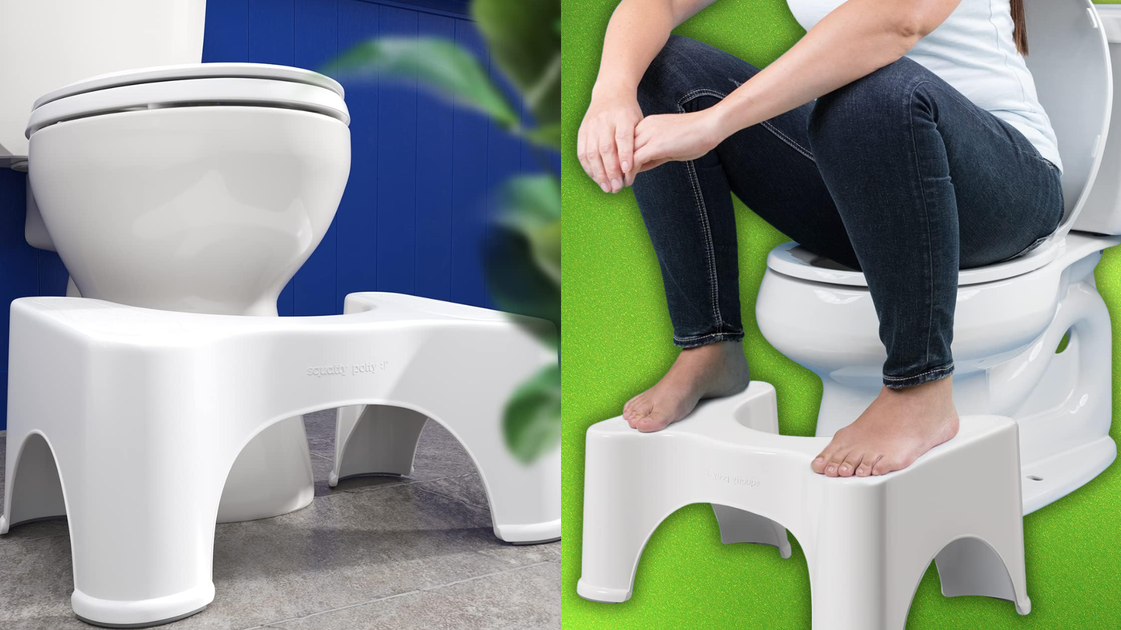
How long do you spend going No. 2 in the bathroom? Two minutes? Seven minutes? 20 minutes? Well, it turns out there is a line between spending too long in the bathroom and having a quick and healthy poop.Spending too much time pooping can lead to health problems and can even be a sign that there’s something larger going on in your gastrointestinal tract.Here’s what gastrointestinal doctors want you to know.It should take no more than 5 minutes to have a bowel movement — and maybe even a little less.Spending more than several moments on the toilet when you poop is too long, doctors say. Exactly how long is too long depends, but around five minutes (or a little less) is a good goal.Dr. Melissa Hershman, an assistant professor of medicine in the division of gastroenterology and hepatology at Oregon Health and Sciences University, said “an appropriate time to spend on the toilet is no more than three minutes at a time.”Leslie Waid, a nurse practitioner in gastroenterology at the University of Pittsburgh Medical Center, was a little more lenient with the time, but not by much. According to Waid, it shouldn’t take more than five to 10 minutes to have a bowel movement.Dr. Valentine Millien, a gastroenterologist at Houston Methodist Hospital, said closer to five minutes is best.“You should sit down, you should easily pass a bowel movement, feel empty, you get cleaned up and you leave,” Waid said.“There shouldn’t be any straining or spending time sitting there waiting for stools to pass,” Waid noted.Straining and excessive pushing motions can “create pelvic trauma, injury,” added Hershman.For example, straining can cause hemorrhoids, Waid said.“There are other things that can happen with straining, including anal fissures, and those are tears in the lining of the anal canal, and they can be very painful,” Waid said.Straining on the toilet can also cause pelvic floor damage and weaken the pelvic floor muscles, Waid added.“Really, after five minutes, and nothing is happening, we usually tell patients to leave and then wait again to get the urge, and then come back to the bathroom,” Millien noted. Hopefully, when you return, you’ll be able to evacuate your bowels in just a couple of minutes.Kinga Krzeminska via Getty ImagesOne way to spend less time in the bathroom? Stop bringing your phone in with you.If you spend more than 5 or 10 minutes in the bathroom, there are things you can do to improve your bowel health. If straining and spending 5 or 10 minutes on the toilet is your norm, there are a few things you can do to reduce the time it takes you to poop.First, positioning is important, said Waid, so stools like Squatty Potty can be helpful. Millien agreed, “a lot of Asian countries and a lot of African countries, their toilet is actually, even if it’s a ceramic toilet, it’s usually lower to the ground, so that forces you to squat.”When you squat, “you’re removing some of that pressure of the rectum, and actually allowing gravity to help you evacuate,” Millien said.And, while it’s common to bring your smartphone everywhere (including in the bathroom), it’s a good idea not to. Research shows that people who bring their phone into the bathroom spend more time in the bathroom and have a higher risk of hemorrhoids, Millien said.Tried-and-true lifestyle habits are also important for bowel regularity, such as drinking plenty of fluids and exercising, said Waid.“Exercise is an excellent way to promote bowel motility. I often tell patients that your gut doesn’t move if you don’t,” said Hershman.Your diet choices also impact your bowel movements. “It’s important to have adequate dietary fiber,” Waid noted. This includes fruits, vegetables, whole grains, certain cereals, oatmeal, chia seeds, beans, and more.Fiber helps add bulk to stools and makes bowel movements easier to pass. “If patients feel like they’re not eating enough fiber, or just need a little bit something more for regularity, they can add in a fiber supplement,” Waid said.“We really want to target at least 25 grams of fiber per day,” said Hershman. For reference, one apple has about 4.5 grams of fiber, one cup of quinoa has 5 grams and one cup of lentils has 15.5 grams of fiber.In some cases, bowel movement issues can be a sign of colorectal cancer.Rates of colorectal cancer are rising in younger adults, and the signs of colorectal cancer can overlap with some of the problems that come from straining while pooping, too.“Blood in the toilet — the assumption used to be that this was all hemorrhoids, but it’s also important to talk to your physician,” said Millien.More, if you notice a change in your bowels, like if you used to have regular bowel movements but are now having frequent constipation or diarrhea, you should also mention that to your doctor, she said. “Because it could be a sign of inflammation in the colon, or it can be a sign of an obstruction in the colon,” added Millien.“If there’s any concern in your bowel habits, if anything has changed in your bowel habits, any blood, don’t just minimize [it],” she added.“A lot of young patients with colon cancer now are actually asymptomatic, other than just intermittent rectal bleeding,” Millien noted.If you notice anything suspicious about how long it takes you to have a bowel movement, blood in the toilet or any concerning changes, talk to your physician, she stressed.
The Ideal Amount Of Time You Should Spend Pooping Might Surprise You
Doctors share the ideal time everyone should be spending on the toilet — and what you can do to improve your bowel health.
900 words~4 min read