AP, ALGIERS
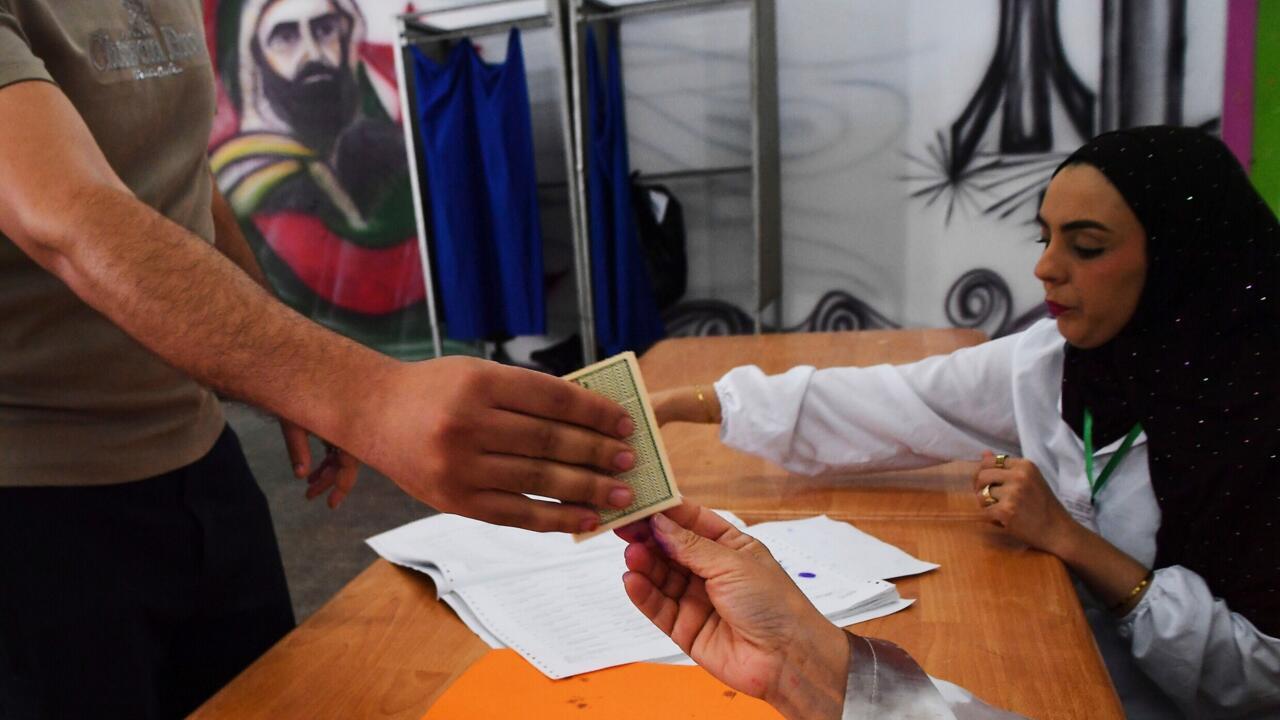
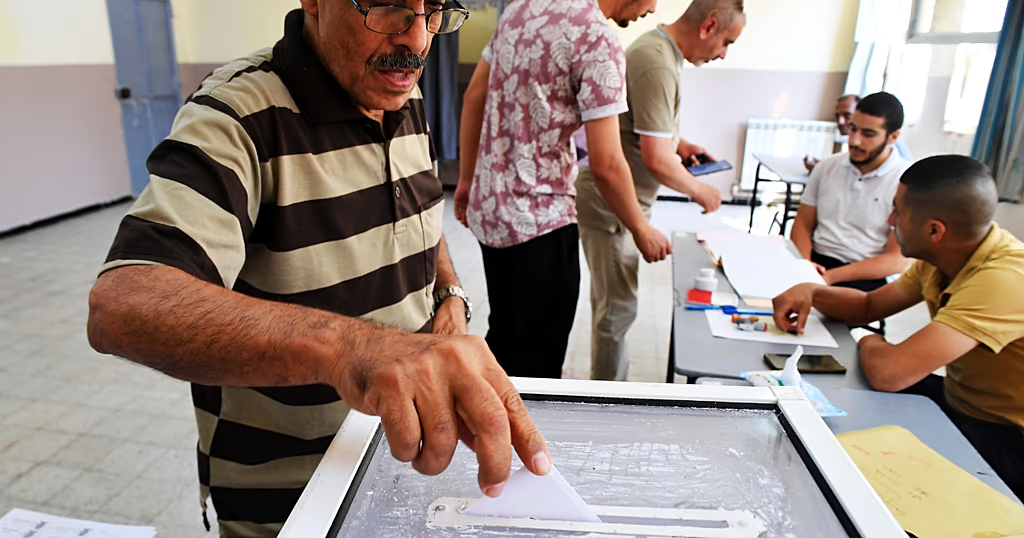
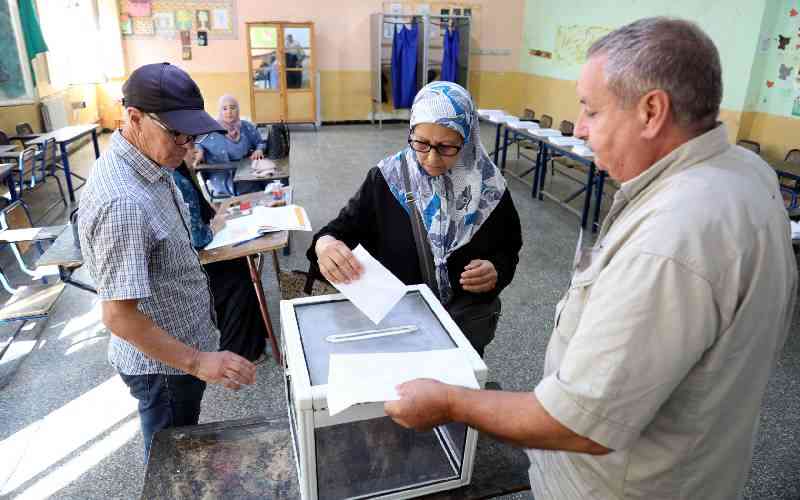
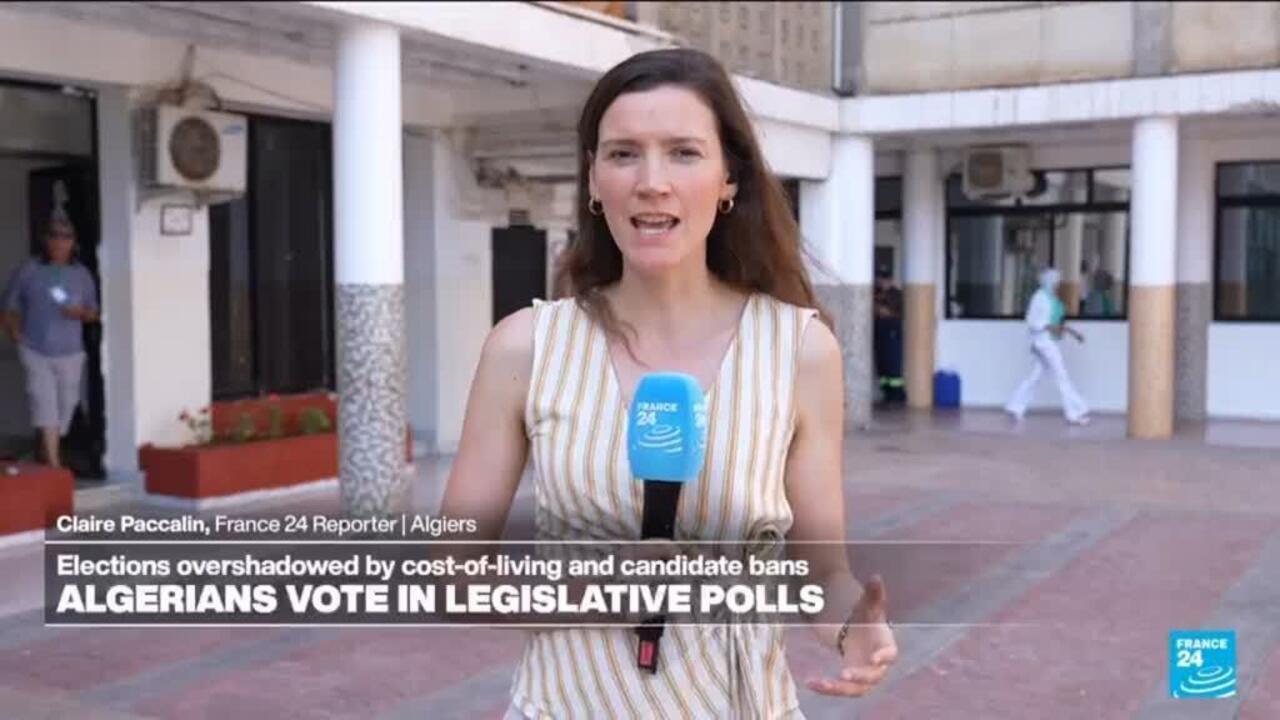
Voters in Alergia casted their ballots yesterday in parliamentary elections overshadowed by cost-of-living concerns and bans on candidates challenging the government.Nearly 25 million voters are choosing among 1,235 candidates for 407 seats with five-year terms in the lower house of parliament.Turnout is a big concern after voters largely snubbed campaign events. The government declared yesterday a paid national holiday to encourage turnout.
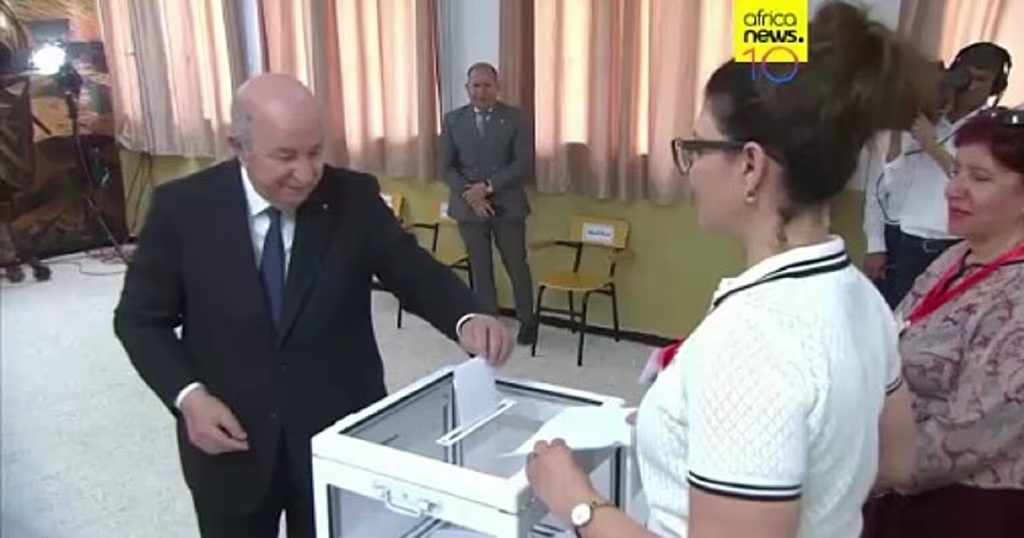
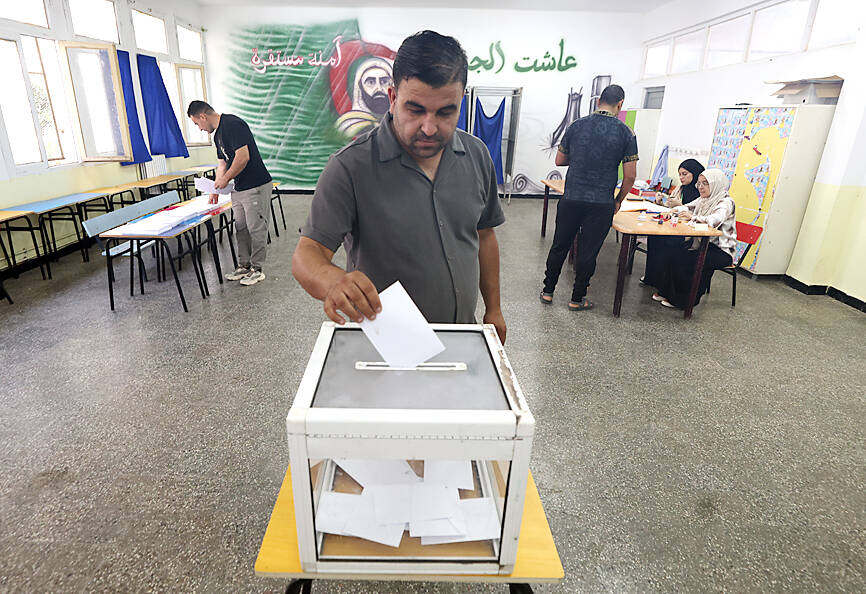
A man casts his ballot during parliamentary elections in Algiers yesterday.
Rather than electoral politics, many people seem more concerned with everyday problems such as purchasing power and the decline of public services against a backdrop of shrinking political, media and union freedoms.Many soccer-obsessed Algerians also are focused on the World Cup, where their national team faces Switzerland in a knockout match early today.
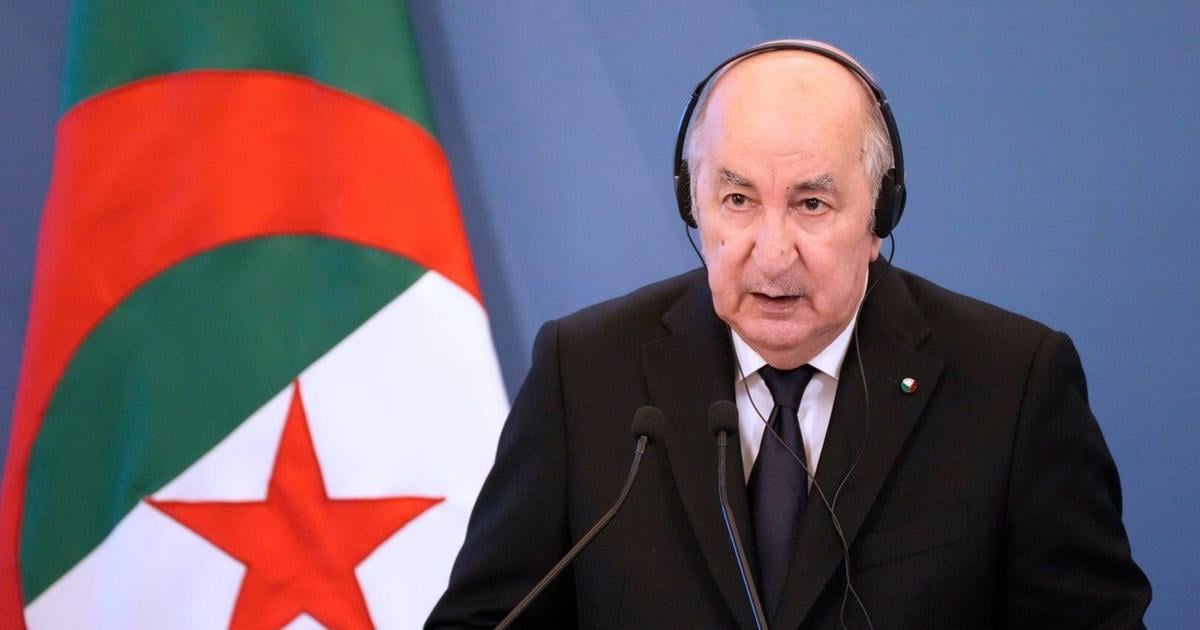
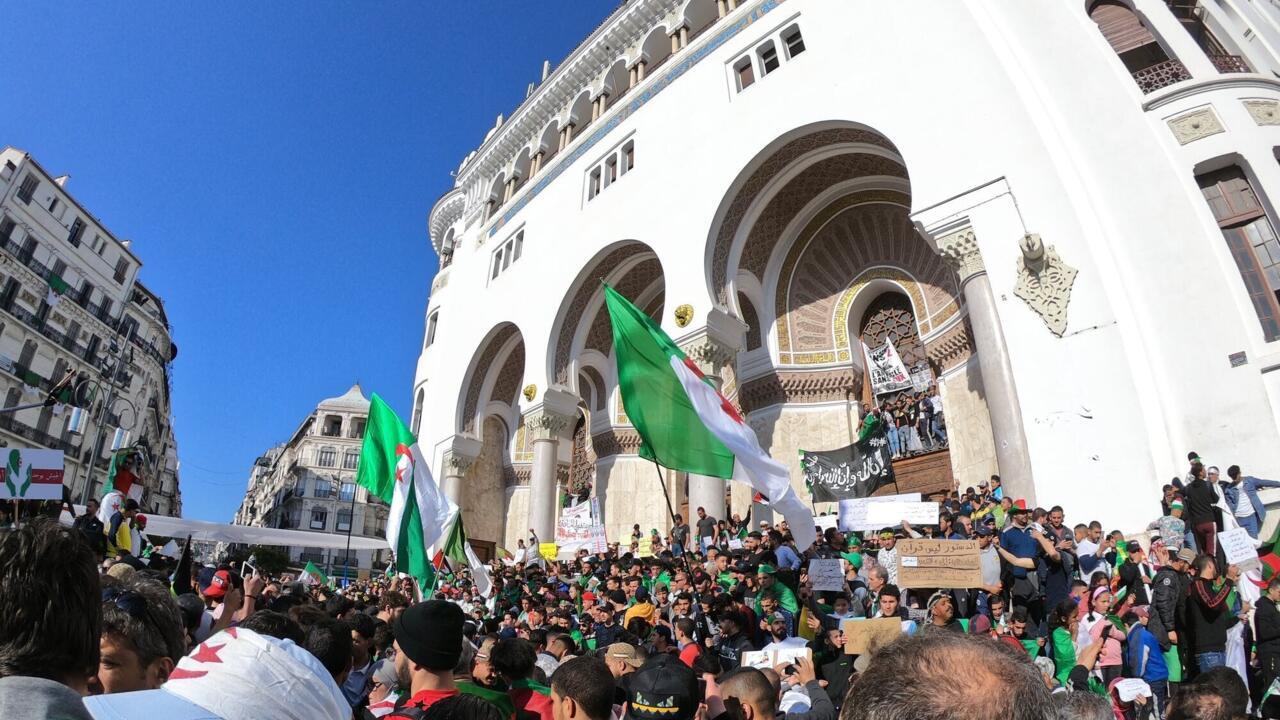
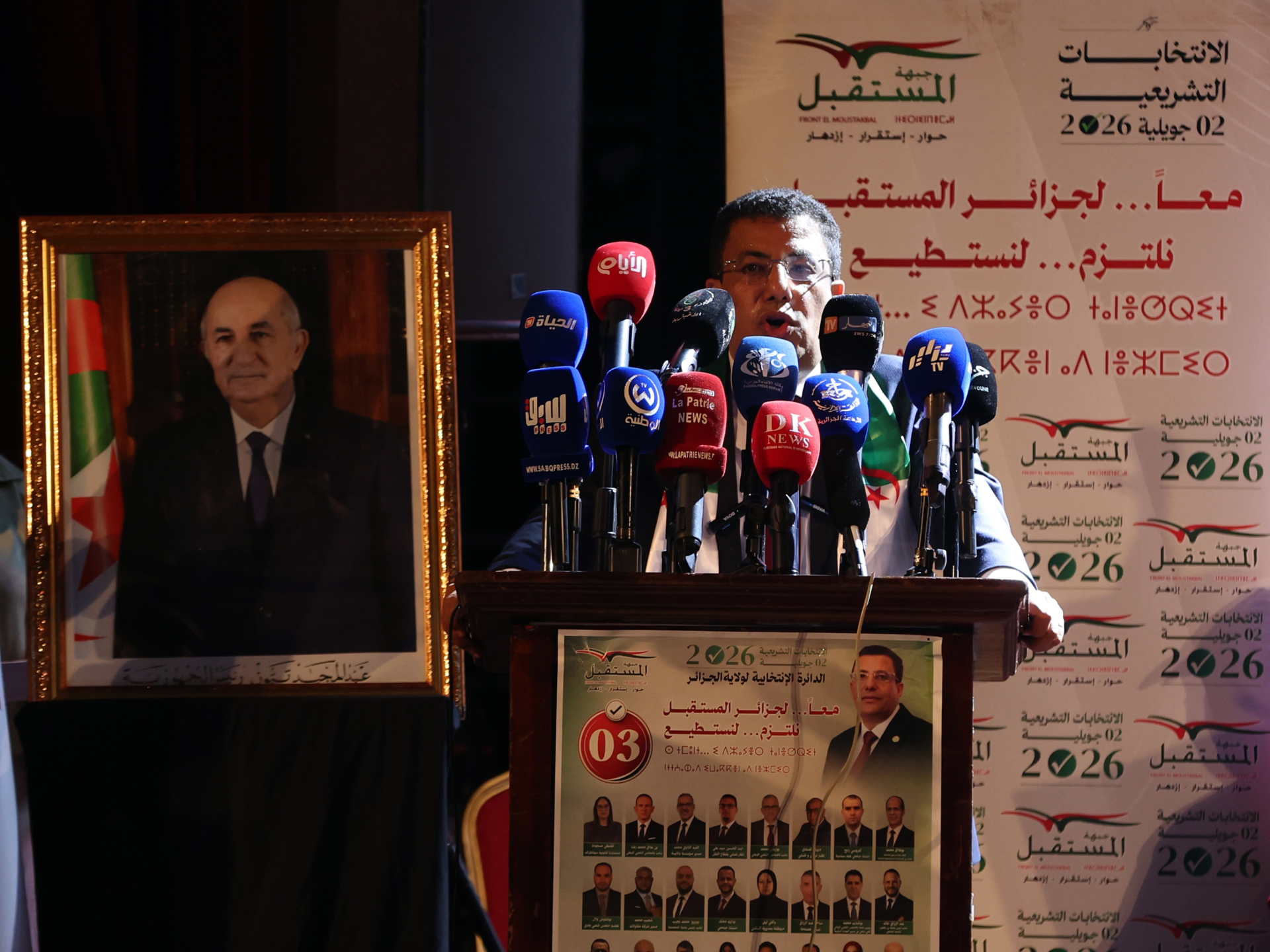
The outgoing pro-government majority holds about 300 seats, while the Islamist Movement of Society for Peace (MSP) party is the second-largest political force with 64 seats.Some MSP candidates were among 269 candidates barred from running, which notably included former leaders and activists of the Hirak pro-democracy movement that helped push out former Algerian president Abdelaziz Bouteflika in 2019. The government has increasingly squeezed freedoms under his successor, Algerian President Abdelmadjid Tebboune.The electoral authority said the rejected candidates were banned because of “links to illicit financial networks” and “suspicious political activities.”Security measures were put in place Wednesday in front of polling stations in Algiers.In southern Algeria and Sahara Desert regions, voting was brought forward by 48 hours to allow the nomadic population to cast ballots in boxes transported in off-road vehicles belonging to the administration and escorted by police.In the Algerian diaspora, which numbers about 854,225 registered voters, voting took place on Saturday and Sunday last week at various consular offices. There was high turnout and a “family atmosphere,” state news agency APS said.The government also moved up dates of end-of-year school exams to free classrooms and teachers, who are usually called upon to staff polling stations in exchange for a daily allowance.Faced with largely empty campaign venues, parties and independent candidates have opted for “grassroots meetings” in the streets, markets and popular cafes with citizens. In a widely viewed video broadcast last week, the head of a political party is seen trying — and failing — to convince a young man to vote.Parties campaigned anyway. The presidential majority, led by the long-serving National Liberation Front party, is urging broad turnout to strengthen Algeria domestically in the face of geopolitical challenges.The Trotskyist opposition Workers’ Party is campaigning for increased pensions and wages, and against a mining sector reform favoring foreign investors.The head of the Socialist Forces Front, the main party of the democratic movement, is urging the release of political prisoners and freer media, and telling voters that boycotting the elections would only serve the government.