AP, BANDA ACEH, Indonesia
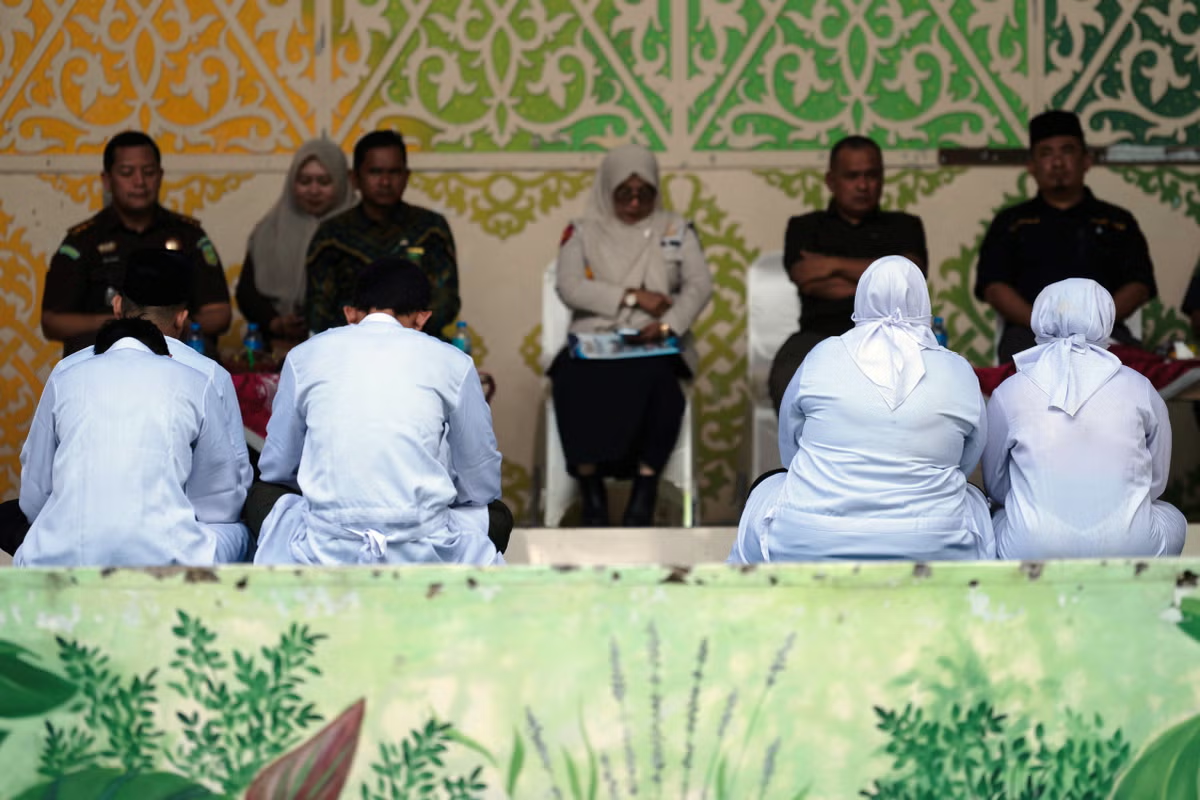
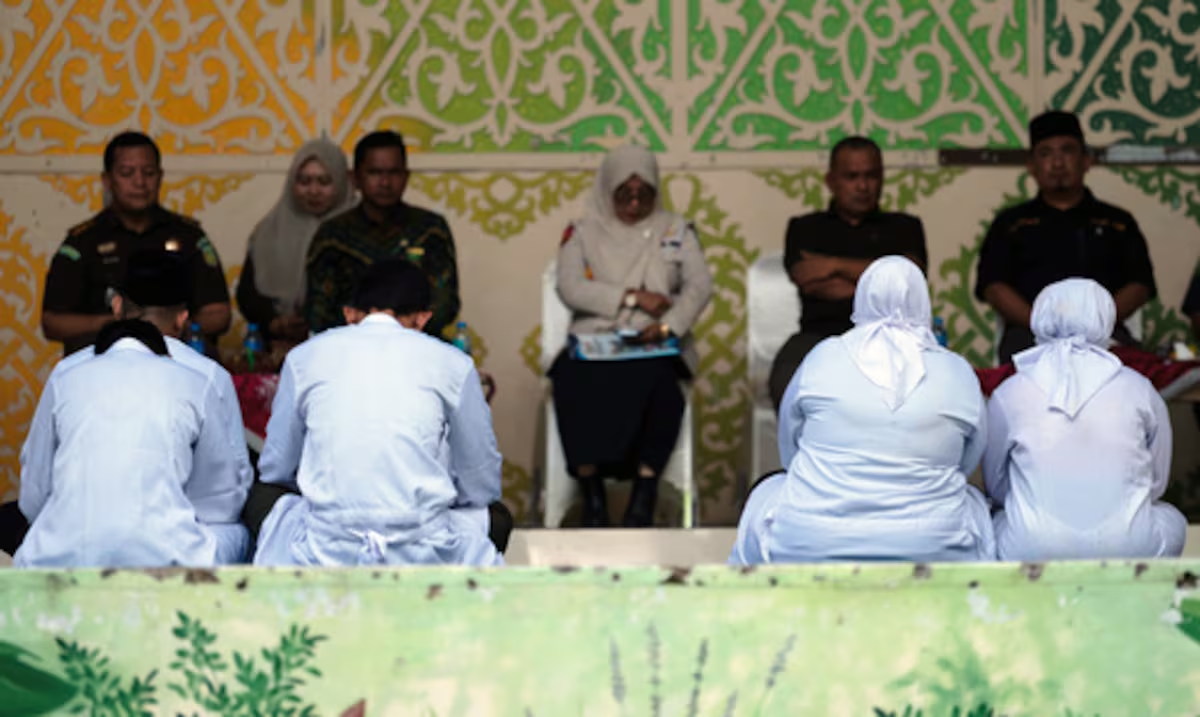
A young couple in Indonesia’s conservative Aceh Province were publicly caned yesterday, after an Islamic Shariah court convicted them of contravening Islamic law by kissing during a TikTok livestream.Aceh’s Sharia court ordered the two people to be whipped with a rattan cane 21 times each for kissing without being married. At least 100 people witnessed the caning, carried out on a stage in Bustanussalatin City Park in Banda Aceh.The couple, a 22-year-old man and a 25-year-old woman, were arrested in April after a Feb. 27 livestream in which they kissed in a car in Banda Aceh went viral and prompted reports to local Sharia authorities.
People watch the public caning of an unmarried man convicted of contravening Islamic law by kissing during a TikTok livestream, in Banda Aceh, Indonesia, yesterday.
Aceh is the only province in Muslim-majority Indonesia that enforces a version of Islamic law. Indonesia’s secular central government granted the province the right to implement religious law in 2006 as part of a peace deal to end a separatist war.In 2015, Aceh expanded the law to apply to non-Muslims.
The law allows up to 100 lashes for morality offenses including adultery and gay sex. Caning is also allowed to punish people gambling and drinking, and for women who wear tight clothes or men who skip Friday prayers.The couple caned were sentenced to 25 lashes each, but it was reduced to 21 strokes, because they had already spent four months in prison.The court also seized a cellphone and a USB flash drive containing the TikTok live video as evidence to be destroyed.Four other people were publicly caned yesterday for online gambling and adultery.Amnesty International Indonesia said public caning in Aceh as a form of human rights violation because it is cruel, inhumane and degrading to human dignity, even though Indonesia has ratified a convention mandating the abolition of inhumane punishments.“Such behavior might be considered inappropriate because social media is viewed by people of various age groups, including children. But is it a crime that warrants imprisonment or even caning? That would be excessive,” Amnesty International Indonesia executive director Usman Hamid said.